New Arrivals — Browse our catalog for the latest authentic Japanese sword arrivals. Browse →
Insights into Japanese sword knowledge and culture
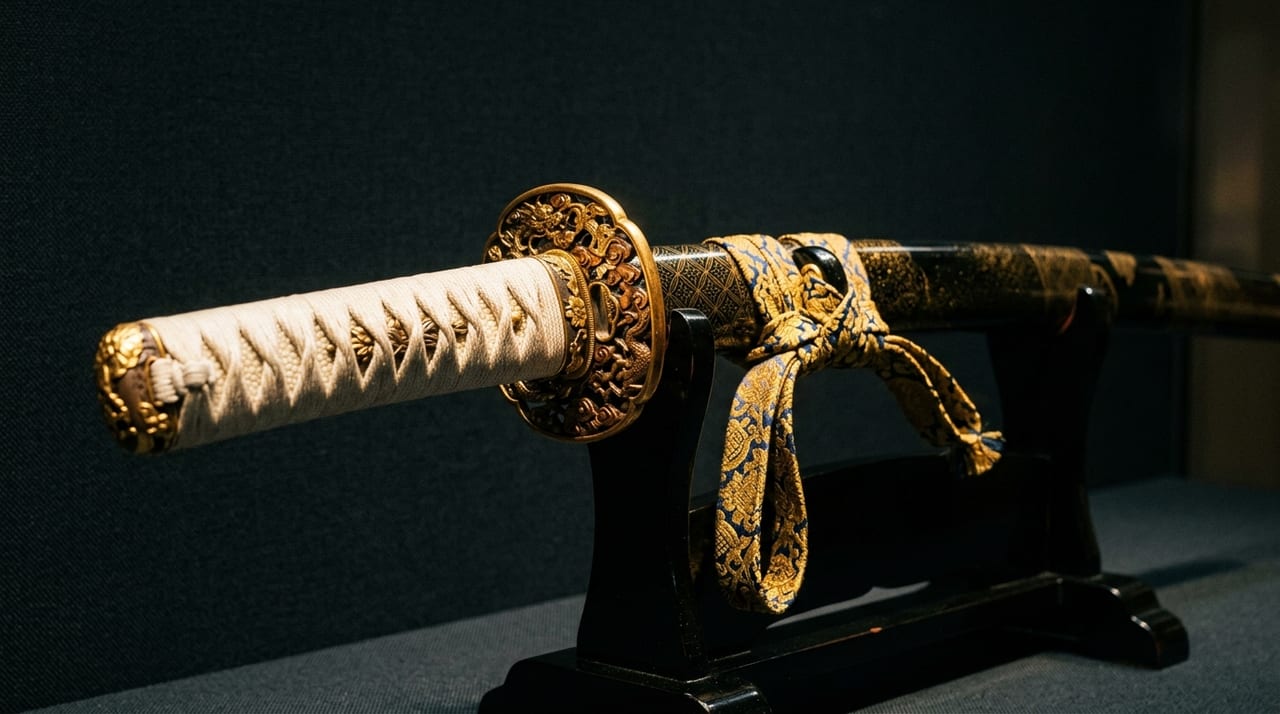
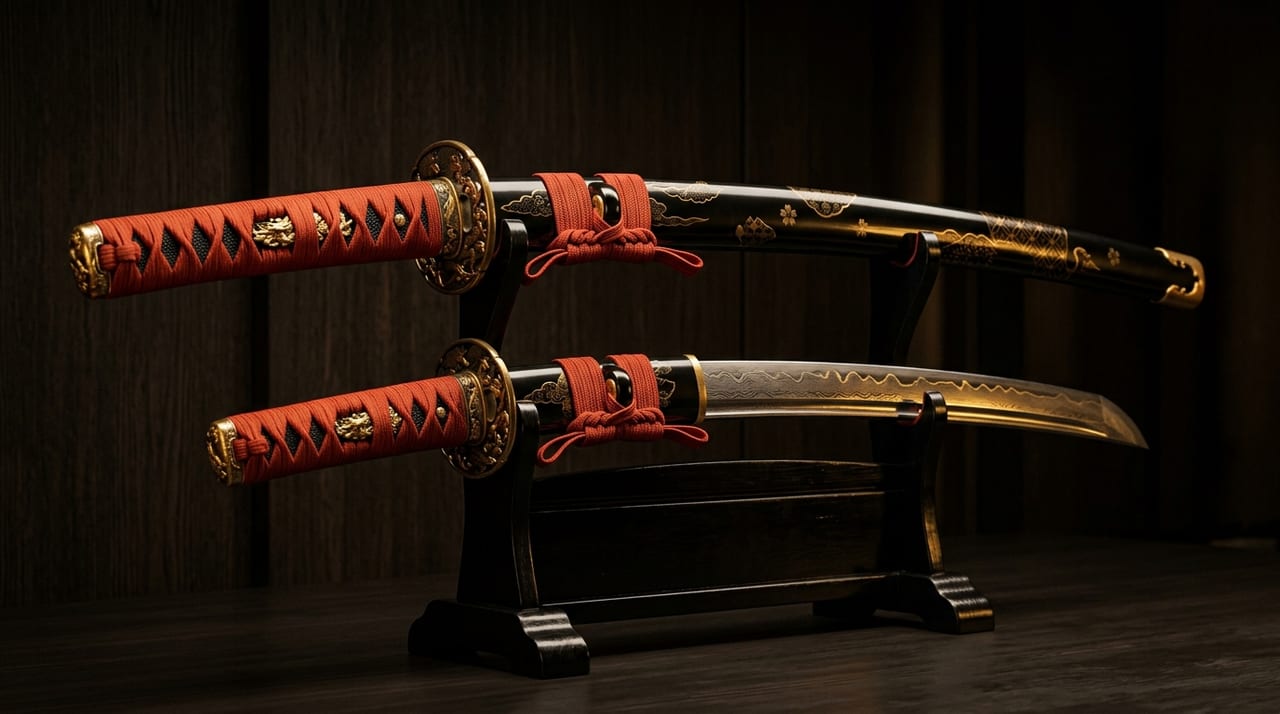
A step-by-step explanation of the division of labor and collaboration among multiple craftsmen involved in completing sword mountings for uchigatana and tachi.
How established sword dealers build and maintain customer trust in the internet and social media age. A practical guide to the unique trust-building know-how of the Japanese sword industry, covering word-of-mouth, review sites, handling inbound foreign customers, and dealing with counterfeit circulation problems.
A practical guide to exhibiting Japanese swords at overseas art fairs and international trade shows, covering permits, packaging, pricing, and negotiation.
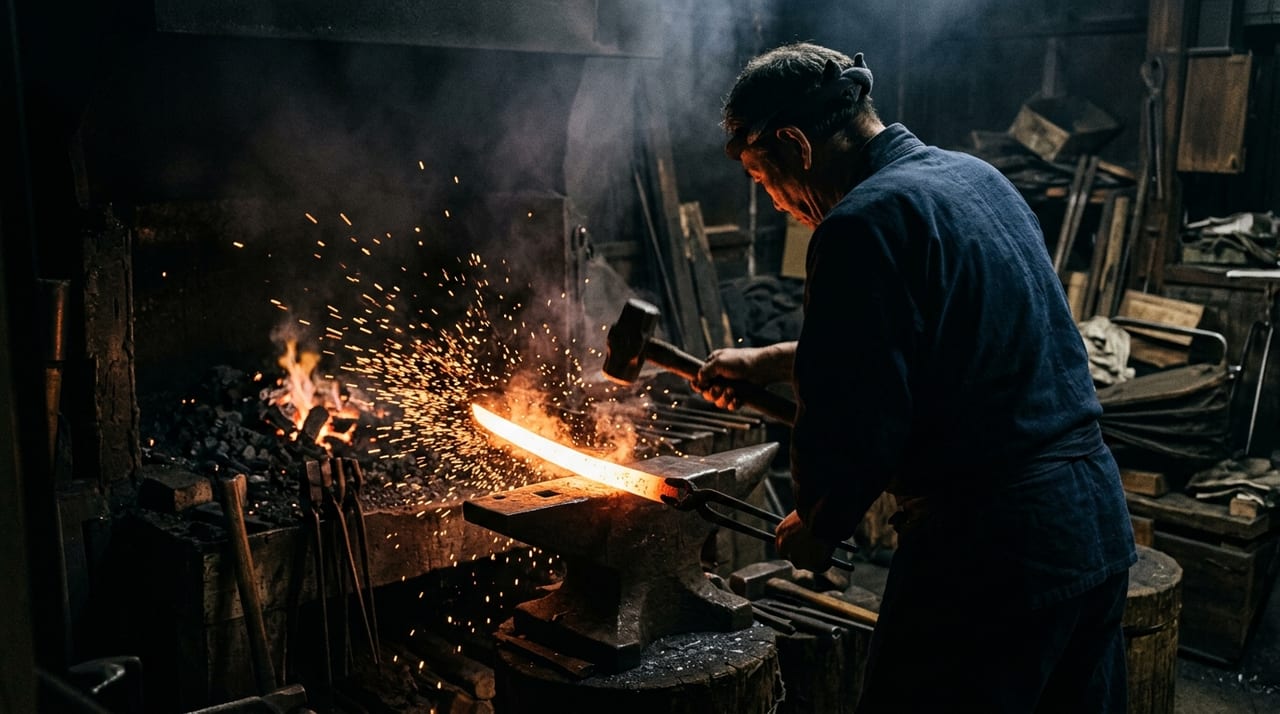
An exploration of the role of 'tacit knowledge' (physical knowledge) in Japanese sword forging — knowledge that cannot be conveyed through text, numbers, or diagrams. This article examines the sensory judgments that craftsmen engrave into their bodies through years of experience, such as reading fire color (hiiro), sensing the right moment to strike (uchigoro), and judging the state of iron by sound, and explores how this knowledge is passed down through the master-disciple system.
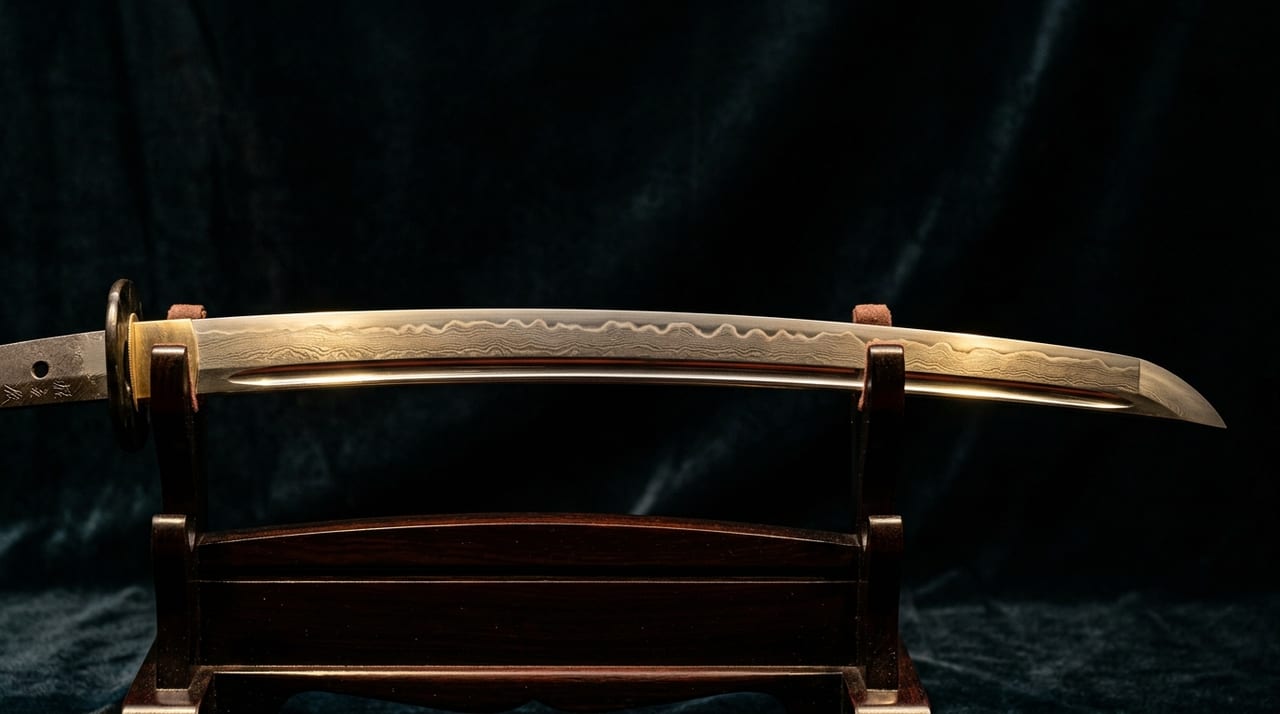
An explanation of how swordsmiths communicate their artistic vision to polishers and the polishing philosophy with which polishers respond.
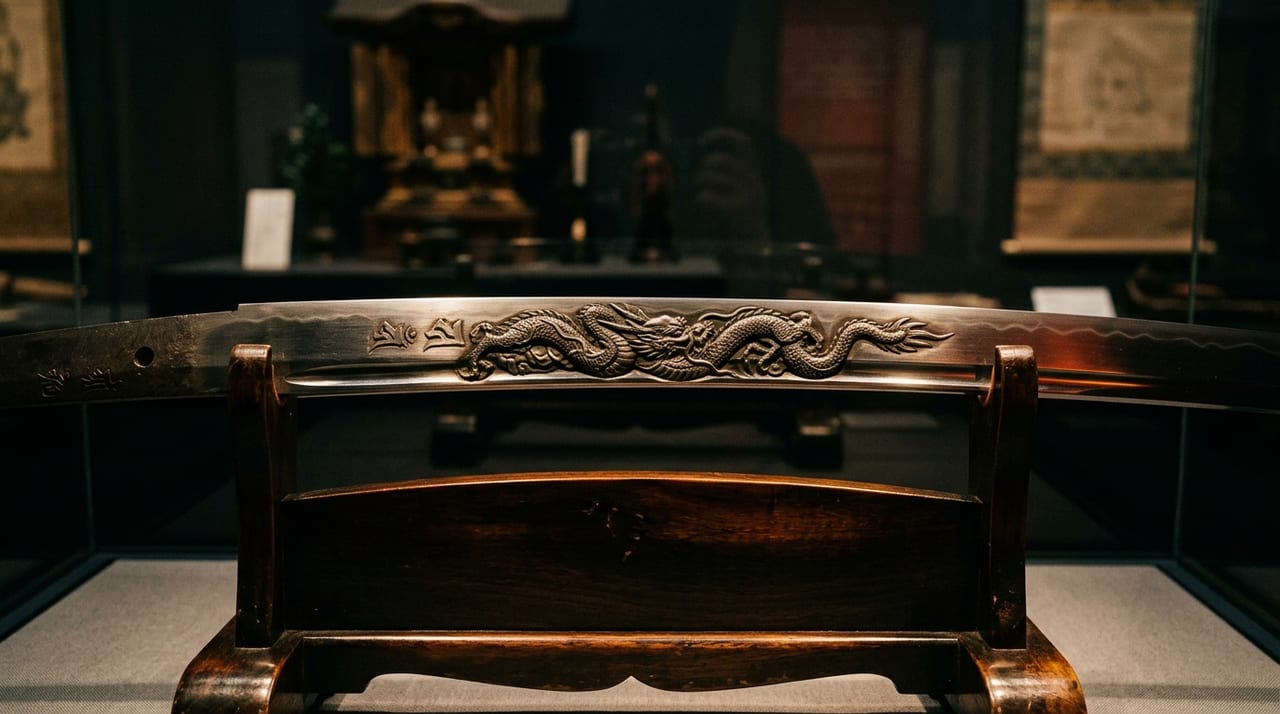
An explanation of the system of mythological swords, beginning with the Totsuka-no-Tsurugi (Ten-Fist Sword) that appears in Japan's founding myths. Covers the types, names, and mythological roles of major divine swords in the Kojiki and Nihon Shoki, archaeological and ritual connections to historical swords, and the long-term influence of mythological swords on the spirituality and design of Japanese swords.
A comprehensive overview of the transformation of sword culture during the first century of the Edo period, from the founding of the Tokugawa shogunate to the transition to civil governance.
Explores the Genmon currency reform (元文改鋳) of 1736 and kendo (剣術) expansion under Shogun Ieshige, showing how rising sword prices, formalized etiquette elevating blades to status symbols, and a dual swordsmith market—official smiths (goyō-kaji/御用鍛冶) patronized by the shogunate, independent smiths (machi-kaji/町鍛冶) competing openly—shaped this pivotal era in Japanese sword culture.
Hantachi-koshirae (半太刀拵え) is a sword mounting style bridging formal tachi (太刀) and practical katana (打刀) traditions. Developed during the Muromachi to Azuchi-Momoyama periods as semi-formal wear for nobility and samurai, it balanced ancient court customs with practical utility. Surviving examples display refined metalwork and lacquer decoration. The article explores its structural features and contemporary scholarly evaluation.
Kitaewarre (鍛え割れ) are internal and surface cracks and delamination that form during Japanese sword forging, caused by uneven carbon distribution in tamahagane (玉鋼), oxidation scale, and poor temperature control. The article examines both types—surface cracks and interlayer delamination—and explains their chemical causes (carbon segregation, oxidation scale) and physical causes (overheating, under-heating, excessive folding), along with practical prevention strategies including material selection, heat management, and proper folding cycles.
An explanation of how samurai actually carried swords in battle during the Sengoku period, examining the relationship between kogusoku, koshigatana, uchigatana, and wakizashi.
An exploration of the specialized techniques, material selection, dyeing processes, and modern demand for kumihimo artisans who create sageo and decorative cords for Japanese swords.