Sword Culture of the Genbun, Enkyō, and Kan'en Eras (1736–1750): The Rise of Swordsmanship Schools and the Transformation of Warrior Sword-Wearing Culture under Shogun Ieshige
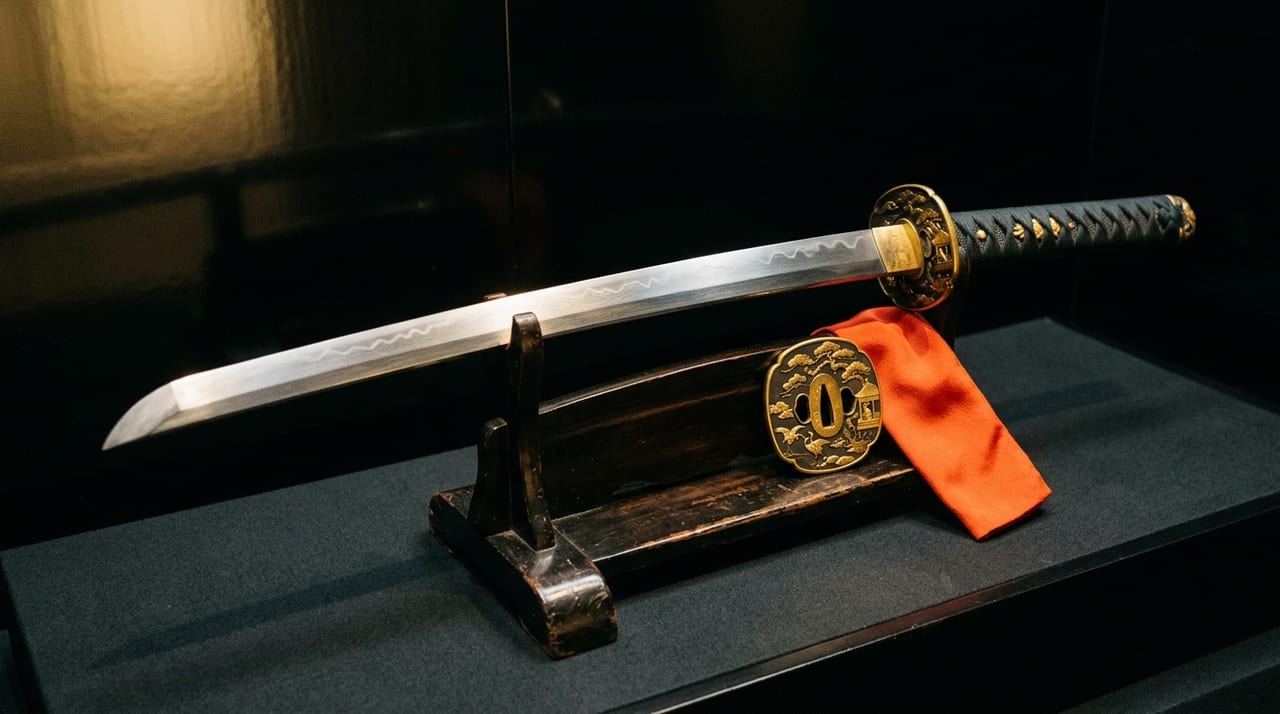 * Image is for illustrative purposes only.
Table of Contents
The Genbun Recoinage and the Warrior Economy: Impact on the Sword Market
The approximately fifteen years of the Genbun, Enkyō, and Kan'en eras (1736–1750), beginning in the later phase of the Kyōhō Reforms (1716–1745), correspond to the latter half of the reign of Tokugawa's eighth shogun, Yoshimune, and the early years of the ninth shogun, Ieshige. Yoshimune held the post of shogun from Genbun 1 (1736) through Enkyō 1 (1744), and Ieshige was appointed shogun in Enkyō 2 (1745). Ieshige was known as a shogun with a speech impediment, and actual government affairs were administered by his personal attendant, Ōoka Tadamitsu. To understand sword culture of this era, one must first be aware of the shogunate's currency recoinage in Genbun 1 (1736), known as the Genbun recoinage.
In the Genbun recoinage, new currency with reduced gold and silver purity was put into circulation, increasing economic liquidity. The economic circumstances of the warrior class remained difficult, but the increase in the money supply brought about rising prices, and the buying and selling prices of swords also rose gradually. For sword dealers during this period, the price of kotō in particular rose sharply, and trading in famous swords became more active. At the same time, orders to tōkō did not drop sharply, and demand for swords during the continuing peaceful reign — demand for swords as art objects and ceremonial items rather than for practical use — continued to underpin the market.
The Flourishing of Swordsmanship Schools and Sword Demand
The Genbun through Kan'en period was also an era in which enthusiasm for swordsmanship practice spread throughout Edo. Since the eighth shogun Yoshimune issued an edict promoting martial arts during the Kyōhō era, awareness of swordsmanship training had taken root among the warrior class, and dojos of various schools proliferated throughout Edo. Even during the Ieshige reign that inherited this trend, interest in swordsmanship did not wane. In particular, the Shintō Munen-ryū, which opened a dojo in Yotsuya in Genbun 5 (1740), and other schools that advanced their organization during this period expanded their numbers of dojo disciples.
The flourishing of swordsmanship, in addition to the need for wooden practice swords and bamboo shinai, generated demand for full live-bladed swords (honmi) used upon achieving full licensure or entering a school. Senior swordsmen actually practiced kata using uchigatana, and practice swords (keikotō) with dulled edges were commissioned from tōkō. Since it was also customary for masters of swordsmanship dojos to accompany certificates of proficiency (inkyojō) given to disciples with a sword, there was a steady demand for relatively inexpensive practical swords as well.
Changes in Tōsōgu Design and the Form of Shintō
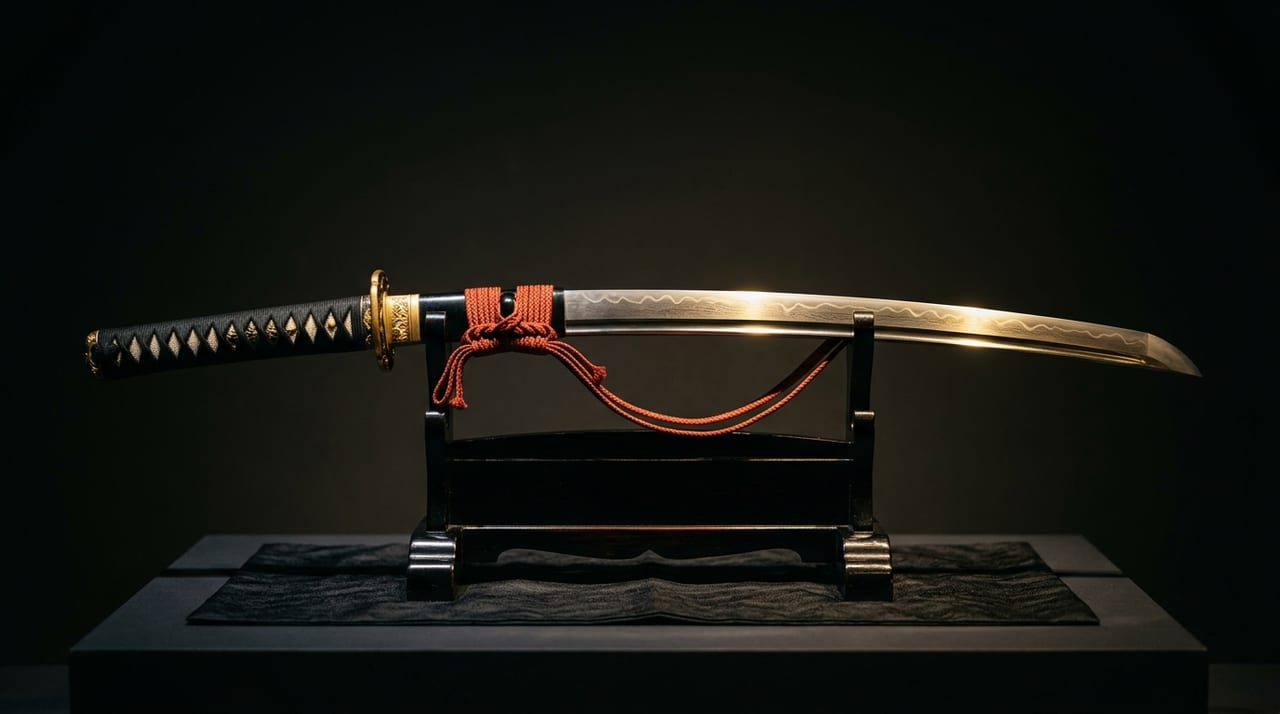
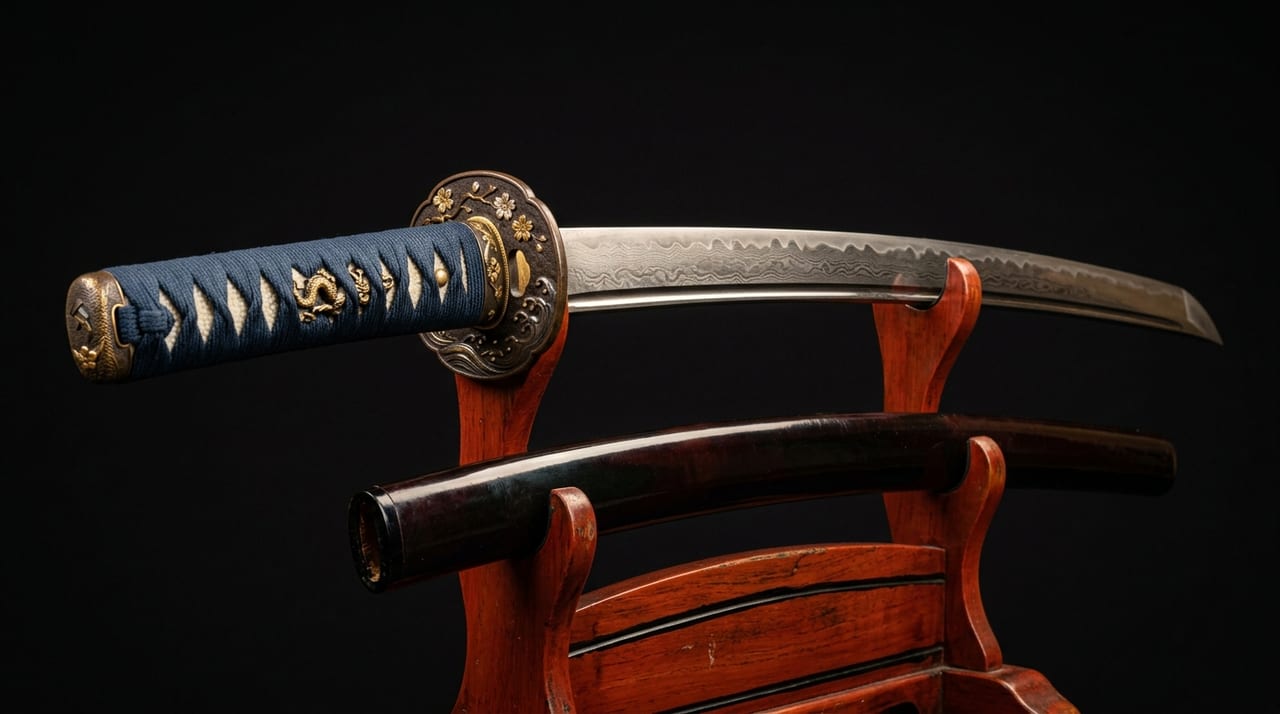
One aspect that cannot be overlooked when discussing swords of this era is the change in design of tōsōgu (koshirae). The extravagantly ornate koshirae that had reached its peak in the Genroku era (1688–1704) had been temporarily suppressed by the frugality edicts of the Shōtoku and Kyōhō eras, but from Genbun onward a decorative tendency began to revive once more. For the designs of tsuba, menuki, and fuchi-kashira, motifs drawn from Chinese classical stories and waka poetry in a literati aesthetic were favored, and metalworkers under the influence of the Higo metalworking tradition and the Gotō family produced intricate chased metalwork and inlay.
In terms of blade form, the shintō of this period inherited the slender profile with shallow sori that had prevailed since the Kanbun era, while blades with slightly increased sori in the "nakagoro kitae" style gradually came to be preferred. Among notable tōkō, smiths in Edo and Osaka belonging to the lineage of Echizen Daijō Fujiwara Kunitsugu were actively at work, and "regional shintō" (chihō shintō) that retained local characteristics while following the basic style of Edo Shintō were produced in large quantities.
The Codification of Warrior Etiquette and Sword-Wearing Protocol
The Genbun through Kan'en period was also an era in which the codification and formalization of warrior etiquette advanced. Under the dual-wheel policy of "martial arts" and "etiquette" that the previous shogun Yoshimune had promoted, etiquette education at domain schools flourished, and the forms of wearing swords — how to insert, sheathe, and present a sword to another person — were prescribed in detail. The regulations on wearing swords within Edo Castle (the types and lengths of swords permitted in the palace) had already become established custom in this era.
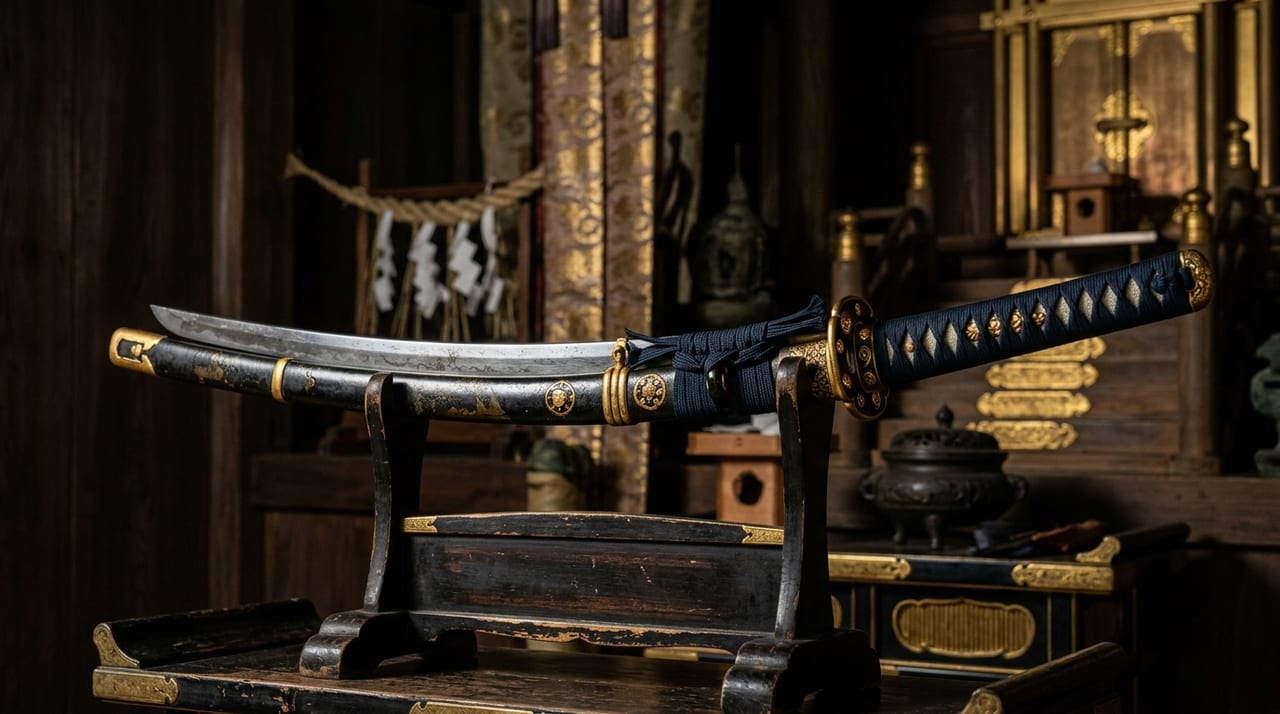
In particular, the proper use of ceremonial sword-wearing forms such as the gusoku tachi and shikidai zashi for audiences with the shogun and official occasions came to be recognized as an important element of warrior rank and prestige. The splendor of the koshirae and the grade of the sword (a signed sword, mumei, a substitute blade, and so forth) also functioned as markers of social standing. This codification of etiquette accelerated the process by which the sword was elevated from a mere weapon to a "credential of warrior status."
Trends Among Regional Tōkō: The Dual Structure of Goyō Kaji and Machi Kaji
The situation of regional tōkō during the Genbun through Kan'en period was fundamentally one of a dual structure between the central cities of Edo and Osaka and the castle towns of regional domains. Goyō kaji (official smiths) retained by the shogunate and domain lords were obligated to present a set number of swords per year in exchange for a stable stipend (rice allowance) and operated in a protected economic environment. Independent tōkō with no official patron (machi kaji) were exposed to market competition, and problems such as forging false mei of famous smiths also arose.
In the main regional production centers, smiths of the Kawachi and Settsu lineages in Osaka, smiths of the Naminohira lineage in Satsuma, and smiths of Echigo maintained their distinctive techniques while meeting the demands of their respective domains. The sword market from the Edo period through the Hōreki era had a complex structure in which these diverse production centers coexisted, and the increased economic fluidity following the Genbun recoinage further intensified competition among production centers. The sword culture of this era occupies an important place in the history of the Japanese sword as a bridge leading to the new period of flourishing in the Hōreki and Tenmei eras.
Practical Points to Note When Purchasing Swords of the Genbun, Enkyō, and Kan'en Eras
I would like to address questions frequently raised by readers who actually handle and consider purchasing swords of this era. Confirming the following points will help in determining period authenticity, distinguishing genuine pieces from fakes, and assessing condition.
- Checking the kanteisho: The kanteisho (appraisal certificate) issued by NBTHK is issued after experts carefully examine the period, region, and style of a sword, and serves as an objective means of confirming whether a sword can be placed in the Genbun, Enkyō, and Kan'en eras. By comparing the descriptions of period classification, regional tradition, and form (sugata) recorded in the kanteisho against the stylistic characteristics described in this article — such as "nakagoro kitae" and "regional shintō" — one can discern the degree to which the sword in question embodies the style of this era.
- Consistency with the koshirae (full tōsōgu) design: When a koshirae has been handed down together with the blade, examining whether the designs of the tsuba, menuki, and fuchi-kashira align with the literati aesthetic motifs and the tendency toward intricate chased metalwork and inlay described in this article can serve as a reference for historical verification. However, since there are many cases in which koshirae have been replaced in later periods, the production date of the blade cannot be determined solely from the style of the koshirae, and judgment based on the kanteisho should always take priority.
- Verifying provenance (goyō kaji or machi kaji): The difference in origin — whether a sword is the work of a goyō kaji or an unretained machi kaji — can sometimes be inferred from the provenance and the presence or absence of a box inscription (hakogaki) or accompanying letter. Swords for which a fitted box (tomobako) or records of former owners remain are of high documentary value as supporting evidence of provenance (denrai), and this is information one should confirm together with the kanteisho when considering a purchase.
- Checking the condition: Swords of this era have a strong character as art objects and ceremonial items, and examples with relatively little wear from use as practical swords can be found. It is desirable to confirm the presence or absence of edge chips and togi wear, as well as the condition of the nakago (tang), while comparing the descriptions in the kanteisho with the actual piece.