New Arrivals — Browse our catalog for the latest authentic Japanese sword arrivals. Browse →
Insights into Japanese sword knowledge and culture
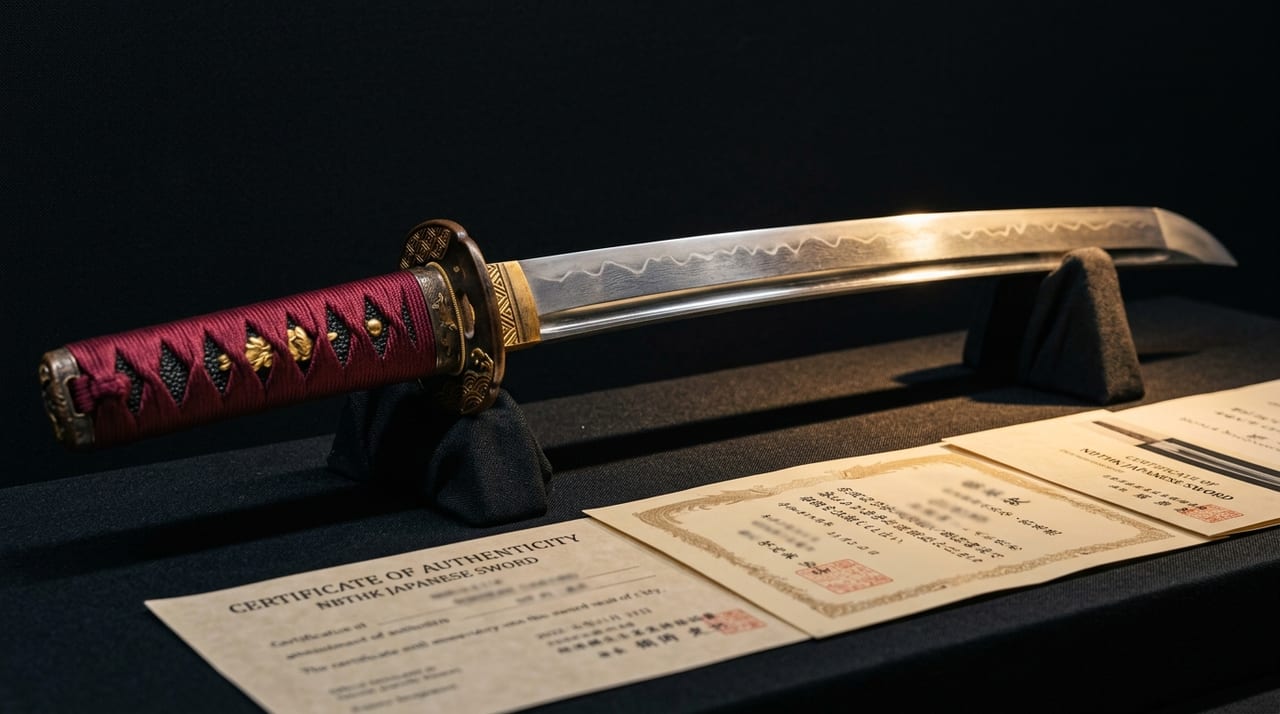
Counterfeit registration certificates persist in Japanese sword circulation. This article explains the modern authentication system involving industry organizations, appraisal agencies, and police, and its limitations.
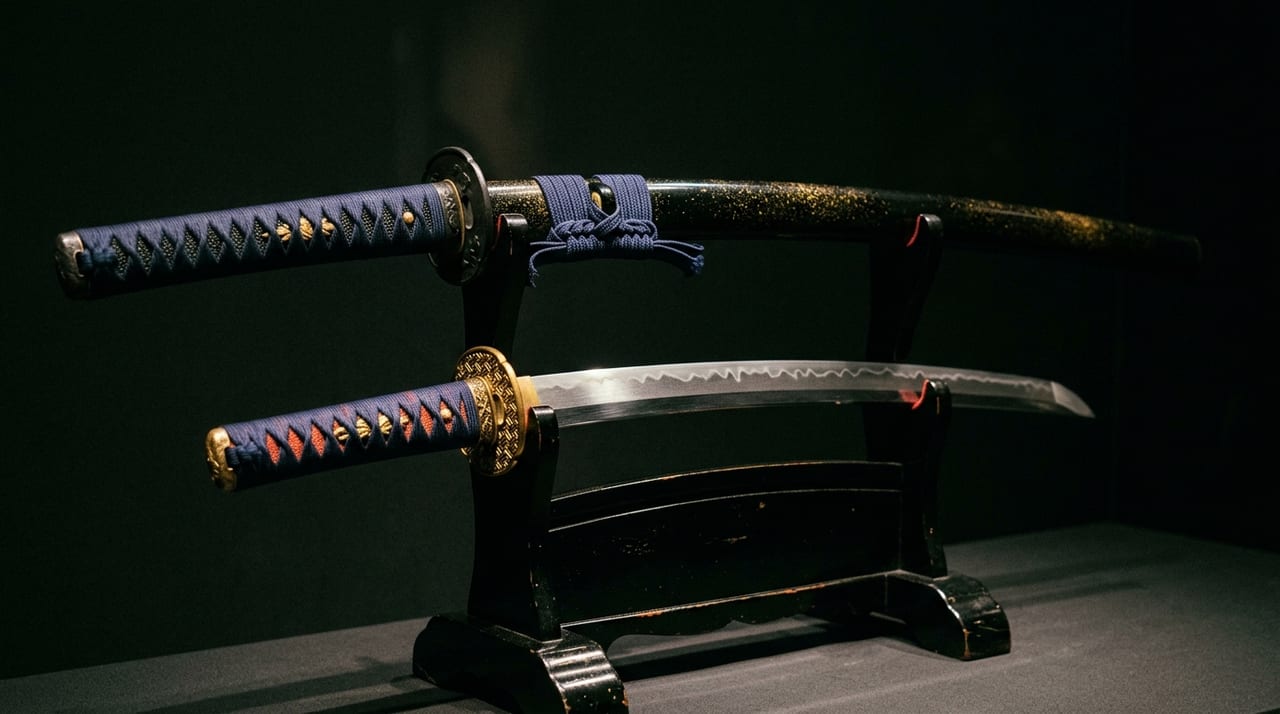
An explanation of the samurai daishō system and the social role of the wakizashi. Systematically introduces classification by blade length, characteristics of construction, and evaluation in the modern collector's market.
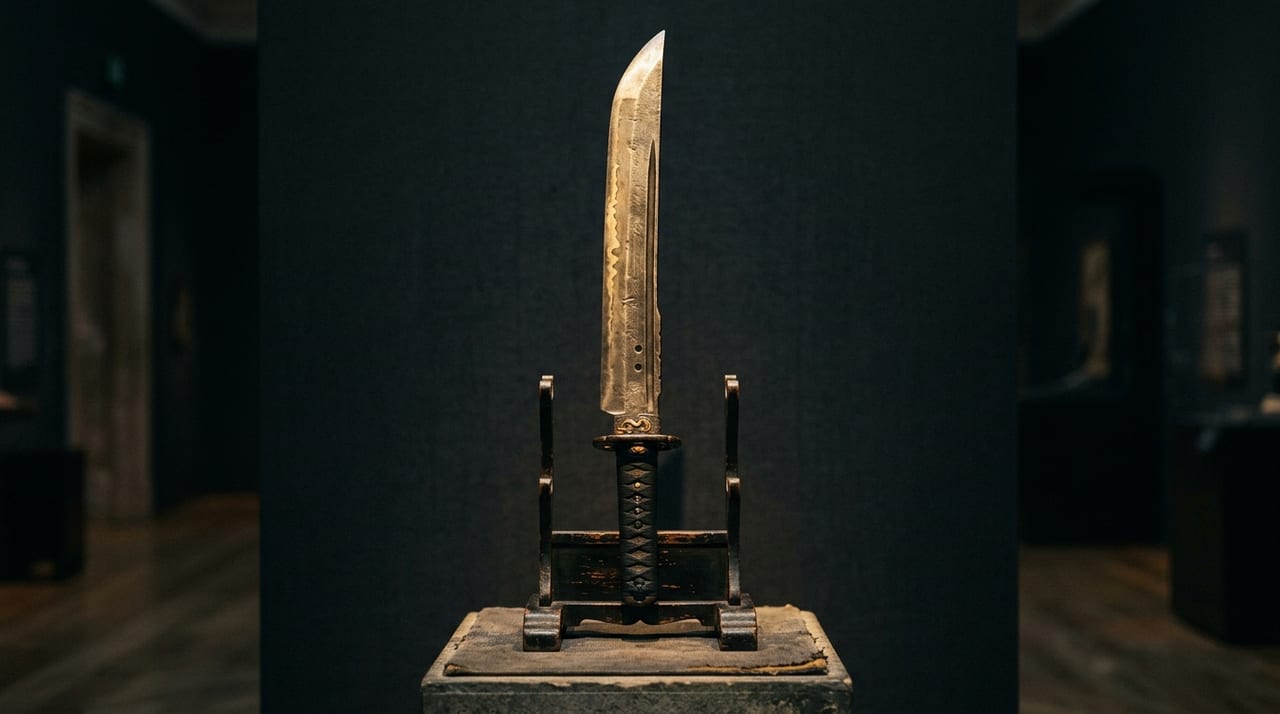
This article examines the Dotanuki, a heavy sword designed for cutting through armor in the late Muromachi and Warring States periods.
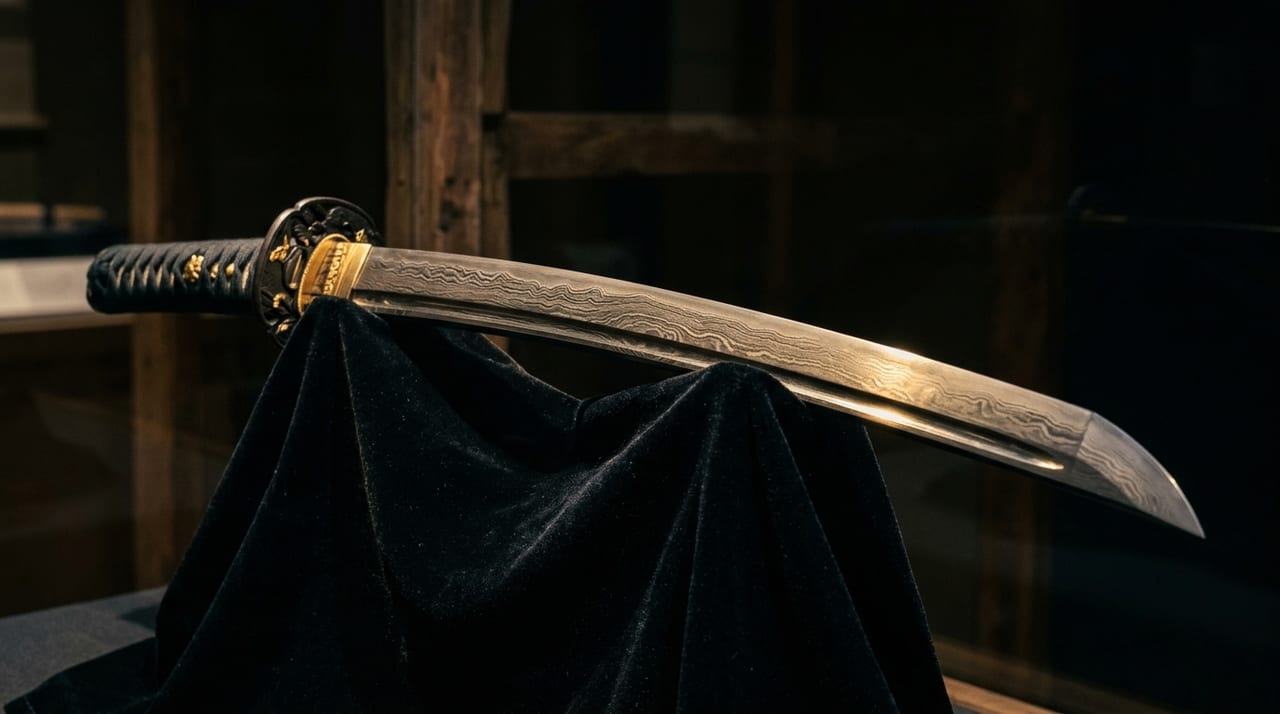
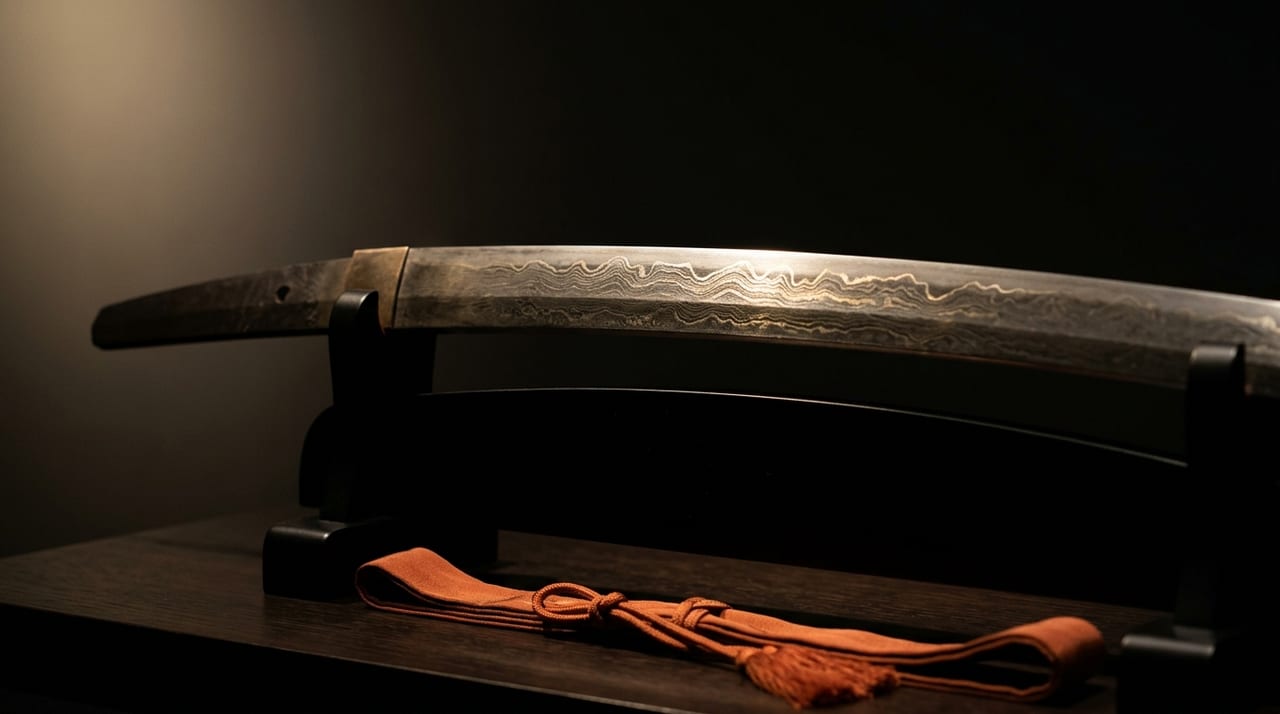
An exploration of Gassan Sadatoshi, the leading modern practitioner of the ancient Gassan school of swordsmithing. Covers the lineage of Gassan bladesmithing from the Heian period, the distinctive ayasugi-hada (waving wood-grain) technique, and how Gassan Sadatoshi carries this tradition forward in contemporary Japan.
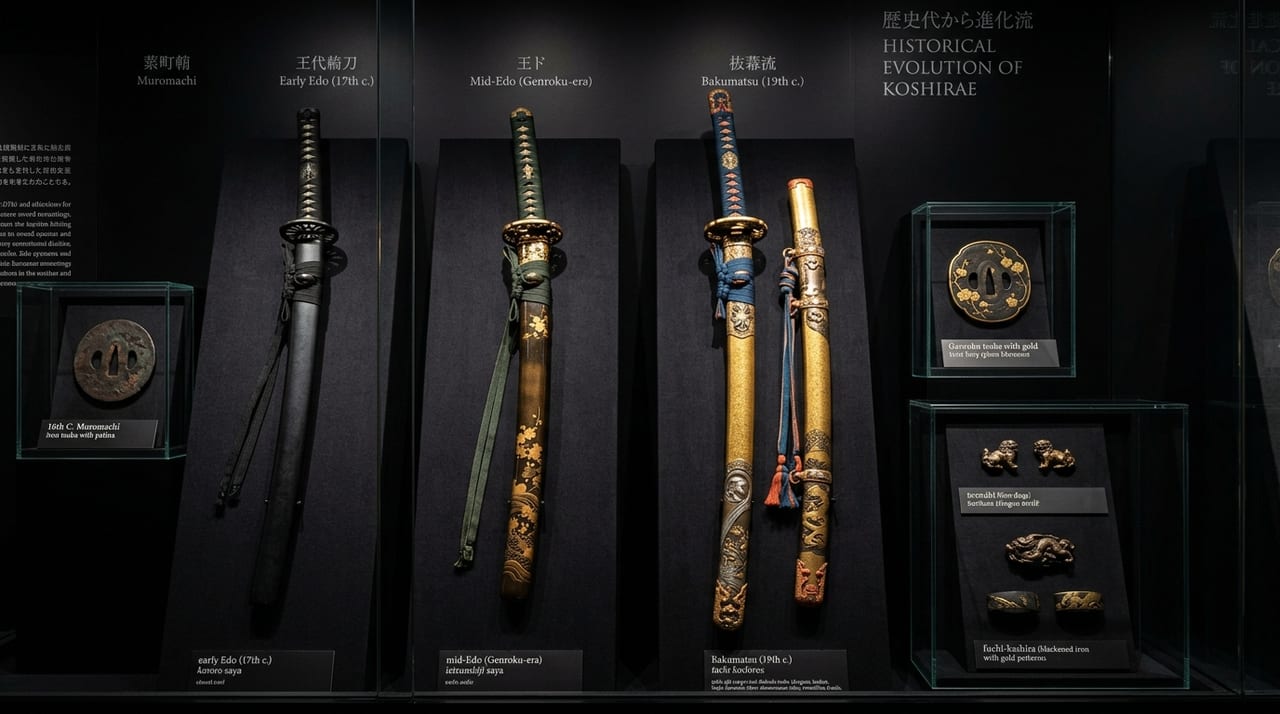
How the prosperity of the Genroku era (1688-1704) transformed sword aesthetics and fueled the flourishing of sword fittings craftsmanship.
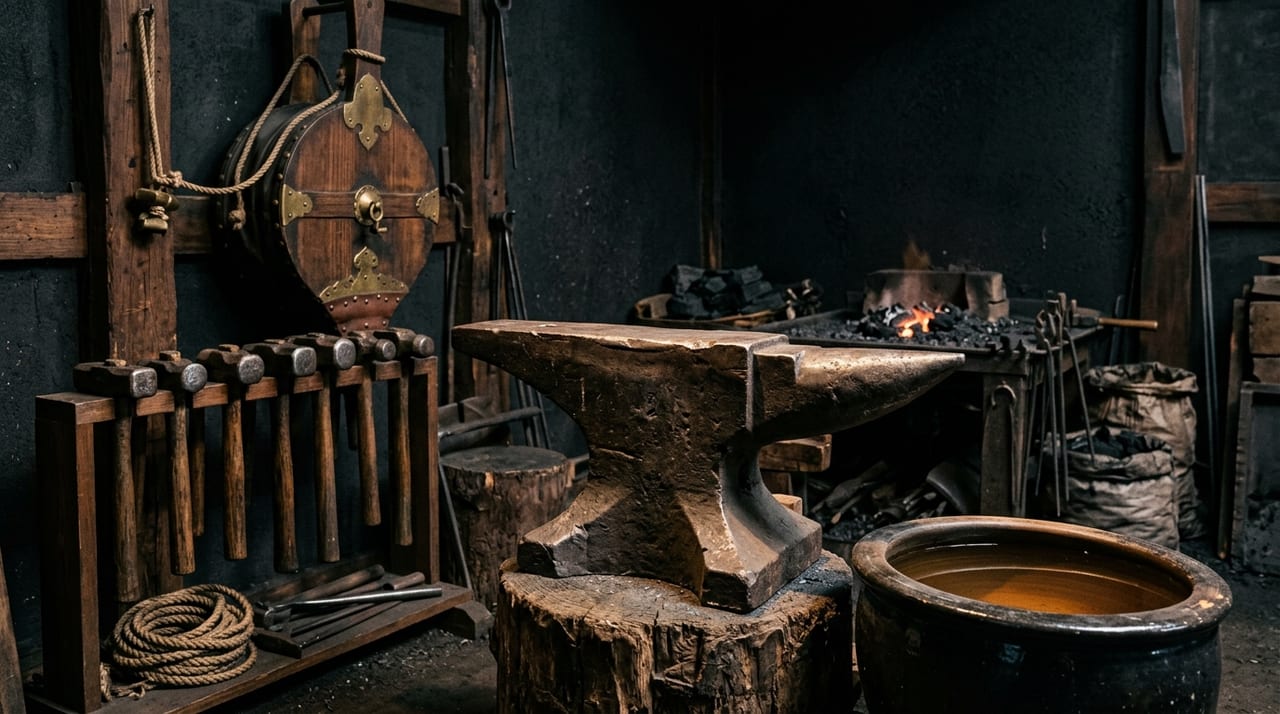
A detailed technical explanation of hizukuri, the hot-forging stage in Japanese sword making that shapes the sunobe blank into the final blade profile. Covers hammer techniques, temperature management, steel deformation mechanics, and how this stage influences the microstructure that later produces the hamon pattern.
An exploration of the extremely rare kakuuchi tanto, featuring a square cross-section, its historical context, and surviving cultural properties.
A comprehensive look at the history, evolution, and major types of naginata (Japanese glaives). Traces their origins as anti-cavalry weapons, their transformation into a symbol of women's martial arts in the Edo period, and their relationship with nihonto through the practice of naginata-naoshi conversion.
An exploration of how Japan's Nara-period ritsuryo government managed weapons and organized state-controlled sword production, including the Hyobu-sho ministry, the Tsukuritachi-no-Tsukasa workshop, and the blade forms preserved in the Shosoin imperial repository.
An in-depth look at how Japanese swords move from smiths and auctions to collectors and enthusiasts, covering the roles of wholesalers, trading companies, and specialist retailers in determining prices.
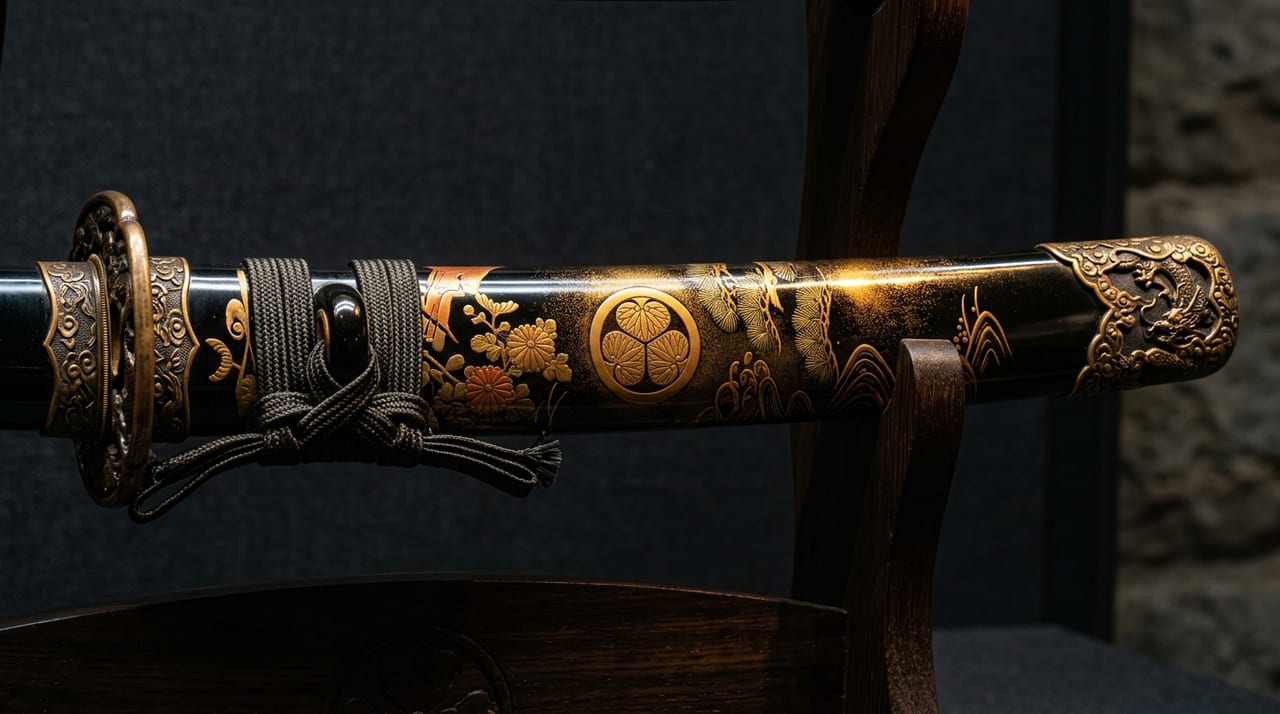
An explanation of the techniques, apprenticeship traditions, and modern-day survival of the Nurishi—specialists who lacquer sword scabbards and handles.
This article explains the polishing techniques for the shinogiji and hiraji surfaces of Japanese swords, covering whetstone selection stages and luster control methods.