Sword Systems of the Nara Period — Weapons Management and State-Run Tōkō Production Under the Ritsuryō System
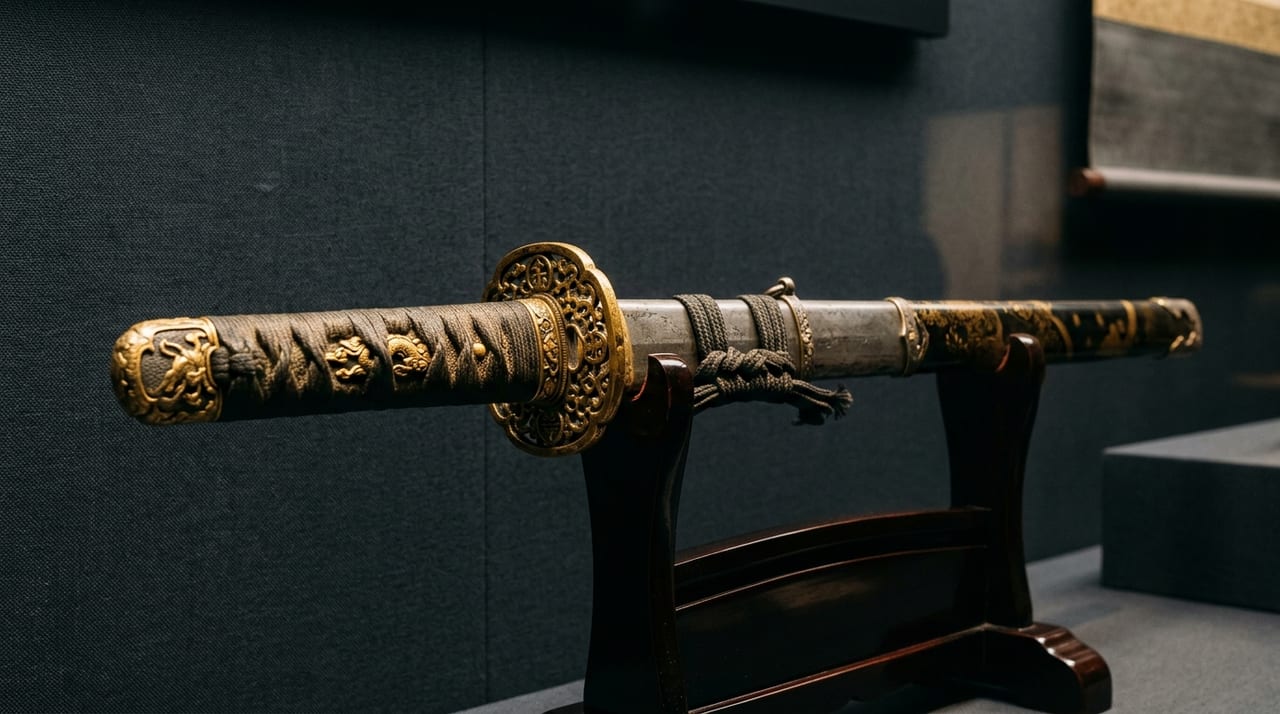 * Image is for illustrative purposes only.
Table of Contents
What Kind of Era Was the Nara Period — The Establishment of the Ritsuryō State
The Nara period (710–794) was an era in which the ritsuryō system, modeled on the legal framework of Tang China, functioned in full force in Japan. Under a legal system built on two pillars — the ritsu (Penal Code) and the ryō (administrative law) — a centralized state was established, and the systems of capital city planning, bureaucracy, and taxation began to function as a unified whole.
The swords of this period were predominantly chokutō (straight swords) — a form fundamentally different in shape from the wantō that would emerge in the later Heian and Kamakura periods, the curved swords with sori that led to the modern Japanese sword. Understanding the sword systems of the Nara period is also indispensable for grasping the process by which the chokutō gradually transformed into the wantō. The turning points of sword history must be read through both institutional and technological lenses.
To avoid confusion, it is worth restating the distinction between the two.
- Chokutō: a straight, single-edged structure in which the blade is upright with no sori
- Wantō: a structure with sori, which took shape from the Heian period onward
Most chokutō had a single-edged structure with a gentle shinogi (ridge line), and it is believed that the common method of carrying them was haiyō — suspended from the waist by a cord. The fact that this manner of carrying differed fundamentally from the later widespread practice of thrusting the sword directly through a sash is also an important characteristic to bear in mind when understanding Nara-period swords.
Weapons Management Under the Ritsuryō System — The Heikiritsu and State Control
Under the ritsuryō system, the manufacture, storage, and carrying of all weapons, including swords, were strictly controlled by the state. The Heikiritsu (Military Weapons Statute) established in the Taihō Code (701) and the Yōrō Code (enacted 757) explicitly prohibited private individuals from manufacturing or storing military weapons without authorization.
Particularly strictly controlled were military weapons such as the ishiyumi (crossbow), yoroi (armor), hoko (spear), saku (lance), and gusō (full equipment). For swords, a system was established that in principle prohibited ordinary commoners from wearing swords, with the right to carry them granted exclusively to kannin (officials) and military officers. This distinction was not merely a statutory provision but embodied the very order of social hierarchy.
Behind this state control lay the tense international situation of the time. After the defeat at the Battle of Hakusukinoe (663), Japan was acutely conscious of pressure from Tang China and Silla, and its diplomatic relations with Balhae were also entangled in complexity. Concentrating military power in the state and suppressing civilian armament was an indispensable policy from the standpoint of national security.
The controls imposed by the Heikiritsu are thought to have been more than mere regulations against private ownership of weapons. They are also considered to have carried a governance objective: preventing local clans and powerful figures from independently building up military strength, and working in concert with the system of local governance through kokushi (provincial governors) so that military power could be grasped centrally in a unified manner. The idea of defining the qualifications to carry a sword according to one's social rank would continue to exert influence on Japan's sword culture for a long time thereafter.
The Zōheishi — The State-Run Sword Production System
When speaking of sword production in the Nara period, the Zōheishi cannot be overlooked. This government office, placed under the Hyōbushō (Ministry of Military Affairs), was solely responsible for the manufacture of military goods including swords, bows, arrows, and armor. In that the state directly controlled production, this was a system fundamentally different from the work of private tōshō in later ages.
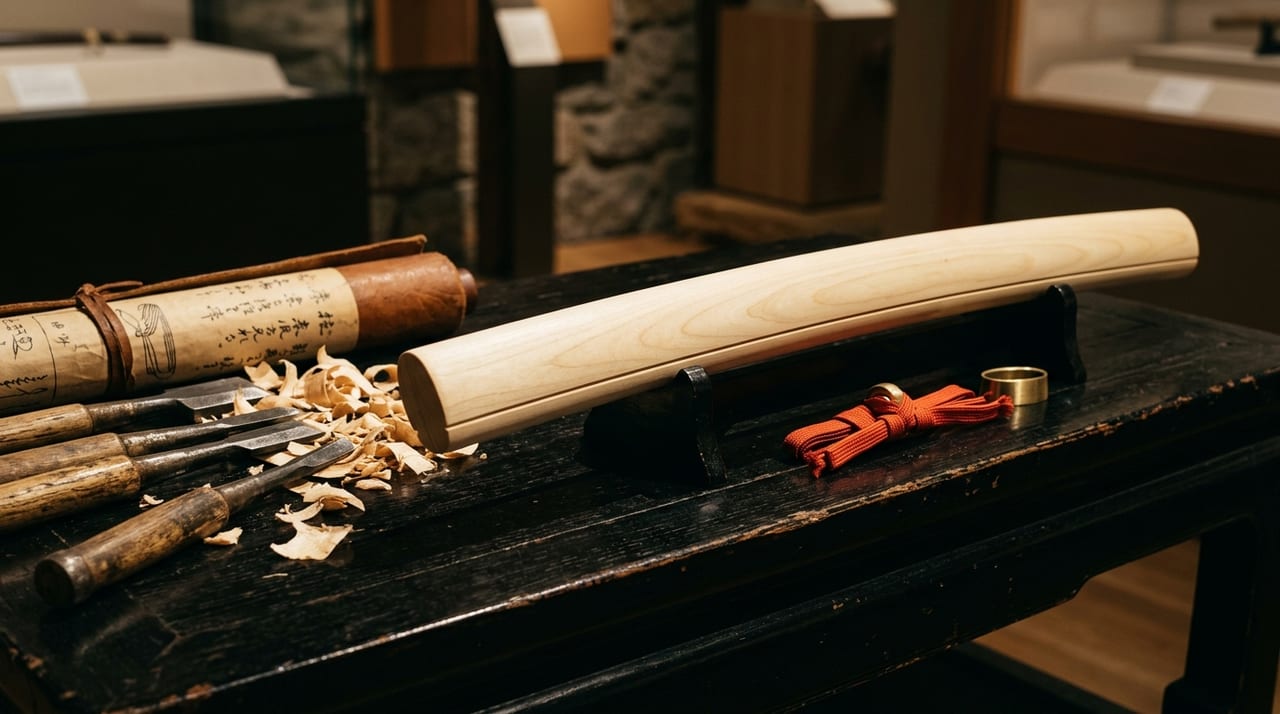
In the Zōheishi, craftsmen called tōkō were employed with official status and mass-produced swords under state supervision. Rather than spending a long period on a single blade as individual tōshō of later ages did, they operated as a group of craftsmen gathered in workshops under a division-of-labor system. It was a system in which ensuring uniform quality and production volume was the priority.
The Zōheishi workshops were located in the capital, where they are thought to have integrated raw materials and labor gathered from across the provinces for production. While the possibility that some weapons were also produced in regional areas has been noted, the central production base that stably met the specifications and quality required by the state is considered to have been the state-run workshops at the center.
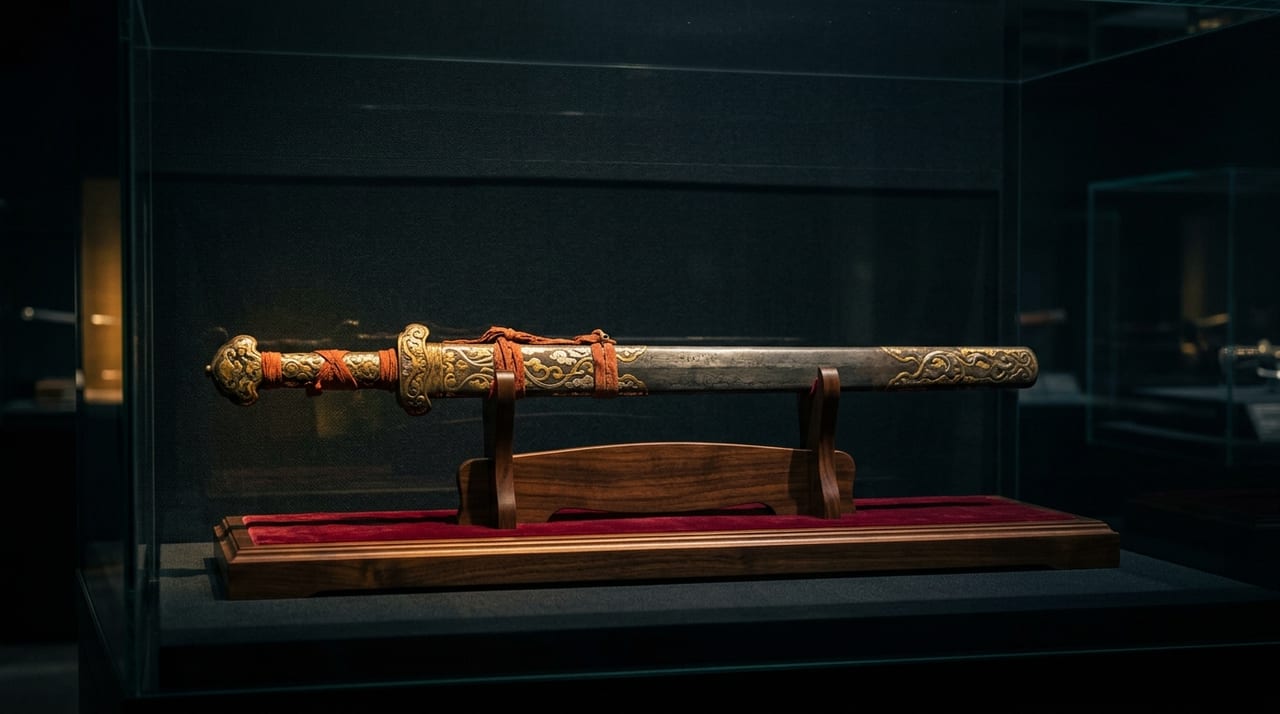
The Shōsōin preserves actual tōsu (small knives), tachi, and swords from the Nara period, conveying to the present day the high level of manufacturing skill of the time. Works adorned with gold decoration and inlay techniques vividly demonstrate the character of swords as ishinzai (prestige goods) that went beyond purely functional weapons. The meaning the state invested in swords extended across both practicality and symbolism.
As these surviving examples make clear, Nara-period swords almost never circulate in today's market in a form that private individuals can own or buy and sell. The reality is that only a small number that have been handed down through the Shōsōin and shrines and temples are preserved as cultural properties; what sword enthusiasts and collectors can actually handle today is, in most cases, work produced in the period after the Heian era, when swords developed into a style with sori. Nara-period chokutō themselves are positioned solely as objects for preservation and scholarly study in museums and as cultural properties.
The Nobility and Swords — Sword-Wearing as Part of Formal Dress
For the nobility and officials of the Nara period, swords were at once weapons and "part of formal ceremonial dress (reisō)." Wearing a tōsu or tachi when attending court ceremonies or visiting the palace had become established not as a display of martial power but as an act expressing one's social rank and propriety.
In formal court ceremonies, hosodachi and yokodachi were used, and this was codified in the dress regulations of the ritsuryō. The decoration of swords — saya and tsuka in gold, silver, or lacquer — functioned as signs that visually expressed the rank and status of the wearer. The degree of decorative splendor and the difference in materials directly reflected the hierarchy of official rank.
Yokodachi and hosodachi are considered to have been positioned not so much as weapons designed for actual combat but as items fit for ceremonial wear. The fact that the types of swords and their decoration permitted to be worn were minutely specified according to court rank and official post tells us that the ritsuryō state made use of swords as a device for visually making the social order visible.
Nara-Period Artifacts and Their Legacy to the Present
Many of the swords stored in the Shōsōin remain in good condition even after approximately 1,300 years. Decorated swords such as the Kingindenso Kara no Tachi are valuable evidence that speaks to the refined aesthetic sensibility of the court of the time and the richness of international cultural exchange through the Silk Road.
The sword systems of the Nara period are positioned as a precursor to the rise of the "samurai" in the subsequent Heian period and the formation of a distinctive sword aesthetic. As the ritsuryō system loosened and armed forces in regional areas rose to prominence, the meaning of swords underwent a major shift — from "weapons managed by the state" to "objects that embodied the individual identity of the samurai." The starting point of this transformation lies in the sword systems of the Nara period.
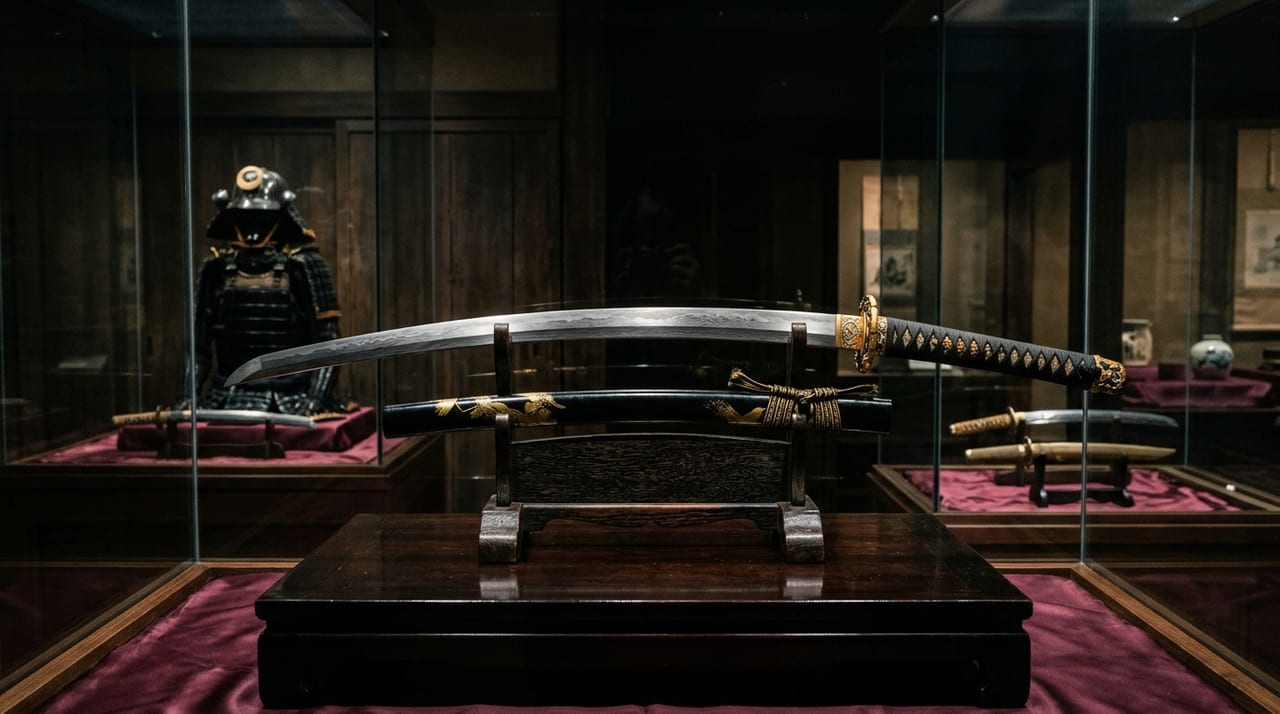
Most Japanese swords that circulate today with a kanteisho (appraisal certificate) were made in the era that followed — the era in which blades came to possess sori and in which the samurai as bearers of swords greatly transformed their meaning. In that sense, the Nara-period chokutō is the starting point for tracing the lineage of the Japanese sword, and as a prehistory accessible through textbooks and exhibitions, it continues to be consulted to this day.