Dotanuki: The Heavy Armor-Cutting Sword of the Late Muromachi Period
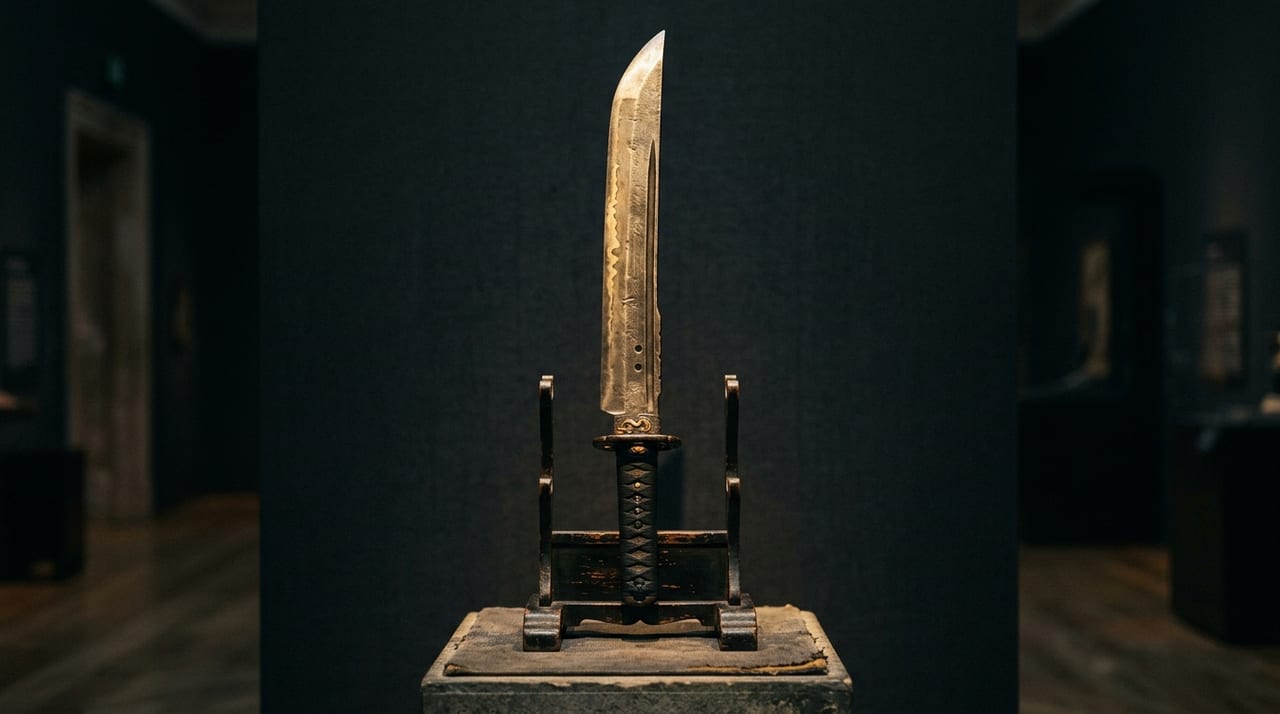 * Image is for illustrative purposes only.
Table of Contents
What is dotanuki? — The Etymology and Definition of the Name
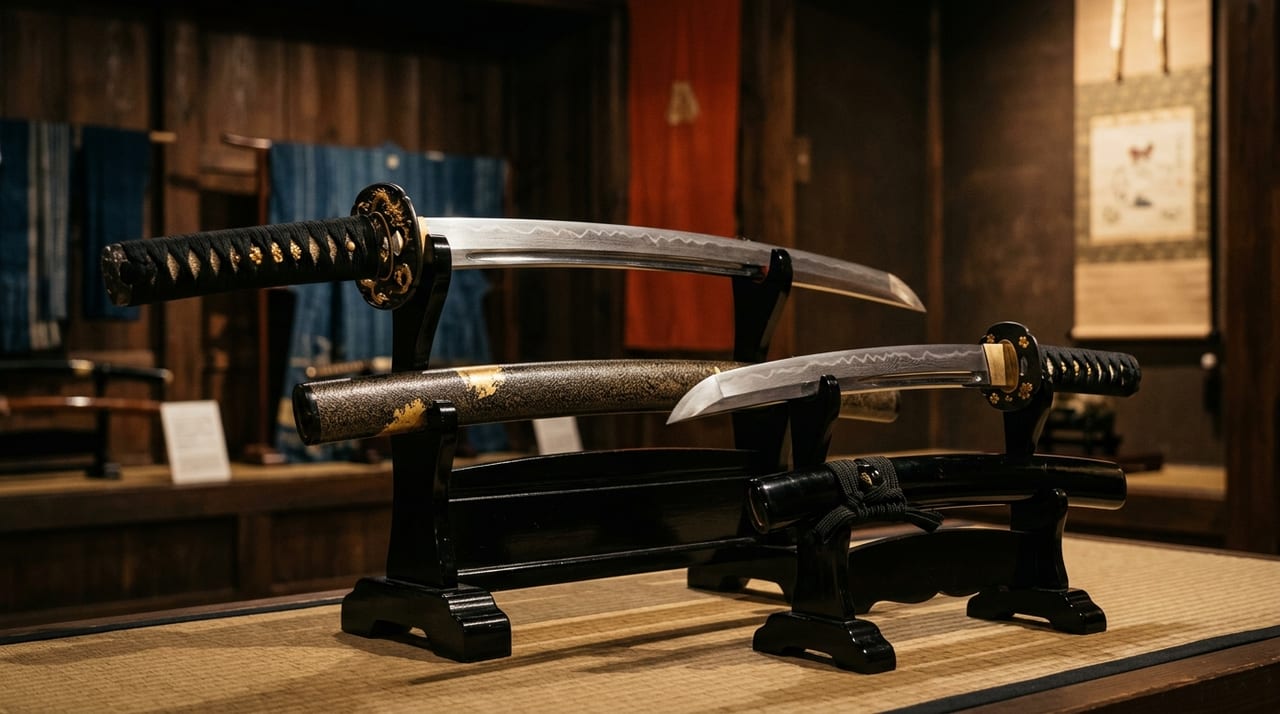
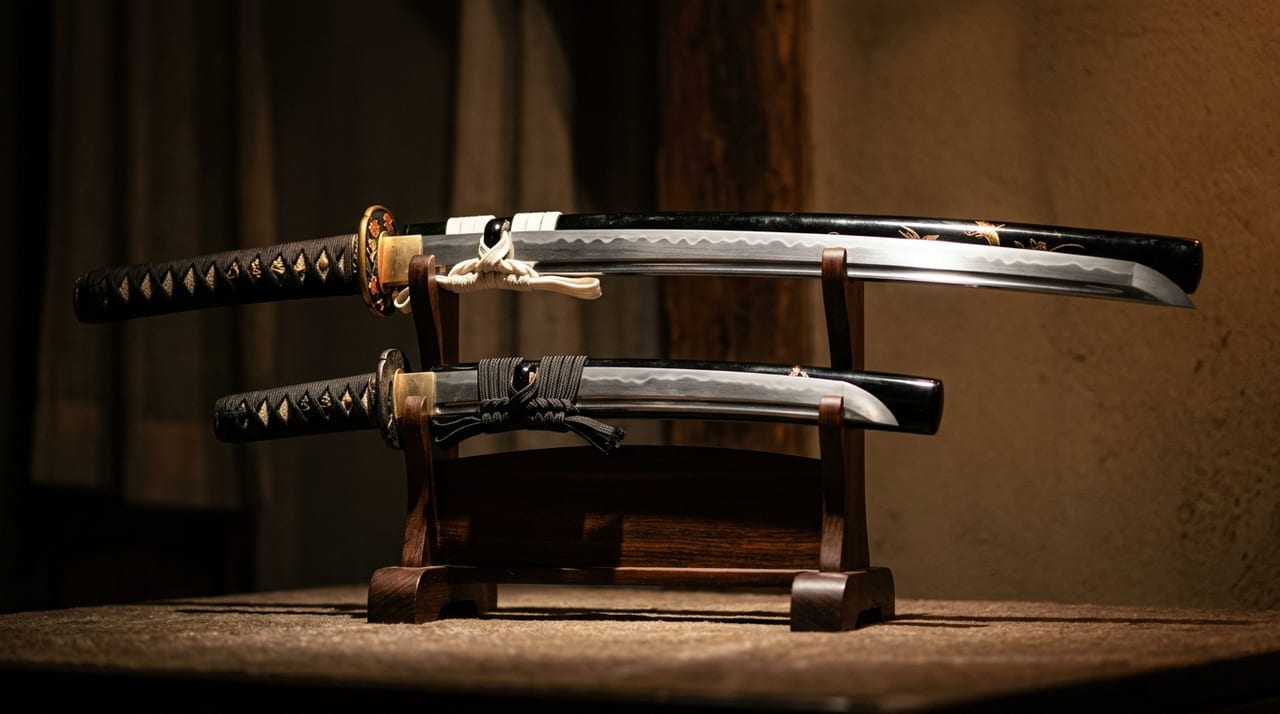
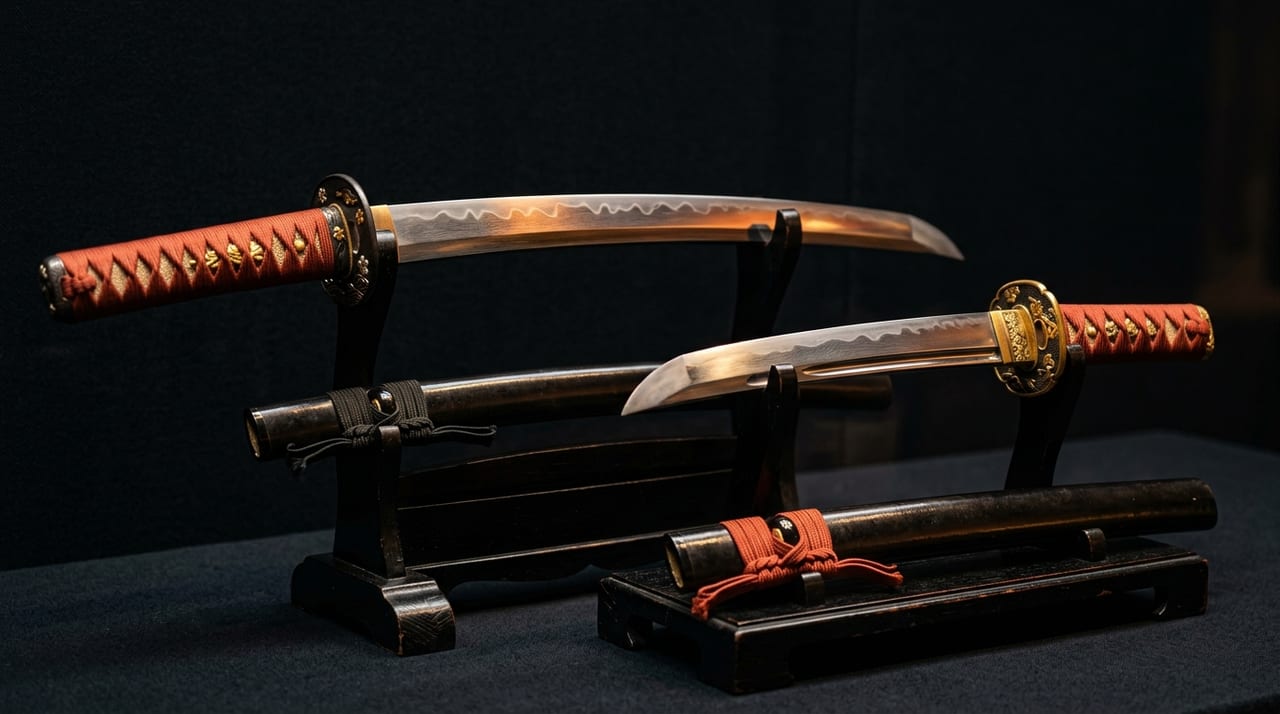
"Dotanuki (胴太貫)" is a term that in modern times is primarily known through period dramas and sword fiction as referring to "heavy and sturdy practical combat swords," but its historical reality is shrouded in many misconceptions and legends. This article aims to clarify the true nature of dotanuki based on historical documents and research on existing swords.
First, regarding the etymology of the name. The interpretation that the "do" in "dotanuki" refers to the do (torso portion) of armor, "tai" refers to a thick and heavy blade, and "nuku" means to pierce through or sever, is the leading theory. In other words, it means "a sword that pierces through the armor's do." As armor performance improved from the late Muromachi through the Sengoku period, specialized swords designed to overcome that defense were in demand, providing the background for this nomenclature.
In the context of sword history, dotanuki was used more strongly as a colloquial name for uchigatana and tachi with robust construction, rather than as the name of an independent "school" or "type." The term "dotanuki" appears in Edo-period sword texts, but there is no consistent morphological definition; it was often used with the nuance of "heavy-cutting practical combat sword."
Morphological Characteristics of dotanuki
Several common characteristics are observed in the forms of swords that were called, or may have been called, "dotanuki."
- Motokasane (base thickness) is thick. While ordinary uchigatana have a motokasane of approximately 2.5–3mm, swords evaluated as dotanuki often possess a motokasane of 4mm or more, sometimes exceeding 5mm. This thickness increased the blade's weight and rigidity, amplifying impact damage to gaps in armor and to bone.
- Blade length is somewhat longer. Many are characteristic of intermediate lengths between the full length of tachi (2 shaku 5 sun or more) and uchigatana length (approximately 2 shaku to 2 shaku 4 sun) — specifically falling around 2 shaku 3 sun to 2 shaku 6 sun.
- Shinogi-zukuri with a high shinogi ridge is a tendency. A high ridge strengthens the blade's rigidity over its sharpness, producing a structure less prone to breakage even when struck against hard armor. Some examples have cross-sections close to kirikiba-zukuri.
- Sori (curvature) is relatively shallow, with a design prioritizing maneuverability in close combat. This characteristic suggests use methods more aligned with close-range fighting on foot than with tachi swung from horseback.
Swordsmiths Credited with Making "dotanuki"
While multiple swordsmiths are recorded historically as makers of "dotanuki," among the most famous is the Higo swordsmith collective. From the early Edo period, some of the swordsmiths active in Higo Province (present-day Kumamoto Prefecture) were known for manufacturing practical, heavy-duty swords, collectively called "Higo dotanuki." One theory suggests that Kato Kiyomasa's retainer corps' preference for utilitarian sword culture fostered this tendency.
Additionally, the Satsuma Namihira-line swordsmiths are sometimes discussed in relation to "dotanuki" as producers of heavy, practical combat swords. The warrior culture of south Kyushu prioritized practicality above all else in slaying armored enemies, and combined with Satsuma Jigenryu swordplay, there was demand for blades suited to a combat method of delivering heavy sword strikes in a single downward swing.
Research also notes that among Bizen and Osafune swordsmiths, swords with dotanuki characteristics were produced, particularly in the context of late Muromachi kazuchi (mass-produced) swords. However, primary historical sources documenting specific master smiths as "dotanuki specialists" are sparse; in most cases, it is more accurate to say "they happened to forge swords with dotanuki characteristics."
Kato Kiyomasa and dotanuki — Connections to Heroic Legend
The moment when "dotanuki" most vividly impressed itself on modern memory was likely through legends surrounding Kato Kiyomasa. The founding daimyo of Higo Kumamoto Han and known for the bold episode of tiger hunting during the Korean campaigns (Bunroku and Keisho campaigns), Kiyomasa has been remembered as a "warrior fond of heavy, long magnificent blades."
In some documents, a "dotanuki" appears among the swords said to have been favored by Kiyomasa, and this association spread through popular narratives and mass culture from the Edo period onward. Kumamoto Castle's displays include large swords connected to Kiyomasa, strongly imprinting the "Higo dotanuki" image on visitors.
However, among existing swords, few examples can be definitively confirmed as "Kiyomasa's dotanuki," and most likely represent fukkai — later attributions using the hero's name. Sword researchers urge caution in connecting heroic legends to actual swords.
Contemporary Evaluation and Collection of "dotanuki"
In the sword market, blades bearing the name "dotanuki" maintain steady popularity due to the image of practical, magnificent swords. The imposing presence of heavy, thick blades appeals aesthetically, and combined with heroic legends, they draw strong collector interest.
However, there are points to note. As mentioned, "dotanuki" is not a clearly defined style name; in genuine sword appraisal, it is more accurate to use specific morphological expressions such as "uchigatana with thick motokasane" or "robust short tachi-type blade." The NBTHK (Society for the Preservation of Japanese Art Swords) does not include "dotanuki" as an official classification in its evaluations.
Modern swordsmiths also receive requests to forge "dotanuki" by commission, demonstrating that demand for robust practical swords remains alive today. Among tameshigiri (test-cutting) enthusiasts, dotanuki-type swords are chosen for their practical evaluation—"thicker blades show higher durability when severing bone-in tatami targets"—showing their continued utility.
What dotanuki Tells Us — Between Utility and Beauty
Tracing the history of dotanuki reminds us anew that the Japanese sword is an object with a dual nature: both "work of art" and "weapon." The heavy practical combat swords born in the harsh battlefields of the late Muromachi period have been colored by heroic legends amid Edo's peace, and in the modern era continue to live new lives as symbols of sword culture.
"Strength over beauty" — the spirit of utility — and the sword's value as "an embodiment of historical weight": dotanuki represents both, a being that conveys the profound depth of Japanese sword culture. TOUKENIZA offers a diverse array of Japanese swords, including dotanuki, for viewing online. Please check our list of exhibited swords.