Nouveautés — Découvrez les dernières arrivées dans notre catalogue. Voir →
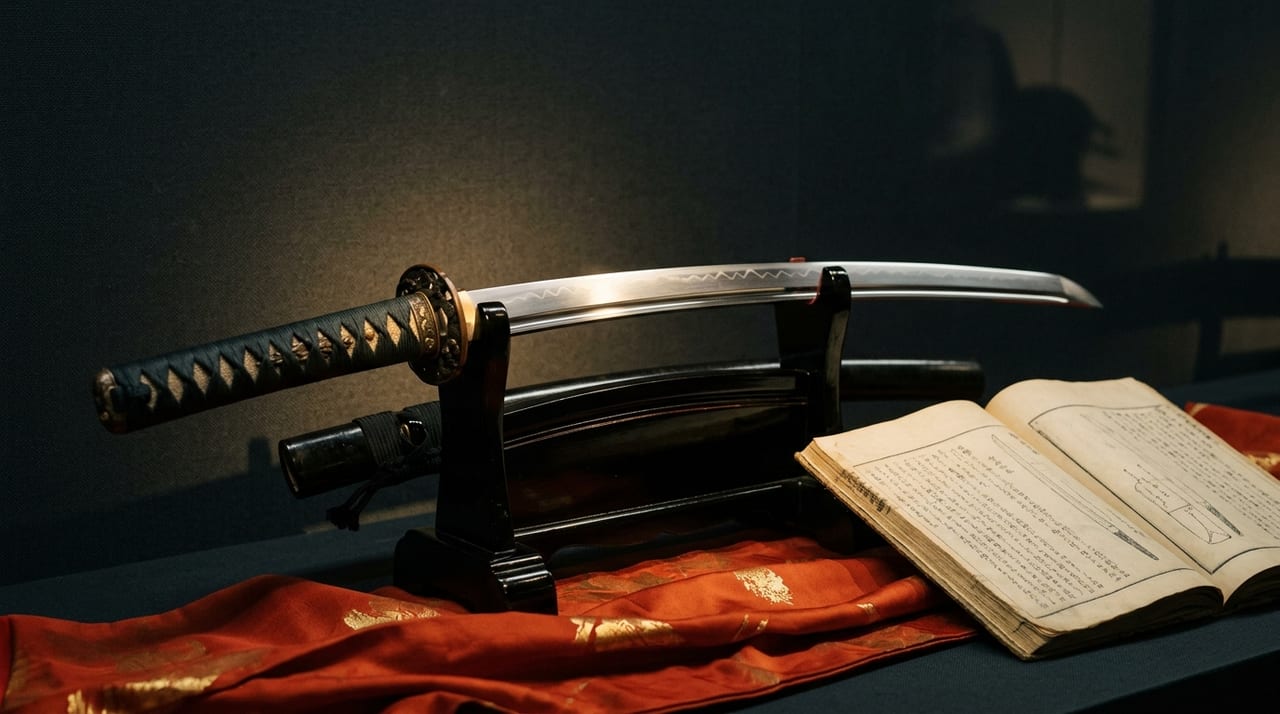
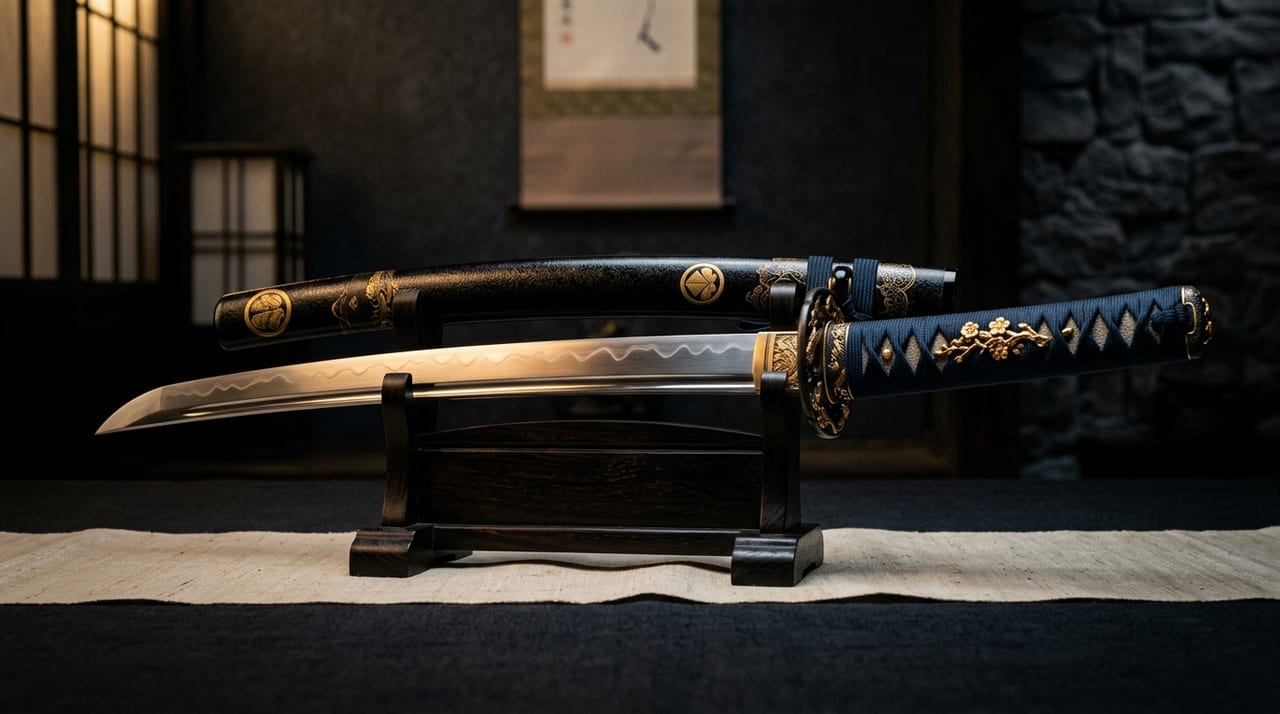
Aperçus sur les connaissances et la culture du sabre japonais
A comprehensive overview of Japan's modern swordsmith licensing system: the Agency for Cultural Affairs certification examination, prefectural sword guild registration, the structure of the All-Japan Swordsmith Association, and the technical criteria for achieving Mukansa (unjuried) status.
How the explosive demand for swords in the Sengoku period transformed production: the distinction between mass-produced kazuuchi and custom-ordered pieces, the arming of ashigaru foot soldiers, and the rise of regional production centers including Bizen Osafune.
A systematic overview of Imperial Japanese military swords of the Showa period: the structural differences between Type 94 and 98 officer swords and the Type 95 NCO sword, the roles of Yasukuni smiths, army-designated smiths, and civilian smiths, and the fate of military swords after GHQ confiscation.
A systematic comparison of tachi and uchigatana: edge orientation (tachi edge-down, uchigatana edge-up), wearing method (tachi suspended vs. uchigatana thrust through belt), location of curvature (koshi-zori, naka-zori, saki-zori) and its relationship to combat style, and the historical transition between the two types.
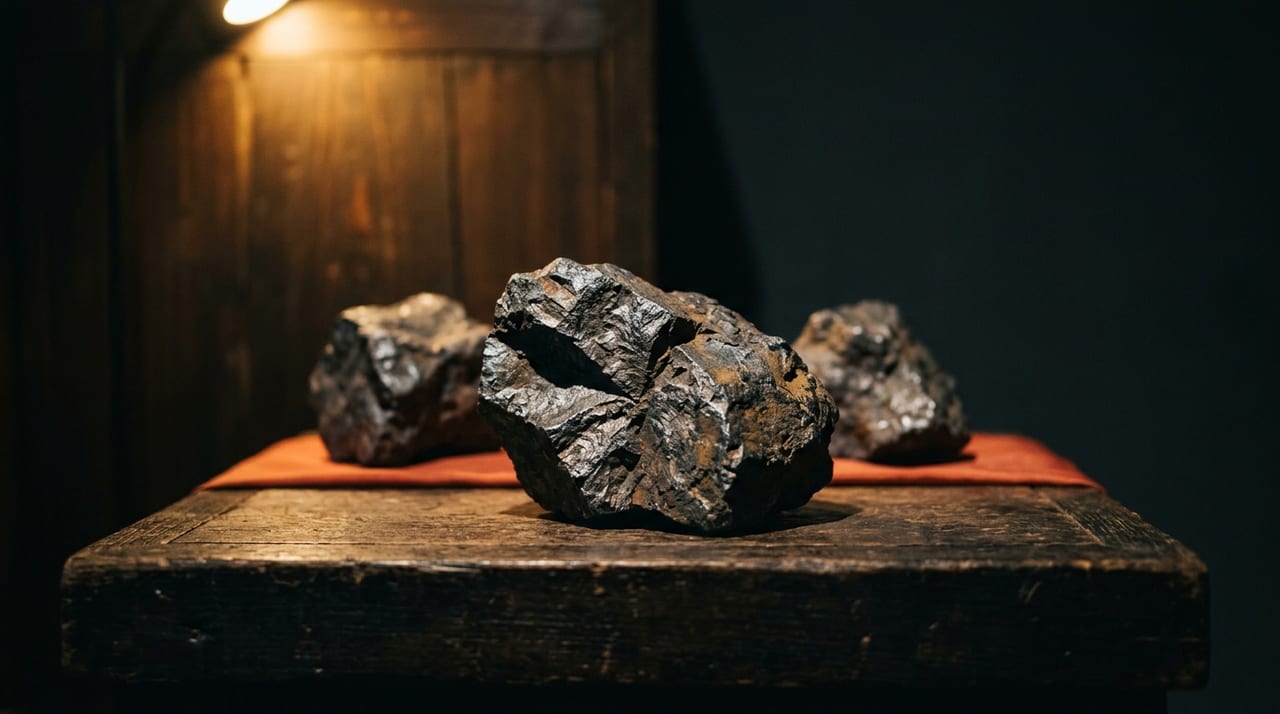
This article explains the manufacturing process of tamahagane (jewel steel), the raw material used in Japanese swords, and the technical system of tatara ironworking that produces it. It details the mechanisms of the bellows (tatara) that produce tamahagane from iron sand, the 72-hour continuous operation, the structure of the furnace (kerajou), the selection and carbon content management of tamahagane, and the Nittouhoutatsara, the only modern production site.
Systematic classification of tanto by blade construction: hira-zukuri, shinogi-zukuri, double-edged (ryoha-zukuri), and saki-zori profiles, the definition of sunnobi tanto, the yoroi-doshi (armor-piercer) and its form, and representative examples by period.
This article examines the sword culture of Sendai cultivated by Date Masamune, the last conqueror of the Sengoku period, from the perspectives of beloved blade traditions, the lineage of Sendai domain sword smiths, and artifacts held by the Sendai City Museum. It explores what the greatest daimyo of northeastern Japan sought in swords and where his cultural legacy can be seen in Sendai today.
The morphological evolution of Edo-period shinto blades from Keicho robust forms (1596–) through Genroku expansive swagger (1688–) to Horeki-Meiwa restrained precision (1751–). Measurement-based comparison of blade width, kissaki, curvature, and cross-section by era and production center (Edo/Musashi, Osaka, Kyoto/Yamashiro).
An analysis of early Japanese sword morphology from the 9th–10th centuries: koshi-zori curvature, slender width ratios, and ko-kissaki point geometry. How the physical characteristics of proto-tachi reflect the era's forging capabilities and battlefield requirements.
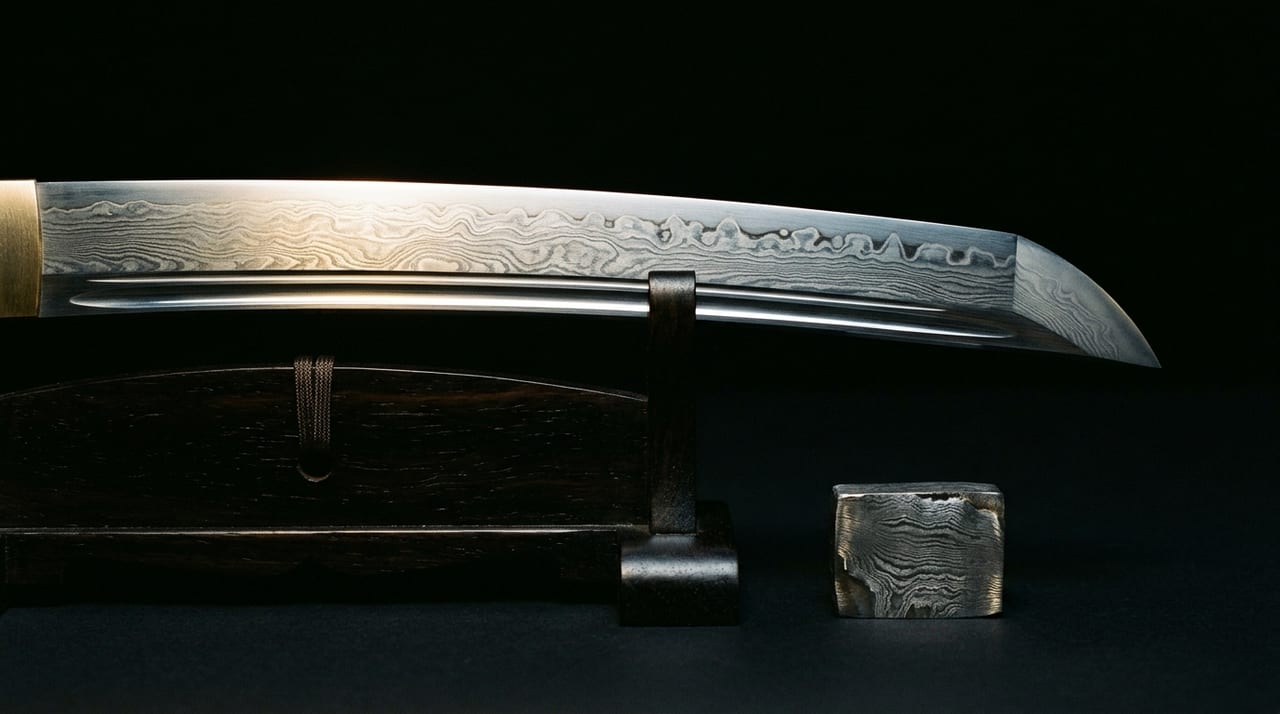
A detailed explanation of the "hidzukuri" process, in which forged steel is hammer-shaped into sword form. Covers techniques such as soshinobe, muneuchi, hatori, and curvature methods performed by master blacksmiths, explained with scientific foundation.
The morphological signatures of Kamakura-period tachi: inokubi-kissaki geometry, robust width proportions, and nie-deki surface activity. How blade shape evolved across early, middle, and late Kamakura in response to warfare, patronage, and technical innovation across the Bizen, Yamashiro, and Soshu traditions.
The group called "iron masters (kanashi)" undertook the tatara iron smelting that produced "tamahagane," the material of Japanese swords. This article explains the history of the organization, management, and technology of iron masters that developed primarily in the Chugoku Mountains, as well as their complex relationships with sword makers.