Nouveautés — Découvrez les dernières arrivées dans notre catalogue. Voir →
Aperçus sur les connaissances et la culture du sabre japonais
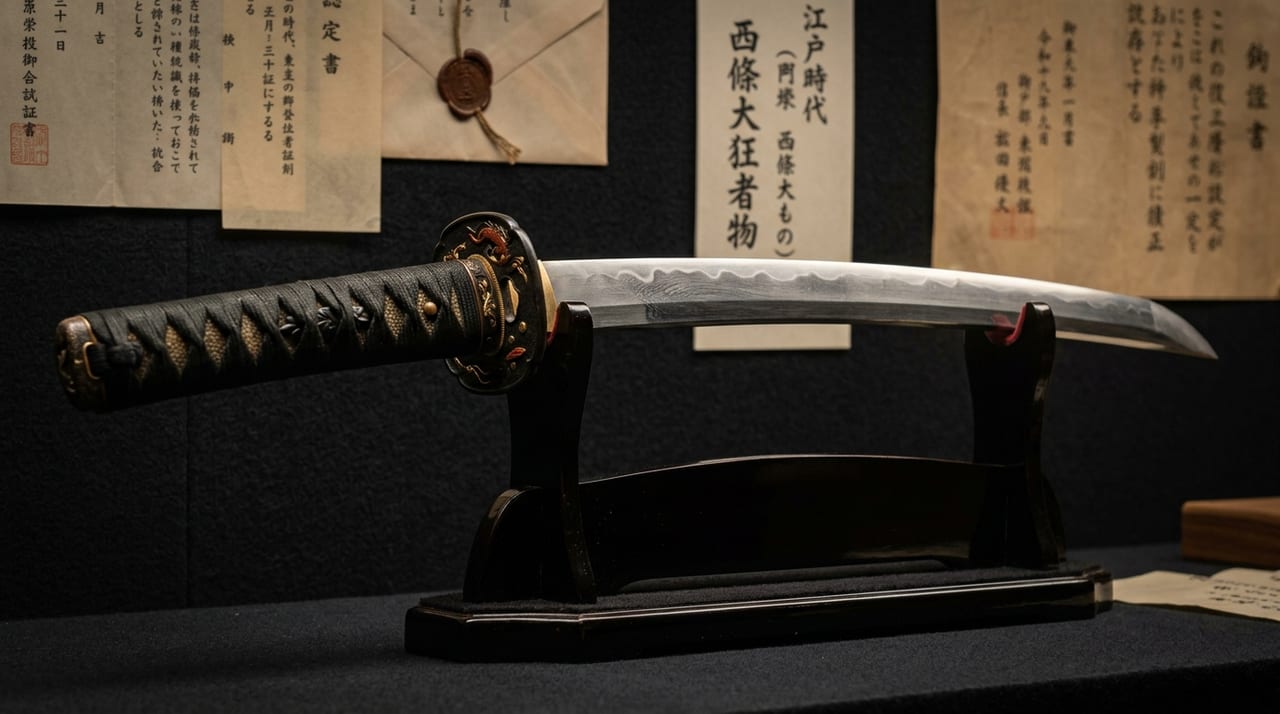
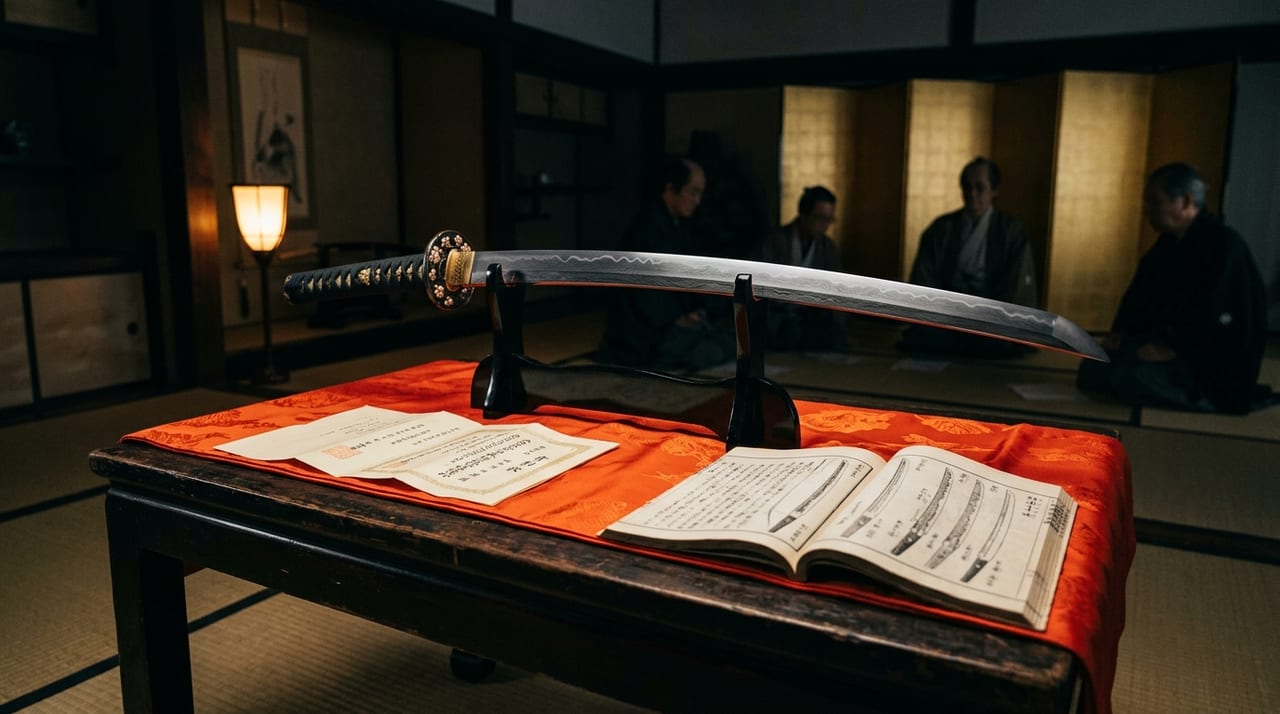
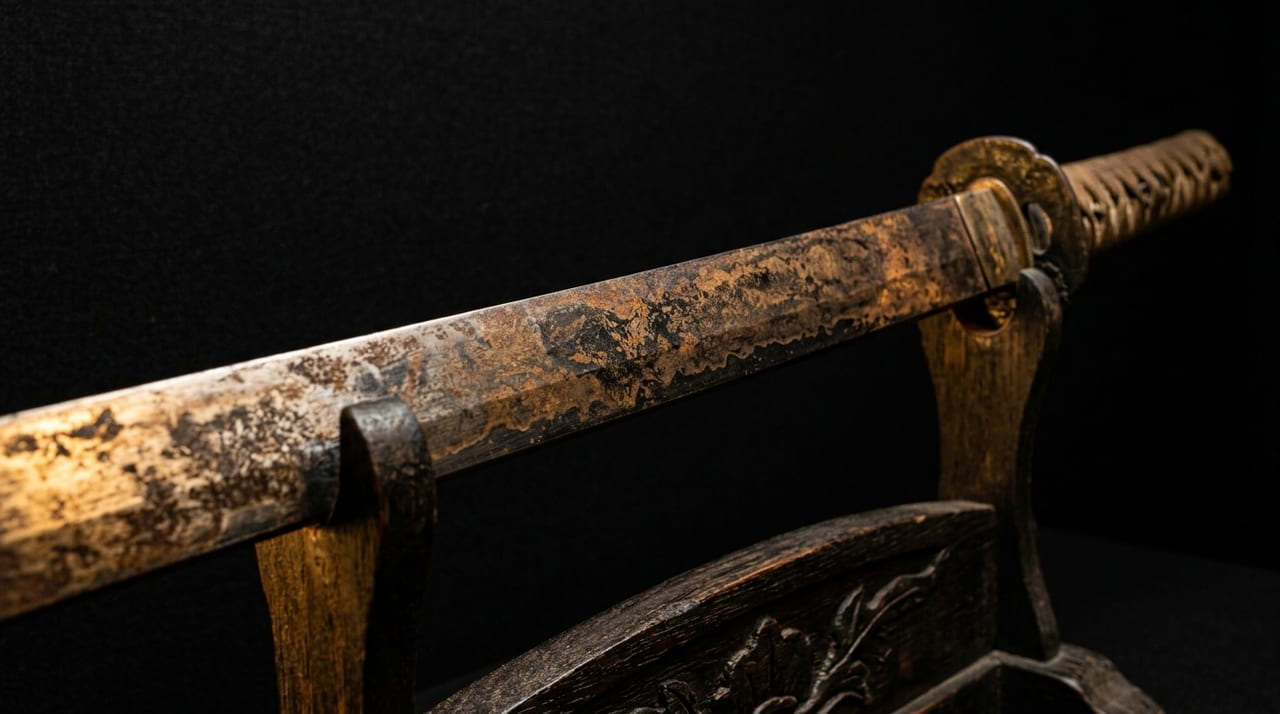
The Yamada Asaemon family conducted officially sanctioned test-cutting during the Edo period and established a sword performance evaluation system known as the wazamono (業物) ranking. This article explores their history and influence on the sword industry.
Traces the 1,000-year evolution of iron swords transmitted from continental Asia during Japan's Yayoi period into the curved Japanese sword (nihonto) established in the mid-Heian period. Explores how straight swords (chokuto/直刀) transformed into single-edged blades through the domestication of tatara iron-smelting and the influence of mounted warfare tactics on Japan's distinctive blade culture.
In the Bunmei-Enmatoku period following the Ōnin War, Kyoto swordsmiths dispersed to various regions while elite artisans concentrated in Bizen Osafune. This essay examines the historical circumstances and technical transformations underlying this shift in production centers.
Swordsmiths of the Edo period were not isolated craftsmen but formed production clusters known as kajimachi. This article examines why sword-making concentrated in specific regions such as Osafune in Bizen, Seki in Mino, and Sanjo in Yamashiro, exploring the economic, technical, and social reasons behind these forge districts.
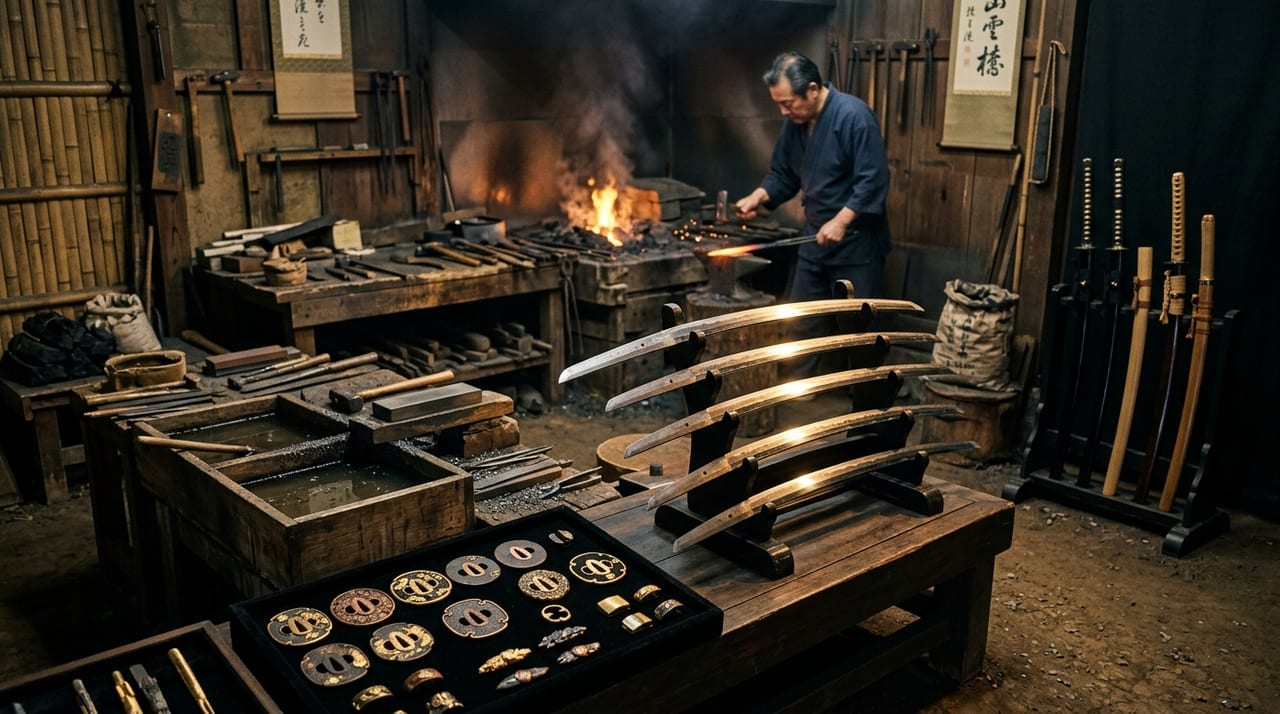
In a Japanese sword forge, the master swordsmith does not work alone. Multiple roles divide labor and coordinate to produce a single blade. This article examines that division of labor and how these skills are passed down.
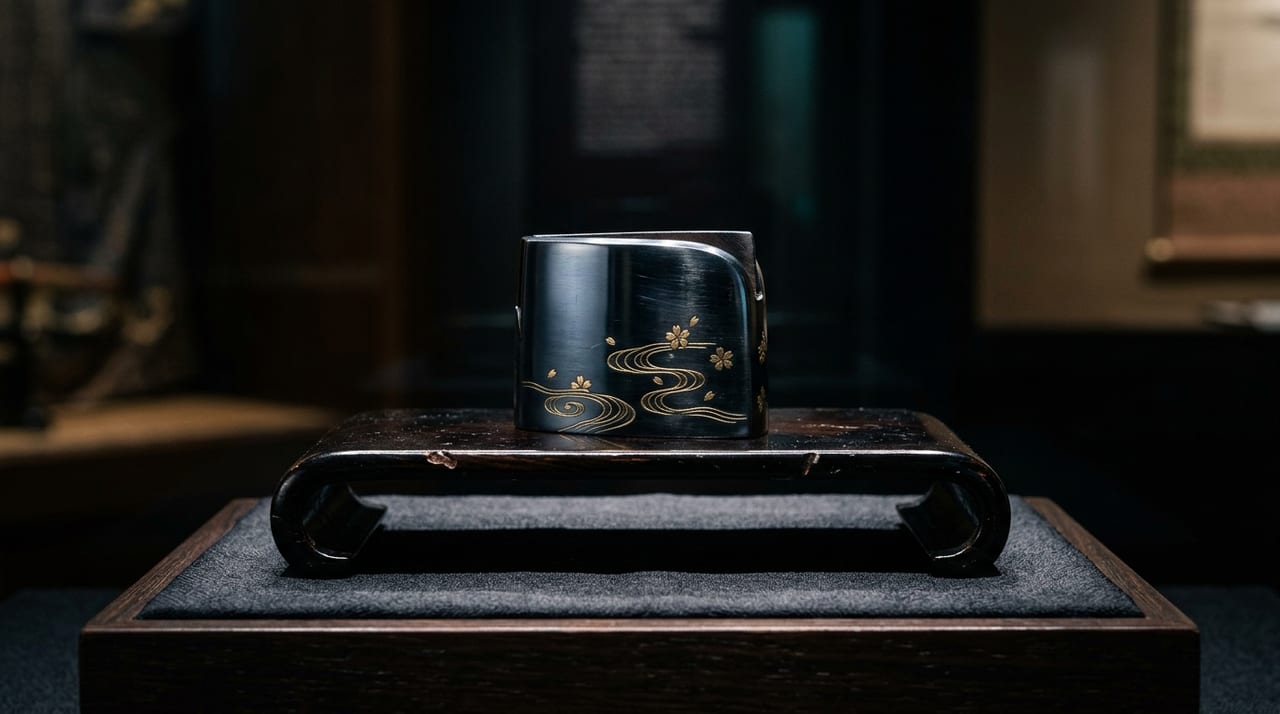
A detailed examination of the structure, manufacturing process, and types of materials of the habaki (鎺)—the scabbard-mounting hardware of the Japanese sword—and the challenges of technical succession faced by contemporary shirogan-shi (白銀師, metalworkers specializing in white-metal fittings).
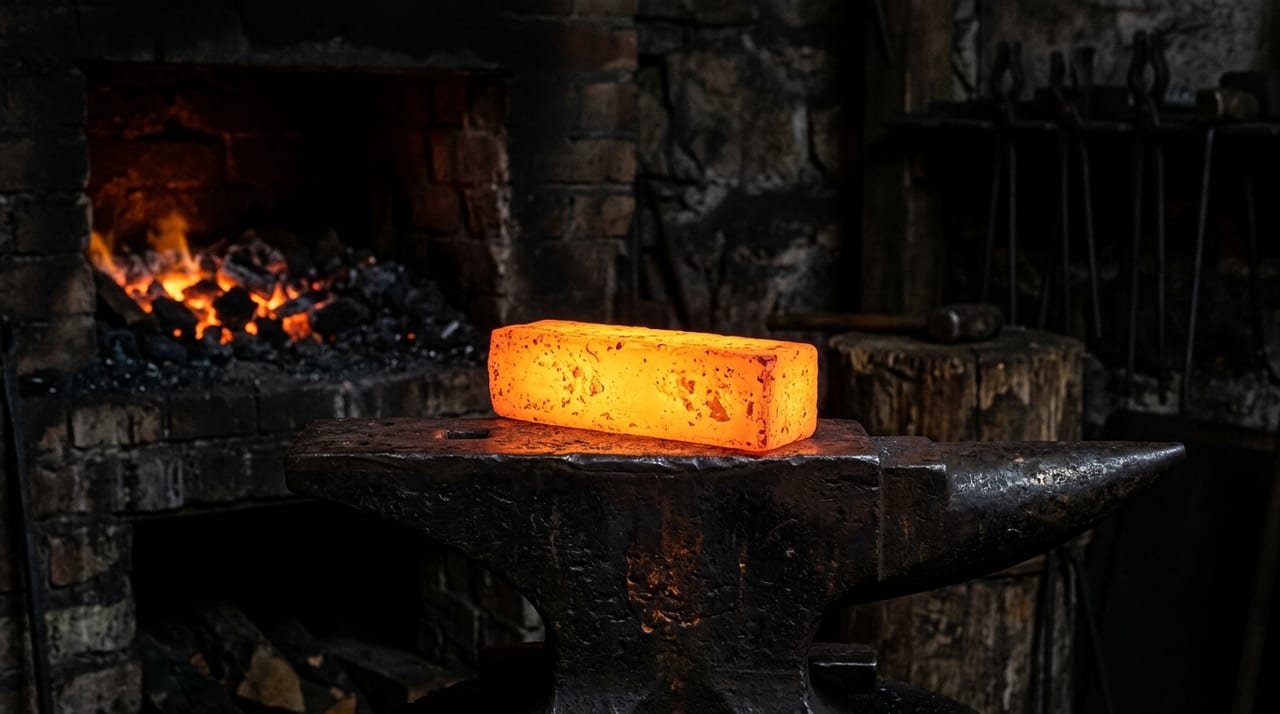
In Japanese swordsmithing, there are no thermometers. The smith must read the color of the glowing steel and forge fire by eye alone to judge whether the temperature is optimal. This article explains the system of fire-color reading and how this skill is trained.
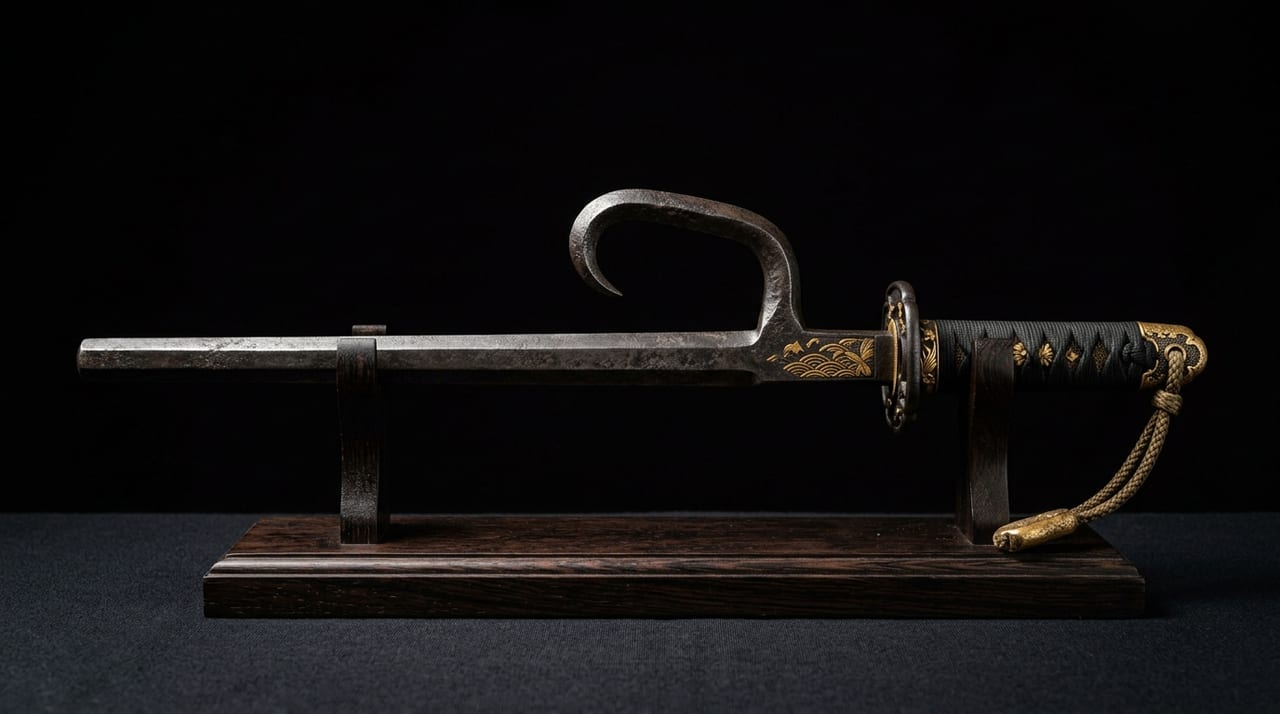
Explores the structure and techniques of the jitte used in Edo-period arrest operations, the manufacturing history involving sword smiths, and its relationship to the modern sword industry.
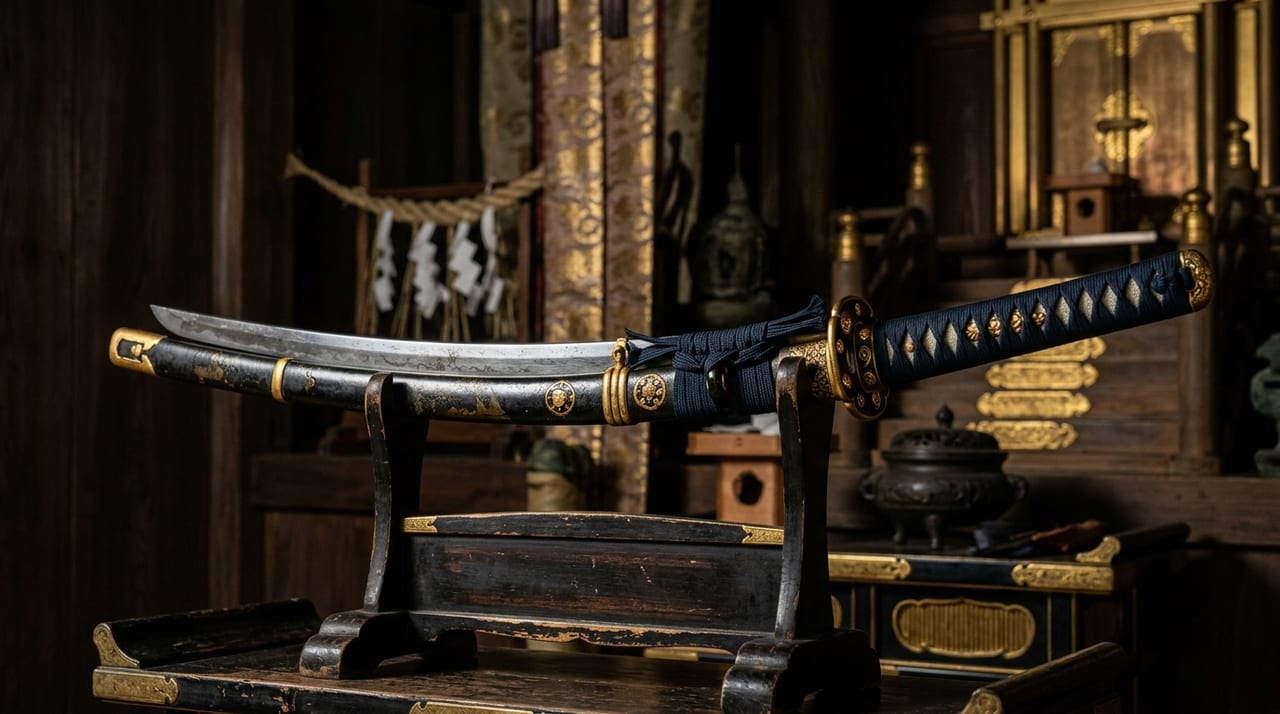
The master swordsmiths of the Kamakura period produced not only commission swords for warriors but also numerous votive blades dedicated to shrines and temples. These swords, preserved in sacred precincts as divine offerings, both legitimized samurai authority and have become today's most important primary sources for sword research.
Explores the history and techniques of the swordsmiths who specialized in creating presentation swords (kenjōtō, 献上刀) for the Emperor, the imperial court, and the shogun's house; the extraordinary passion they brought to their work; and the lasting impact of this tradition of presentation on swordsmiths and the sword industry.
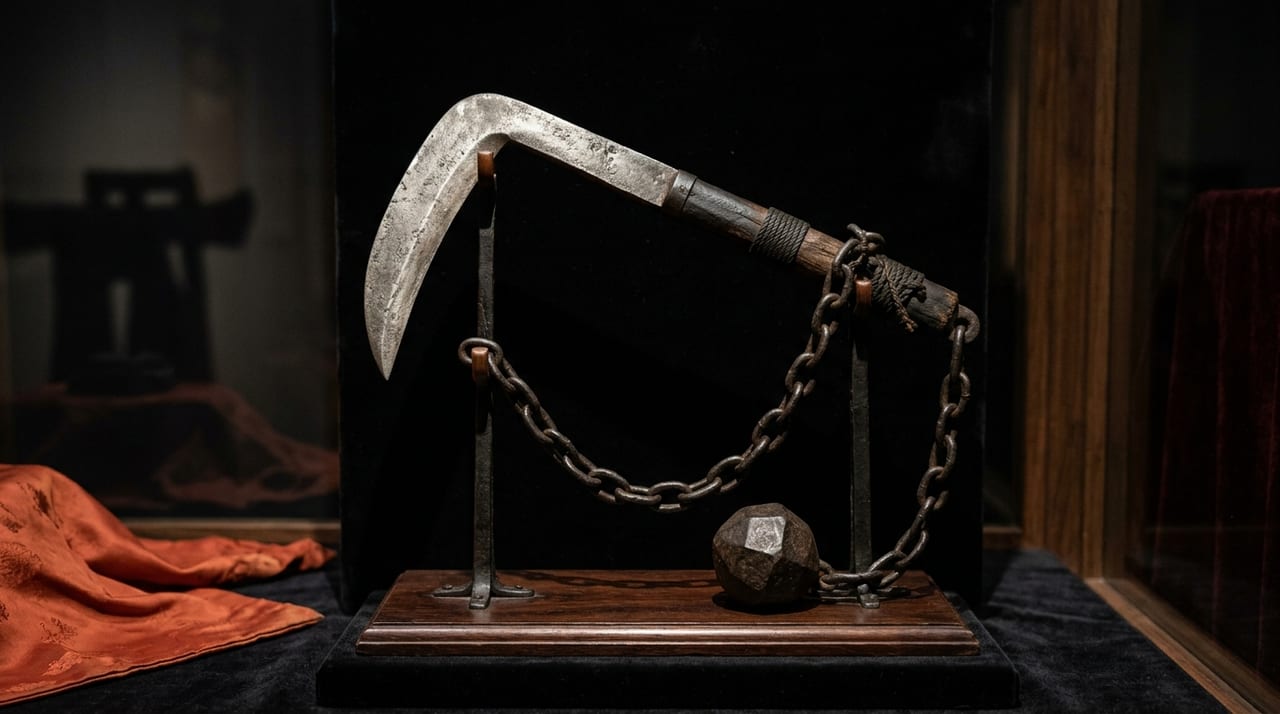
The kusarigama (chain-sickle) is a distinctly Japanese composite weapon combining a sickle, chain, and counterweight. This article covers the weapon's structure and component nomenclature, fundamental usage techniques including fundō-uchi (分銲打ち) and karame-tori (絡め取り), existing schools such as Isshin-ryū (一心流), the historical authenticity of the legendary confrontation between Miyamoto Musashi (宮本武蔵) and Shishido Baikken (宍戸梅軒), the true nature of its association with ninja, and its legal status under the Firearms and Swords Possession Control Law—all presented from the perspective of a sword merchant.
Analyzes the innovations in fundraising that the Furusato Tax and crowdfunding have brought to the nihonto and tōken (刀剣) industries, and their impact on the transmission of traditional craftsmanship.