Nouveautés — Découvrez les dernières arrivées dans notre catalogue. Voir →
Aperçus sur les connaissances et la culture du sabre japonais
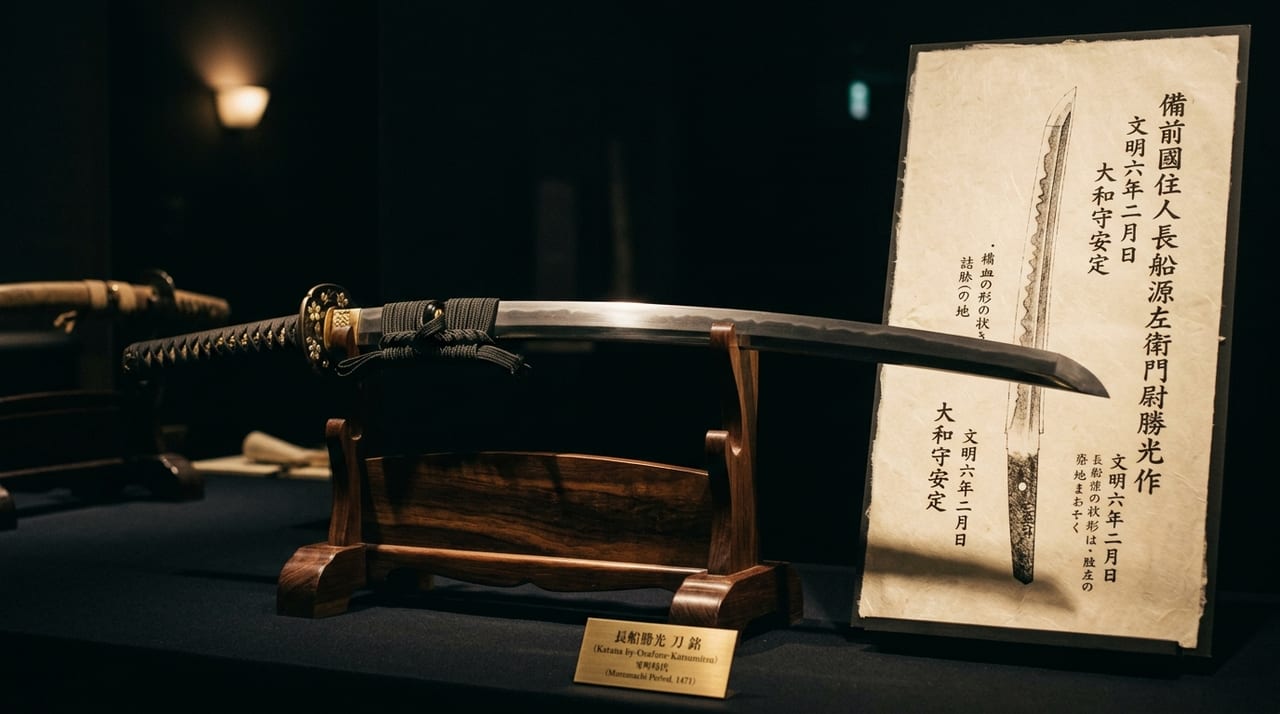
This article explains the technique of oshigata, which transfers the form, hamon (刃文), and mei (銘) of Japanese swords onto paper, and explores the history of sword recording culture from the Edo period to the present day and the industrial significance of oshigata in appraisal and distribution.
Analyzes the patronage system of sword culture constructed by Sengoku-period warlord Oda Nobunaga. Elucidates the concentration of tosho (刀工) at Azuchi Castle (安土城), the customs of sword bestowal and acceptance among subordinates and daimyo, and the political intent to imbue the authority of 'Tenka Fubu' within the blades.
Sengoku warriors regarded the seizure of an enemy commander's sword after battle as a proof of military achievement. This custom of bundori swords was not mere trophy-taking but deeply intertwined with the samurai honor system, master-retainer relationships, and sword distribution networks. This article also traces how famous swords passed from warrior to warrior across generations.
Tameshi-giri was not merely a test of blade sharpness but a ritualized institution embedded in Edo-period samurai society. This article traces the hereditary sword-testing office exemplified by the Yamada Asaemon family, the culture of recording test results, and the system's abolition with the Meiji sword prohibition.
In Japanese swordsmithing, the smith may perform a quality-checking process called tameshi-uchi before final completion. This process verifies the homogeneity of the steel, the shape before quenching, and the quality of forging, serving as an early detection method for potential failures. This article details the process and judgment criteria.
The Tegai school, based near Kasuga Grand Shrine in Yamato Province (present-day Nara Prefecture), represents one of the five great traditions of Japanese swordsmithing. Flourishing from the Kamakura through Muromachi periods, they forged blades imbued with the spiritual essence of sacred Nara.
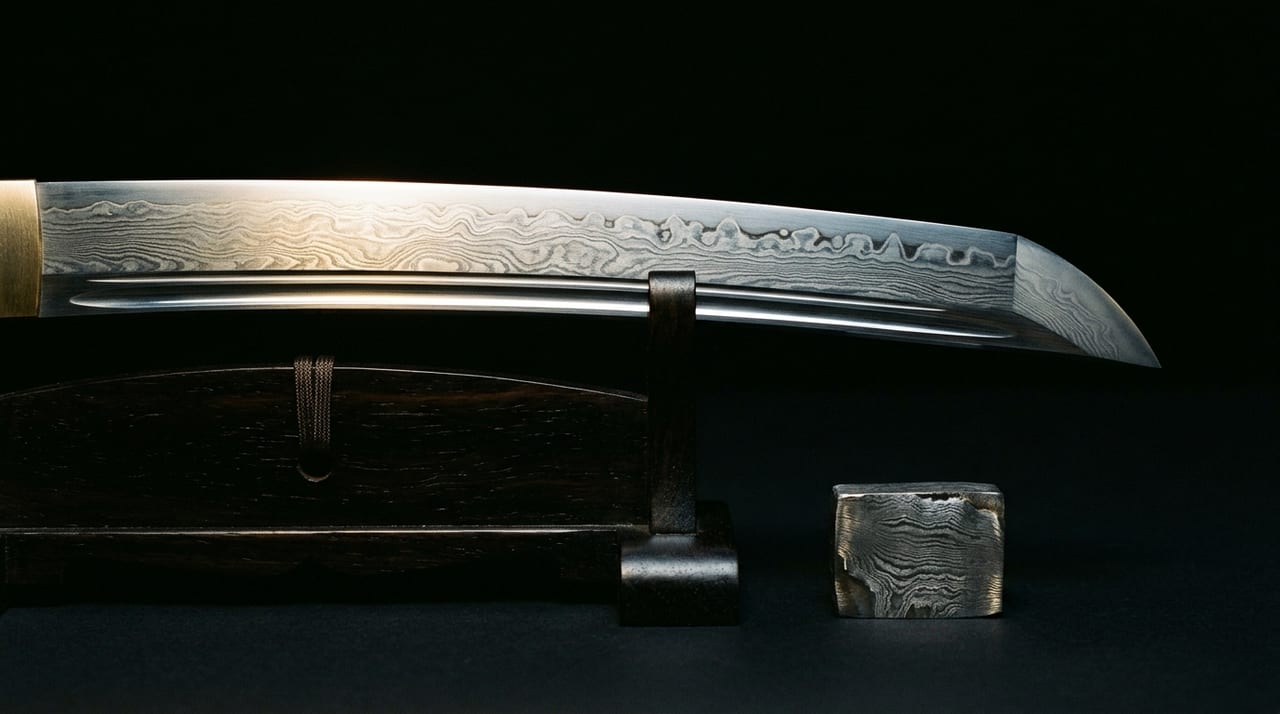
A scientific and technical explanation of the occurrence mechanisms of special kesiki (景色) such as tobi yaki (飛び焼き), yu hashiri (湯走り), kinkei (金筋), and inazuma (稲妻) that appear in the hamon (刃文) of Japanese swords, presenting methods of viewing and evaluation standards in hamon appreciation.
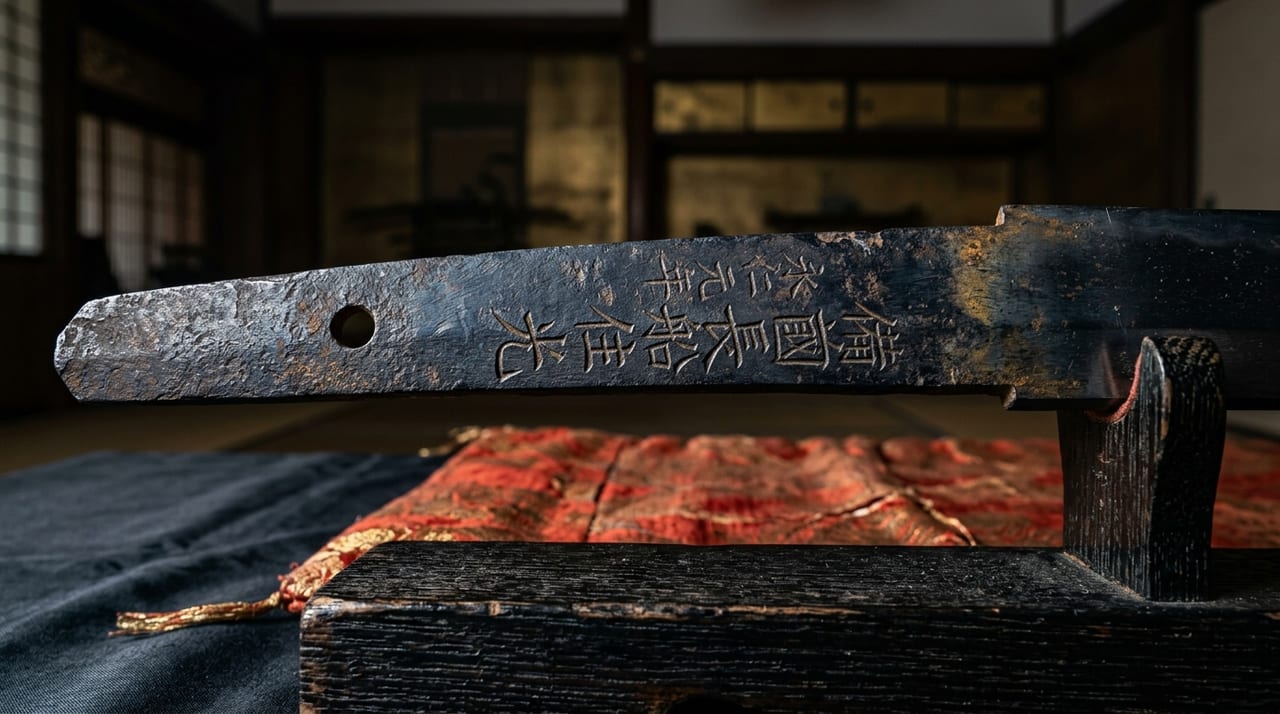
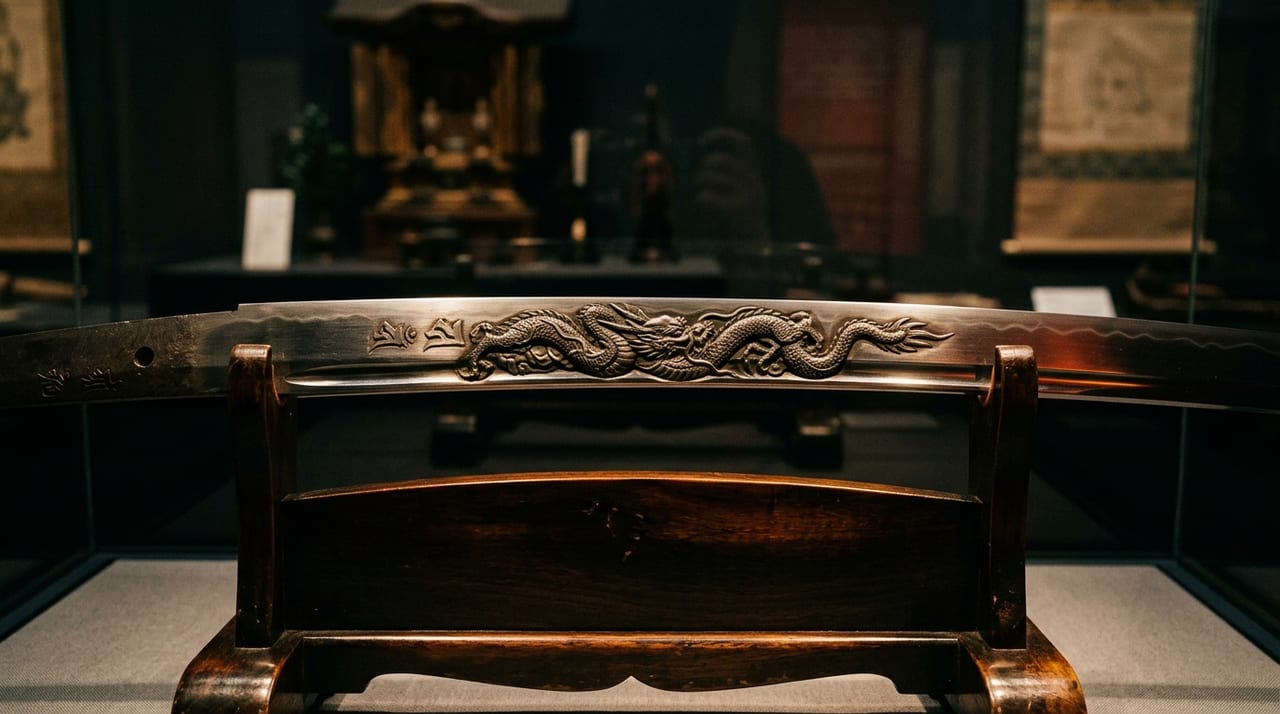
The inscriptions carved into a uchigatana's nakago represent a vital record of a swordsmith's technical pride and social standing. Tracing the evolution from simple Muromachi-era place names and smith names to the elaborate date inscriptions, dedication inscriptions, and commission inscriptions of the Edo period reveals the deeper history of Japanese sword culture.
Examines the technical system of lacquer artisans who adorn Japanese sword koshirae, and explains the contemporary transmission and challenges of sword fitting craftsmanship undertaken by lacquerers (塗師), makie artisans (蒔絵師), and raden artisans (螺鈿師).
Yakihaba refers to the width of the tempered zone as it extends from the edge toward the spine after quenching. Controlling this width is one of the supreme tests of a swordsmith skill, determined by clay thickness and water temperature during quenching. This article explains the characteristics and control techniques of shallow and deep quenching.
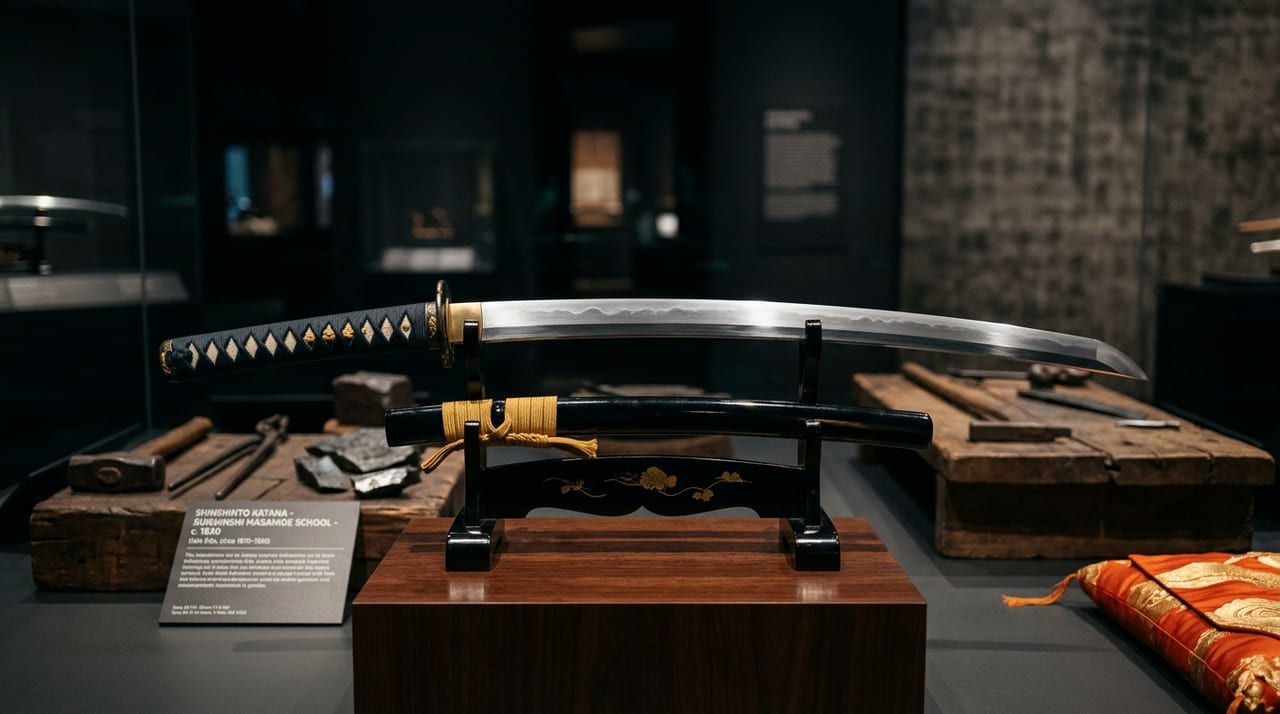
The shinshinto (new new swords) that emerged in the late Edo period (Bunka, Bunsei, and Tenpō eras) had its origin in the philosophy of Suishinshi Masahide, who championed a return to old swords and classical techniques. This article explains the influence that research into classical forging methods and blade patterns had on working sword smiths, and the background of this major movement that spread centered on Kōzuke Province and Edo.
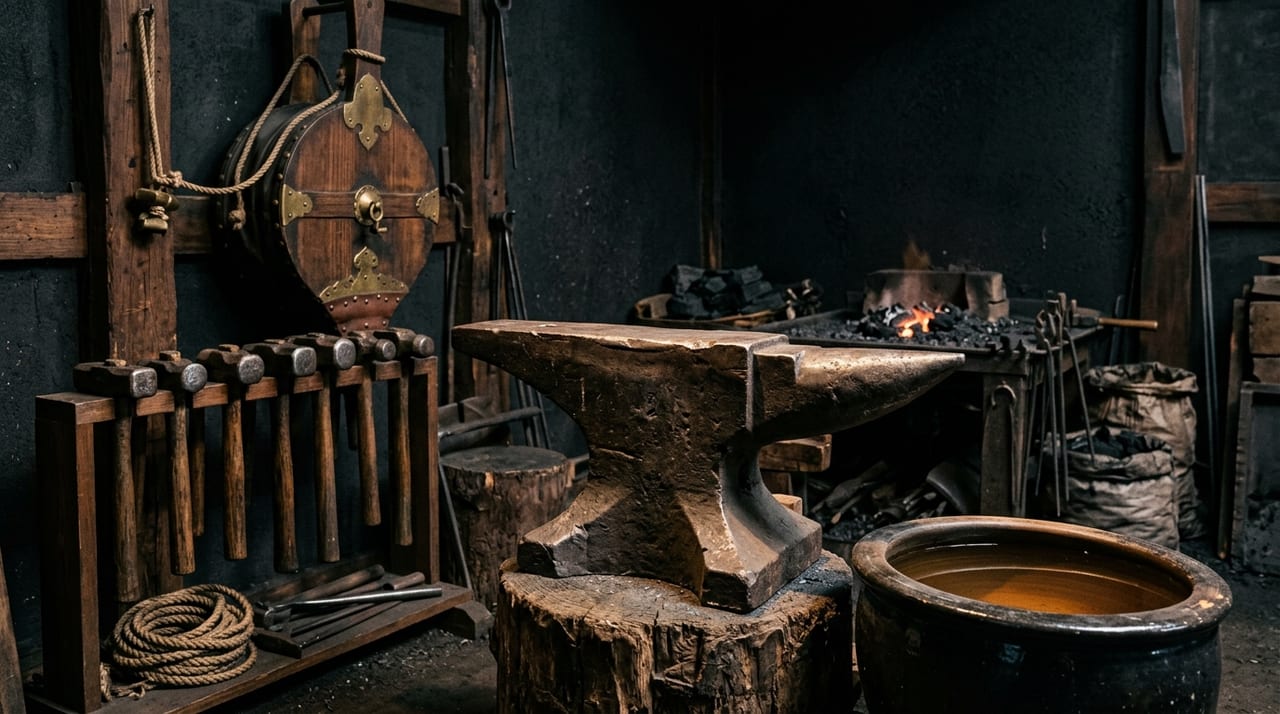
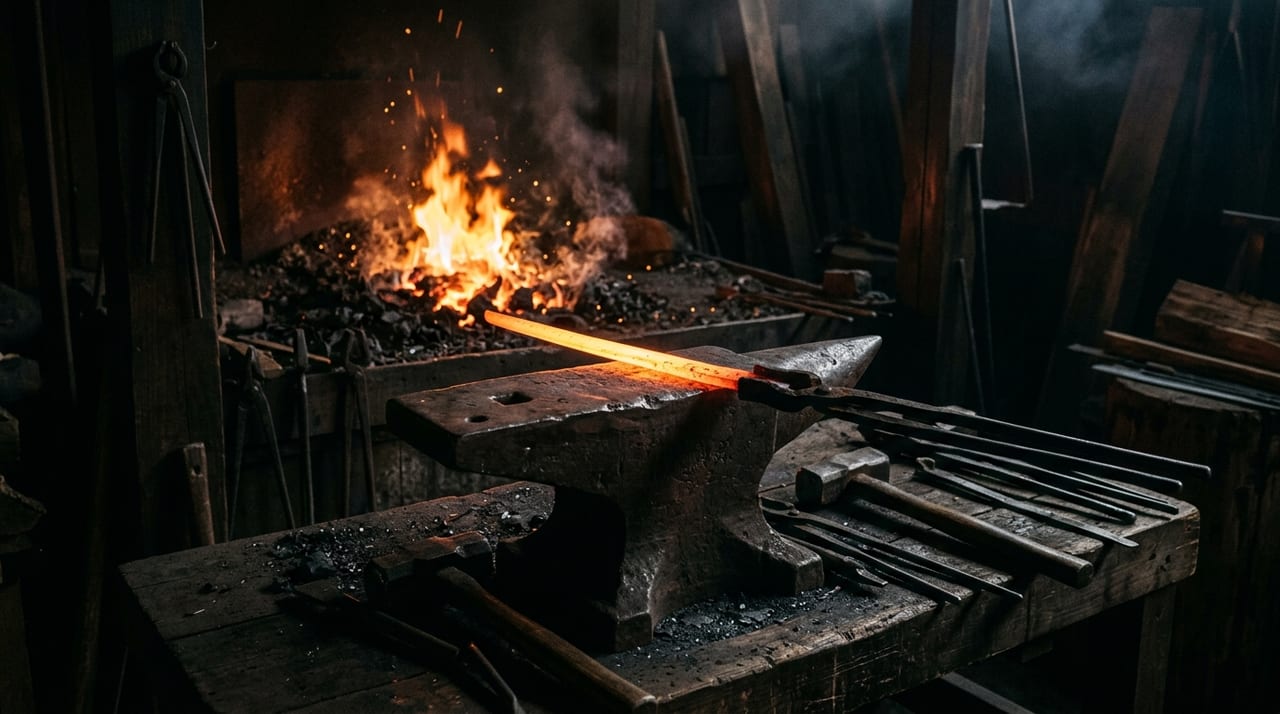
Hizukuri is the forging process that shapes the basic form of a Japanese sword. The heating temperature and hammer timing in the forge determine the blade's shape, curvature, and profile. This article explains how swordsmiths read heat and wield hammers.