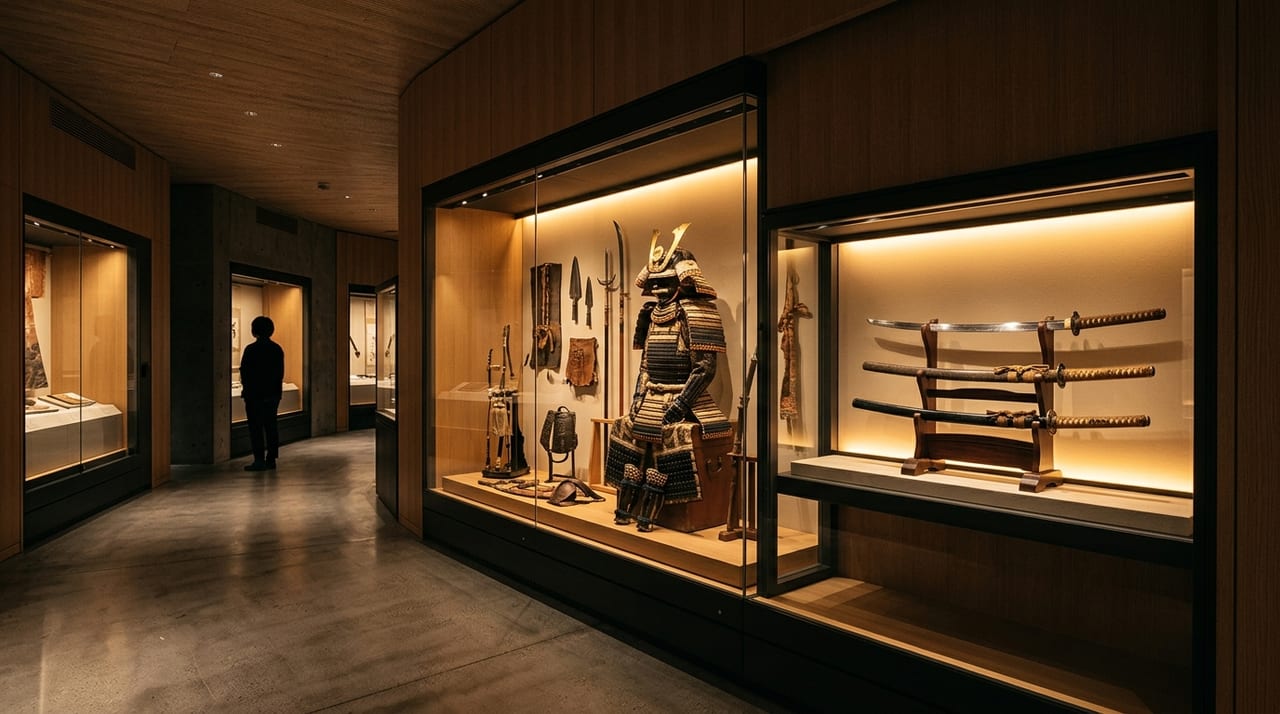
 * Image is for illustrative purposes only.
Niigata Prefectural Museum of History
新潟県立歴史博物館
Overview
The Niigata Prefectural Museum of History is a prefectural museum that comprehensively displays the history, folklore, and archaeology of Niigata Prefecture. It opened in 2000 (Heisei 12).
The permanent exhibition "Niigata Prefecture's Path" traces the history of Niigata Prefecture in chronological order, from ancient to modern times. "Rice Farming" explains how Niigata Prefecture became the nation's top rice-producing region through the new-field development that began in the Edo period. "Snow and Daily Life" presents life in snowy regions through a reconstruction of the gangi arcade streets and shops of Takada (present-day Jōetsu), a heavy-snow area.
The Jōmon exhibits "The World of the Jōmon People" and "Exploring Jōmon Culture" introduce life in the Jōmon period, from about 15,000 to about 2,500 years ago, along with research methods such as excavation and dating.
The museum is located on the hills of Sekihara in Nagaoka City, and the Echigo Hillside National Government Park is nearby.
Highlights
- "Niigata Prefecture's Path" — permanent exhibition that traces the history of Niigata Prefecture in chronological order, from ancient to modern times
- "Rice Farming" — permanent exhibition that explains how Niigata Prefecture became the nation's top rice-producing region through new-field development
- "Snow and Daily Life" — permanent exhibition that reconstructs the gangi arcade streets and shops of heavy-snow Takada (present-day Jōetsu)
- Jōmon exhibits — "The World of the Jōmon People" and "Exploring Jōmon Culture" introduce Jōmon-period life and research methods
* Opening hours and exhibitions are subject to change. Please check the official website before visiting.