New Arrivals — Browse our catalog for the latest authentic Japanese sword arrivals. Browse →
Insights into Japanese sword knowledge and culture
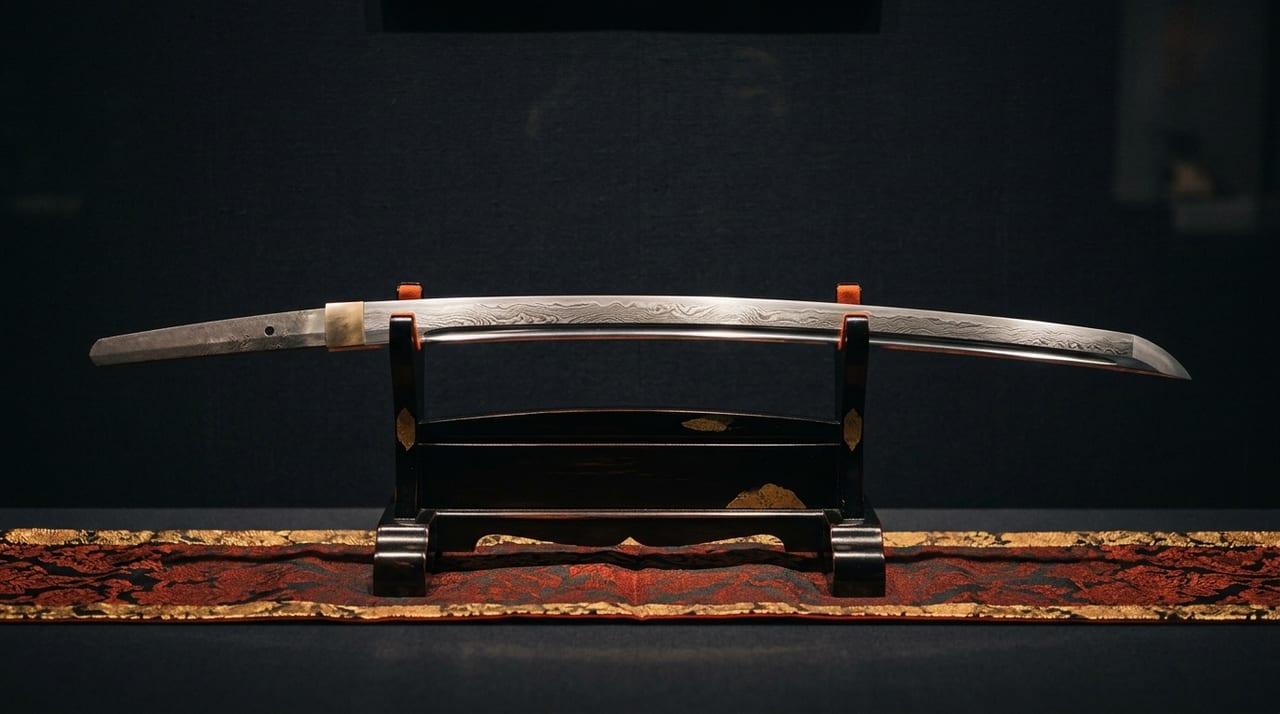
Detailed examination of the forging techniques of Gassan Sadakatsu II (1907–1995), a Showa-era Living National Treasure. Explains the distinctive "ayasugi-hada" (wavy grain pattern) characteristic of the Osaka Gassan school, production methodology, technical lineage continuing from the original Gassan of the Edo period, and appreciation points of representative works.
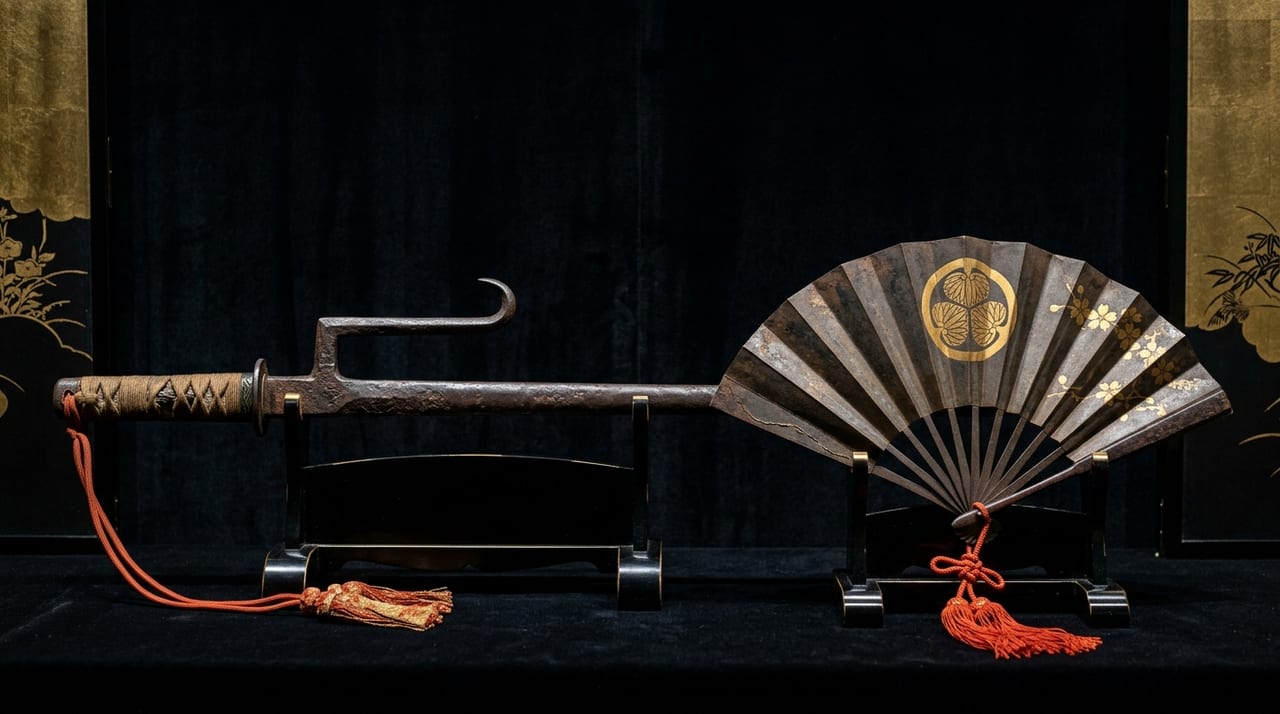
Explains the history, structure, and practical combat usage of non-blade weapons carried by Sengoku warlords—gunbai (war fans, fan-shaped), tessem (iron fans), and saihai (command batons). Details their combinations with bladed weapons, aesthetic principles of their mountings, and modern possession regulations.
Examines the contrasting philosophies of sword and blade craftsmanship held by the kuge (aristocracy) and samurai (warriors) during the Heian period (794–1185). Explores the divergence between ceremonial and decorative "tachi" (long swords) and combat-oriented blades, the significance of swords in the imperial court, and the practical militarization of blades accompanying the rise of the warrior class in the late Heian period.
This article analyzes the multiple factors that sparked the Japanese sword boom since the 2010s. It explains how the game "Touken Ranbu" tapped into younger and female audiences, government tourism policies, inbound demand driven by a weaker yen, and social media's viral effects combined to create a modern sword culture revival.
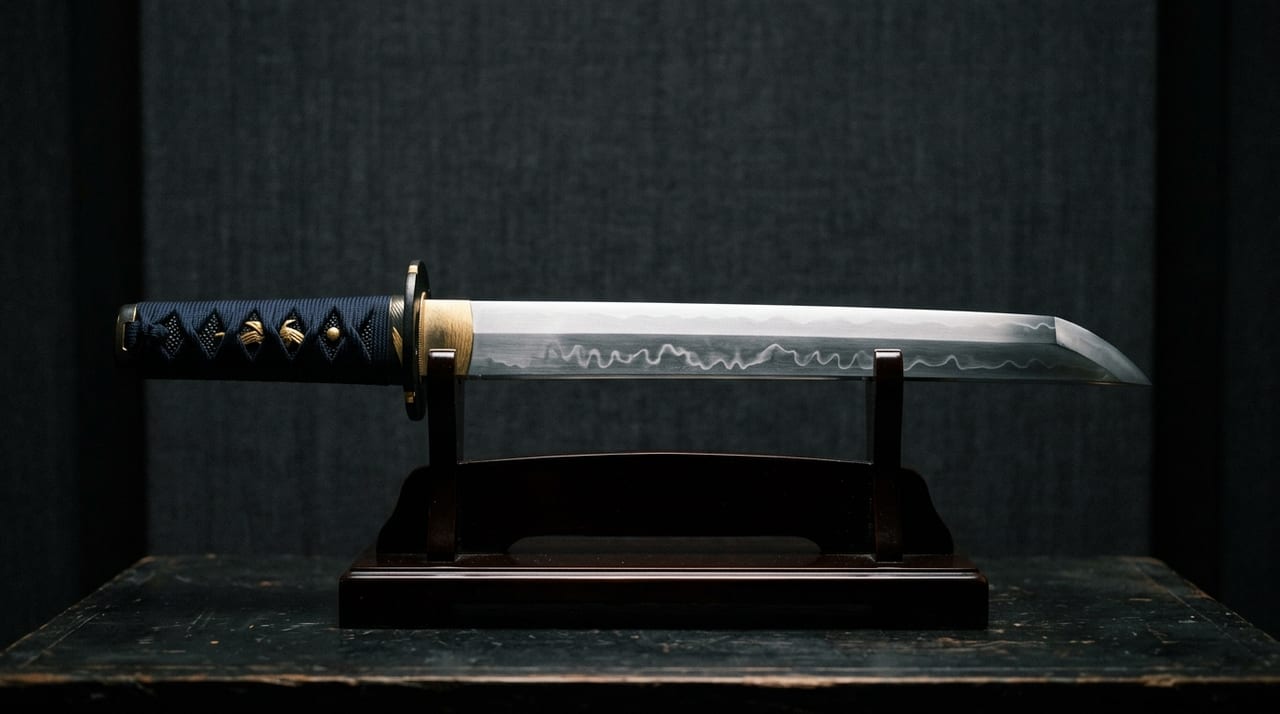
Comprehensive explanation of hirazukuri (平造り), the simplest blade cross-section among Japanese sword construction methods. Covers characteristics of the flat cross-section without a ridge, reasons it's primarily used for short swords, historical changes across periods, and appreciation points.
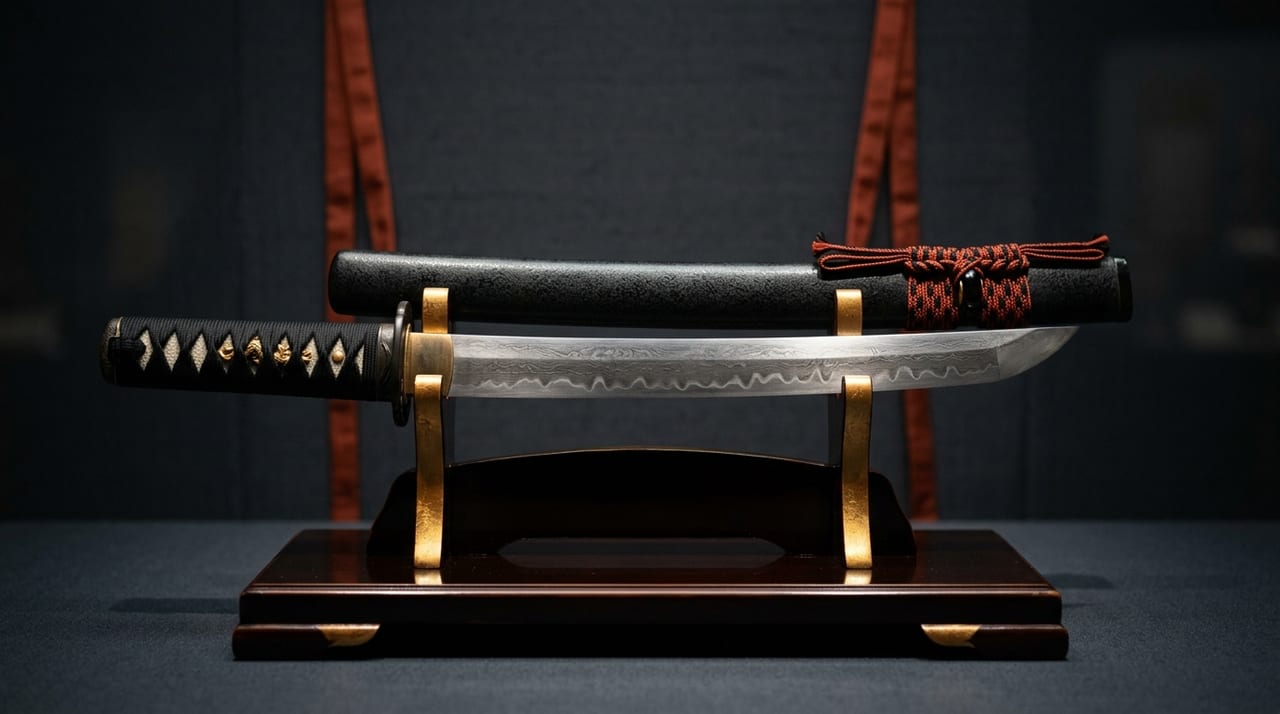
This article provides detailed explanations of how Soshu and Bizen traditions differ in hira-zukuri tanto. It compares the characteristics of both traditions from the perspectives of jihada (steel grain patterns), hamon (blade patterns), and construction techniques, offering practical ways to distinguish them in person.
Okazaki Masamune, a swordsmith of the late Kamakura period, established the "Soshu style," characterized by strong nie (crystalline texture) and dramatic irregular hamon (blade pattern). Only a few signed blades by Masamune remain today. This article explains the revolutionary techniques he passed to his disciples, known as the "Ten Disciples of Masamune," and why he is considered the greatest in Japanese sword history.
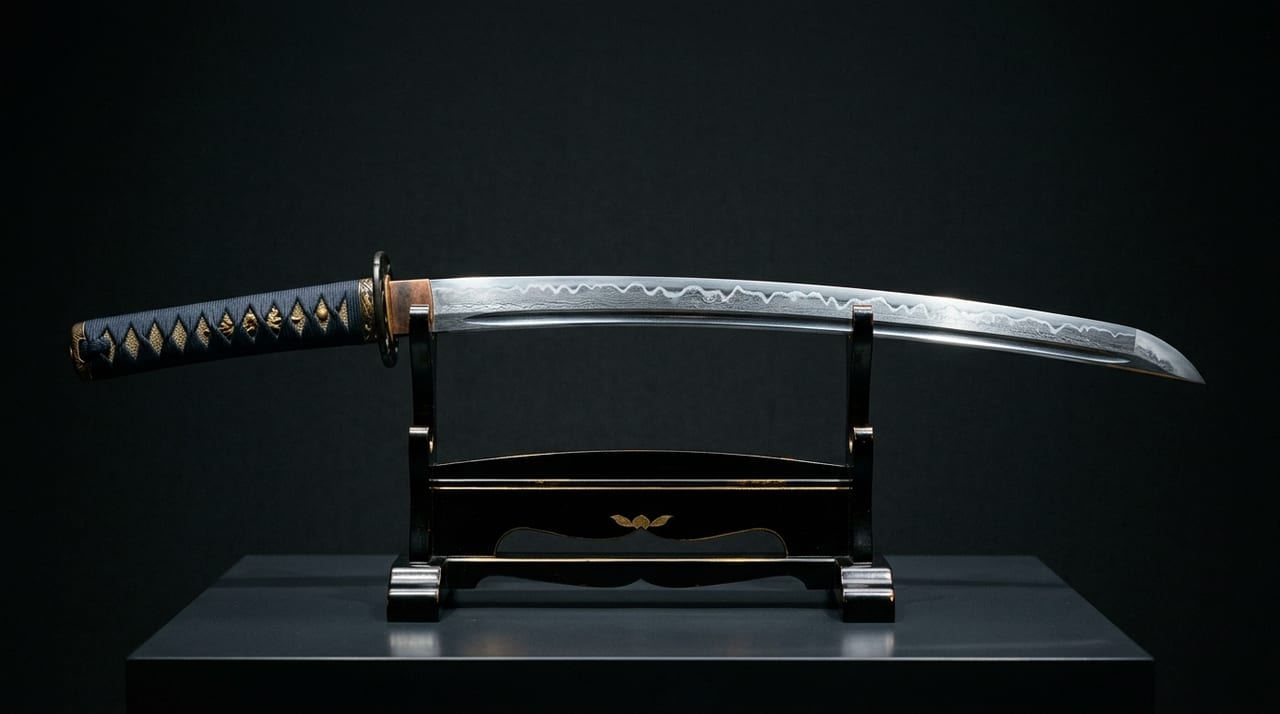
An explanation of when and how the "curve (sori)"—the most distinctive morphological feature of the Japanese sword—came into being. This article examines the transition process from straight swords (ancient swords) to curved tachi swords from both historical and technical perspectives, considering changes in combat styles and the development of forging techniques.
This article explains the production and distribution systems the Kamakura shogunate established to supply blades in large quantities to the gokenin. It provides an overview of the sword-making industry during the Kamakura period, including the development of specialized workshop divisions, the migration and settlement of sword smiths, and comparative features of the major production centers in Bizen, Yamashiro, and Yamato.
Explains the composite structure of kawagane (outer steel) and shingane (core steel)—the core technology of Japanese swords. Covers why hard outer steel and soft core steel are combined, the role of folding and forge welding, carbon content design, and modern metallurgical interpretation.
This article explains the types of kissaki (sword tip) shapes on Japanese blades and their forging and control methods. It details the characteristics of ko-kissaki, naka-kissaki, ō-kissaki, and inokubi-kissaki, their evolution across periods, adjustment techniques during forging, and appreciation points.
A comprehensive examination of the swordsmithing career of Koyama Munetatsu (1798–1854), the pinnacle of late Edo new-new sword (shin-shin-tō) craftsmanship. This article explains his relationship with his master Suishinshi Masahide, his devotion to the Sōshū tradition and establishment of a distinctive style, the technical characteristics of his representative works, and the background behind his acclaim as "the finest swordsmith of the Kantō region."