Masamune (Okazaki Masamune) — Japan's Greatest Sword Smith Who Established the Soshu Style and His Ten Disciples
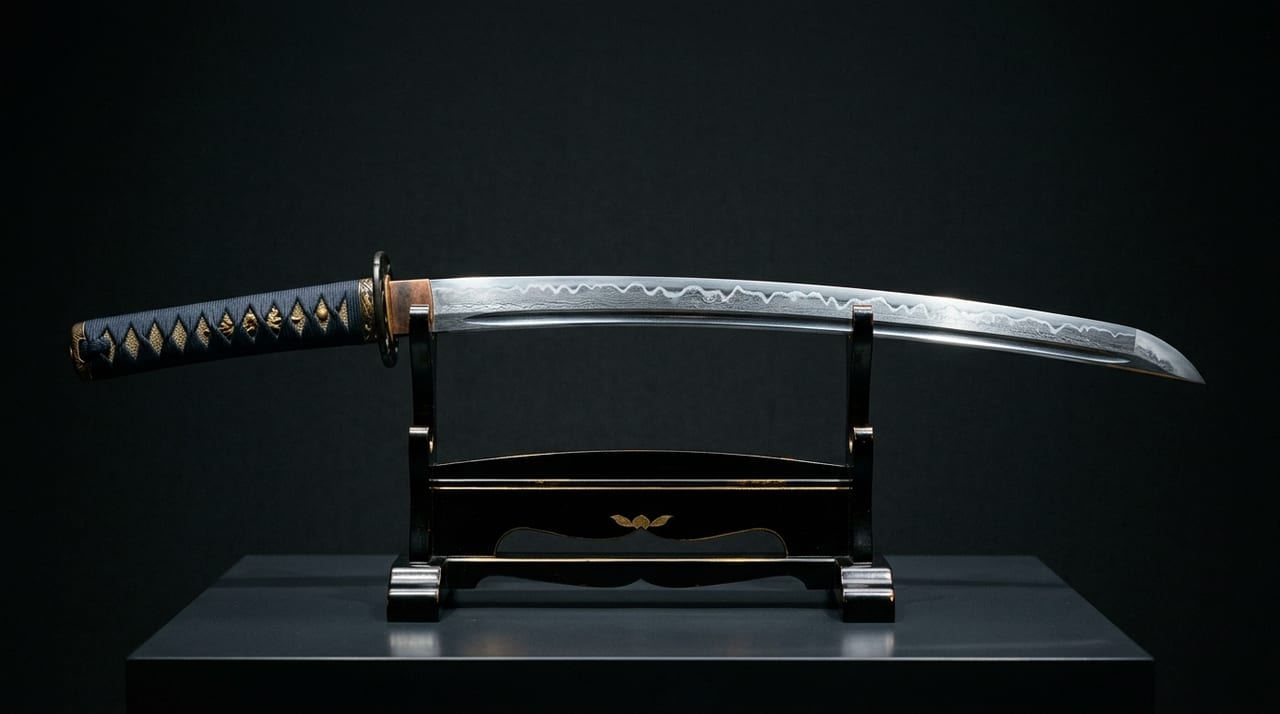 * Image is for illustrative purposes only.
Table of Contents
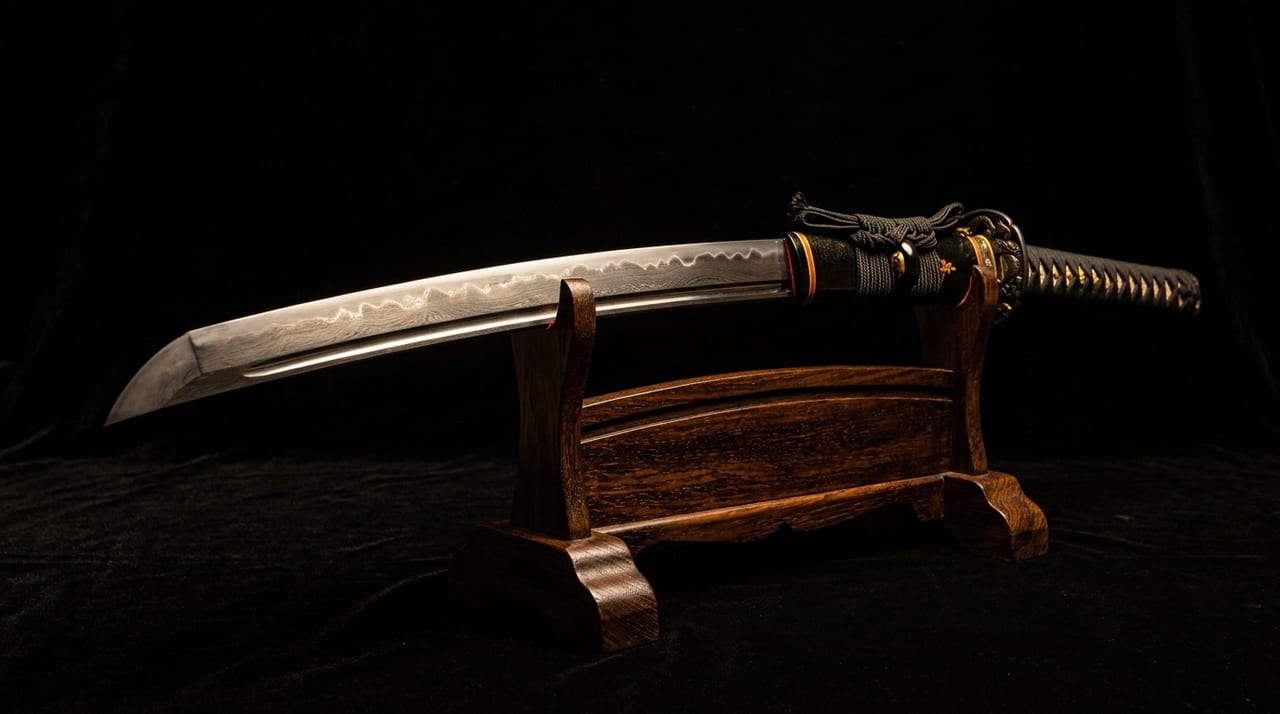
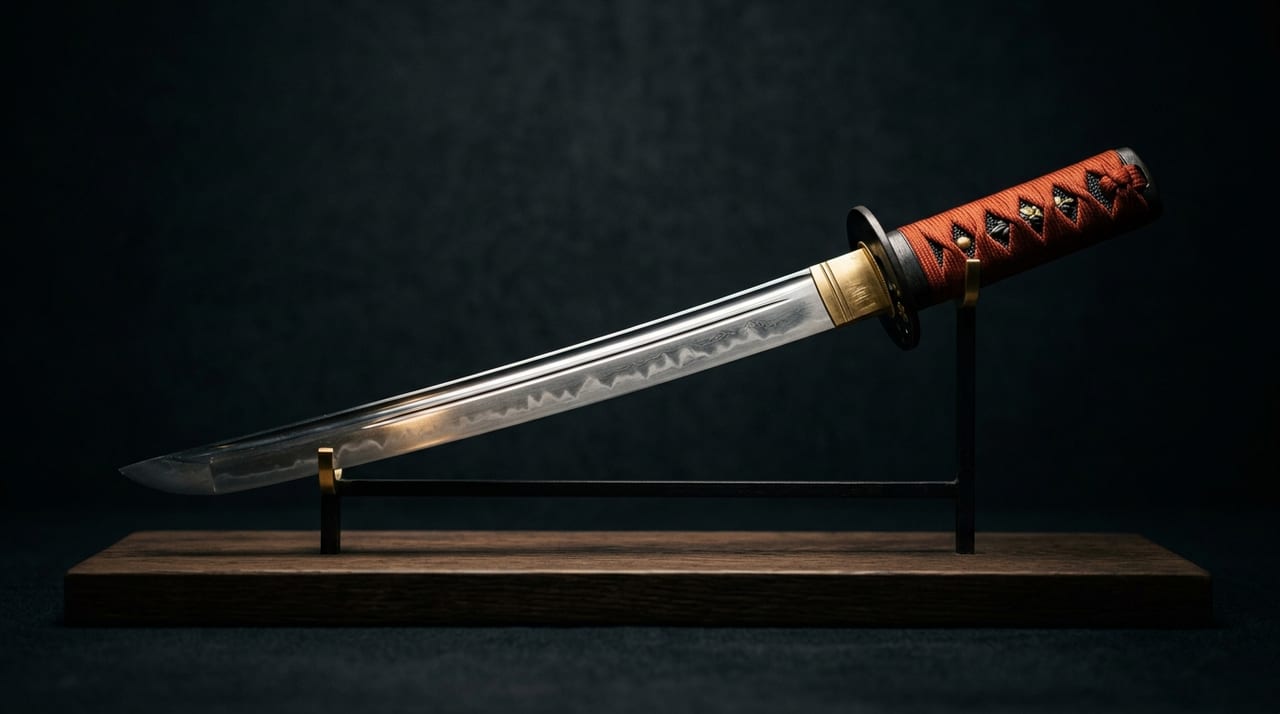
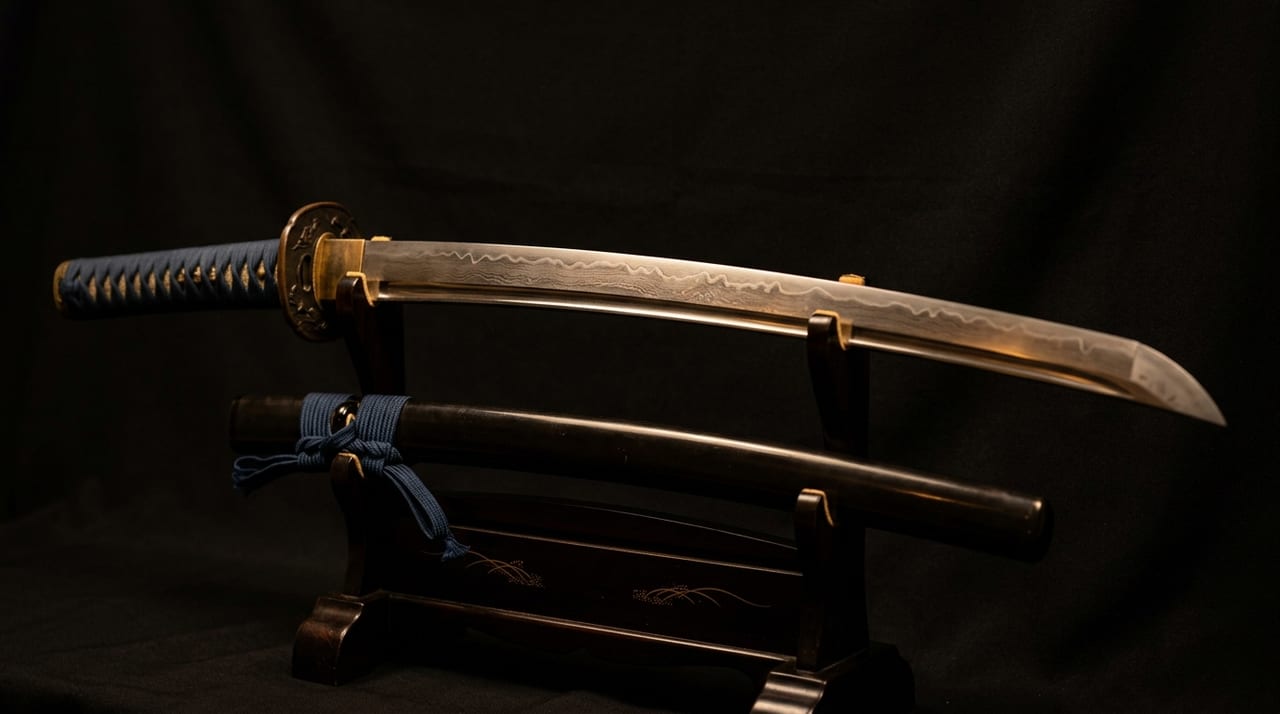
Who Was Masamune: Okazaki Masamune was a swordsmith who flourished in Sagami Province during the late Kamakura period (early 14th century) and is regarded as the greatest master in the history of Japanese swords. He established the "Soshu style," characterized by strong nie, dramatic irregular hamon, and hitatsura (full temper). Very few of his signed blades exist today, and his revolutionary techniques were transmitted through his disciples, known as the "Ten Disciples of Masamune," to swordsmiths across Japan. This article explores Masamune's life, the techniques of the Soshu style, and the lineage of his ten disciples.
Who Was Masamune — The Enigmatic Genius Swordsmith
Okazaki Masamune holds the highest esteem in the history of Japanese swords, yet his life remains shrouded in mystery. He is believed to have been active from the late Kamakura period into the early Northern and Southern Courts period (early 14th century), but his exact dates of birth and death are unknown.
According to tradition, Masamune was active in Kamakura in Sagami Province (present-day Kanagawa Prefecture). Various theories exist regarding his master—that he was a pupil of Rai Kunitoshi, or that he was the son of Okazaki Chikakage—but no definitive historical records survive.
Very few "signed Masamune blades" exist today, and most swords attributed to Masamune are unsigned (mumei). This is attributed either to Masamune's lack of habit in signing his blades, or to the erasure of signatures in later ages.
The Establishment of the Soshu Style — Masamune's Revolutionary Mark on Japanese Sword History
Masamune's greatest achievement was establishing and perfecting the "Soshu style" (Soshu-den), a systematic body of techniques.
Before his time, the Japanese sword world was dominated by two major currents: the Bizen style (hamon with little nie, in nioi-deki) and the Yamashiro style (straight blades with beautiful fine nie). Masamune showed a fundamentally different technical direction:
The Aesthetics of Strong Nie: During quenching, the steel's crystalline particles (martensite) are maximized, filling the blade pattern with sparkling, grainy nie.
Chikei and Kinsuji Activity: Dark striations (chikei) and bright thin lines (kinsuji) within the steel structure are deliberately drawn out.
Hitatsura (Full Temper): An intense blade pattern that appears as if hardened from edge to spine throughout.
Grand Irregular Hamon: Large, violent undulations in the blade pattern that express the "aesthetics of strength."
Through these technical innovations, Japanese swords gained two distinct aesthetic directions: the "quiet beauty" of Yamashiro and Bizen styles and the "dynamic beauty" of Soshu.
The Ten Disciples of Masamune — The Lineage of Inherited Technique
Swordsmiths who inherited Masamune's techniques became known as the "Ten Disciples of Masamune." Notable representatives include:
| Swordsmith | Region | Characteristic |
|---|---|---|
| Samonji | Chikuzen (Fukuoka) | Spread Soshu style to Kyushu |
| Rai Kunimitsu | Yamashiro (Kyoto) | Fusion of Yamashiro and Soshu |
| Hasebe Kunishige | Yamashiro | Master of full hardening |
| Gō Yoshihiro | Etchu (Toyama) | Soshu style Hokuriku version |
| Kaneuji | Mino (Gifu) | Founder of the Mino style |
Through the existence of the Ten Disciples, the Soshu style spread far beyond Sagami Province throughout Japan, contributing to the advancement of Japanese sword technology nationwide.
The Honjō Masamune — The Birth of a Masterpiece and Its Name
The "Honjō Masamune" is a tachi attributed to Masamune and is among the most famous blades in sword history. While many blades bear the name "Masamune," why is the "Honjō Masamune" considered the pinnacle?
The Origin of the Name: The name "Honjō Masamune" derives from Honjō Shigenaga, a military commander who once owned this blade. Shigenaga served the Uesugi lords Kenshin and Kagekatsu as a fierce general, and he is said to have seized this blade from an enemy commander during the Battle of Juugori-ga-hara in 1588 (Tenshō 16).
Technical Characteristics: Evaluation of the Honjō Masamune's technical qualities relies primarily on records from Edo-period sword connoisseurs of the Hon'ami family. According to these records, the nie and chikei activity of the Honjō Masamune are particularly abundant even among Masamune's works, representing the highest standard of the Soshu style.
The Historical Provenance of the Honjō Masamune — From the Shōgun's House to Disappearance
The history of the Honjō Masamune is deeply intertwined with Japanese history.
From the Uesugi to the Tokugawa: Honjō Shigenaga → the Uesugi clan → donated to Tokugawa Ieyasu in 1601 (Keichō 6). The Tokugawa family preserved the Honjō Masamune as a treasured possession of the shōgunal house.
As an Edo Castle Treasure: The Tokugawa shōguns were Japan's supreme sword collectors. The Honjō Masamune was preserved in the sword vault of Edo Castle as a piece of "shōgunal treasure."
After the Meiji Restoration: Following the Meiji Restoration, the Tokugawa family's assets were greatly reduced, but some masterwork swords came under the management of the Imperial Household Ministry (now the Imperial Household Agency). The Honjō Masamune's stewardship is said to have shifted during this process.
1945 and Disappearance: In 1945, during the post-surrender weapons confiscation by the GHQ (Supreme Commander of the Allied Powers), the Honjō Masamune was transferred from Honda Tadatsugu, a retainer of Tokugawa Iesato, the sixteenth head of the Tokugawa house and its last known owner, to Lieutenant Colonel Collins, a GHQ officer. This is the last confirmed record, and its whereabouts have remained unknown since.
The Mystery of Disappearance — A Search That Continues Today
The Honjō Masamune remains missing today. In 2006, it was reported that the U.S. government expressed willingness to assist in the search, but confirmation has not been achieved.
Suspected whereabouts:
- Preserved by Collins's heirs: If still alive, possibly stored somewhere in the United States
- Sold to a collector: Housed in a private collection and kept out of public view
- Already returned to Japan: Some media outlets have reported it was returned, but this has not been confirmed
- Lost or destroyed: The worst possibility, though it cannot be ruled out
The Japanese government and sword experts continue intermittent efforts to "bring the Honjō Masamune back to Japan," and the search for this blade remains one of the greatest unresolved mysteries in Japanese sword history.
Existing Notable Masamune Blades — National Treasures and Important Cultural Properties
While Masamune's signed blades are extremely rare, many swords highly valued since ancient times as works of Masamune—known as "meibutsu" (celebrated blades)—survive today, with nine designated as National Treasures. The following are particularly renowned examples.
Kanze Masamune: An unsigned blade that gained its name from being transmitted through the Kanze family, the hereditary head of Noh theater. After being presented to Tokugawa Ieyasu, it passed between the Tokugawa house and their retainers, and during the Meiji period, it passed from the Tokugawa house through the Arisugawa and Takamatsu palaces before coming into the collection of the Tokyo National Museum. It is designated a National Treasure.
Nakatsukasa Masamune: Named after Honda Tadakatsu, one of the Four Heavenly Kings of Tokugawa, who held this blade (his court title was Nakatsukasa-taifu, Senior Assistant Minister of Central Affairs). Tadakatsu presented it to Ieyasu, and it passed through the Mito Tokugawa branch before returning to the shōgun's house. It is currently designated a National Treasure, owned by the Agency for Cultural Affairs and held by the Tokyo National Museum.
Ishida Masamune: A blade owned by Ishida Mitsunari, distinguished by cuts in the blade that remain visible, earning it the alternate name "Ishida Kirikomi Masamune." It is currently held by the Tokyo National Museum and designated an Important Cultural Property.
These celebrated blades testify to how Masamune's work became bound with the authority of the warrior class and was treasured among those who ruled Japan. The very fact that swords authenticated as "Masamune" despite lacking signatures have been preserved as National Treasures and Important Cultural Properties speaks to his exceptional esteem.
Masamune's Technical Legacy — Influence on Contemporary Sword Smiths
The Soshu style established by Masamune over 700 years ago remains one of the pinnacles of Japanese sword technology even today. Contemporary master craftspeople designated as Living National Treasures and holders of Important Intangible Cultural Properties continue to challenge Masamune's techniques.
Contemporary Research on Masamune: Modern masters such as Gassan Sadakazu (second generation, a Living National Treasure) and Miyairi Yukihira have continued to research techniques for reproducing Masamune's nie and chikei. Yet it is said that no swordsmith has yet fully replicated the authentic nie of a true Masamune. This is one reason why Masamune's technical mystique endures in the modern age.
Conclusion — What Masamune Left to Japanese Sword History
Though his life was shrouded in mystery, Okazaki Masamune opened a "third path" for the aesthetics and technique of Japanese swords. By adding the dynamic beauty of "Soshu" to the two great traditions of Bizen and Yamashiro, he exponentially expanded the expressive possibilities of the Japanese blade. This achievement remains immortal.
And the disappearance of the supreme masterpiece, the Honjō Masamune, keeps his legend alive as an ongoing story in the present day. The dream of rediscovering a lost masterwork remains a romance shared by Japanese sword enthusiasts worldwide.