Mass-Order Production in the Kamakura Period: The Sword Supply System for Gokenin and Workshop Organization
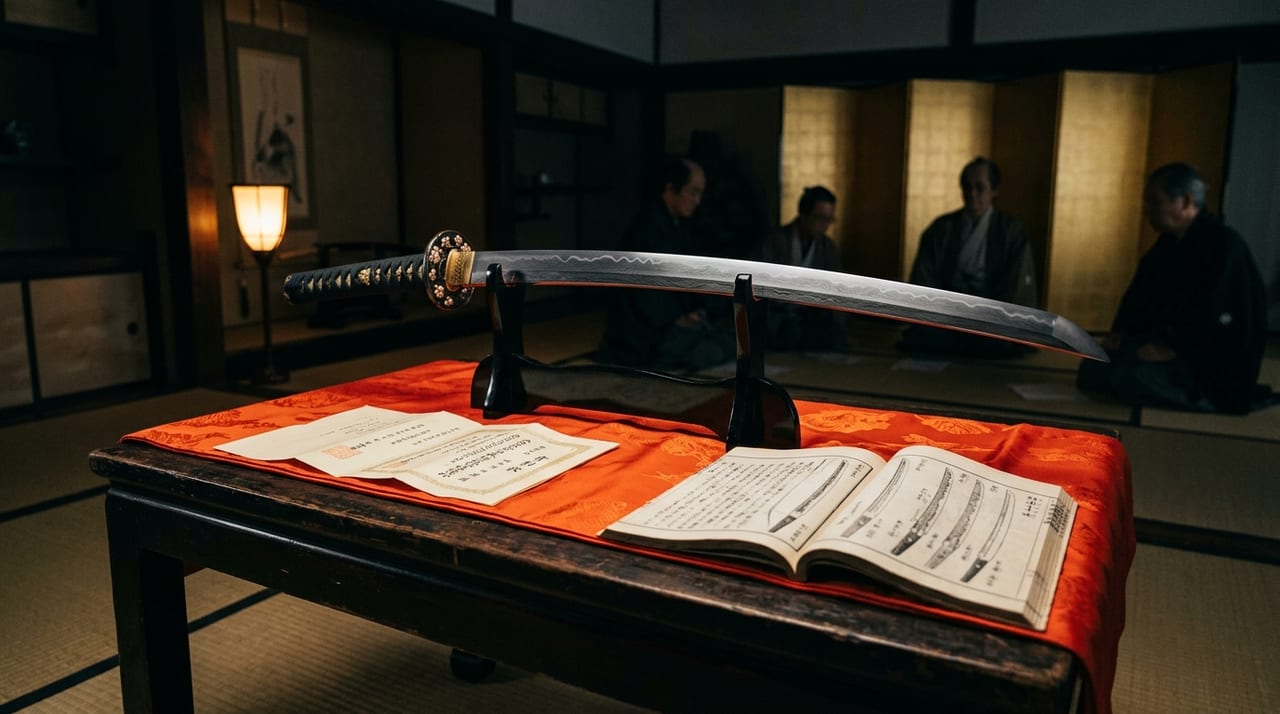 * Image is for illustrative purposes only.
Table of Contents
The Kamakura Shogunate and the Explosive Growth of Sword Demand
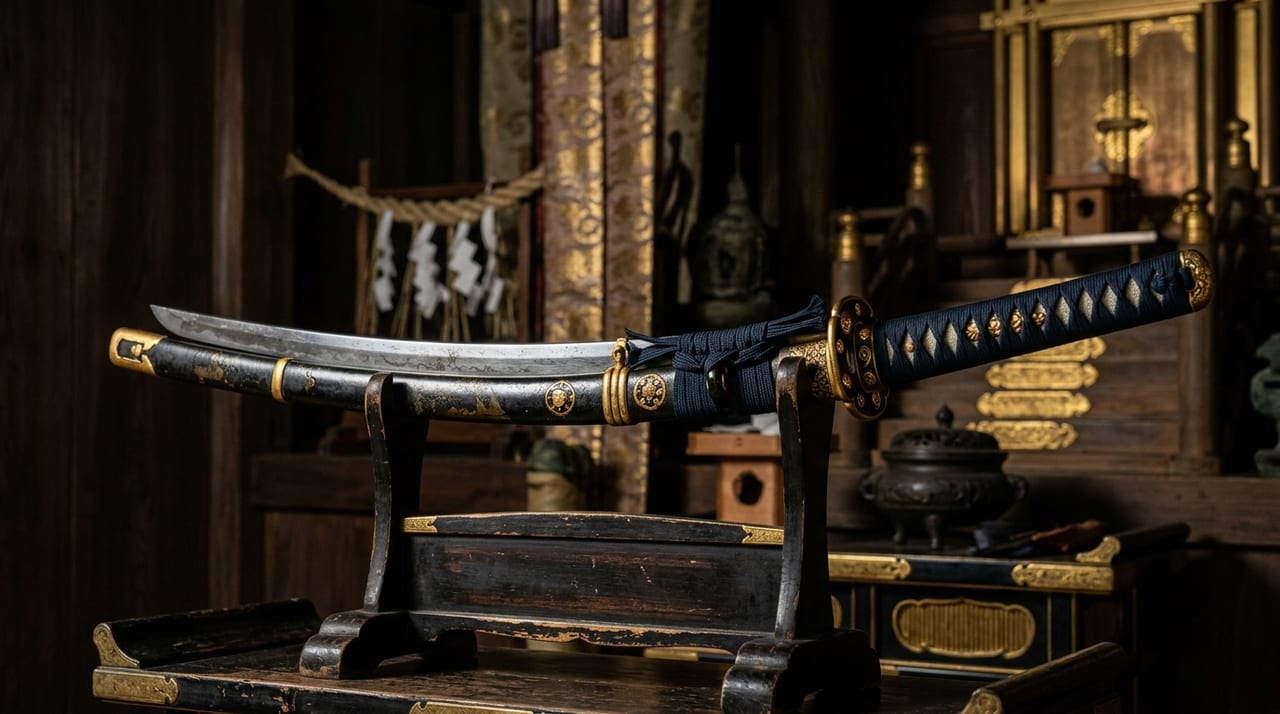
The Kamakura period (1185–1333) was one of the most important turning points in the history of the Japanese sword. During this era, the rise of the warrior class and the establishment of the Kamakura shogunate expanded demand for swords to a degree incomparable with the ritsuryō period.
The successive large-scale battles of the Hōgen and Heiji Disturbances (1156, 1159) at the end of the Heian period, and then the Genpei War (1180–1185), demonstrated that warriors would consume swords in large numbers. The establishment of the Kamakura shogunate's gokenin system meant that armed warriors were permanently stationed throughout the country, and the function of the sword shifted from "ceremonial object" to "practical weapon." This change in demand prompted a major transformation in the sword production system.
Supplying Swords to the Gokenin — The Shogunate's Procurement System
The Kamakura shogunate did not have a system for directly distributing swords to gokenin. Each gokenin operated under the principle of self-provisioning, equipping themselves at their own expense, but the shogunate indirectly organized the supply system through the protection and cultivation of tōkō.
Direct shogunate attachment of tōkō: A system developed in which renowned tōkō were placed under direct shogunate authority as "oban kaji." This ensured a stable supply of the highest-quality swords to the shogun and powerful gokenin. Masamune (Okazaki Masamune), who was active in the later Kamakura period, also developed within this context. The process by which Sōshū-den was established — the tradition that produced Masamune — is discussed in detail in Sōshū Yukimitsu and the Formation of Sōshū-den.
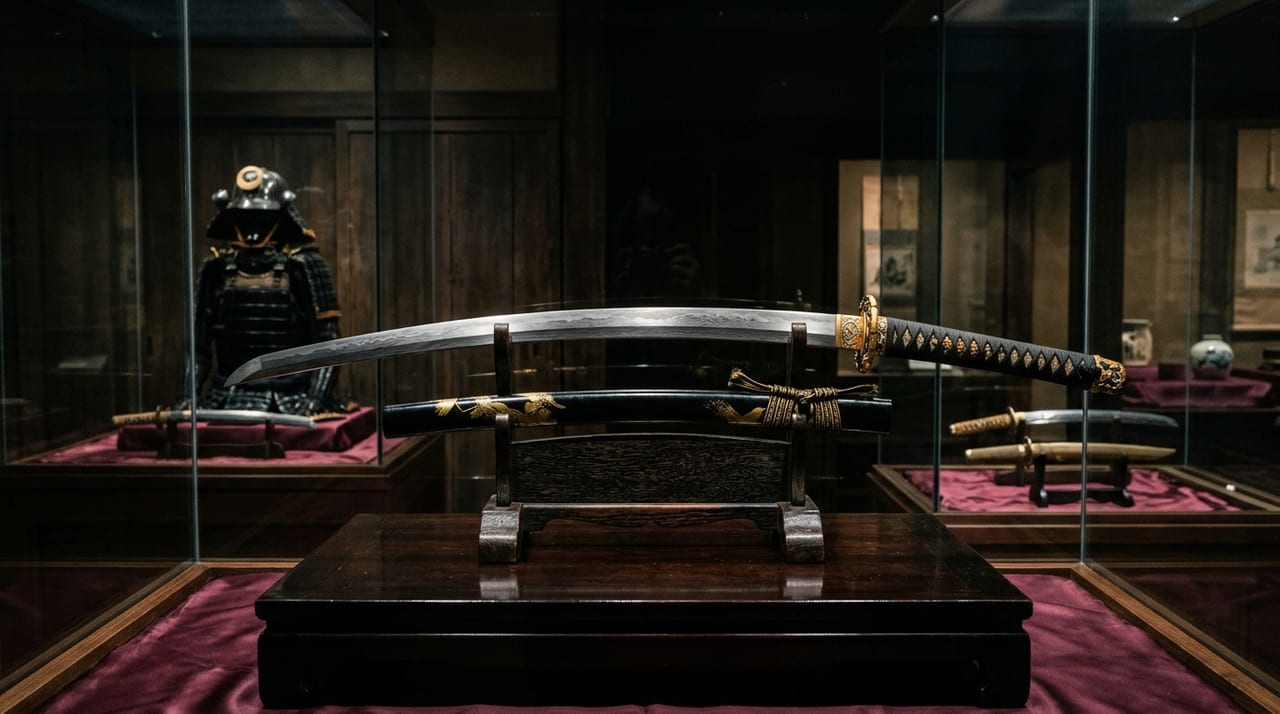
Formation of production centers and division of labor: During the Kamakura period, tōkō increasingly concentrated in specific regions, forming distinct production centers. Osafune in Bizen Province (present-day Okayama Prefecture) was the most typical example, giving rise to a "town of swords" where numerous tōkō were clustered. A complete 700-year history of the Osafune school is compiled in The Complete 700-Year History of the Bizen Osafune School.
The Workshop Organization of Bizen Osafune — A Pioneer in Mass Production
Osafune in Bizen Province became Japan's largest sword-producing center from the Kamakura period through the Nanbokuchō period. Its organized production system was groundbreaking for its time.
Development of the division of labor: At Osafune, it is said that kaji who forged the blade, "hashi (edge specialists)" who applied the hamon, and "togishi (polishers)" who performed the finishing were engaged in a division of labor. This greatly improved production efficiency.
Formation of schools and lineages: Master swordsmiths such as Mitsutada, Nagamitsu, and Kagemitsu formed the "Osafune school," systematizing the transmission of techniques and quality control. The apprenticeship-based system for transmitting skills allowed for both standardization of quality and mass production.
Securing raw materials: Bizen Province was situated near sources of quality iron sand and charcoal, enabling a stable supply of raw materials. The iron sand of the Yoshii River basin and the charcoal of the Chūgoku Mountains supported the production of Osafune tōkō.
Technical Characteristics of Bizen Blades
Technical characteristics seen in the works of Osafune-line tōkō from this period:
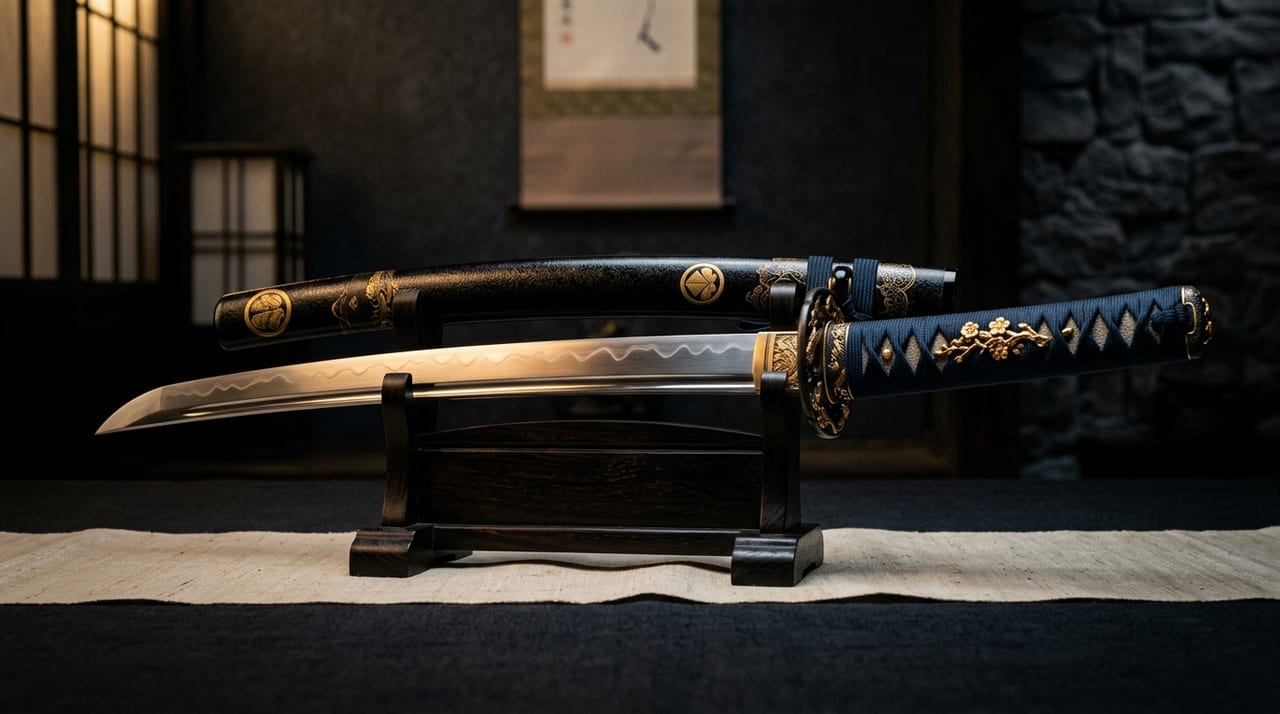
- hamon: A striking hamon centered on chōji-midare. Osafune blades with vermillion-lacquered koshirae were prized as gifts in both court and warrior society.
- jigane: Typically itame-nagare (flowing itame), with a bright, clear jigane.
- Construction: shinogi-zukuri became standardized during the Kamakura period, and nearly all blades of this era adopt this form.
The Yamashiro and Yamato Workshops — Craftsmen Who Answered the Capital's Demand
Not only Bizen, but Yamashiro Province (present-day Kyoto Prefecture) and Yamato Province (present-day Nara Prefecture) also developed important sword-producing centers.
Tōkō of Yamashiro Province (Yamashiro-den): Schools such as Awataguchi and Rai produced high-quality swords for Kyoto's aristocrats and upper-tier warriors. Rather than the mass production of Bizen, the characteristic was artisanal production with great care devoted to each individual blade.
Tōkō of Yamato Province (Yamato-den): Tōkō were active as "temple and shrine craftsmen (jisha kōnin)" attached to the great temples and shrines of Nara. Schools such as Tegai, Senjuin, and Taima existed. Stable demand backed by religious authority supported the workshops.
The Mongol Invasions and Their Impact on Sword Production
The Mongol invasions of 1274 (the Bun'ei Invasion) and 1281 (the Kōan Invasion) gave a major stimulus to Japanese sword production.
The combat experience of the Mongol invasions brought Japanese warriors practical data that swords had broken or had their edges chipped. This is said to have led to technical demands for improving blade strength, accelerating advances in the structure of kawagane and shingane and in yaki-ire (quenching) techniques.
Furthermore, the defense-reinforcement policies following the Mongol invasions further drove up demand for swords, leading to expanded production volume at Osafune. The establishment of the Kyushu Tandai and the strengthening of defenses around Hakata also generated sword demand in the Kyushu region.
The Transition from Late Kamakura to Nanbokuchō — Reconciling Mass Production and Quality
The late Kamakura period (late 13th to early 14th century) was an era in which mass production and quality improvement advanced simultaneously.
The emergence of Sōshū-den: The tōkō Masamune of Kamakura established Sōshū-den. A new aesthetic — "the beauty of nie" — was added to the world of the Japanese sword, pointing toward a technical direction different from the existing Bizen-den and Yamashiro-den.
Bridge to the Nanbokuchō period: The upheaval of the late Kamakura period (the Genkō Disturbance, 1331–) generated further demand for swords. During this period of turmoil, tōkō dispersed and relocated throughout the country, laying the groundwork for the formation of regional production centers.
Conclusion — The Structural Legacy the Kamakura Period Gave to the Japanese Sword Industry
The sword industry of the Kamakura period established the foundations of the modern Japanese sword:
- Formation of production centers: The three major production centers of Bizen, Yamashiro, and Yamato were established.
- Development of the division of labor: The division of labor among tōkō, hashi, and togishi increased productivity.
- School and lineage system: Systems for transmitting techniques and managing quality were established.
- Coexistence of practicality and beauty: Value as a combat weapon and value as a gift and ceremonial object coexisted.
The industrial foundations established by the tōkō of the Kamakura period supported the successive wars of the Nanbokuchō, Muromachi, and Sengoku periods, and elevated the Japanese sword to the highest standard of bladed weapons in the world.