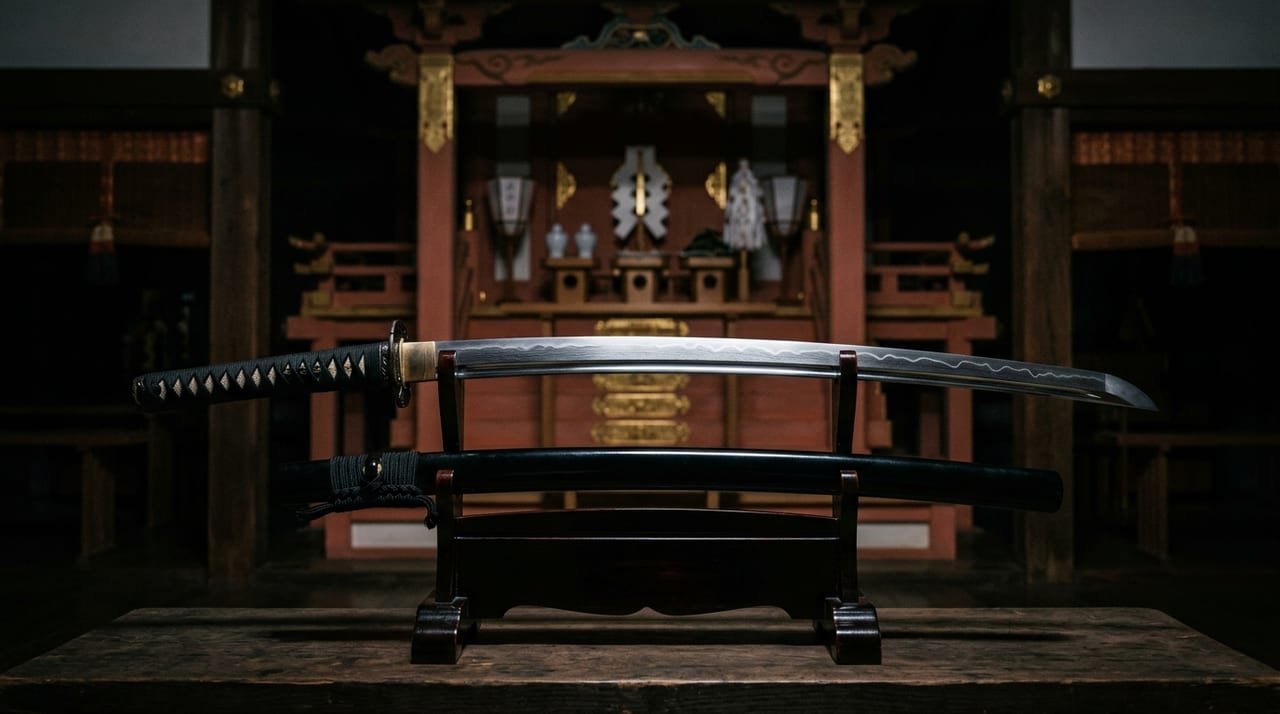
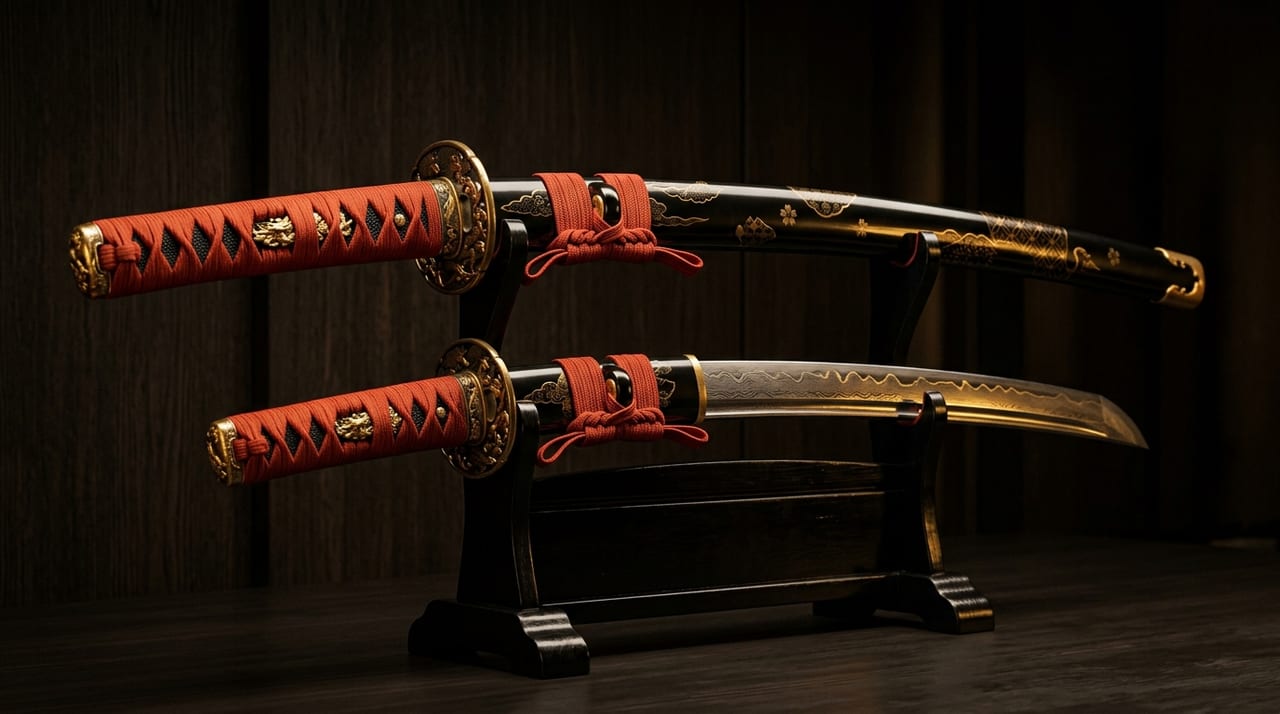
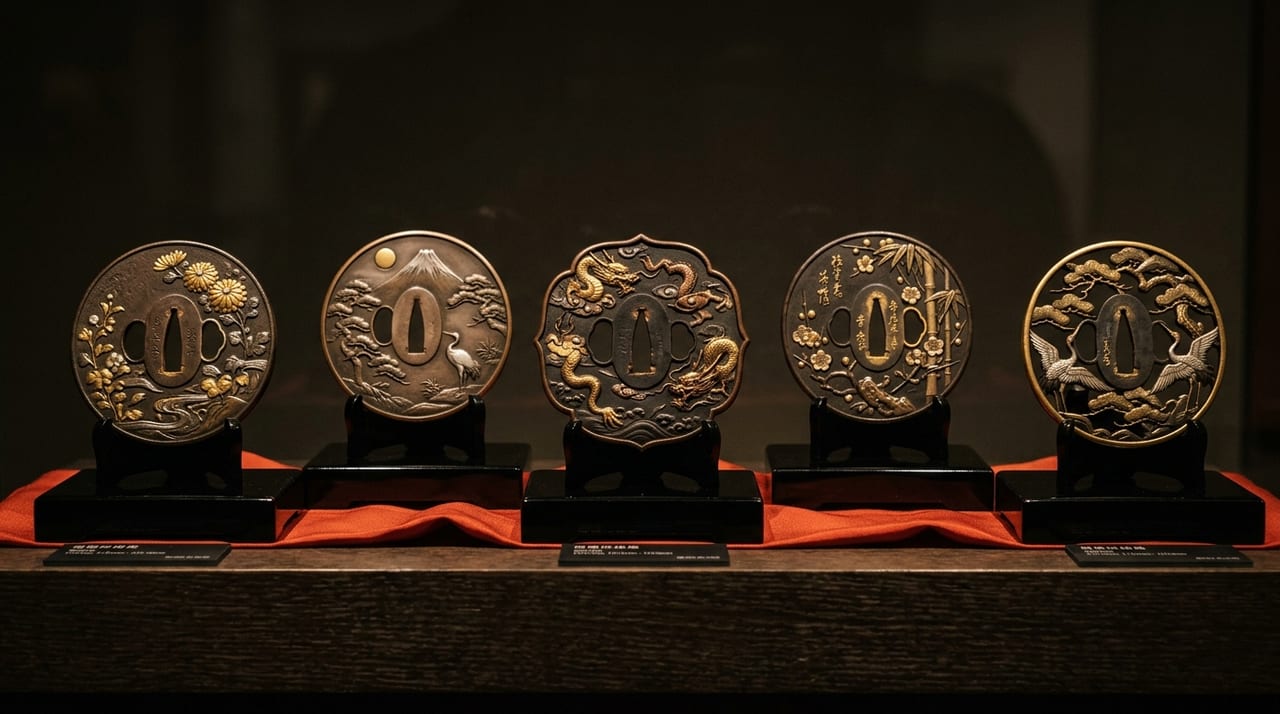
Koyama Munetsugu's Legacy as a Master Swordsmith: A Treasure of the Suishinshi Masahide School in the Late Edo Period
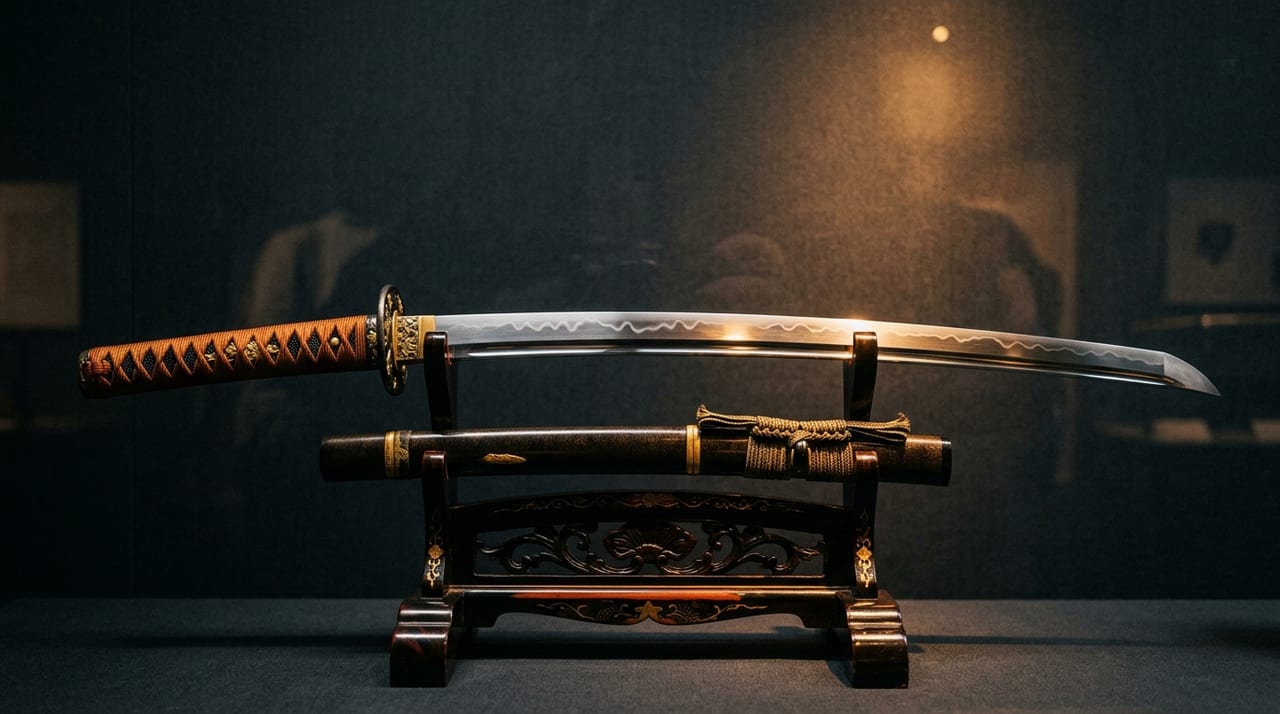 * Image is for illustrative purposes only.
Table of Contents
Koyama Munetsugu: The Man Behind the Title "Kantō's Finest Swordsmith"
Koyama Munetsugu (1803–1854) was a master swordsmith of the shinshintō period who, in Bakumatsu-era Edo, was hailed by the sword world as "Kantō's finest swordsmith." This accolade was far more than mere flattery—it reflected the high esteem in which he was held by the shogunate, feudal houses, and sword connoisseurs of the time.
Yet today, Koyama Munetsugu is far less famous than Suishinshi Masahide, the "founder of shinshintō." This is partly due to the difficulty of authenticating his works (the problem of false signatures), and partly because Suishinshi Masahide, as the "founder of shinshintō," monopolizes theoretical and historical attention. This article reassesses the true picture of Koyama Munetsugu through the course of his career and the technical characteristics of his work.
Early Life and Apprenticeship: Under Chōunsai Tsunatoshi
Koyama Munetsugu is said to have been born in Kyōwa 3 (1803), though his exact birthplace is uncertain. Aspiring to become a swordsmith from childhood, he is believed to have apprenticed himself to the Edo swordsmith Chōunsai Tsunatoshi (the younger brother of Katō Tsunahide).
His Teacher, Chōunsai Tsunatoshi
Chōunsai Tsunatoshi was an accomplished smith of the Edo shinshintō period, and under him Koyama Munetsugu thoroughly learned everything from the fundamentals of forging to the techniques of each tradition. Suishinshi Masahide (1750–1825) is called the "founder of shinshintō" and is known for his writings Tōken Jitsuyō Ron and Tōken Bengi, which advocated a return to the old swords (kotō), but Koyama Munetsugu's direct teacher was Chōunsai Tsunatoshi, not Suishinshi Masahide.
Under Chōunsai Tsunatoshi, he received rigorous instruction in:
- The appreciation and study of old swords
- The use of tamahagane (jewel steel)
- Technical research into the various traditions, including Bizen, Yamashiro, and Sōshū
Independence and Establishment of Style: Devotion to the Bizen Tradition
After completing his training under Chōunsai Tsunatoshi, Koyama Munetsugu became independent and opened his own workshop in Edo. At first he produced copies in the various traditions, but over time his devotion to the Bizen tradition grew stronger. Koyama Munetsugu's greatest distinction lies in his ability to produce the flamboyant chōji-midare of the Bizen tradition at will.
Why He Chose the Bizen Tradition
The reasons for Koyama Munetsugu's devotion to the Bizen tradition include:
- The technical challenge of chōji-midare: Chōji-midare is a demanding hamon that requires precise control of how the clay is applied and how the blade is quenched, and it was regarded as the best measure of a smith's skill
- Distinction within the Edo sword world: By pursuing the brilliance of the Bizen tradition among the smiths of his teacher Chōunsai Tsunatoshi's line, he established a position of his own
- Demand from the shogunate and daimyo: The splendid chōji-midare hamon suited the aesthetic sense of the warrior class, and he won many commissions from daimyo houses
Koyama Munetsugu's Bizen tradition is original in that he added his own distinctive feature: "bright, clear ground steel."
Technical Characteristics of Representative Works: How to Identify a Koyama Munetsugu Blade
Hamon (Blade Pattern)
Koyama Munetsugu's hamon falls mainly into two types:
Chōji-midare: His most typical pattern. Found in works influenced by the Bizen tradition, the chōji are arranged in an orderly way yet full of variation. His splendid chōji-midare was the core technique that supported his reputation as "Kantō's finest."
Suguha-deki (straight hamon): Fine nie are distributed evenly, with abundant ashi and yō at work.
Jigane (Ground Steel)
The heart of Koyama Munetsugu's reputation is his "bright, clear ground steel." The ko-itame hada is tightly forged and uniform, and the entire surface of the ground shines brightly. The phrase "the ground steel is lively" appears frequently in appraisal certificates.
Bōshi (Tip Pattern)
Ranging from ko-maru to chū-maru, with a deep turn-back (kaeri). Some bōshi crawl back (hai). The overall impression is orderly.
"Kantō's Finest": His Position in the Sword World of His Time
Several factors lie behind Koyama Munetsugu's reputation as "Kantō's finest":
Technical Factors
Among the swordsmiths of Edo at the time, few could supply works of such consistently high quality as Koyama Munetsugu. His name stood high in the Edo sword world, and the esteem of shogunate officials and daimyo houses produced the title "Kantō's finest."
Social Factors
His record of supplying swords to shogunate dignitaries and daimyo houses raised his standing. Koyama Munetsugu worked as a swordsmith for the shogunal sphere (not as a retained smith, but as a smith with a record of deliveries to daimyo houses), and the social trust this earned gave him the title "Kantō's finest."
Influence on Disciples: The Formation of the Koyama School
Koyama Munetsugu trained many disciples. Koyama Munehira and Koyama Munejirō are known as representative disciples, though accounts of the lineage differ.
As Koyama Munetsugu's techniques passed through his disciples to smiths of the Bakumatsu and early Meiji periods, a technical lineage sometimes called the "Koyama school" took shape. Even after the Meiji Sword Abolition Edict, smiths with Koyama-line techniques held a place in the sword world.
How His Reputation Changed After His Death
Koyama Munetsugu died in 1854 (Ansei 1), at the age of 51. This was the year after Perry's arrival (1853), just before the upheavals of the Bakumatsu period began.
Meiji to Taishō periods: After the Sword Abolition Edict (1876), the reputation of shinshintō as a whole declined for a time, yet Koyama Munetsugu continued to be remembered as one of the great masters.
Shōwa period: After the Nippon Bijutsu Tōken Hozon Kyōkai (NBTHK) was established (1948) and the appraisal system took shape, authentication of Koyama Munetsugu's genuine works advanced, and several works were designated at the Important Sword level.
Today: As shinshintō research has deepened, the technical assessment of Koyama Munetsugu has risen again. Regarded as "the pinnacle of Bakumatsu Edo swordsmiths," his works remain highly popular in the collector market.
Conclusion: The Shinshintō Ideal Embodied by Koyama Munetsugu
On the foundation he acquired under Chōunsai Tsunatoshi, Koyama Munetsugu established both the brilliant technique of Bizen-tradition chōji-midare and his own aesthetic standard of "bright, clear ground steel." This was not mere imitation but a distinctive achievement born of the shinshintō era.
Amid the upheavals of the Bakumatsu period, Koyama Munetsugu quietly kept forging swords and left works worthy of the title "Kantō's finest." His technical legacy continues to offer rich insight to sword enthusiasts and researchers today.