Koyama Munetsugu — Master Bladesmith of Late Edo Shinto Swords, Eastern Japan's Preeminent Crafted Blades and Lineage
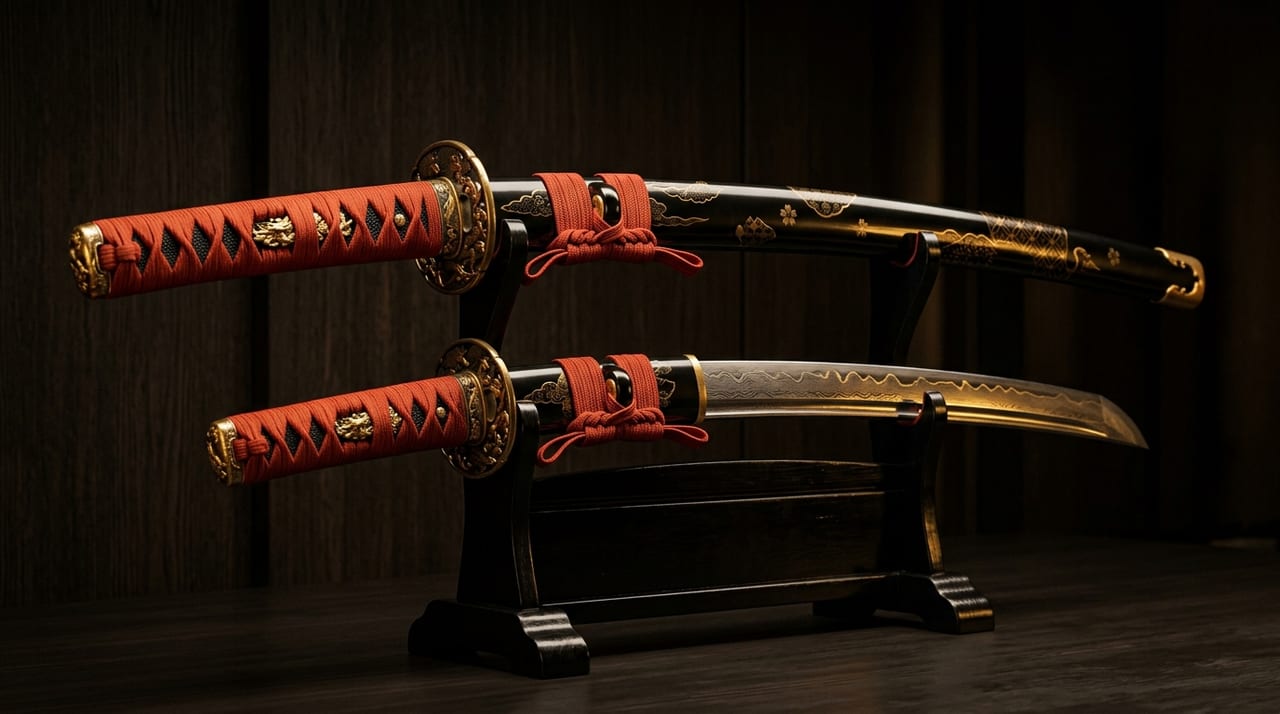 * Image is for illustrative purposes only.
Table of Contents
Who Was Koyama Munetsugu?
Koyama Munetsugu (固山宗次; born Kyōwa 3 = 1803, died around the early Meiji period) was a master swordsmith of the shinshintō period, active from the late Edo period through the Bakumatsu era. His personal name was Koyama Yagorō; he was born in Shirakawa, Mutsu Province (present-day Shirakawa City, Fukushima Prefecture), and went to Edo to follow the path of the swordsmith.
Together with his contemporaries Minamoto Kiyomaro and Sa Yukihide, Munetsugu is counted among the "Three Great Masters of Kantō Shinshintō." His work is built mainly on the chōji-midare of the Bizen tradition while showing a wide range of techniques, and he is highly regarded as a smith standing at the summit of Bakumatsu swordmaking.
Life and Training
Munetsugu first entered the school of Katō Tsunahide, where he learned the forging methods of the old traditions. After Tsunahide retired, he studied under Chōunsai Tsunatoshi, a fellow member of the same school, and deepened his technique further.
After his training in Edo, the independent Munetsugu established his forge in Edo's Honjo district and met the demand of the late Edo period. This era of upheaval saw sharply increased demand for swords, as patriots participating in the Sonnō Jōi and anti-shogunate movements sought practical combat blades. Munetsugu's blades were favored by many samurai and patriots for their harmonious balance of practicality and artistic excellence.
The Tenpō through Kaei periods (1830s–1850s) are considered Munetsugu's peak years, and many works created during this time remain preserved today. He is believed to have died around the time of the Sword Abolition Edict (1876) following the Meiji Restoration, though his exact year of death remains uncertain.
Style Characteristics — Refined Forging Centered on the Bizen Tradition
Essential to any discussion of Koyama Munetsugu's blades is his deep mastery of the Bizen tradition (Bizen-den).
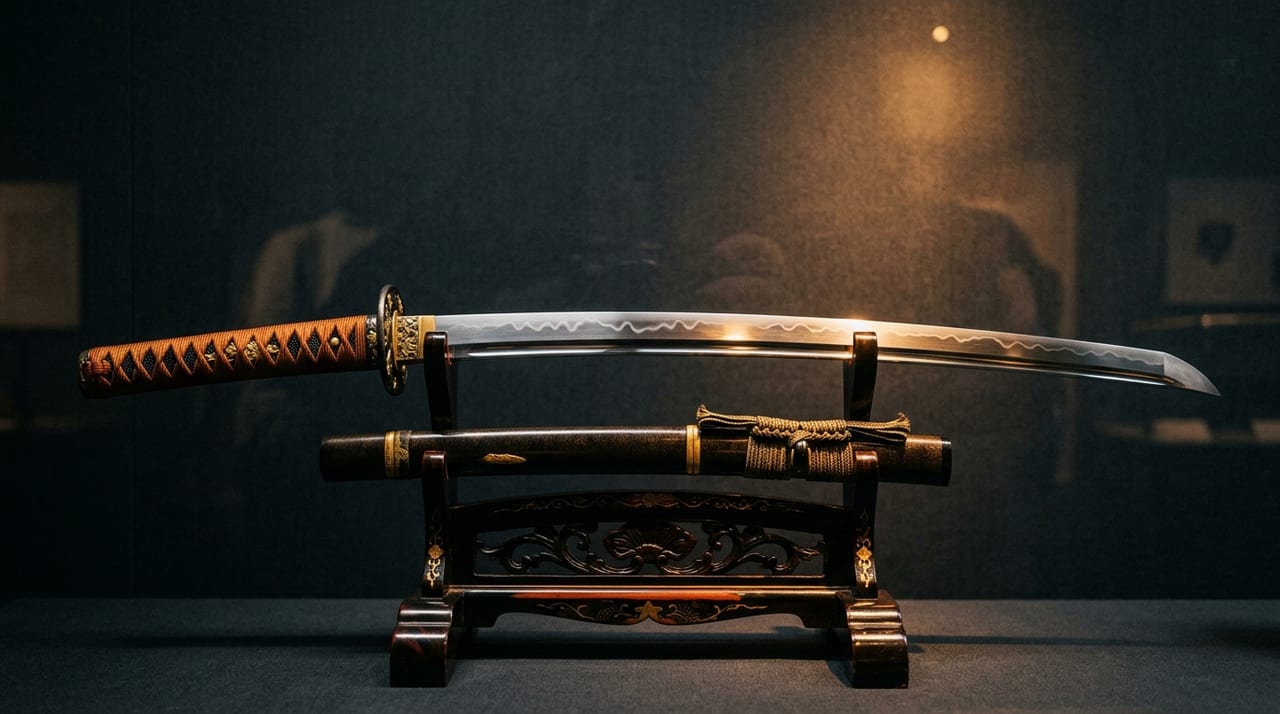
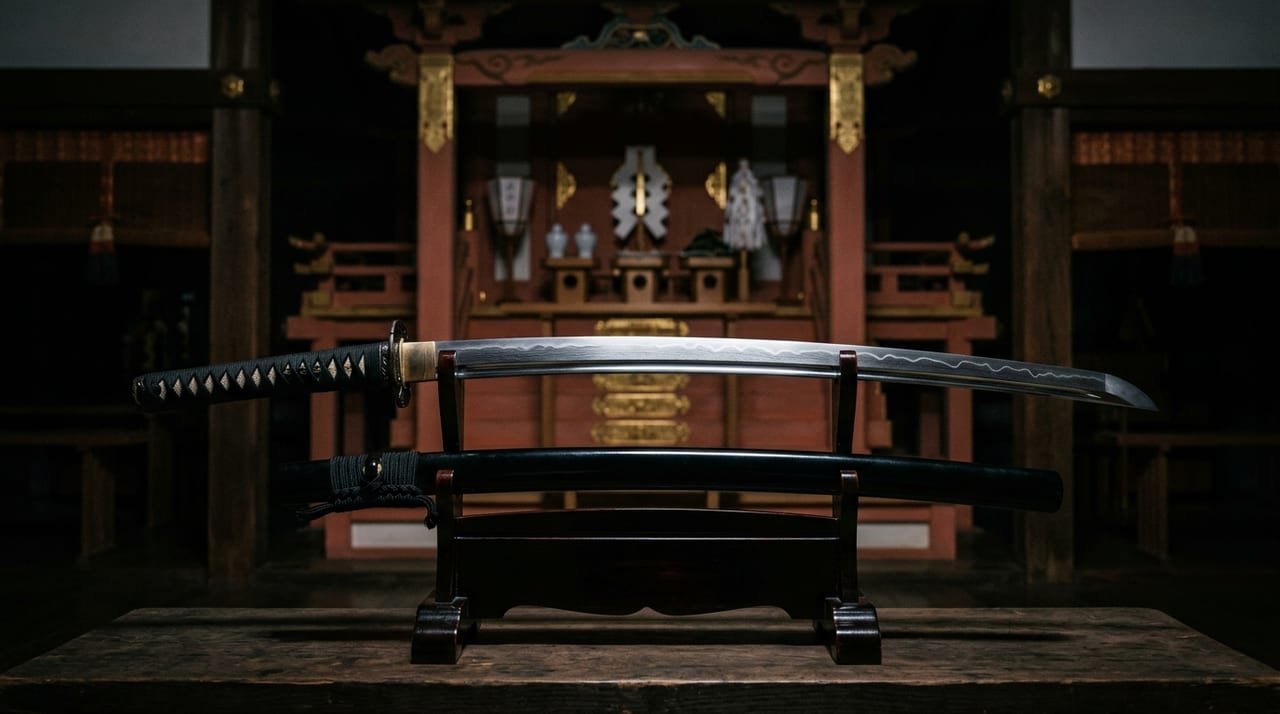
In Munetsugu's Bizen-tradition works, the chōji-midare hamon is superb, with richly varied activity that mixes in notare (undulations). The ground steel shows itame mixed with ko-itame and has a moist, lustrous texture. The beauty of his chōji-midare, modeled on the finest works of Ko-Bizen, Ichimonji, and Osafune, is regarded as Munetsugu's greatest strength.
He also worked with Sōshū-style techniques, and examples showing hitatsura (full temper) and large midare patterns survive. Chikei and kinsuji intertwine intricately, overwhelming the viewer.
His blade profiles often feature a medium point (chū-kissaki) with an elegant curvature, combining practicality with aesthetic appeal.
Representative Works and Locations of Extant Blades
Many of Koyama Munetsugu's works have been designated Important Swords and Especially Important Swords by the Nippon Bijutsu Tōken Hozon Kyōkai (NBTHK), the specialist body that examines Japanese swords.
The following are particularly well known:
- Tenpō-era Bizen-tradition chōji-midare tachi: Renowned for the refinement of the ground steel and the beauty of the midare hamon, and held in several prominent collections
- Kaei-era hitatsura blade: A masterpiece showing a Sōshū-style hitatsura technique
- Signature "Koyama Munetsugu": In most cases the tang (nakago) is inscribed either with the simple signature "Koyama Munetsugu" or with the longer signature "Koyama Munetsugu kore o tsukuru" (Koyama Munetsugu made this)
His works still appear frequently in private collections and specialist sword shops, making him one of the more widely circulated masters among Bakumatsu swordsmiths. Prices range widely from uncertified pieces to Especially Important designations, and blades certified as Important Swords are often valued at several million yen or more.
Koyama Munetsugu's Lineage and Disciples
The disciples who inherited Munetsugu's techniques were active as the "Koyama school" from the Bakumatsu period into the Meiji era. Tairyūsai Sōkan is known as a representative disciple; the disciples carried on their master's forging methods while developing their own styles. Note that Koyama Munehira (固山宗平) was Munetsugu's elder brother, also a swordsmith, and not his disciple.
Munetsugu's style also influenced later modern swords, and many contemporary smiths who pursue revivalist research into the Bizen tradition take Koyama Munetsugu as their model.
Munetsugu in the Context of the Shinshintō Movement
To understand Koyama Munetsugu properly, the context of the shinshintō movement as a whole is essential.
The "return to the old traditions" advocated by Suishinshi Masahide (1750–1825)—a movement to learn from classical masterpieces and overcome technical decline—swept the sword world of the late Edo period. Many excellent smiths emerged from Masahide's school and led the rise in sword quality from the late Edo period through the Bakumatsu era. By way of Katō Tsunahide and Chōunsai Tsunatoshi, Munetsugu inherited the fruits of this movement and left a body of work regarded as the pinnacle of Bakumatsu swords.
Sword Appreciation and Koyama Munetsugu — Points to Observe
When appreciating Koyama Munetsugu's blades, here are the key points that experts observe:
- Hamon (edge pattern) activity: Are the nie particles fine and uniform, and is there rich variation in the hamon such as ashi and yō?
- Ground steel luster: Is the itame and ko-itame pattern densely compacted with appropriate ji-nie?
- Bōshi (tip temper) treatment: The shape of the turn-back, and whether the pattern runs in as midarekomi
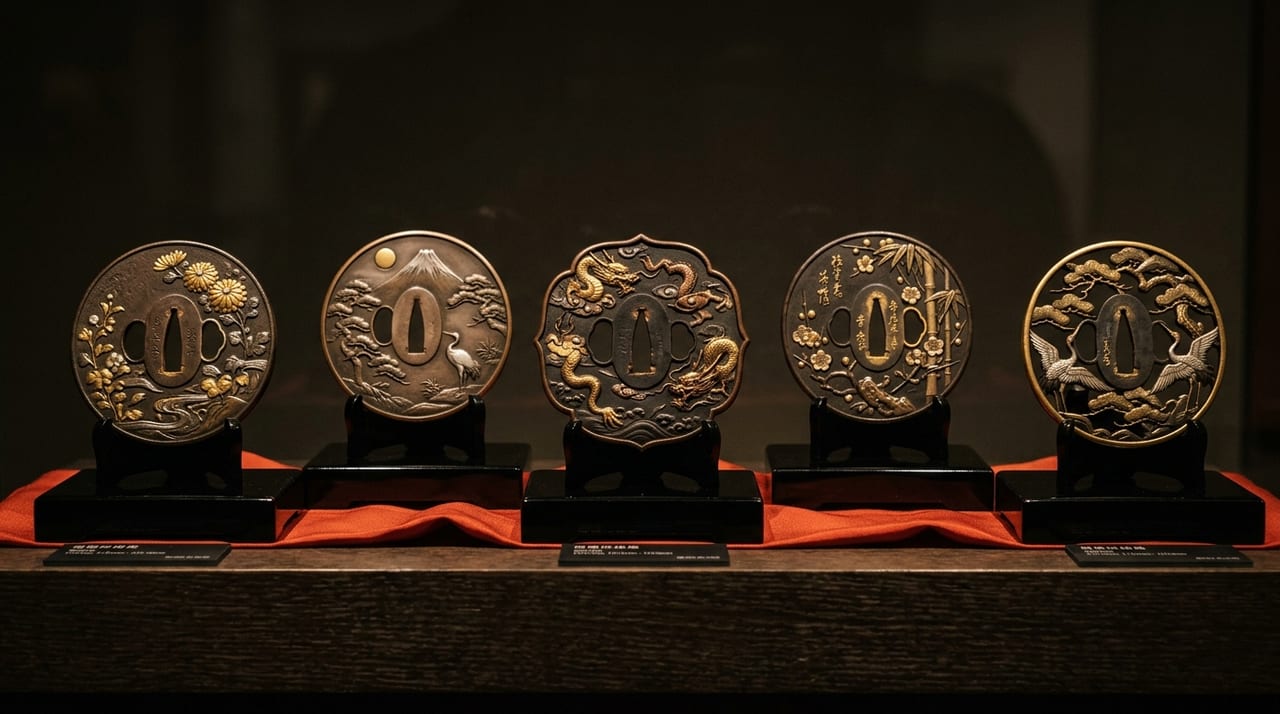
- Tang signature: Characteristics of how "Koyama Munetsugu" is engraved and the chisel work
- Shape (sugata): The line of the shinogi ridge and the form of the point
Grasping these points provides foundational criteria for determining authenticity. Note that there exist forgeries bearing Munetsugu's name; it is recommended that purchases and appraisals always go through examination by an authoritative institution such as the NBTHK.
Sites Associated with Koyama Munetsugu and Contemporary Sword Culture
In Fukushima Prefecture (formerly Shirakawa in Mutsu Province), local historical materials relating to Munetsugu's birthplace remain, and the Japanese Sword Museum in Tokyo (Ryōgoku) holds permanent and special exhibitions of fine Bakumatsu shinshintō swords. Munetsugu's works are sometimes shown in special exhibitions, offering a precious opportunity to see them in person.
As a sword journey tracing the smiths and places connected with him, the Fukushima–Tokyo route is also popular among Japanese sword enthusiasts. By visiting former smithy sites and museums in each area and seeing Bakumatsu blades in person, one can appreciate the greatness of the swordsmith Koyama Munetsugu all the more deeply.