Nouveautés — Découvrez les dernières arrivées dans notre catalogue. Voir →
Aperçus sur les connaissances et la culture du sabre japonais
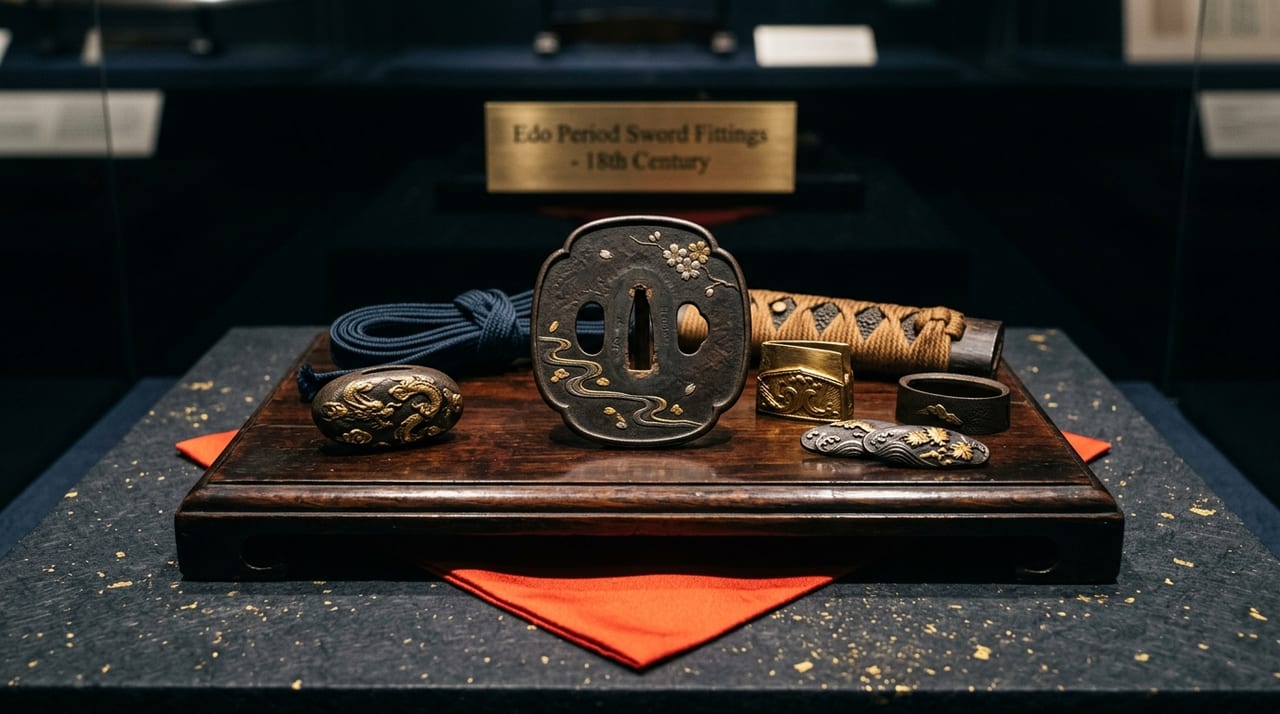
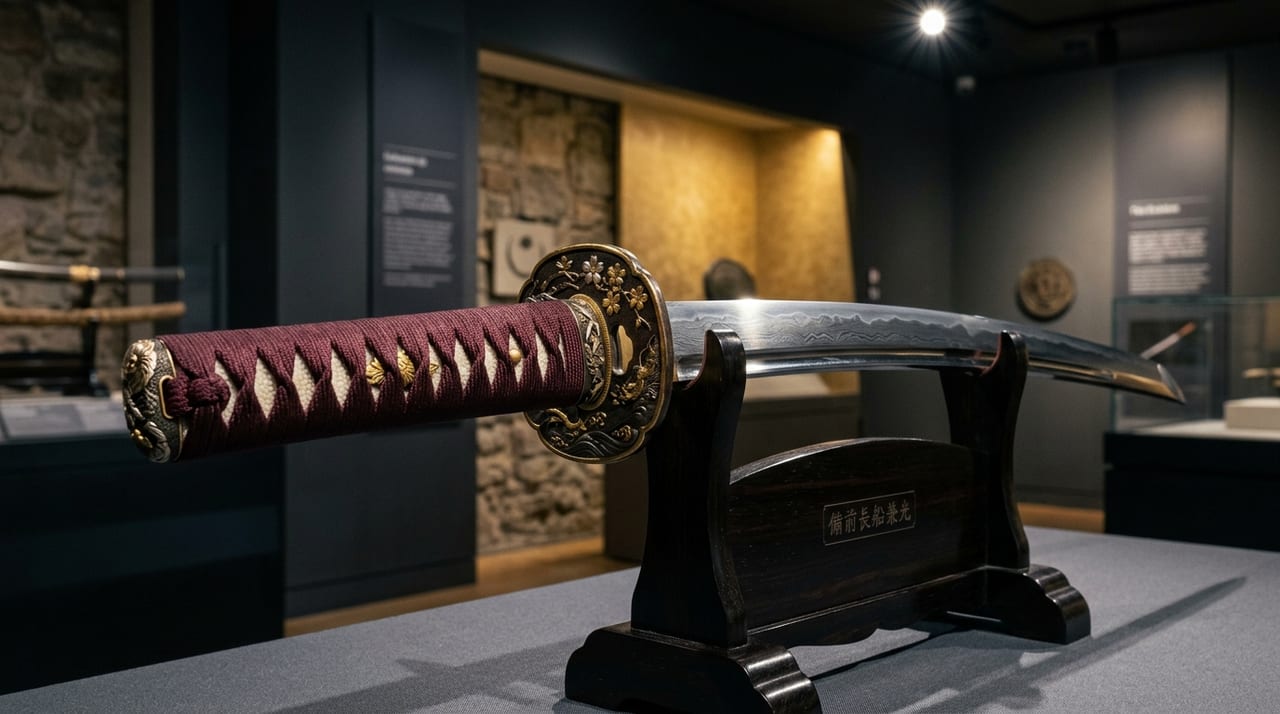
From the perspective of sword-mounting craftsmen, this article explains the structural, material, and production differences in koshirae for uchigatana, wakizashi, and yari. It details why saya shape, tsuka length ratios, and tsuba selection criteria differ by blade type.
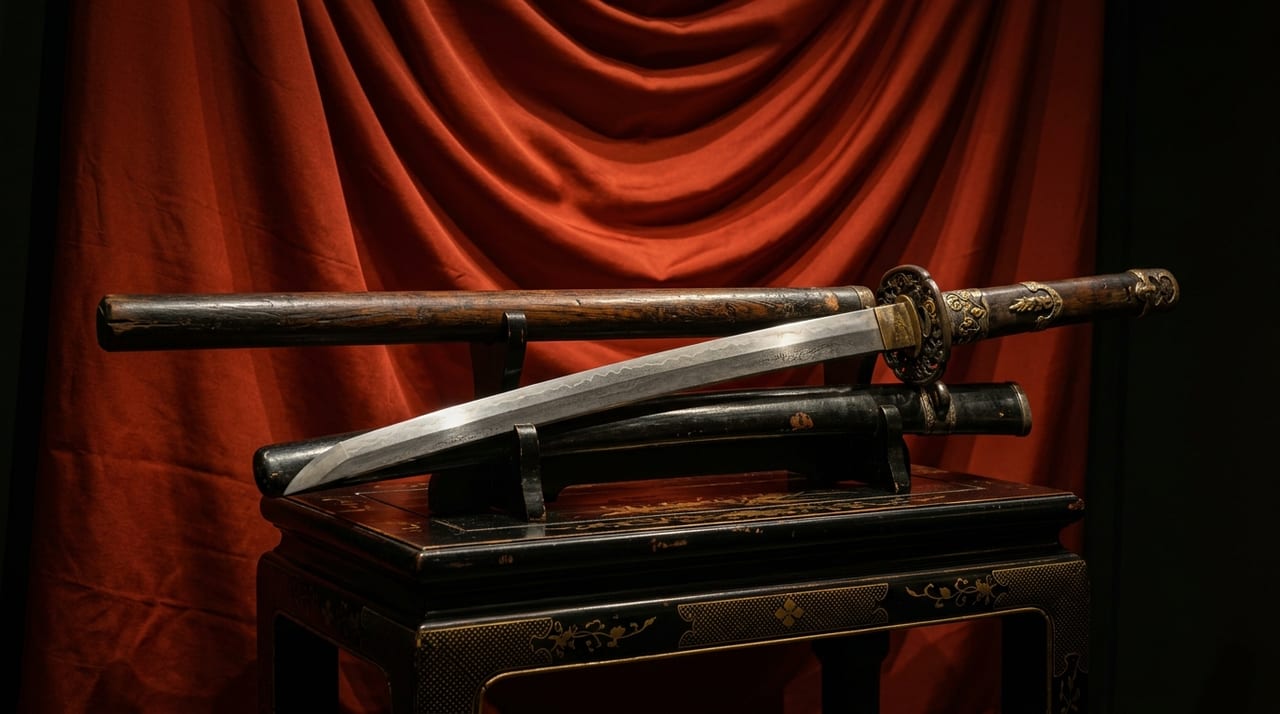
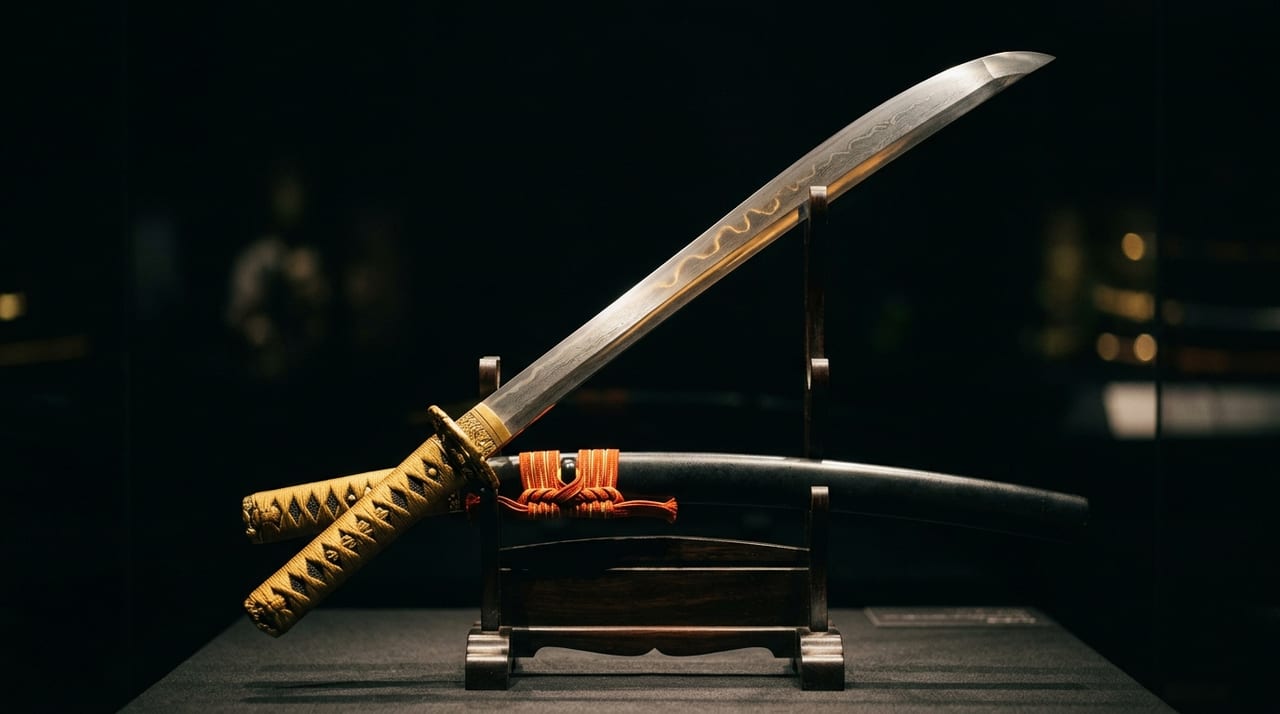
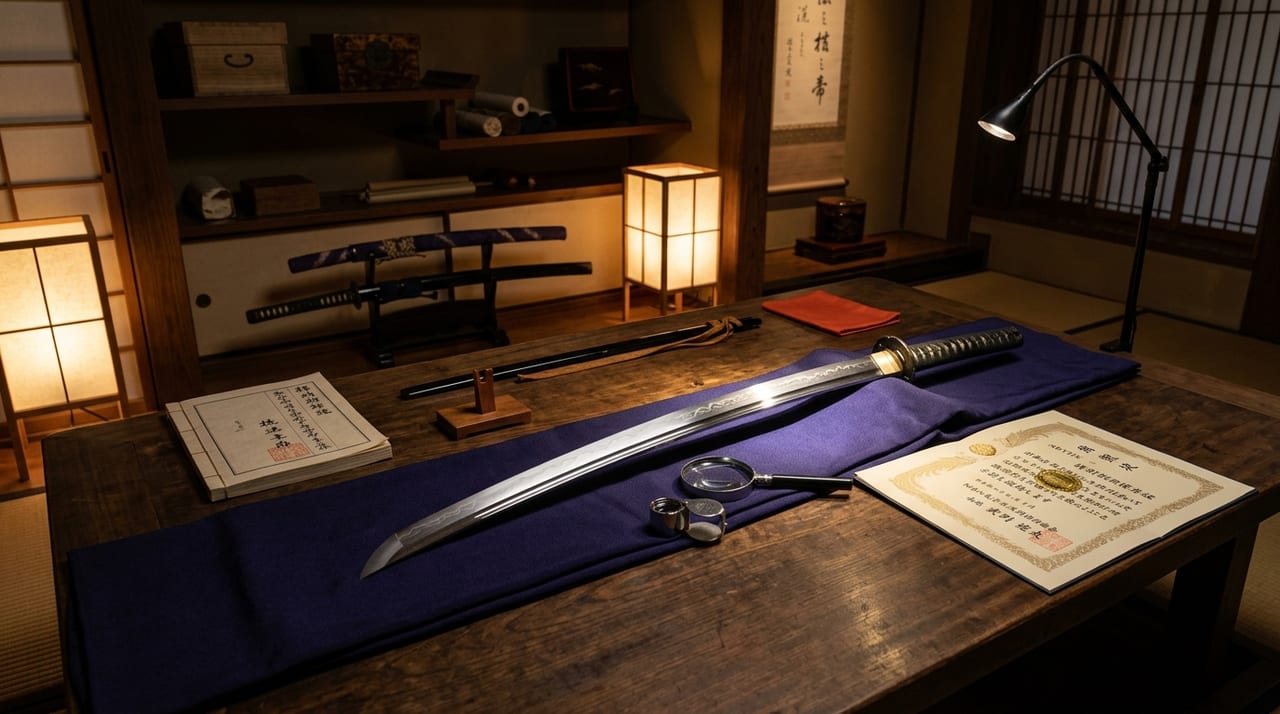
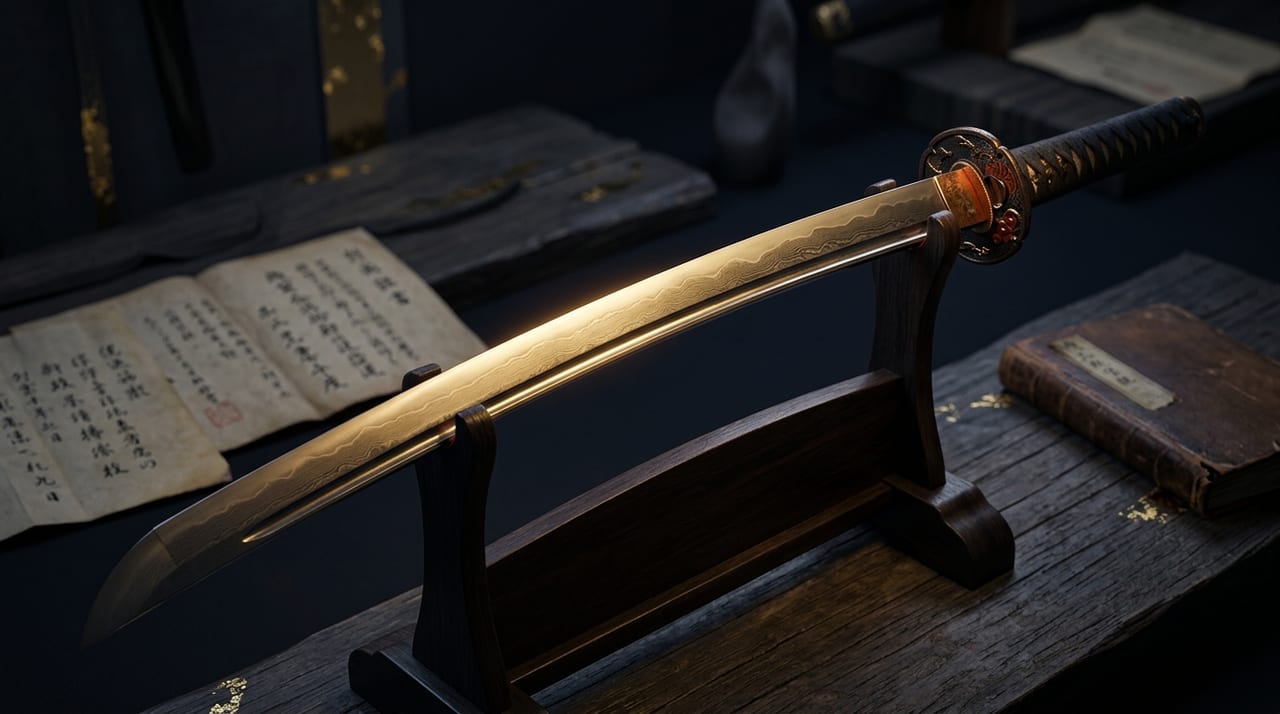
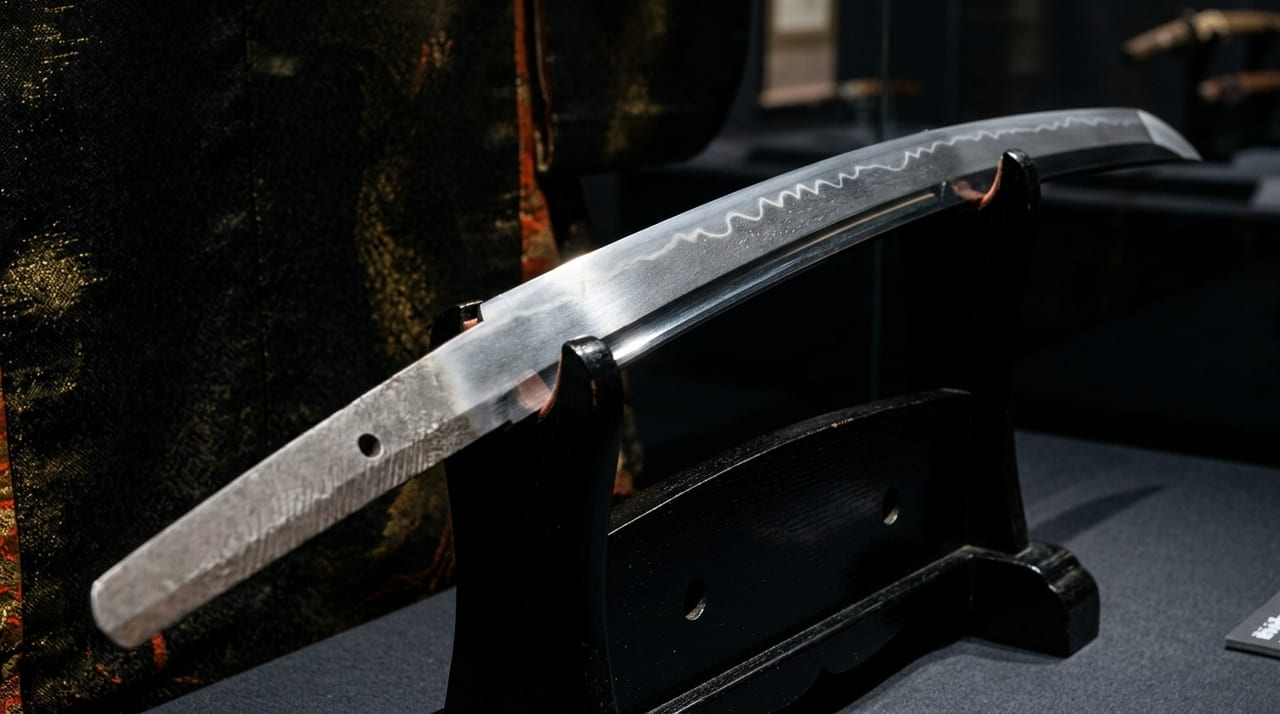
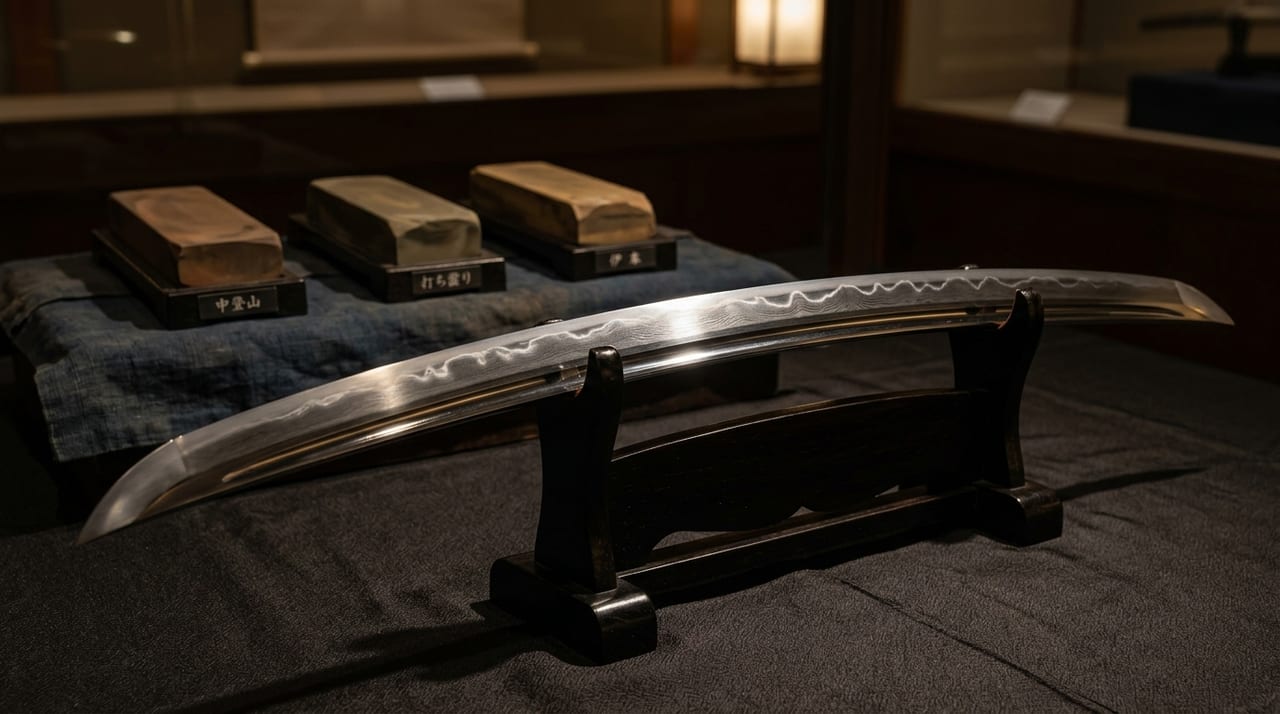
When standing before an authentic Japanese sword in a museum, what should you look for to identify authenticity, origin, and period? This article explains expert observational techniques in an accessible way for beginners, covering light reflection properties, steel grain quality, and hamon particle patterns.
A detailed comparison of authentication certificates for Japanese swords (preservation, important, and special important swords, etc.), covering the credibility of issuing organizations, examination processes, and actual price impacts. Explains the differences between NBTHK, NTHK, and various regional certification bodies.
This article provides a comprehensive practical guide for individual collectors sending Japanese swords abroad to buyers or themselves, covering how to complete METI export permit applications, packaging specifications, criteria for selecting international carriers, and how to use customs brokerage services.
Thorough analysis of Japanese swords as assets. Explains auction price trends, the impact of yen depreciation, price differences with the domestic market, and real returns accounting for storage costs.
This article explains the practical requirements for legally possessing Japanese swords under the Firearms and Swords Control Law, the specific criteria for antique (art object) certification, and the types of registration certificates issued by prefectural boards of education, including legal obligations upon transfer or lapse.
This article explains professional Japanese sword care as practiced by swordsmiths and polishers: the precise sequence and frequency of wiping, uchiko powder, and oil application; the meaning and timing of oil removal (pre-polishing preparation); and the formal protocol for sword appreciation.
From tens-of-thousands-yen wakizashi to hundred-million-yen national treasure tachi, this article systematically explains the three axes that determine Japanese sword value: smith rank and prestige, steel quality and forging method, and historical era classification.
A comparative analysis of the styles of modern sword smiths representing the Reiwa era. Explained from three perspectives—metal grain, blade pattern, and sword form—are which traditions each craftsman inherits and what individuality they bring to their work.
Appraising works by Bizen Osafune Morimitsu, the foremost master of Oei Bizen, is a central challenge in Japanese sword connoisseurship. This guide details the key points of jitetsu, hamon, mei, and sugata for identifying authentic works, lists surviving Important Cultural Properties, and explains how to distinguish Morimitsu from his peer Yasumitsu.
Fujishima Tomoshige, the founder of the Echizen Fujishima school active in Nanbokucho-period Echizen Province, extended his technical influence beyond Echizen into neighboring Kaga (present-day Ishikawa Prefecture), contributing to the formation of the Hokuriku sword tradition as a whole. This article examines the relationship between Tomoshige and the Kaga tradition, the development of Hokuriku sword culture, and his legacy today.
Gojo Kuninaga, active in late Heian-period Kyoto, is one of the earliest masters of the ancient sword tradition. Alongside Sanjo Munechika, he represents the pinnacle of the Yamashiro school in the Heian era, and his works laid the foundation for later Japanese sword culture.