Nouveautés — Découvrez les dernières arrivées dans notre catalogue. Voir →
Aperçus sur les connaissances et la culture du sabre japonais
A thorough analysis of the forging technique of "Honjyo Masamune," regarded as the masterpiece of Masamune. Drawing from authentication records and research literature, we examine how the hallmarks of the Soshu tradition—nie, ji-kei, and hi-atsura—are expressed in this blade.
Detailed analysis of representative works by Koyama Munesuqu, a master swordsmith of the late Edo period. Provides practical knowledge necessary for authenticity assessment, including patterns in nakago mei script, distinctive hada characteristics, and how to read authentication certificates.
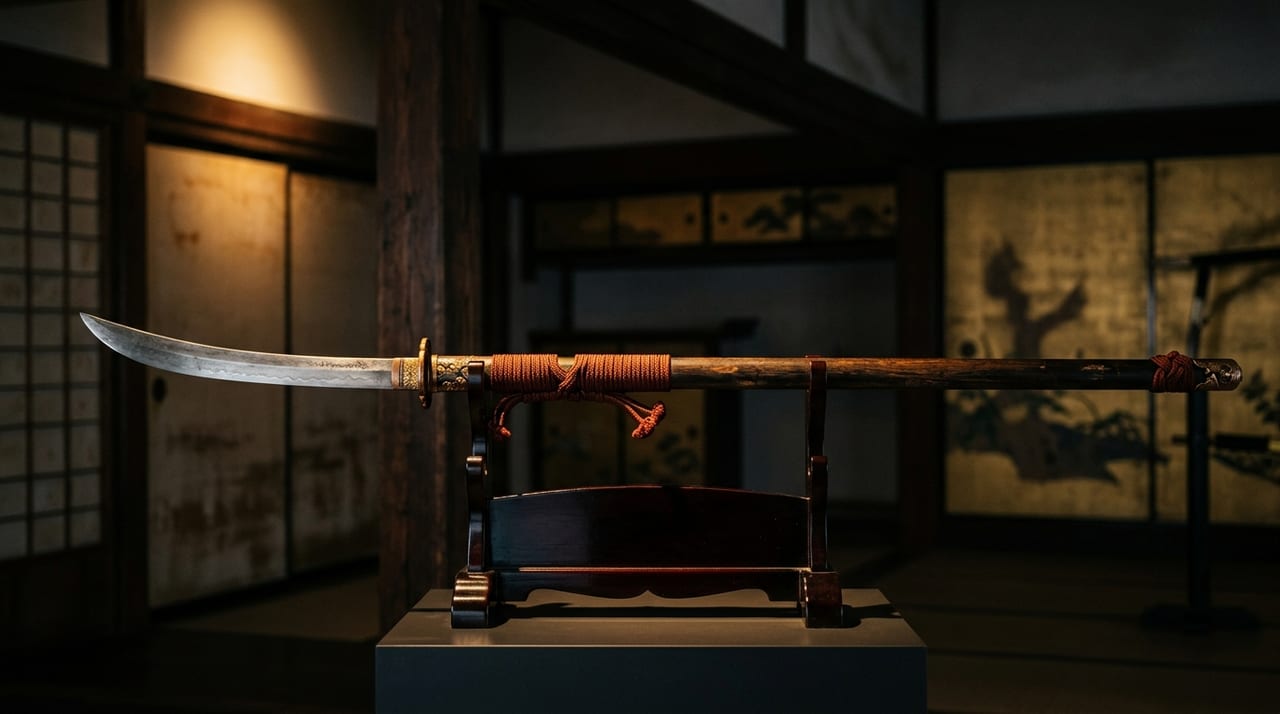
Why did the naginata become established as a samurai woman's weapon? This article historically explains the deep relationship between Japanese women and the naginata, from its practical use in the Sengoku period through samurai etiquette in the Edo period, female school physical education after the Meiji era, to modern naginata martial arts.
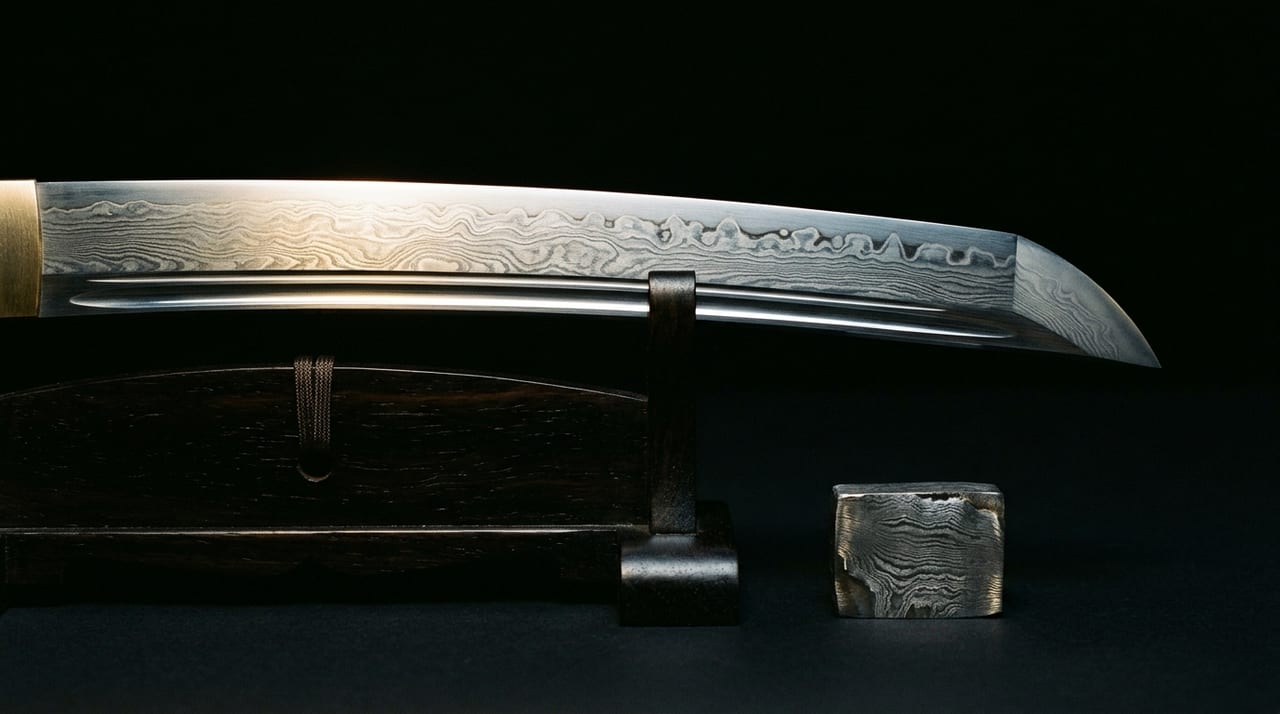
A comprehensive explanation of the difference between "nie" (boil) and "nioi" (scent), the core concepts in Japanese sword appreciation, from the scientific background of metallic structures to practical methods for distinguishing them.
This article explains the techniques for repairing and reusing broken Japanese swords. It provides detailed information on the restoration processes still performed today: the shaping of broken sections by polishers, forge welding by sword-smiths, dimensional changes into tanto and wakizashi, and other restoration methods.
Complete guide for foreign visitors buying nihonto at Japanese sword dealers: legal requirements, price negotiation, registration certificates, export procedures, and finding trustworthy shops.
A practical guide to tax treatment of nihonto investments: estate tax valuation, gift tax, Important Cultural Property deductions, and capital gains on sword sales.
Analysis of the straight-edge blade pattern technique that Osumi Shunpei, a Mukansha swordsmith at the highest level of modern Japanese sword-making, consistently pursues. Explanation of why the top contemporary swordsmith continues to choose "the most difficult blade pattern," along with the technical background and characteristics of his works.
Exploring the swords carried by Shimazu Sakon, the brilliant strategist who served Ishida Mitsunari, and the sword culture of Sengoku-era warriors.
Exploring the swords of Taira no Masakado, leader of the largest revolt of the Heian period, and the sword culture of Kanto warrior clans.
This article explains how the Edo shogunate established the wakizashi blade length regulation (one to two shaku), the historical background, and famous wakizashi, covering the lifting of weapon-carrying restrictions for farmers, merchants, and artisans, the legal meaning of daisho, and the provenance of renowned wakizashi.
Exploring how three swordmaking regions—Soshu, Mino, and Echizen—responded to Edo-period samurai culture by examining the official evaluation system for master swordsmiths (Meiko Iretsu), comparing their distinctive techniques and representative craftsmen across each production center.