Nouveautés — Découvrez les dernières arrivées dans notre catalogue. Voir →
Aperçus sur les connaissances et la culture du sabre japonais
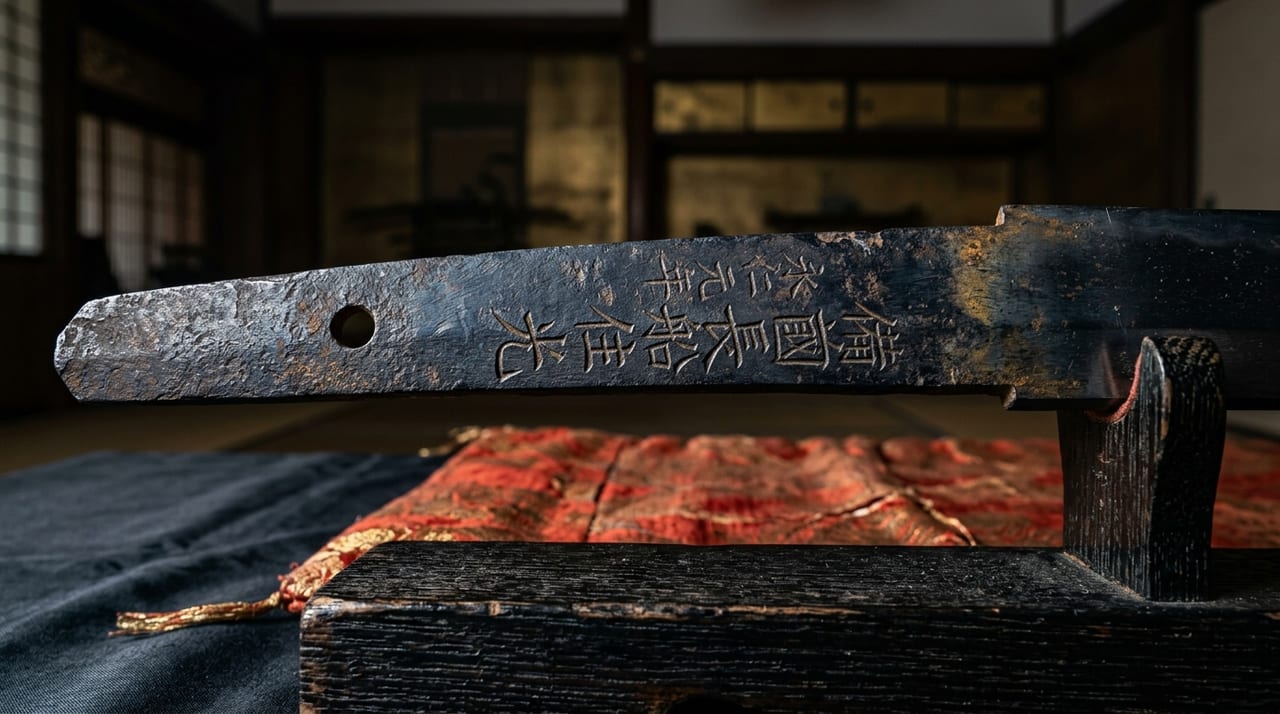
The Onin-Bunmei War (応仁・文明の乱), a major civil conflict from 1467 to 1477 centered in Kyoto, was a historical turning point that dispersed Bizen's blade-smiths throughout Japan and triggered the formation of distinctive regional sword-making cultures in Mino, Sagami, and Yamato.
A comprehensive guide to the legal procedures and practical aspects of shipping Japanese swords internationally, including packaging, customs, and import regulations.
Japanese sword specialized books evolved from Meiji-era scholarly records kept by sword enthusiasts, through the 1948 founding of NBTHK and its Tōken Bijutsu (刀剣美術) journal, the golden age of publishing in the 1960s-80s, to digital transformation in the Heisei period and beyond. This article traces their role in knowledge dissemination and the evolution of publishing distribution.
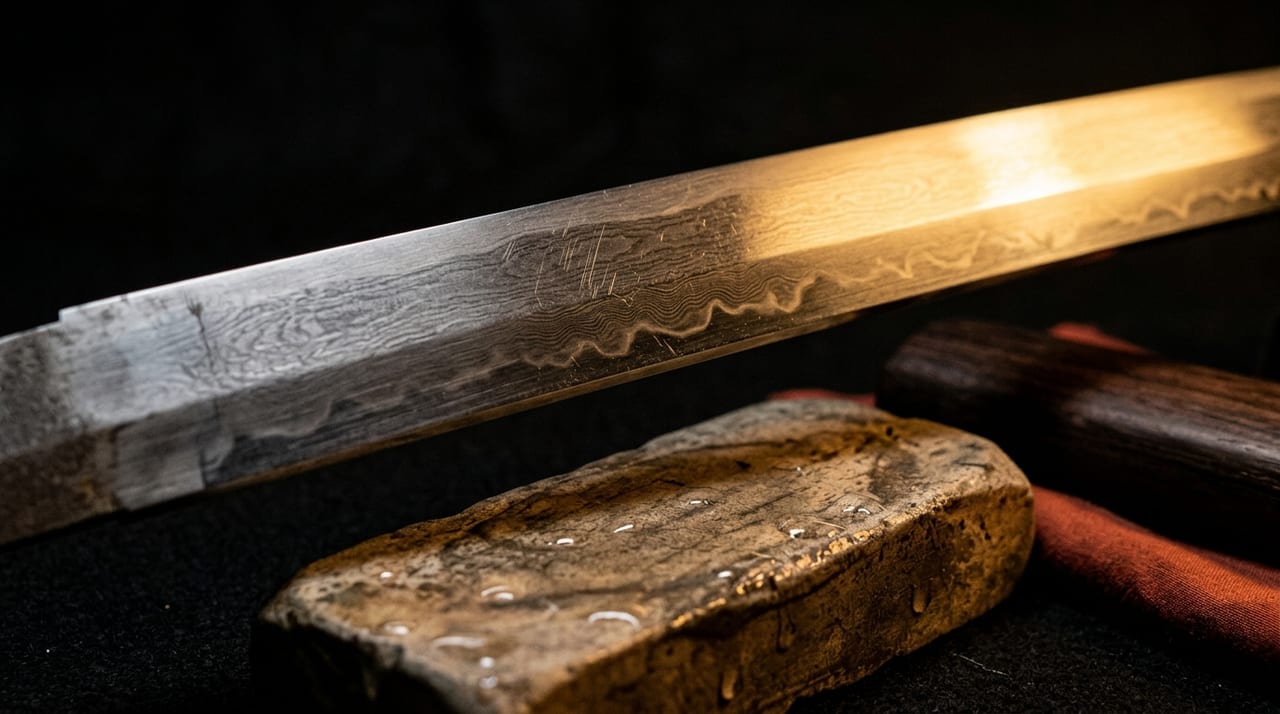
This article scientifically explains how the number of folds in repeated forge-folding (ori-kaeshi tanren / 折り返し鍛錬) affects the steel's layer count, carbon content, surface grain pattern (jitetsu / 地鉄), and blade pattern (hamon / 刃文). By comparing the effects of 15 and 20 folds, it clarifies the basis for why modern swordsmiths consider 10 to 16 folds as the optimal number.
A scientific explanation of why Japanese swords develop their characteristic curve (sori), examining residual stress, martensitic transformation, and differential cooling rates.
An explanation of the "Rikkoku Gohon" system of sword-producing regions and material quality rankings established from the late Heian to Kamakura period.
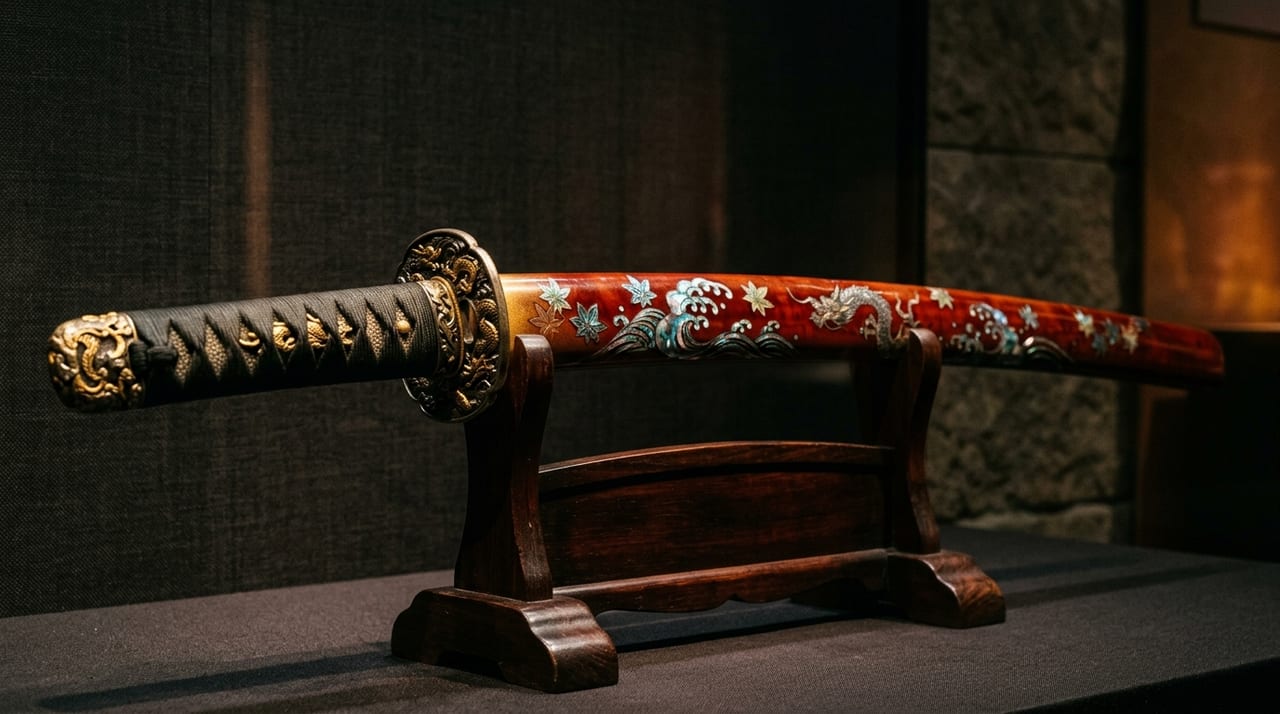
A detailed explanation of sageo—the braided cord attached to Japanese sword scabbards—covering types, materials, color symbolism, and school-specific tying methods.
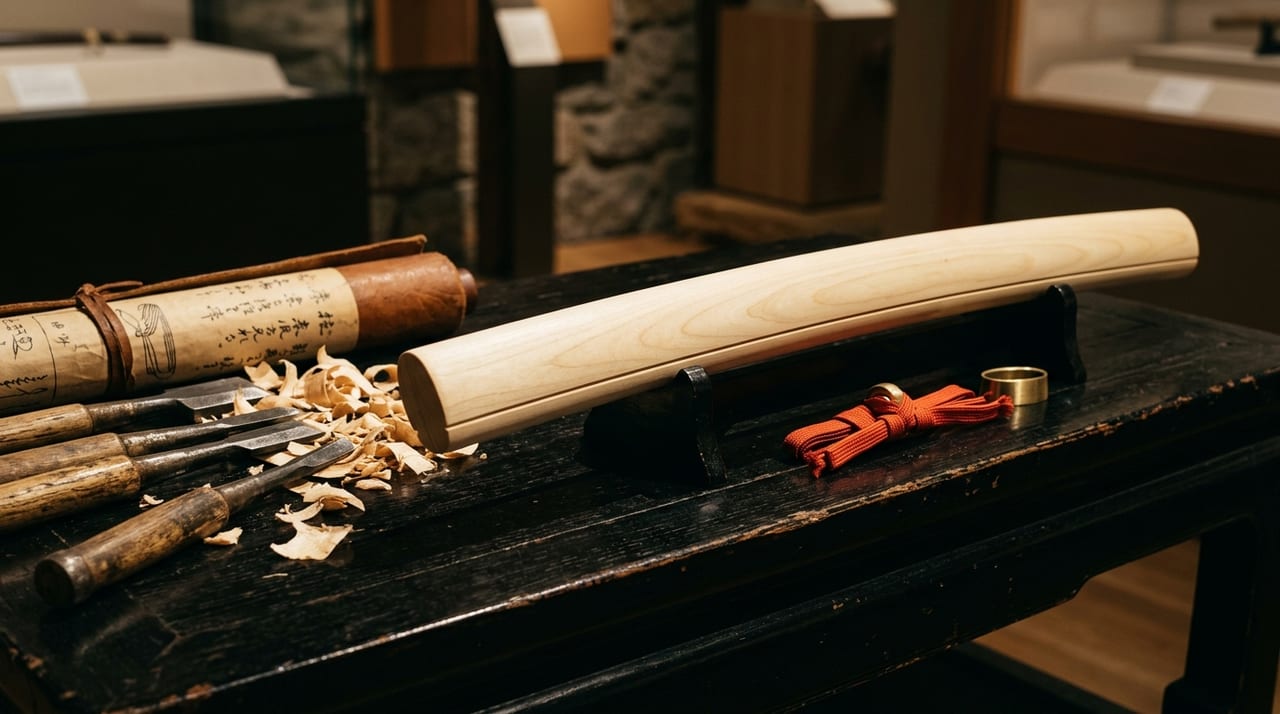
Saya-shi (鞘師), specialized Japanese scabbard makers, craft two types: plain white scabbards (shira-saya, 白鞘) for storage and decorated scabbards (koshirae-saya, 拵え鞘) for practical use. Explores ho wood (朴) material selection, precise manufacturing techniques, the scarcity of contemporary craftsmen, challenges in transmitting the craft to new generations, and its growing international recognition.
An analysis of the serious labor shortage in the Japanese sword industry, examining structural challenges in craftsmen, dealers, and research fields.
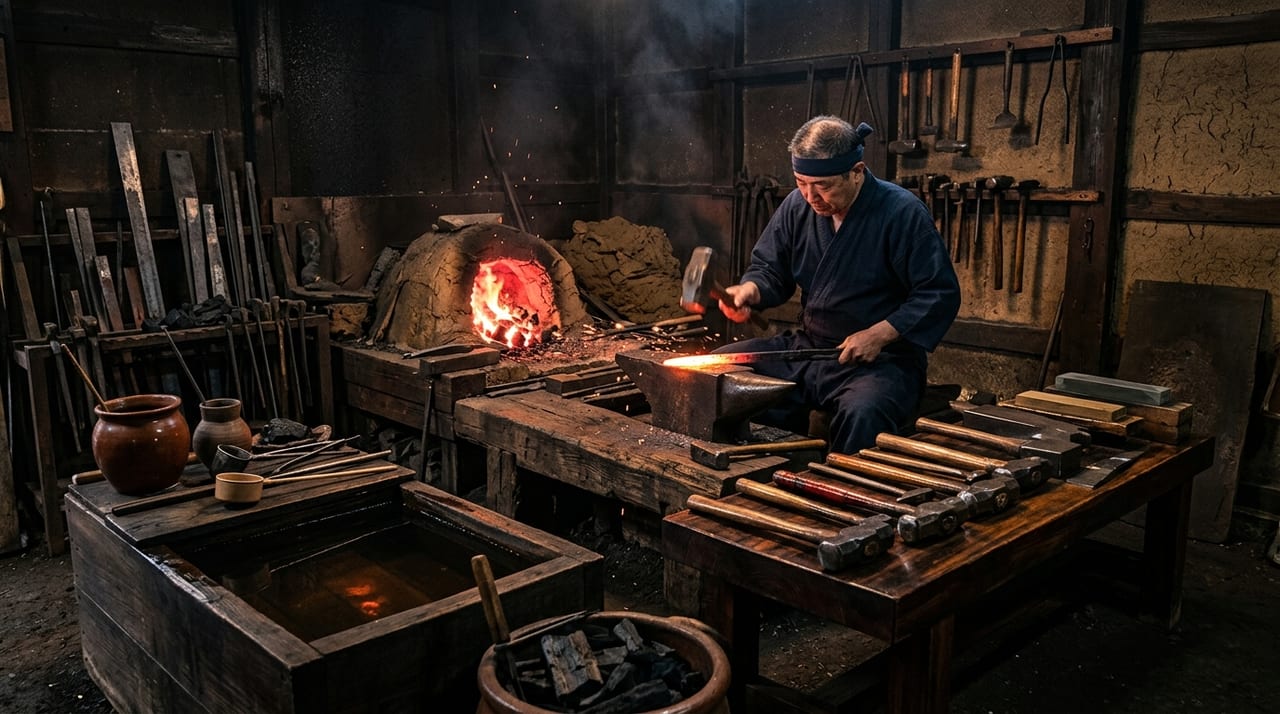
The tantoujo (鍛刀場) houses specialized equipment: forging hammers (kaji-zuchi 鍛冶鎚) in various sizes, whetstones, quenching tanks, and finishing tools. This article examines the 30-60 square meter facilities where traditional sword-making techniques and modern machinery coexist, and explores the dojo-like philosophical dimensions where master and apprentice transmit both technical and spiritual knowledge.
A detailed explanation of how tamahagane steel produced by tatara smelting is graded and sorted into kawagane and shingane based on carbon content and quality.
An examination of modern tatara ironmaking operations that produce tamahagane steel for Japanese swords, focusing on NITTOHO tatara, its practitioners, and succession challenges.