Carrying the Five Traditions Forward: The Styles of Soshu, Bizen, Mino, Yamato and Yamashiro and Today's Swordsmiths
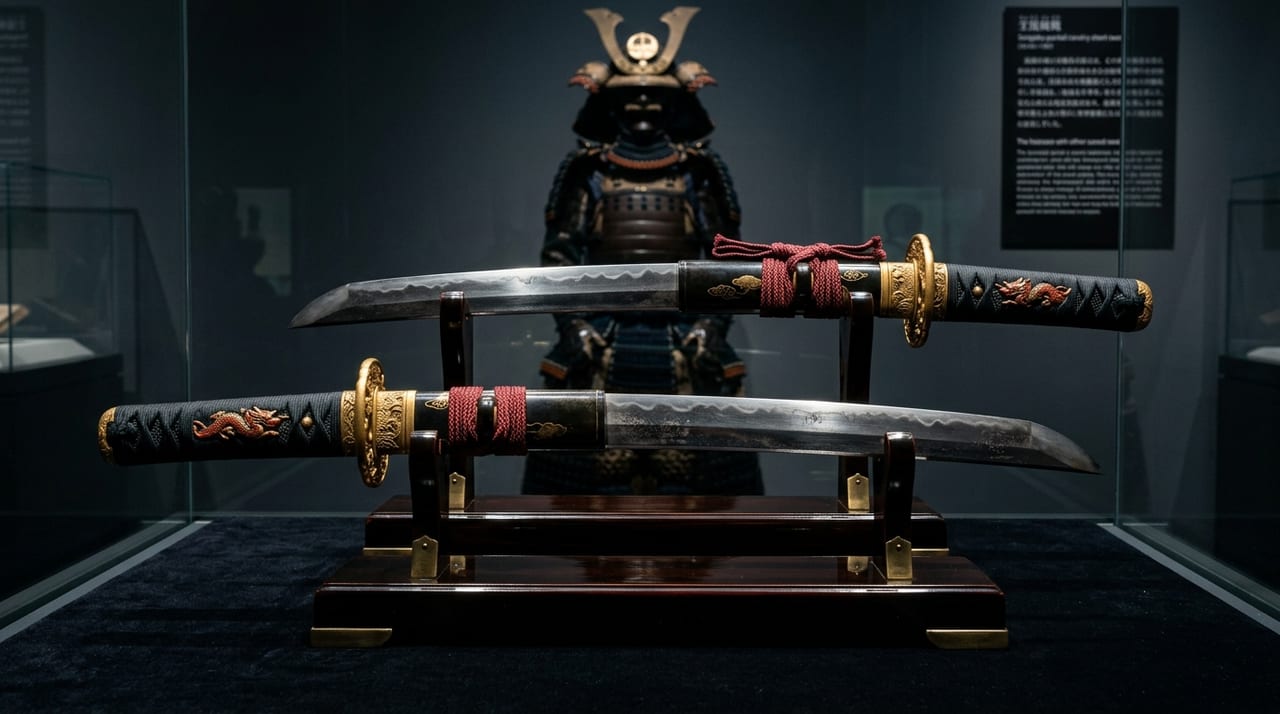 * Image is for illustrative purposes only.
Table of Contents
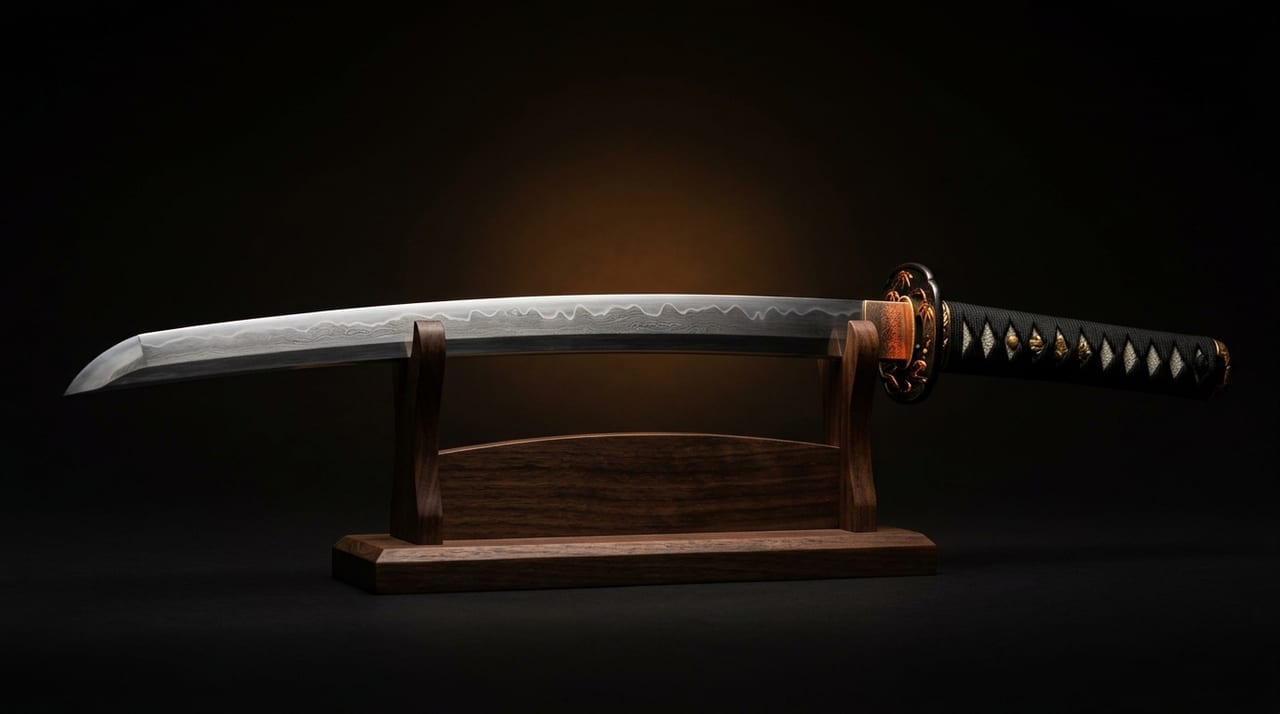
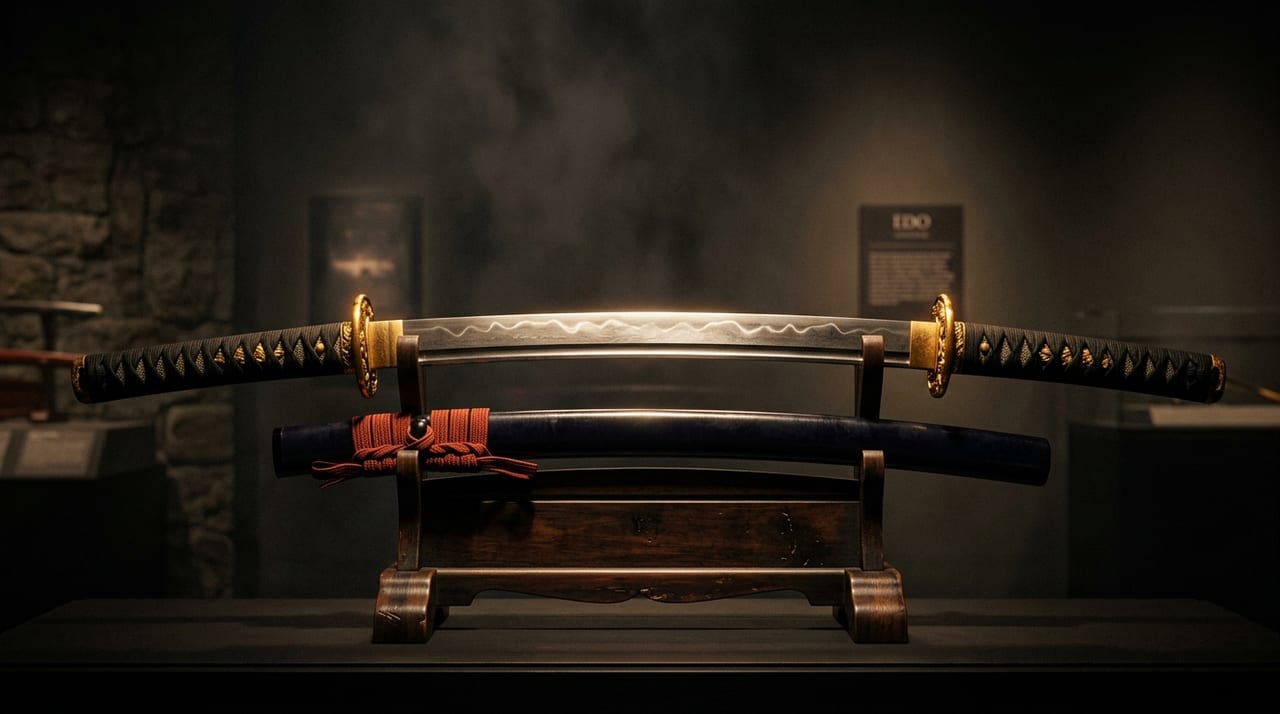
The Five Traditions (gokaden) refer to five lineages of sword-making styles: Soshu, Bizen, Mino, Yamato, and Yamashiro. All of these styles were formed in different regions during the old sword period (koto), and contemporary sword smiths continue to forge swords following their respective traditions. In this article, we organize the five traditions' styles using terminology for hamon and jihada, and introduce facilities where you can observe contemporary sword smiths' work, as well as the system for becoming a sword smith. The full picture of the five traditions is also covered in What are the Five Traditions of Japanese Swords?.
Soshu Tradition ― A Style Rich in Nie Activity
The Soshu tradition is a style that was perfected in Sagami Province (present-day Kanagawa Prefecture) in the late Kamakura period, known for masters like Masamune and Sadamune. The hamon and jihada have the following points of interest.
- Nie-deki : The particles that form the hamon are coarse and glimmer when struck by light
- Kinsuji and sunagashi : Bright lines and sweeping sand-like patterns that appear in the blade
- Itame-hada : A wood-grain-like pattern appears in the jihada
Nie and kinsuji are patterns created by the combination of clay application, temperature during hardening, and the properties of the steel. The method for distinguishing nie from nioi is covered in detail in How to Distinguish Nie from Nioi, and the sword smiths of the Soshu tradition are discussed in The Succession of Soshu Smiths.
Bizen Tradition ― Elegant Choji-Midare and Utsuri
The Bizen tradition is a style that flourished centered in Osafune, Bizen Province (present-day southeastern Okayama Prefecture).
- Choji-midare : An elegant hamon that resembles a string of clove blossoms
- Utsuri : A shadow-like pattern that appears faintly in the jihada
The formation of utsuri is explained in The Principle of Utsuri Formation.
In Osafune, there is the "Bizen Osafune Swords Village Bizen Osafune Sword Museum" in Setouchi City, where in addition to sword exhibitions, you can observe the work of resident craftspeople (sword smiths, lacquerers, habaki makers (shirogane-shi), and metal engravers). The work of polishers, scabbard makers, handle wrappers, and others is also publicly demonstrated regularly (Setouchi City "Bizen Osafune Sword Museum").
Mino Tradition ― Pointed Gunome and Practical Swords
The Mino tradition is a style centered in Seki, Mino Province (present-day Seki City, Gifu Prefecture), known for sword smiths such as Kanemoto and Kanesada.
- Togari-gunome : A hamon where pointed gunome patterns form a continuous line
- Sanbon-sugi : A hamon where three pointed gunome patterns align, well-known in the works of Magoroku Kanemoto
The history of the Mino tradition is covered in The Complete History of the Mino Tradition, and Kanemoto is discussed in Kanemoto (Magoroku Kanemoto).
The "Seki Sword-Smithing Heritage Museum" in Seki City presents the history of Seki sword-smithing and materials on sword fittings through videos and exhibits, displaying Japanese swords such as those by Kanemoto and Kanesada. It also holds public demonstrations of traditional Japanese sword forging. As of September 2026, the museum is scheduled to be closed for renovation from September 7, 2026 through March 31, 2027 (Seki City "Seki Sword-Smithing Heritage Museum").
Yamato and Yamashiro Traditions ― Styles Based on Suguha
The Yamato tradition is a style from Yamato Province (present-day Nara Prefecture), characterized by jihada mixed with masame-hada and hamon with suguha as its foundation. The Yamashiro tradition is a Kyoto style, with the Awataguchi and Rai schools being the most representative, notable for small nie-deki suguha and finely packed jihada.
Suguha, with its straight blade line, directly reveals any unevenness in hardening and disturbance in the jihada. In a different way from elaborate midare, it is a hamon that well expresses the skill of the maker. The Yamato tradition is covered in The Complete History of the Yamato Tradition, and masters of the Yamashiro tradition are discussed in Rai Kunitoshi and The Life and Sword-Making Techniques of Awataguchi Yoshimitsu.
How to Become a Contemporary Sword Smith
The sword smiths preserving the five traditions' styles in the present day are those who have received official sword-making authorization from the Agency for Cultural Affairs. To become a sword smith, one must train for at least five years under an authorized sword smith and complete the "Art Sword and Sword Smith Technique Preservation Training" sponsored by the Agency for Cultural Affairs (All Japan Sword Smiths Association "For Those Who Want to Become a Sword Smith").
Sword forging also takes time. According to the standards for art sword approval, the forging period per blade is set at 15 days or more for tachi, katana, and naginata, and 10 days or more for wakizashi, tanto, and similar blades (Aomori Prefecture "Standards for Art Sword Approval").
Viewing Swords Through the Lens of the Five Traditions
The five traditions are both a framework for distinguishing the styles of old swords and a model for contemporary sword forging. When appreciating swords, if you consider which tradition's lineage a sword follows using points of interest such as nie, nioi, the shape of the hamon, and the texture of the jihada, your way of seeing each blade will change. The differences in jihada among the five traditions are also compared in A Comparative Study of Jihada in the Five Traditions.