The Five Traditions of Japanese Swords—Complete Guide to the Characteristics and Market Value of Yamato, Yamashiro, Bizen, Soshu, and Mino
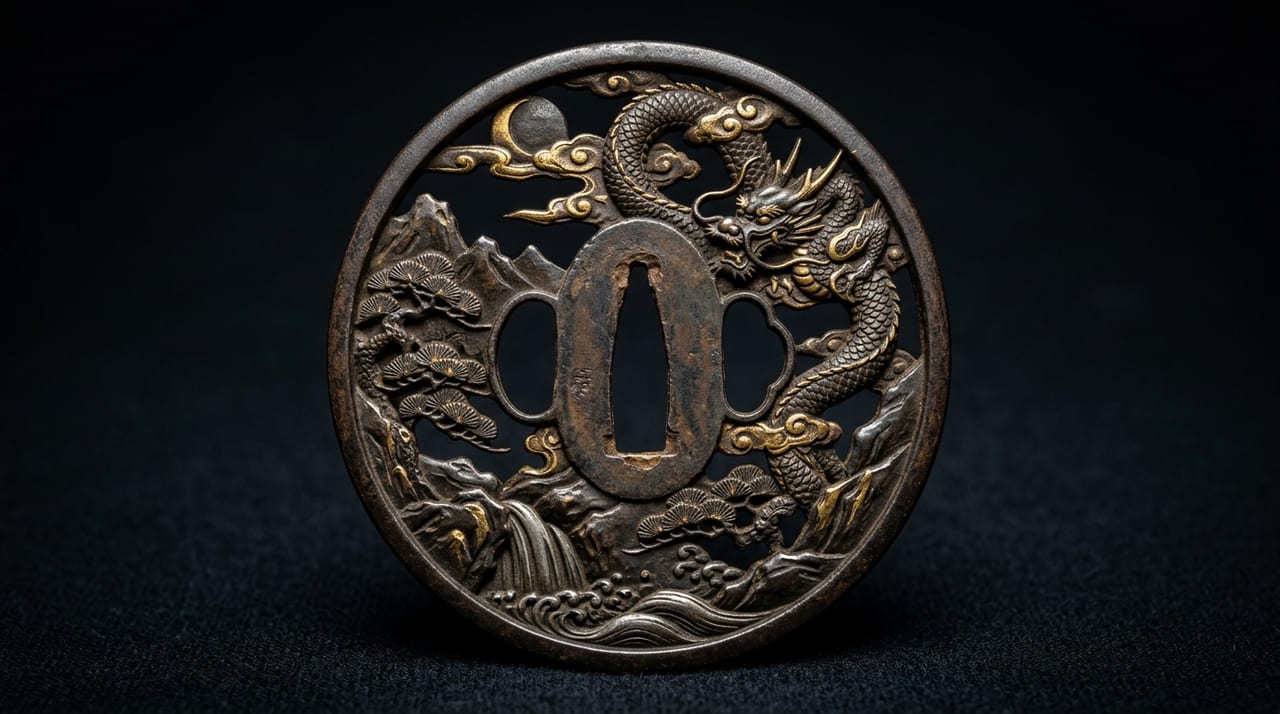 * Image is for illustrative purposes only.
Table of Contents
The Five Swordsmiths' Schools — Five Sword Cultures Nurtured by Region
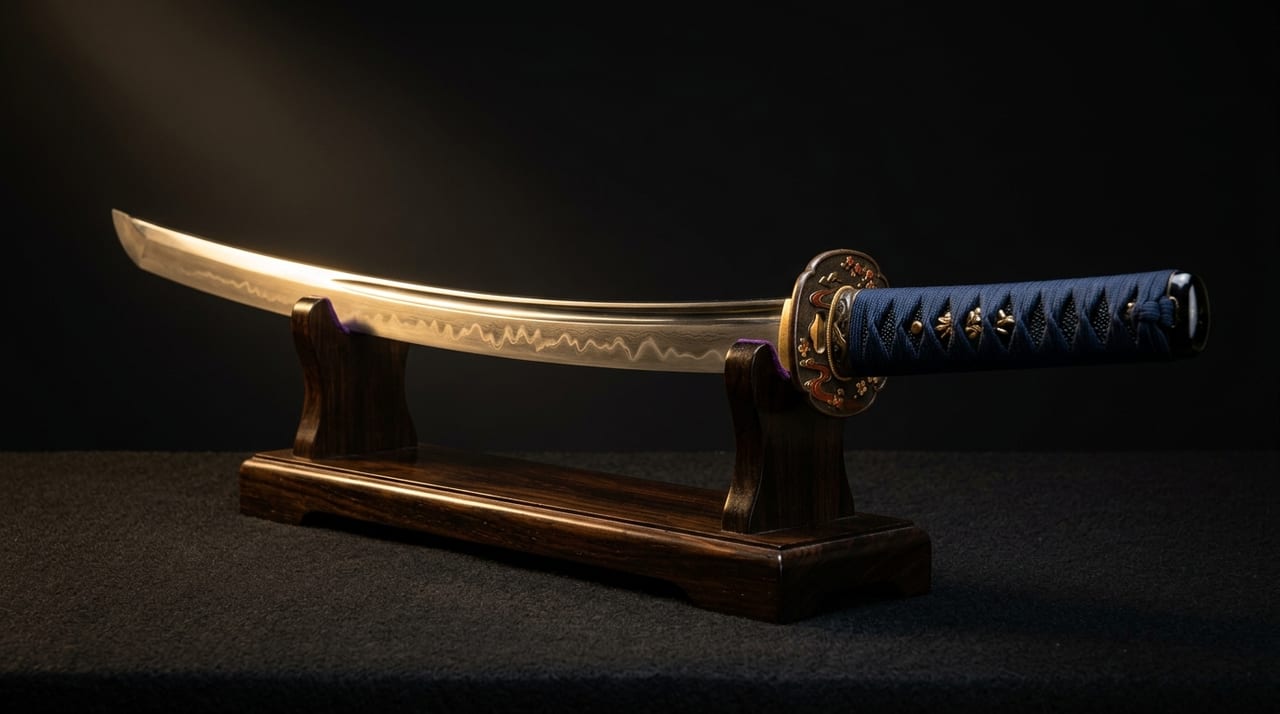
Japanese sword forging techniques are broadly divided into five schools and regional traditions collectively known as the "Gokaden" (Five Swordsmiths' Schools). Each of the Yamato, Yamashiro, Bizen, Soshu, and Mino schools evolved in its own direction, shaped by the climate, iron resources, political demands, and cultural background of its region. Understanding the Gokaden is the first step to deciphering the memories of time and place etched into a single blade. The techniques refined by swordsmiths over centuries continue to captivate viewers and command high valuations in the global art market.
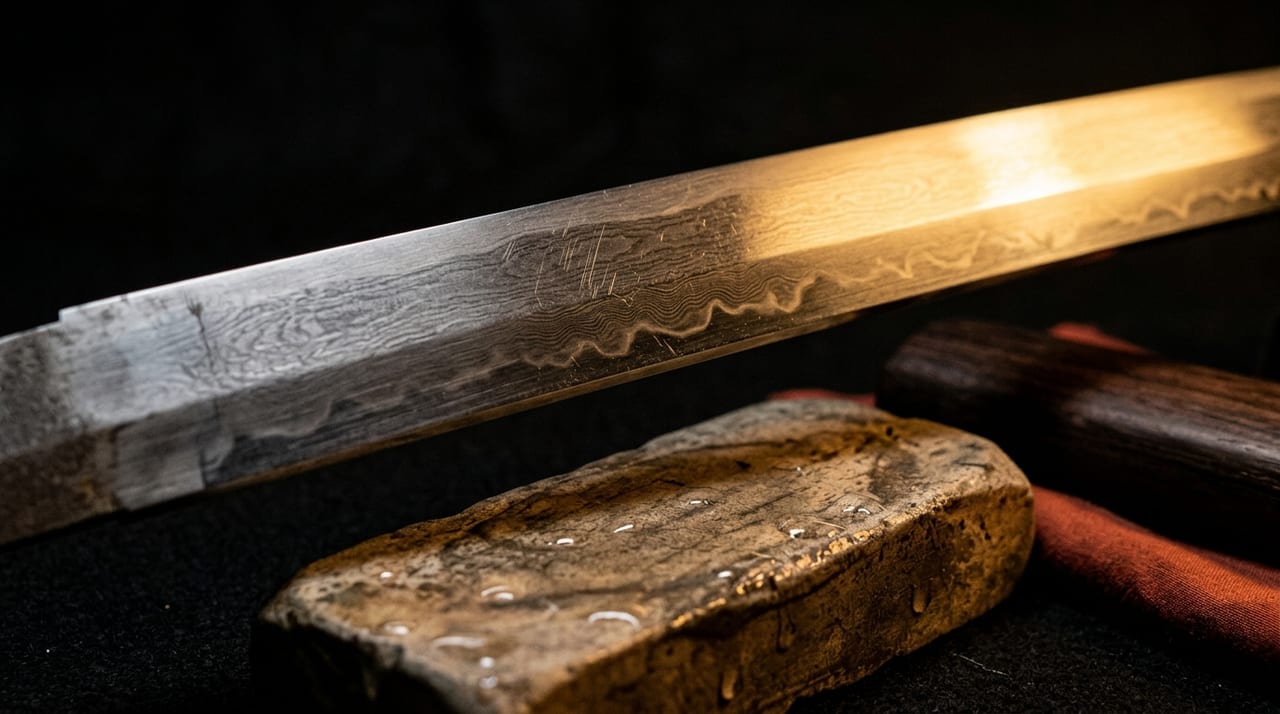
Below are the representative hamon and jigane characteristics of each school.
| School | Representative hamon and jigane Characteristics |
|---|---|
| Yamato | suguha, masame hada |
| Yamashiro | konie deki, ko-itame hada |
| Bizen | choji midare, utsuri |
| Soshu | nie, kinsuji, sunagashi, inazuma |
| Mino | togari gunome, sanbon sugi |
Yamato School (yamatoden) — Austere Strength, Japan's Oldest Warrior Swords
Centered in Nara, the Yamato school is regarded as the oldest swordsmiths' tradition in Japanese sword history. From the 10th to 12th centuries, it was shaped by demand from warrior monks serving as guards for major temples and shrines such as Todai-ji, Kofuku-ji, and Kasuga Taisha. Because these swords were presented in religious settings, their forms were required to embody spiritual purity rather than ornate decoration.
The greatest characteristic of the Yamato school is the suguha. Compared to midareha, it may appear understated, but creating a perfectly uniform suguha requires extremely precise temperature control and exceptional skill. Among sword connoisseurs, it is said that "the clarity of suguha reveals a swordsmith's true mastery." The jigane is often masame hada, with its fiber-aligned grain creating a visual sense of purity.
Among famous examples is the tachi attributed to Chiyozuru Kuniyasu dated Hōji 1 (1247), held in the Tokyo National Museum, and several swords transmitted from Nara temples and shrines have been designated national treasures and important cultural properties. Because existing Yamato school swords are limited in number and scarce on the market, well-preserved examples with certification documents sometimes command substantial premiums.
Yamashiro School (yamashiroden) — The Peak of Elegance Born from Court Nobility Culture
The Yamashiro school, which flourished in Kyoto during the Heian to Muromachi periods, is the tradition most intensely pursuing "beauty" in Japanese sword history. The cultural refinement of court nobility was reflected in the swords themselves, creating artistic value that transcended mere functional beauty.
The Yamashiro school is represented by the Awataguchi school and the Rai school.
- Awataguchi school: Awataguchi Yoshimitsu is known as a master craftsman of tanto, leaving masterpieces of flat-bladed tanto such as "Harakiri" and "Yagen Tōshirō." The tachi "Ichigo Hitofuri," said to be the only tachi Yoshimitsu ever forged, is similarly treasured as a representative masterwork of the Yamashiro school.
- Rai school: The tachi of Rai Kunitoshi and Rai Kunimitsu are known for their konie deki hamon, in which fine nie particles rise like a mist, characterized by a mystical luster that changes expression depending on the angle of light.
The jigane is predominantly ko-itame hada, with its dense, tightly-packed grain imparting refinement to the entire blade. Yamashiro school swords often have gracefully shorter blade lengths, serving as valuable resources not only for art collectors but also for historical researchers. Many remain designated as national treasures or important cultural properties and are frequently displayed in public museums, so make full use of opportunities to view these works firsthand.
Bizen School (bizenden) — Gorgeous Prolific Production, Japan's Largest Sword-Making Center
Centered in what is now southern Okayama Prefecture (Bizen Province), the Bizen school is the tradition boasting the largest production volume in Japanese sword history and the most lavish decorative style. Known together with the place name Osafune as "Bizen Osafune" swords, they are cherished by sword enthusiasts worldwide.
The signature of the Bizen school is the choji midare. Petal-shaped hamon patterns reminiscent of clove buds wave in succession, and their elegance is often called "a masterpiece beyond compare." The choji midare of the Ichimonji school in particular is known as the height of lavish brilliance and was treasured as the sword-makers of choice for both the Ashikaga and Tokugawa shogunates.
Another key characteristic is the utsuri. This phenomenon of a white mist-like reflection appearing in the jigane is produced by Bizen's distinctive iron sand, red pine charcoal, and indigenous quenching techniques, and scientific reproduction remains difficult even today. Large tachi by master smiths from the Northern and Southern Courts period such as Osafune Kanemitsu and Osafune Kagemitsu are prized works that continue to command top-tier prices at modern auctions.
Because of its high production volume, Bizen school swords vary in quality. When selecting Bizen school pieces for an initial collection, it is wise to make the NBTHK certificate grade (special preservation or higher is preferred) and the clarity of the utsuri your key criteria.
Soshu School (sōshūden) — Kamakura, Birthplace of the Greatest Swordsmiths
The Soshu school, which thrived in the shadow of the Kamakura shogunate, is often regarded as the technical pinnacle among the Gokaden. The name Masamune is the most famous swordsmith name in Japanese sword history, and his techniques continue to be spoken of as "the culmination of the Soshu school."
The greatest characteristic of the Soshu school is the magnificent quenching that fills the entire hamon with coarse nie particles visible to the naked eye. Furthermore, fine details within the hamon create the characteristic "keshiki" (scenery) unique to the Soshu school, and higher valuations accrue to blades displaying these features prominently.
- kinsuji
- sunagashi
- inazuma
The "Ten Pillars of Masamune" (Yoshihiro, Akihiro, Nagayoshi, Kaneuji and others), who were the direct disciples and granddisciples of Masamune, spread his techniques nationwide, and from the Edo period onward, many swordsmiths eagerly incorporated "Soshu school influence" into their styles. Swords by Masamune listed in the "Kyoho List of Famous Swords" were treated as treasured blades of daimyo and shogunal houses, and many remain housed as important cultural properties and national treasures in the Tokyo and Kyoto National Museums.
Soshu school swords, which combined the durability to meet the demands of the age of actual warfare with overwhelming beauty as works of art, continue to update record prices for the "especially important sword" category at international auctions.
Mino School (minoden) — Practicality and Mass Production for the Age of Warring States
Centered in what is now the Seki area of Gifu Prefecture (Mino Province), the Mino school is a pragmatic tradition that quickly responded to demand during the era of warfare following the Onin Rebellion (1467–). The Sengoku daimyo, who needed large quantities of swords, valued the Mino swordsmith community for achieving both quality and production efficiency.
The signature hamon of the Mino school is the togari gunome. The pattern of sharply pointed semi-circular arcs arrayed in regular succession achieves both visual rhythm and structural strength, earning recognition as a practical battlefield sword. Upper-tier examples also display nie and kinsuji influences from the Soshu school in various places, and many works of considerable aesthetic value exist.
Representative master smiths include Kanesada and Kanemoto.
- Kanesada: Izumi-no-kami Kanesada, known by the name "Nosada," was favored by Ashikaga Yoshiteru and Hosokawa Fujitaka (Yusai), and is still regarded as Mino's finest swordsmith.
- Kanemoto: Mago-roku Kanemoto, who forged the distinctive sanbon sugi pattern of three connected saw-tooth hamon, continues to captivate many collectors with his individual artistic vision.
The Gokaden and Collector Preferences — Market Trends in 2026
Knowledge of the Gokaden extends beyond mere historical study, directly influencing collectors' purchasing decisions. In recent years (2025–2026), the following trends have been observed in the Japanese sword market:
- Bizen school: Most popular among entry-level collectors, with abundant supply and the visual appeal of utsuri lowering the barrier for first purchases.
- Soshu school: Commanding overwhelming support from overseas collectors, particularly in Europe, North America, and Taiwan, with Soshu works in the "especially important" category maintaining high prices.
- Yamashiro school: Tanto are gaining stable valuations as artworks, and with their small size and ease of storage, they are increasingly attracting female collectors and art enthusiasts.
- Yamato and Mino schools: Maintaining strong appeal among researchers and advanced collectors who value rarity and historical significance, with fine examples selling immediately upon discovery.
The best way to determine which school's aesthetic resonates with you is to visit the special sword exhibitions held at the Tokyo National Museum, the Japanese Sword Museum (Sumida Ward), and prefectural museums throughout the country. The TOUKENZA catalog also allows filtering by school, so explore many examples online while cultivating your own collection philosophy.