Tōshō Who Became Living National Treasures — The Recognition System for the Important Intangible Cultural Property "Nihontō" and the Tōshō Recognized Under It
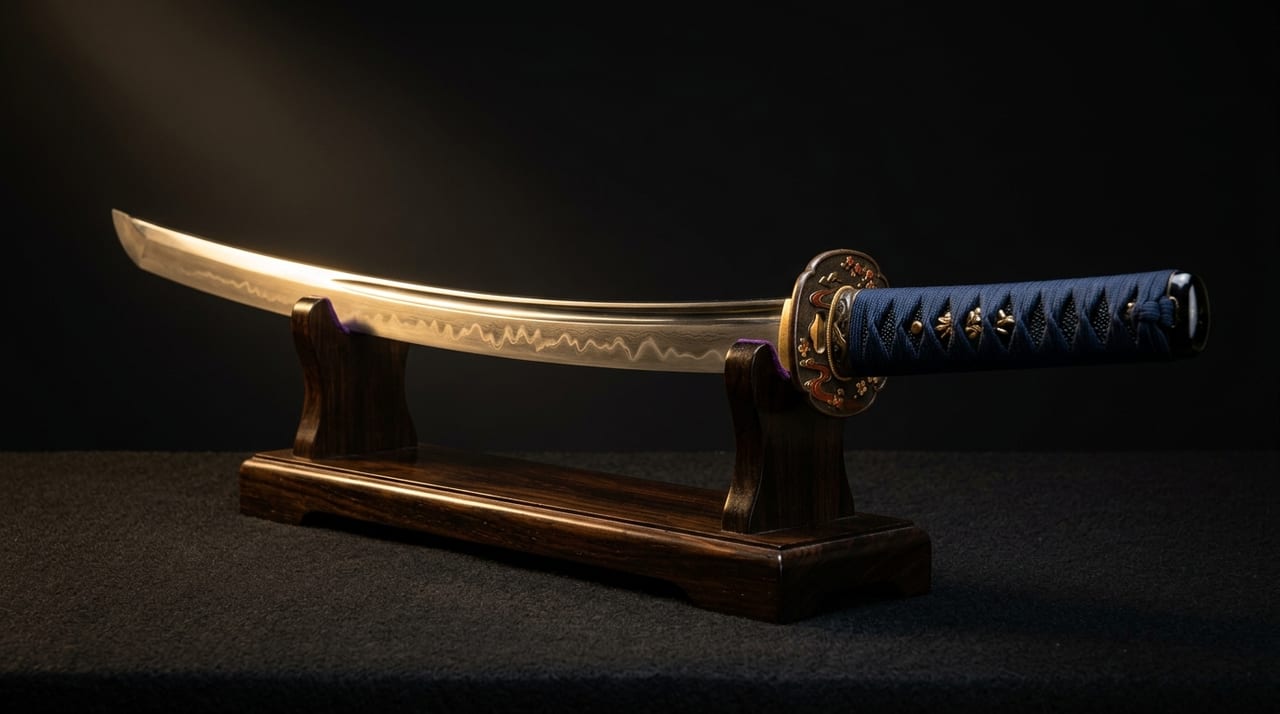 * Image is for illustrative purposes only.
Table of Contents
What a Living National Treasure Is — "Individual Recognition" for Important Intangible Cultural Properties
"Living National Treasure" is not a legal term; it is the common name for a person recognized individually as a holder of an Important Intangible Cultural Property. The Act on Protection of Cultural Properties provides that the Minister of Education, Culture, Sports, Science and Technology designates important intangible cultural properties as Important Intangible Cultural Properties and, in making a designation, recognizes their holder or holding group (Act on Protection of Cultural Properties (e-Gov Law Search), Article 71, paragraphs 1 and 2). Both designation and recognition are made after first consulting the Council for Cultural Affairs (Article 153, paragraph 1, items 3 and 4 of the same Act).
According to the Agency for Cultural Affairs, there are 3 methods of recognizing holders: "individual recognition," "collective recognition" and "holding group recognition." The state pays a special grant (2,000,000 yen a year) to holders under individual recognition, the so-called "Living National Treasures" (Agency for Cultural Affairs, "Intangible Cultural Properties").
| Method of recognition | Who is recognized (in the case of craft techniques) |
|---|---|
| Individual recognition | An individual who has mastered a craft technique to a high degree; the so-called Living National Treasure |
| Collective recognition | Where 2 or more people have mastered a craft technique with shared characteristics, the members of the group those people form |
| Holding group recognition | For a craft technique with little individual character that many people hold, a group whose main members are those people |
The first designations of Important Intangible Cultural Properties and recognitions of holders under the system were made in 1955 (Shōwa 30) by what was then the Commission for Protection of Cultural Properties (Tokyo National Research Institute for Cultural Properties, "First Designations of Important Intangible Cultural Properties"). Tōshō (swordsmiths) have been recognized as holders of the Important Intangible Cultural Property "Nihontō." For the year in which each tōshō was recognized, the next section gives what can be confirmed. Recognition is given to the tōshō as a person and to the "waza" (technique) that person has mastered; it is not a system in which the state appraises or guarantees an individual sword.
Tōshō Who Were Recognized — 5 Confirmed Through Obituaries
When a holder dies, the recognition is deemed to have been lifted (Act on Protection of Cultural Properties (e-Gov Law Search), Article 72, paragraph 4). This section therefore lists the tōshō for whom both the year of state recognition and the style of work could be confirmed, one by one, in the obituaries of the Nihon Bijutsu Nenkan (Yearbook of Japanese Art) published by the Tokyo National Research Institute for Cultural Properties.
| Tōshō | Lifespan | State recognition | Style and favored tradition named in the obituary |
|---|---|---|---|
| Miyairi Yukihira | 1913–1977 | 1963 (the 2nd tōshō) | A bold, solid Sōshū-den |
| Gassan Sadakazu | 1907–1995 | 1971 | The forging methods of the Gokaden (five traditions), and "ayasugi-den," the grain pattern (jihada) handed down in the Gassan family |
| Sumitani Masamine | 1921–1998 | 1981 | The forging method of the Bizen-den of the Kamakura period; also known for making tōsu (small knives) of the Nara period |
| Amata Akitsugu | 1927–2013 | 1997 | Forging grain (kitae-hada) from steel of the smith's own smelting; the ō-midare of the Sōshū-den and the suguha of the Yamashiro-den |
| Ōsumi Toshihira | 1932–2009 | 1997 | Suguha modeled on the Rai school of the late Kamakura period and the Aoe school of Bitchū |
The sources are all obituaries in the Nihon Bijutsu Nenkan of the Tokyo National Research Institute for Cultural Properties (Miyairi Yukihira, Gassan Sadakazu, Sumitani Masamine, Amata Akitsugu, Ōsumi Toshihira). The obituary of Miyairi Yukihira says "the second Important Intangible Cultural Property holder among tōshō," but the full set of tōshō holders, including the 1st, cannot be confirmed from these obituaries. For that reason, this article does not give a total number.
From each obituary, here is also what can be gathered about their training and their record at open exhibitions.
- Miyairi Yukihira: Born into a blacksmith's family in Sakaki Town, Nagano Prefecture, and in 1937 (Shōwa 12) entered the Japanese Sword Forging Workshop of tōshō Kurihara Akihide in Akasaka, Tokyo. After the war, made swords in the home region, and from 1955 to 1959 received the special prize at the sword-making judging competitions 5 times in a row. The person is also covered in the article on Miyairi Yukihira.
- Gassan Sadakazu: Belongs to the main line of the Gassan family of Osaka. Received the Masamune Prize at the 3rd Shinsaku Meitō Ten in 1967, entered the exhibition as mukansa from 1970, and received state recognition the following year, 1971. The sword-making techniques are covered in detail in the article on Gassan Sadakazu.
- Sumitani Masamine: Born in Kanazawa, studied under Sakurai Masayuki at the Japanese Sword Forging Research Institute founded at Ritsumeikan University. Received the Masamune Prize at the 1st Shinsaku Meitō Ten in 1965 and became mukansa at the same exhibition in 1967.
- Amata Akitsugu: Born into a family of tōshō in Honda Village, Niigata Prefecture (now Shibata City), and entered Kurihara Akihide's Japanese Sword Forging Training Institute. Took up research into in-house smelting in order to come closer to the great old swords of the Kamakura period, became mukansa at the Shinsaku Meitō Ten in 1972, and in 1977 received the Masamune Prize, the highest prize among all exhibitors including mukansa.
- Ōsumi Toshihira: Born in Gunma Prefecture, and in 1952 became a pupil of tōshō Miyairi Akihira of Sakaki Town, Nagano Prefecture. Became mukansa at the Shinsaku Meitō Ten in 1972 and received the Masamune Prize in 1974 and 1978. The style of work is also introduced in the article on Ōsumi Toshihira.
The Current Situation — The Designation of "Nihontō" and "Tōken Kenma"
The Act on Protection of Cultural Properties provides that when all holders have died, the designation of the Important Intangible Cultural Property is deemed to have been lifted (Act on Protection of Cultural Properties (e-Gov Law Search), Article 72, paragraph 4). A search for "Nihontō" in the Agency for Cultural Affairs' Database of National Cultural Properties does not bring up a designation of the Important Intangible Cultural Property "Nihontō." The sword-related Important Intangible Cultural Property that does appear is "Tōken Kenma" (sword polishing), designated in 1975 (Shōwa 50), whose holder is Hon'ami Kōshū (Agency for Cultural Affairs, "Database of National Cultural Properties": Tōken Kenma).
As for the material of swords, "Tamahagane Seizō" (tamahagane production) was selected as a Selected Conservation Technique in 1977 (Shōwa 52), and the NBTHK (Society for the Preservation of Japanese Art Swords) has been recognized as its preservation organization (NBTHK, "History"). This is a separate system from the recognition of holders of the Important Intangible Cultural Property "Nihontō."
How This Differs from "Mukansa" at Open Exhibitions
"Mukansa," often seen in tōshō's biographies, is not a state system but a status within the open exhibitions held by the NBTHK, a public interest incorporated foundation. The Society's open sword-making exhibitions began with the 1st Sakutō Gijutsu Happyōkai (Sword-Making Technique Exhibition) in 1955 (Shōwa 30) (NBTHK, "History") and were reorganized as the Shinsaku Meitō Ten in 1965 (Tokyo National Research Institute for Cultural Properties, "Ōsumi Toshihira"). Today the exhibition is held as the "Gendai Tōshoku Ten," and the list of results of its sword-making division for fiscal 2026 lists the "mukansa entries" of mukansa tōshō separately from the Takamatsu-no-miya Memorial Prize, the Kunzan Prize, the Kanzan Prize, the Society President's Prize, the Prize for Excellence, the Effort Prize, the New Artist Prize and accepted entries (nyūsen) (NBTHK, "Gendai Tōshoku Ten (Sword-Making Division)", Fiscal 2026 Gendai Tōshoku Ten, Sword-Making Division: Mukansa Entries and Judging Results).
The differences between the two can be summarized as follows.
- Basis: A Living National Treasure is recognized by the Minister of Education, Culture, Sports, Science and Technology under the Act on Protection of Cultural Properties. Mukansa is a status within the open exhibitions of a public interest incorporated foundation
- Who it applies to: A Living National Treasure is a person who has mastered a "waza" (technique). Mukansa applies to tōshō who submit work to the open exhibitions
- State grant: Holders under individual recognition receive a special grant from the state (Agency for Cultural Affairs, "Intangible Cultural Properties")
- Relationship: Of the 5 tōshō in the table above, 4 — Gassan Sadakazu, Sumitani Masamine, Amata Akitsugu and Ōsumi Toshihira — had become mukansa at the Shinsaku Meitō Ten before their state recognition
The overall system for tōshō, including the approval of production for each sword and registration, is set out in How the System for Tōshō Works.
What to Check When Looking at a Work by a Living National Treasure
Recognition as a Living National Treasure applies to the tōshō; it does not indicate the quality or the authenticity of the particular sword in hand. When considering a work, check points such as the following one at a time.
- The mei (signature) and date inscription on the nakago (tang). The starting point is when, and by whom, the sword is inscribed as having been made
- Whether there is a kanteisho (appraisal certificate), and what it says. Separate from recognition, it is the view an expert organization has given on an individual sword
- When the sword was made. Style and working environment can change between before and after recognition
- Condition and polishing (togi) history. These bear not only on judging value but also on care afterward
- Records of provenance. Whether documents survive that show former owners or the sword's history
None of these is material for reaching a conclusion on its own; they are the kind of information to be judged by weighing several pieces against each other. For anything unclear, it is best to ask the organization that issued the appraisal certificate or the dealer handling the sword.