Nouveautés — Découvrez les dernières arrivées dans notre catalogue. Voir →
Aperçus sur les connaissances et la culture du sabre japonais
Monouchi is the effective strike zone located in roughly the final third of a Japanese sword blade from the tip, a region where all aspects of cutting sharpness, structural properties, and weight distribution converge. This article explains the definition of monouchi's position and width, the relationship between the widths of different blade sections (base width and tip width) and their thickness, the historical changes in monouchi positioning, its connection to theory in iaido and sword arts, and the key appraisal considerations for monouchi.
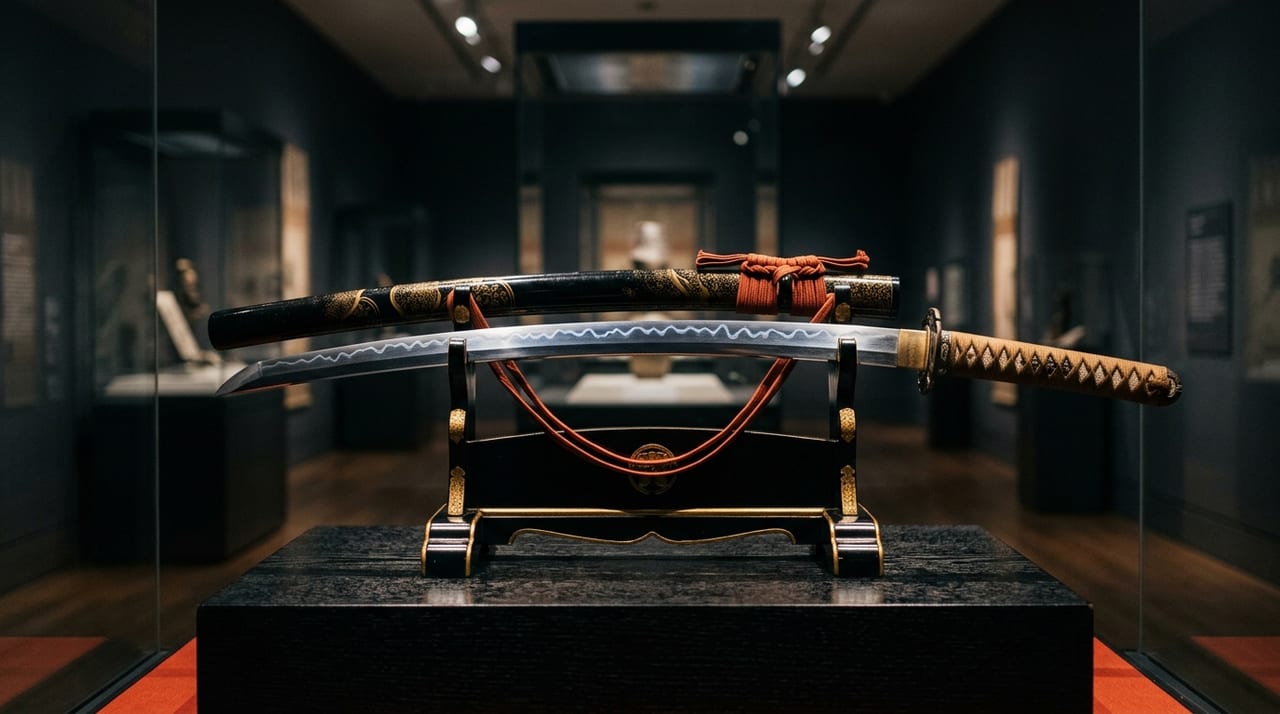
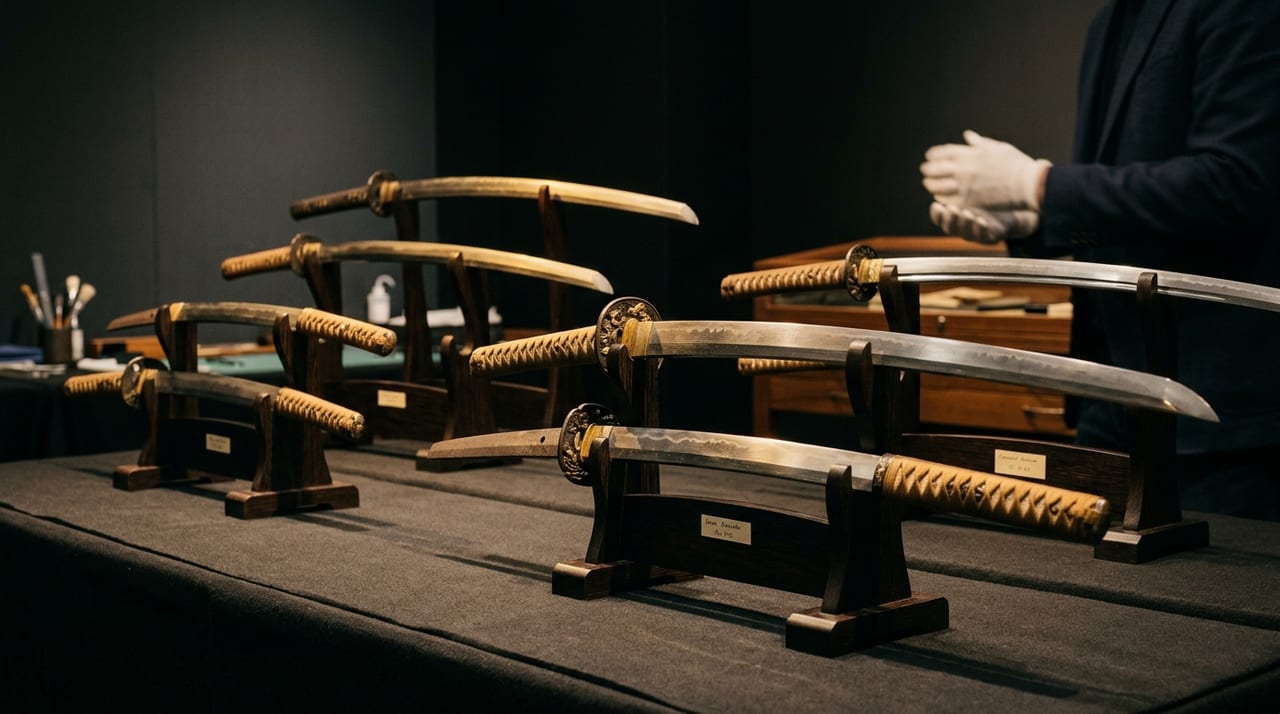
Introducing major Japanese sword exhibition facilities nationwide by region, including the Tokyo National Museum, the Sword Museum, the Tokugawa Art Museum, and the Bizen Osafune Sword Museum. Comprehensive explanation of each facility's characteristics, exhibition contents, and viewing tips.
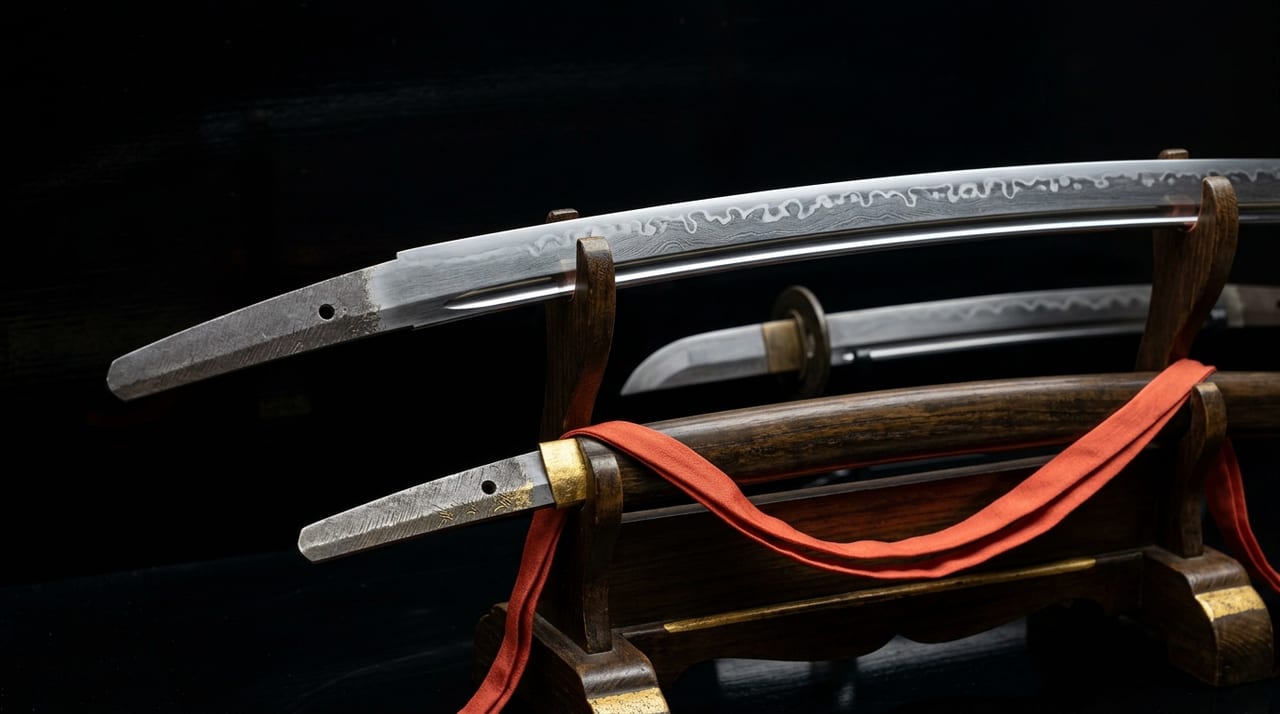
Japanese swords possess two surfaces called "haki-omote" (outer surface) and "haki-ura" (inner surface)—fundamental concepts affecting wearing style, signature placement, and grain characteristics. This article explains the definitions of obverse and reverse for both tachi and uchigatana swords, the significance of signatures engraved on the front, differences in grain (jigane) between surfaces, practical identification methods through observation, and authentication risks arising from misidentification of these surfaces.
A complete price tier guide for Japanese swords: from entry-level pieces to Tokubetsu Juyo blades worth tens of millions, covering how NBTHK certification grades, sword types, periods, and smith reputation drive market value.
"Suriage (blade shortening)" is a process of cutting and shortening the tang (nakago) to modify long tachi into short uchigatana, which was performed extensively from the Muromachi through early Edo periods. This article explains the classification of complete suriage, major suriage, and minor suriage; the treatment of signatures (mei)—such as folded-back signatures and appraisals; the distinctive characteristics of the tang shape after suriage; its impact on value; and methods for distinguishing legitimate suriage from fraudulent modifications made in later periods.
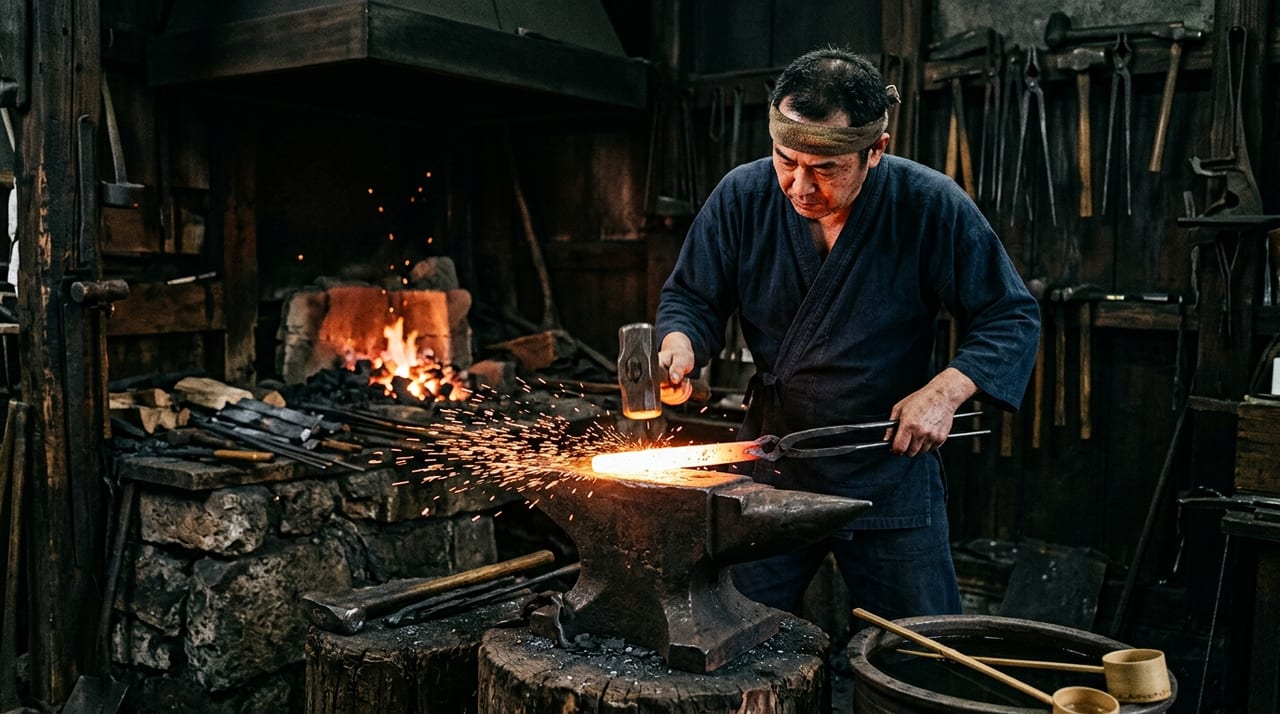
An expert guide to the tachi-making process of the Koto period, from tamahagane selection through forging, quenching, polishing, and koshirae creation.
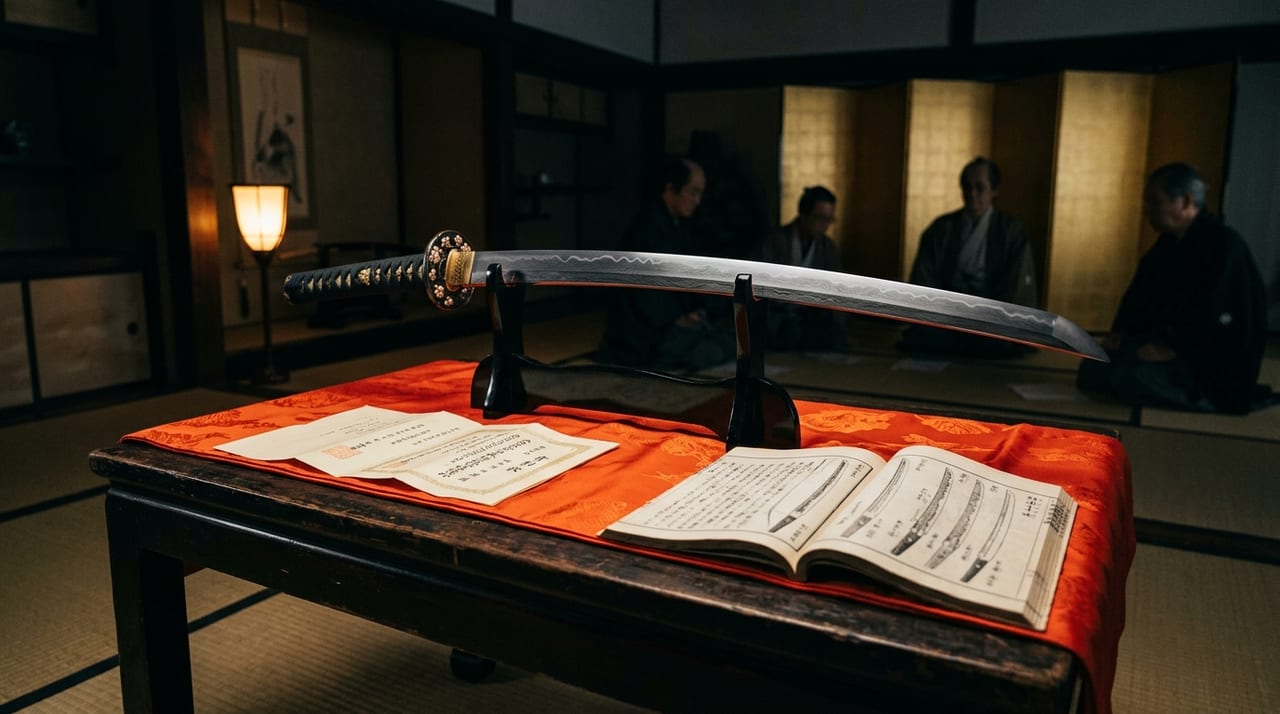
A practical guide to nihonto valuation before selling: the 7 major factors that determine market price, including NBTHK certification grade, smith reputation, condition, fittings, provenance, current market trends, and how to choose the right appraiser.
The Onin War fundamentally transformed the geographic and economic structure of the Japanese sword industry. This article analyzes the hardship of Bizen Osafune, the rise of Mino swords, and the emergence of mass-produced sword economics.
Bishu Osafune Morimitsu (備州長船盛光) was a sword smith of the Osafune school active during the early Muromachi period in the Oei era (1394–1427). Alongside his contemporary Yasumitsu (康光), he is called "the twin peaks of Oei Bizen." Inheriting the traditions of Kamakura Bizen while incorporating the new styles of Muromachi, his elegant blades are today highly valued as Important Cultural Properties and National Treasures. This article provides a detailed examination of Morimitsu's techniques, historical context, and representative works.
Rai Kunimitsu, active in the late Kamakura through early Nanbokuchō period (14th century), is the foremost master of the Yamashiro Rai school. His blades — characterized by crystalline suguha hamon and lustrous jitetsu — include National Treasures and remain among the world's most prized Japanese swords.
How were long swords, katanas, and short swords deployed in Sengoku-period battles? This article explains the reality of their use in grappling, castle interior combat, and pursuit based on primary historical sources.
Soshu-den (Kamakura) and Bizen-den (Okayama/Osafune) are the two major schools representing Japanese swords and possess contrasting aesthetics in steel quality, blade patterns, and overall form. This article thoroughly compares the characteristics of both schools, their representative smiths, authentication points, and differences in collecting value, approaching the essence of Japanese sword authentication.