Nouveautés — Découvrez les dernières arrivées dans notre catalogue. Voir →
Aperçus sur les connaissances et la culture du sabre japonais
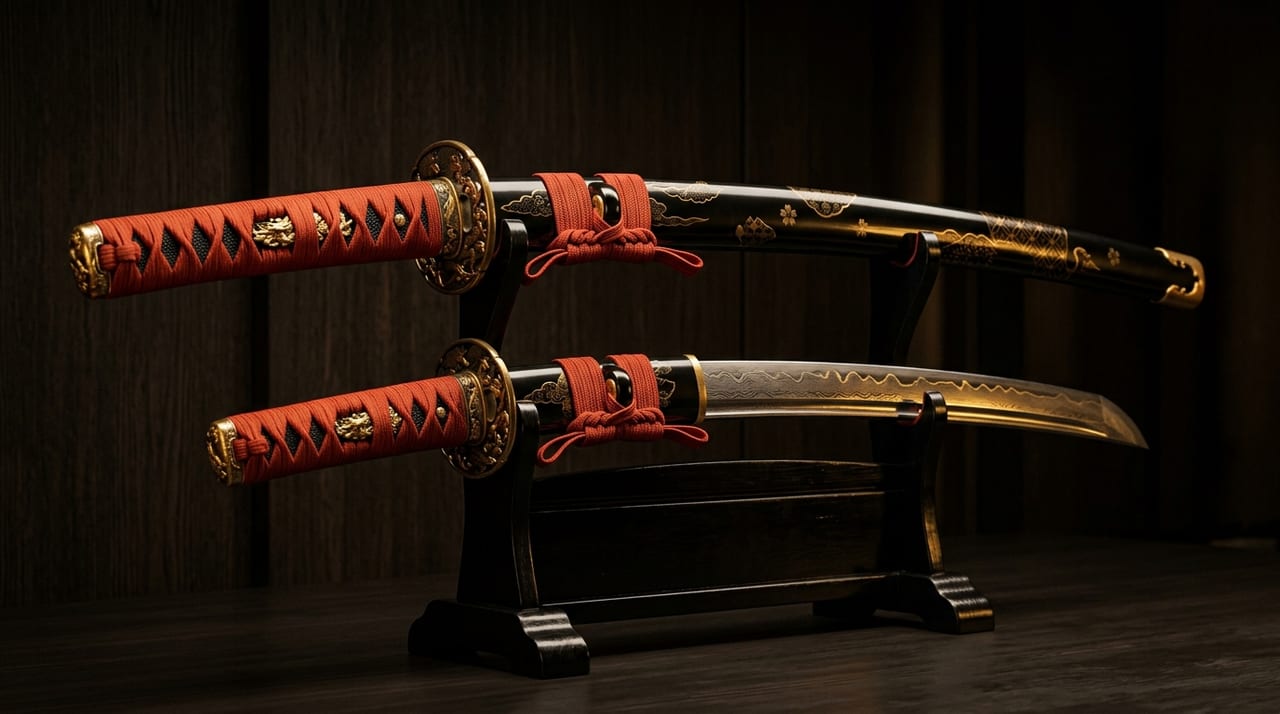
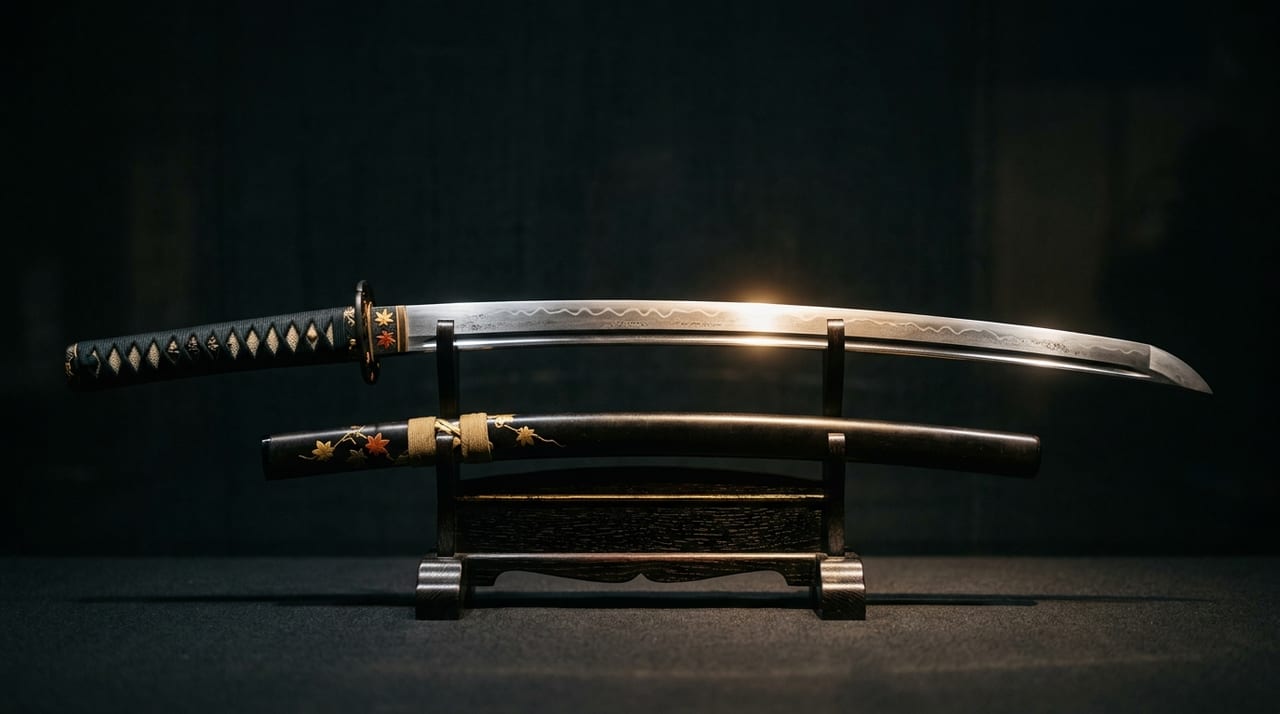
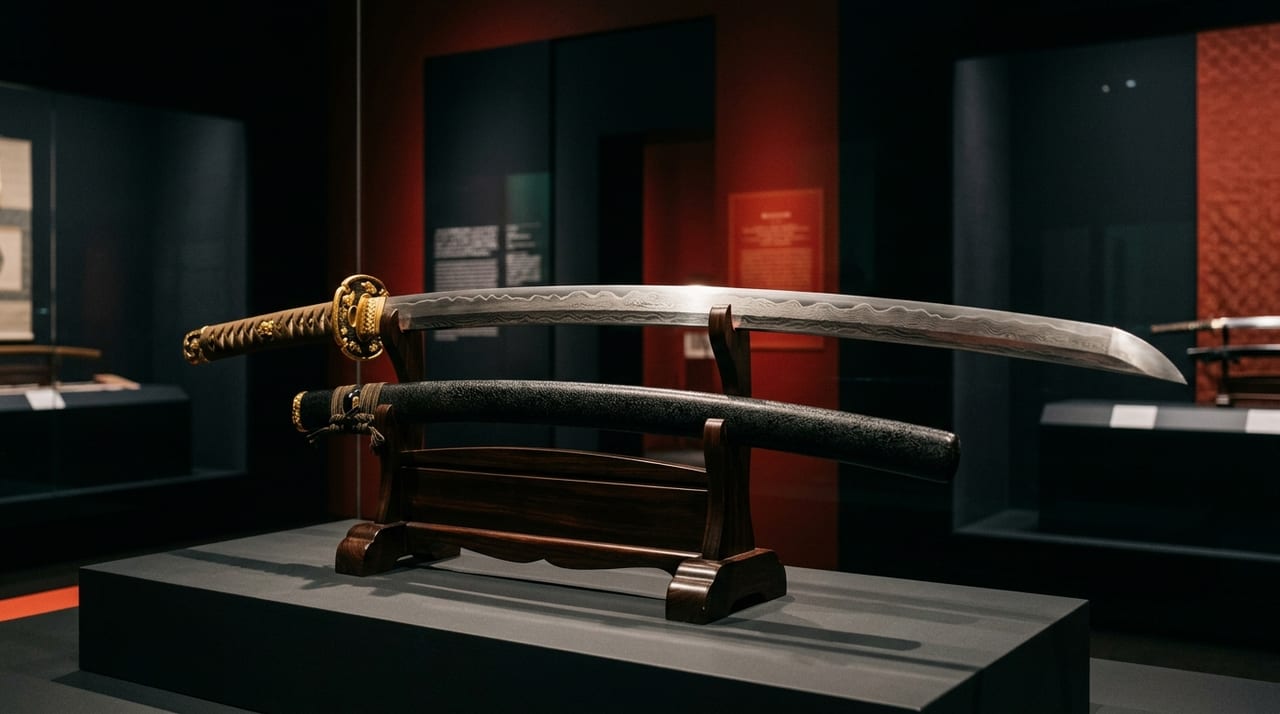
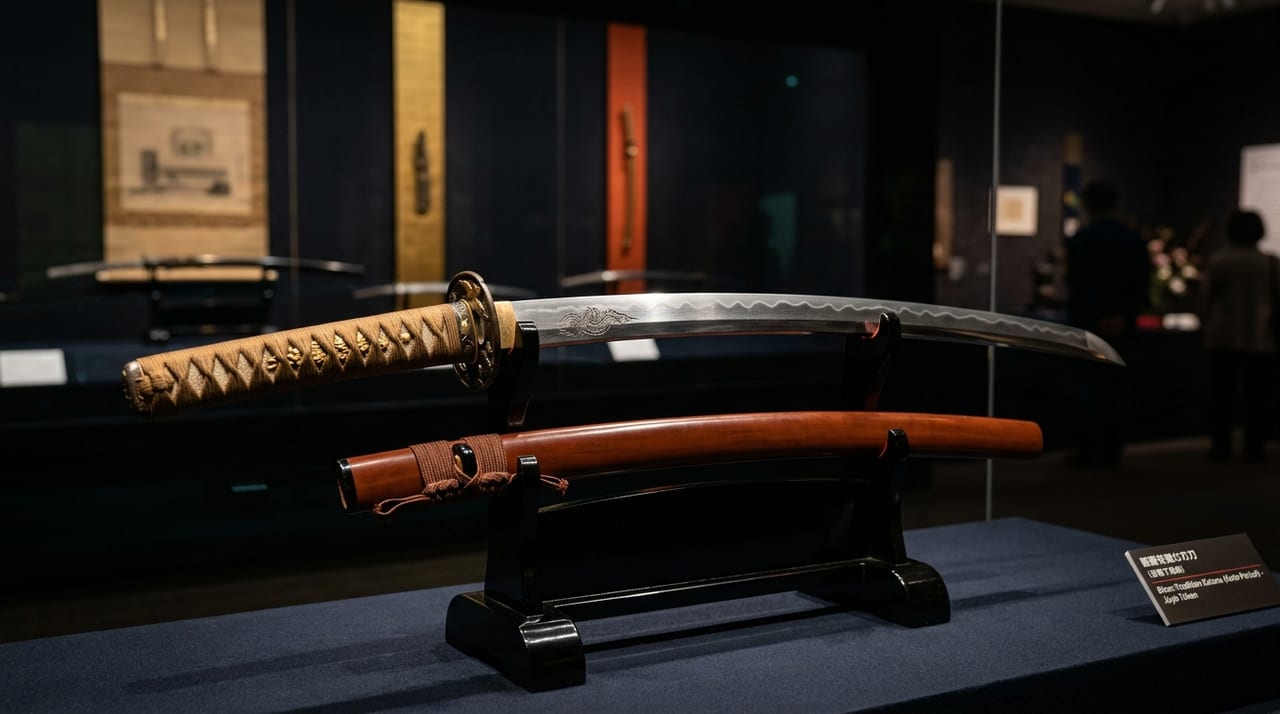
The daisho (大小二本差し) paired the uchigatana (打刀) with the wakizashi (脇差) to mark samurai status in Edo Japan. Beyond length, these swords differed in purpose, technique, and koshirae (拵え). The longer uchigatana served in combat and ritual; the shorter wakizashi enabled indoor defense. This guide explores their distinct roles and design characteristics through the Muromachi and Edo periods, offering insights for modern collectors.
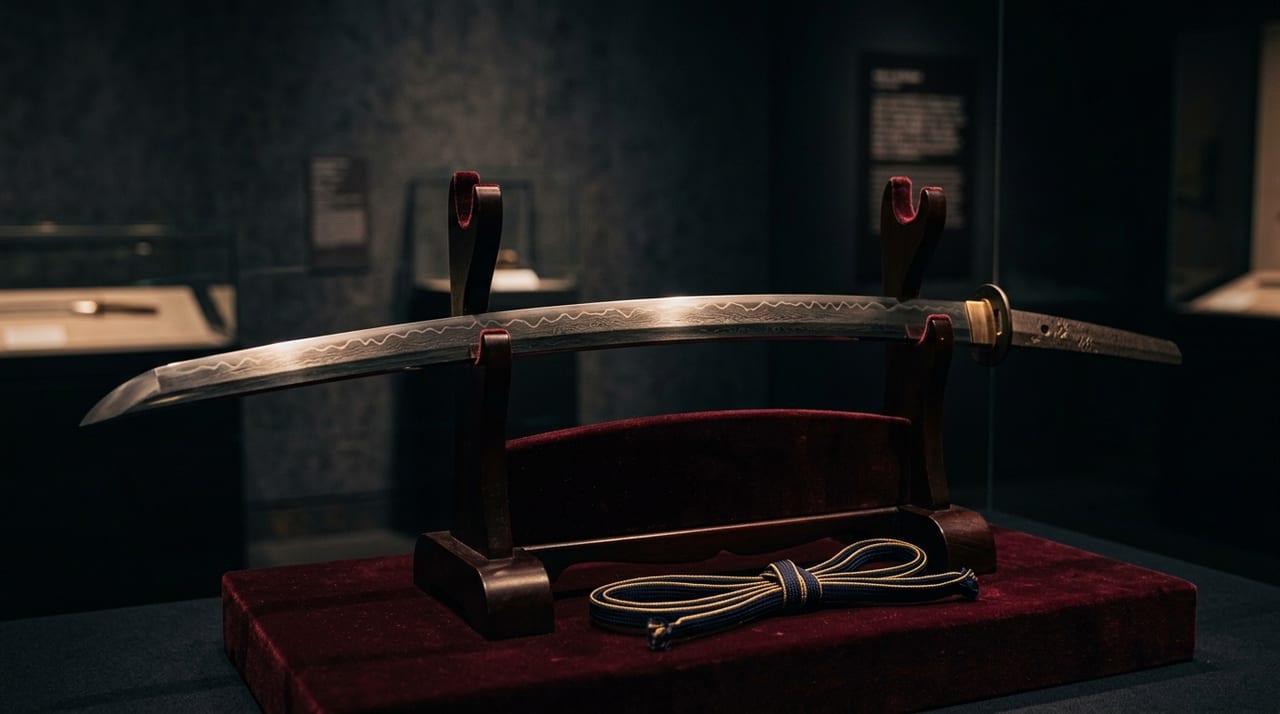
Tempering (焼き戻し) reduces the brittleness of martensite through low-temperature reheating after quenching, restoring toughness to the blade. This guide explores carbide precipitation and residual stress relief, tracing how traditional swordsmith techniques and modern scientific management achieve the Japanese sword's trinity: never breaking, never bending, never dulling.
Although yaki-ire (焼き入れ), the hardening technique, is famous in Japanese sword manufacture, the annealing process (yakimarashi, 焼きなまし) performed before forging is rarely discussed. This guide explains the role and technique of this preliminary process—releasing internal stress in tamahagane (玉鋼) and establishing the proper conditions for forging.
Explains the transformation in Japanese sword blade forms that occurred during the Kanbun era (1661–1673). The transition to slender blades (hosomi), large kissaki (ō-kissaki), and reduced base curvature (motosori); the positioning of master swordsmiths such as Toshinari (虎徹) and Sukehiro (助広); and the transformation of the warrior class's view of swords, all examined within the historical context of the era.
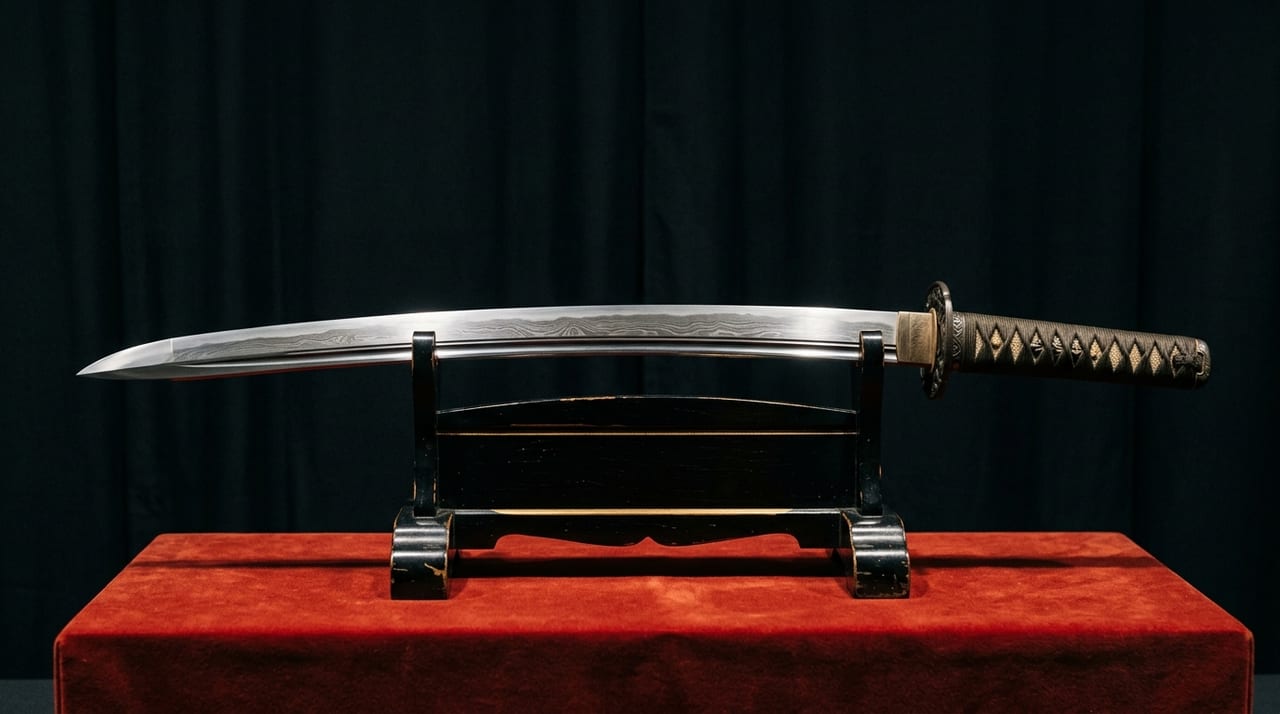
A detailed explanation of the finishing processes for hamachi and munemachi — the boundary areas between the blade body and tang. Covers distortion correction after quenching, shape determination, and final polishing of these critical areas.
An explanation of the rare 'Kogarasumaru-zukuri' blade form, which features a double-edged tip and single-edged body. Covers its origins, historical significance, surviving examples, and appraisal criteria.
Details the devastating blow the Haitō Edict (廃刀令) of 1876 inflicted on the Japanese sword industry and the process of revival as artistic swords from the late Meiji through Showa periods. Traces the circumstances of sword smiths (tōshō / 刀匠) who ceased operations, the transformation of cultural heritage recognition, and the establishment of a modern protective system by the NBTHK.
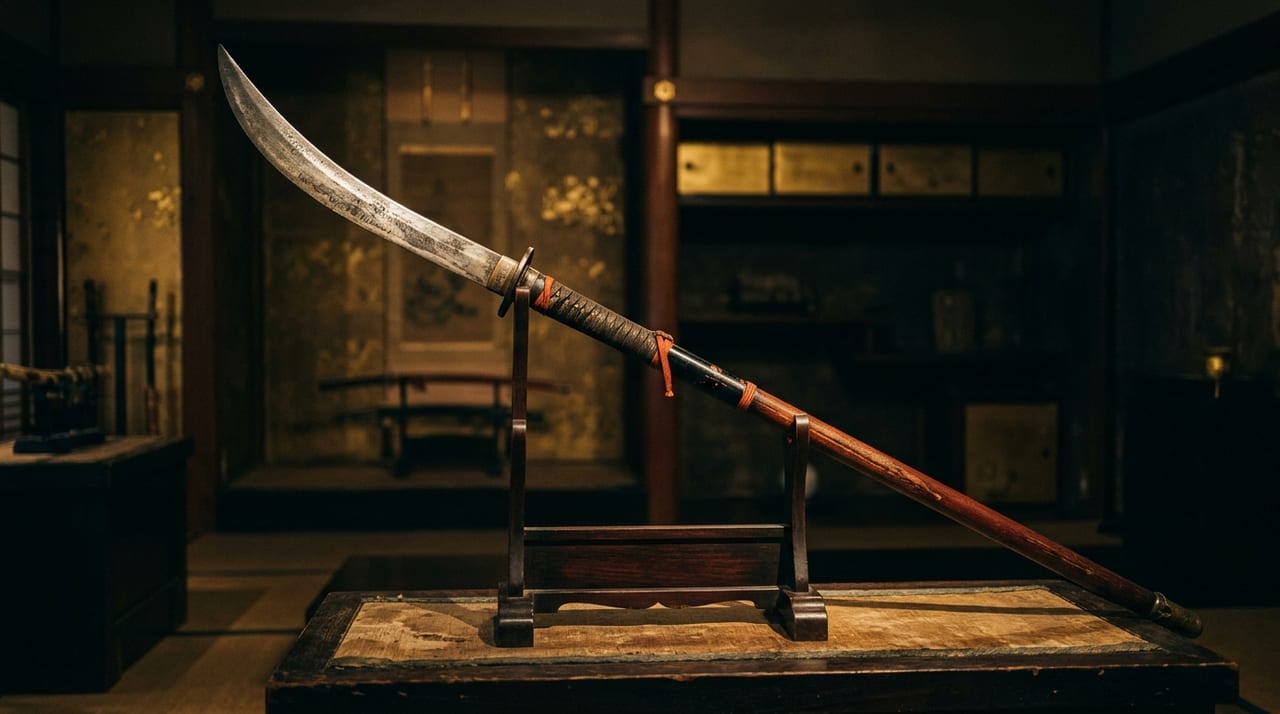
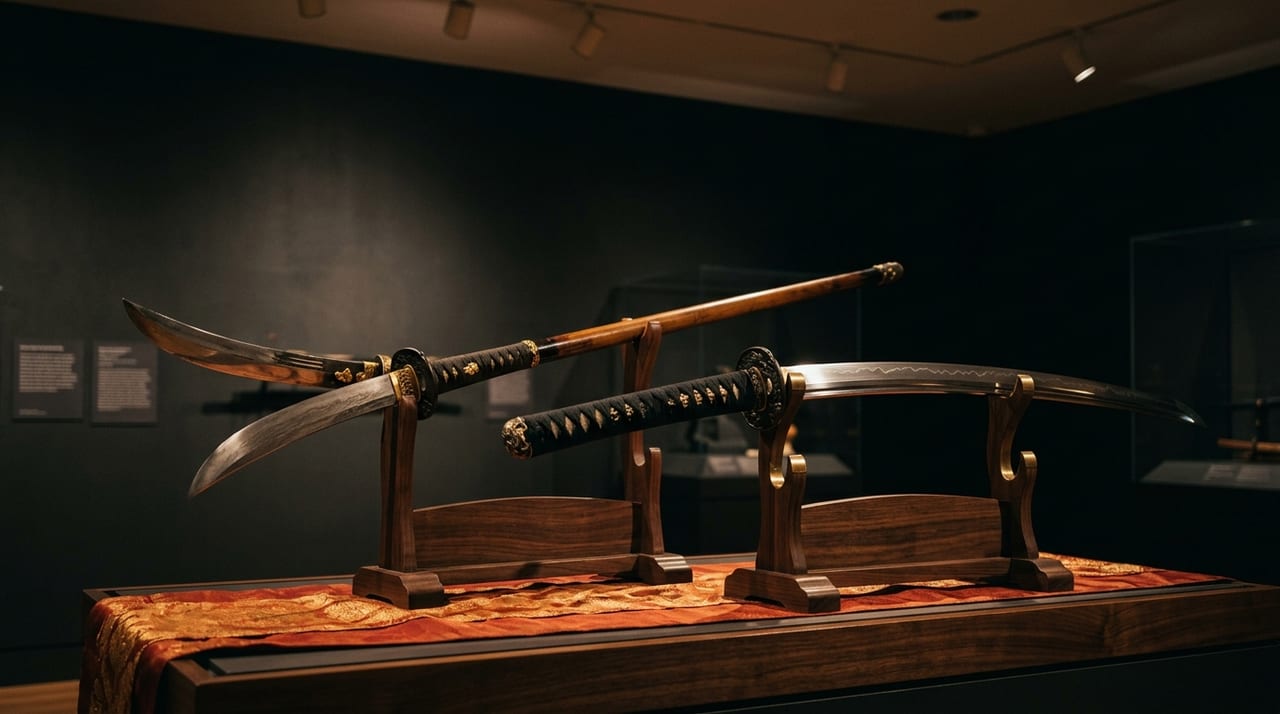
A comprehensive explanation from the naginata's structure and nomenclature of each component, its origins in the Heian period, its establishment as a female martial art in the Edo period, to the modern competitive system of naginata-do. This article also introduces the blade shape, types by school, and evaluation criteria as an art object.
Explains the differences between the naginata (薙刀) and nagamaki (長巻) in blade shape, hilt proportions, and development period. Compares their evolution from the late Heian through the Sengoku period, their functional roles on the battlefield, and their modern positioning in martial arts and as artworks.
Explores the dramatic changes the Nanbokucho upheaval (1336-1392) brought to Japanese sword forms, examining the emergence of oversized tachi and nodachi and the warrior society that produced them.
A practical guide to participating in domestic and international sword auctions, negotiating prices with overseas buyers, and handling post-bid shipping and customs procedures.
Practical procedures for legally exporting nihonto (日本刀) overseas, covering the intersection of the Cultural Properties Protection Act, Foreign Exchange Act, and Swords and Firearms Control Law; customs declaration document preparation; and import regulations in major destination countries (US, EU, Australia, Taiwan).