Nouveautés — Découvrez les dernières arrivées dans notre catalogue. Voir →
Aperçus sur les connaissances et la culture du sabre japonais
The Haitōrei (Sword-Bearing Ban) promulgated in 1876 (Meiji 9) stripped samurai of their right to wear swords and shook Japanese sword culture to its foundations. This article provides a detailed explanation of the background, content, and impact of the Haitōrei, as well as how Japanese swords survived as works of art.
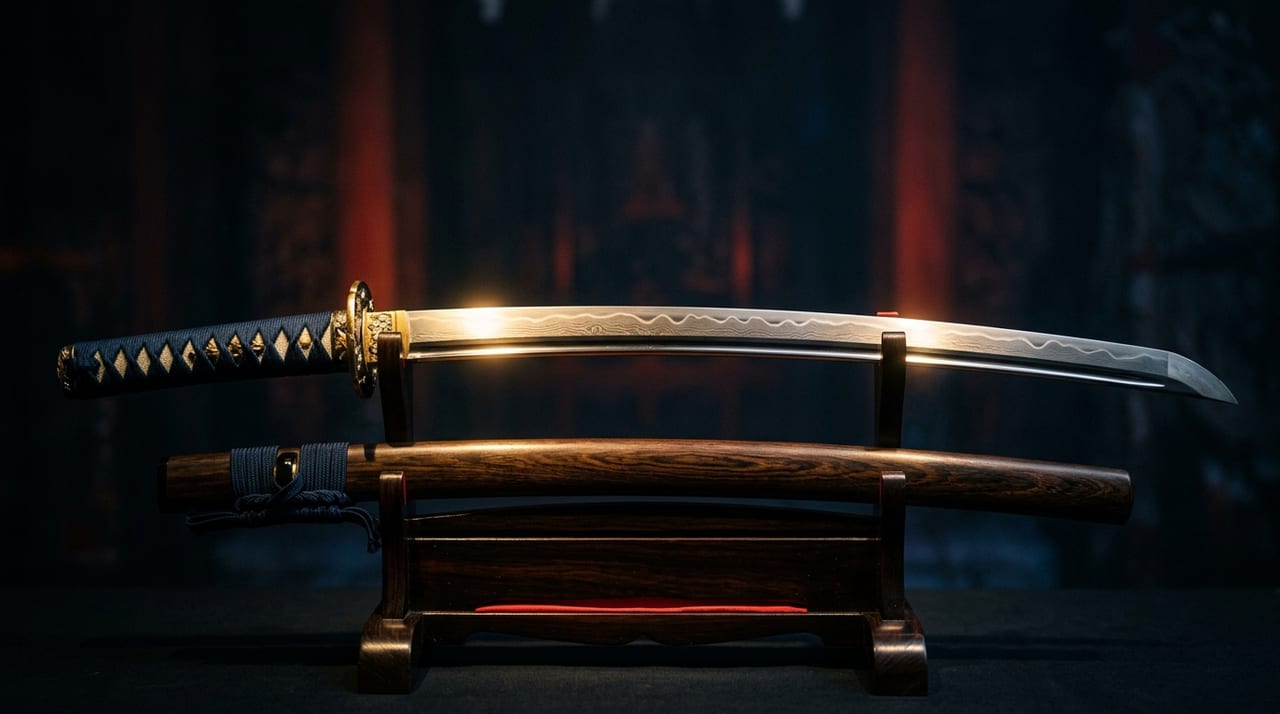
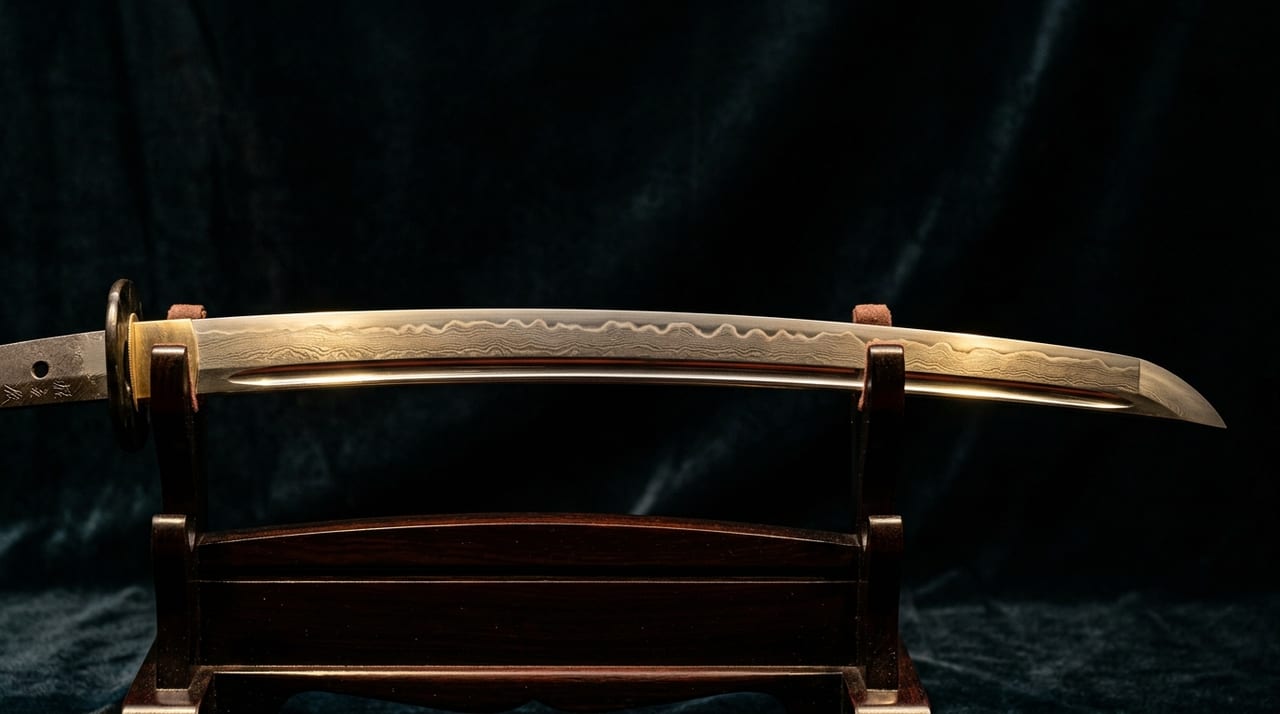
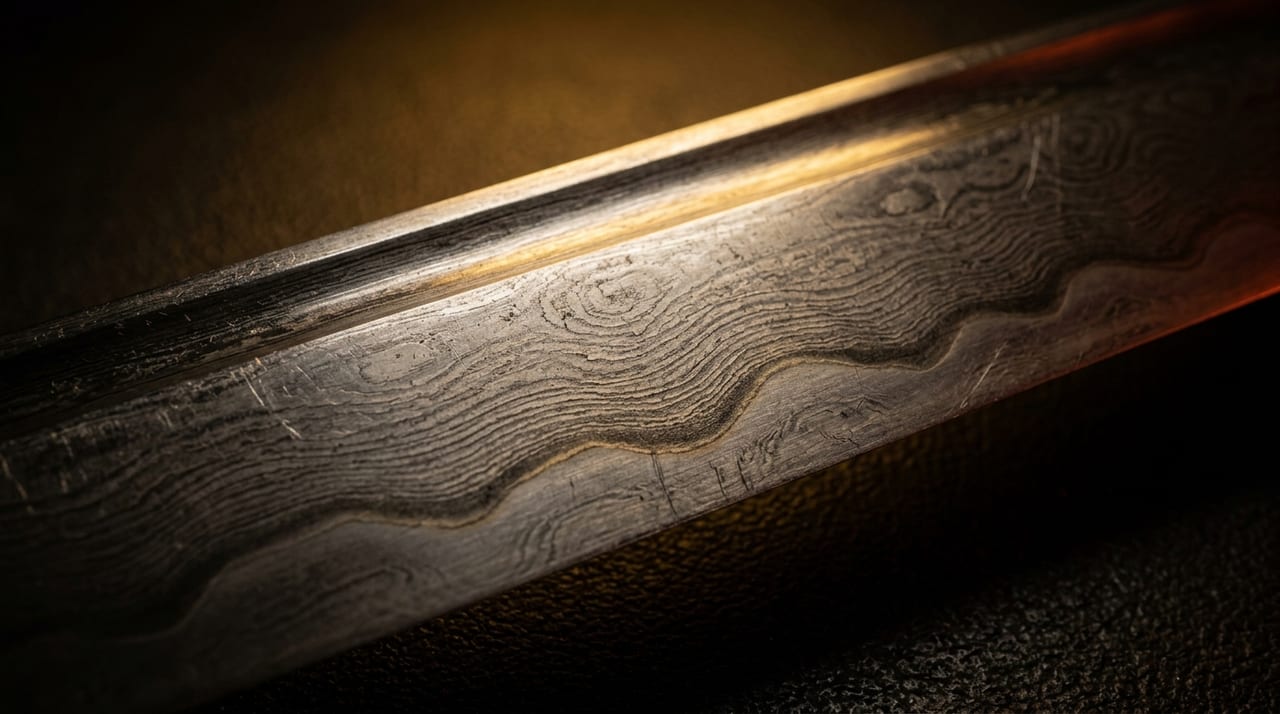
The blade pattern (hamon) of Japanese swords is created through the hardening process and emerges at the edge boundary, determining both the aesthetic value and functionality of the sword. This article explains in detail the main types of blade patterns—such as straight blade, undulating wave, clove bud, and alternating diamond—along with methods of appreciation and their characteristics across different schools of swordmaking.
The mid-to-late Heian period (9th–12th centuries) witnessed a dramatic transformation in Japanese sword culture. The shift from straight blades to curved tachi, the rise of warrior clans like the Minamoto and Taira, and the wars leading to the Genpei conflict elevated the nihonto to the core of samurai identity.
Higo kinko metalworkers, serving the Kumamoto (Higo) domain, produced austere iron tsuba rejecting gold and silver inlay. This article details the four main lineages — Hayashi, Nishigaki, Hirata, and Shimizu — their characteristics, representative styles, and relationships, with guidance for appreciation and collecting.
Honjo Masamune, counted among the Five Swords of the Realm, vanished in the postwar turmoil and remains missing to this day. This article explains the history of this legendary blade, attributed to the renowned Kamakura-era master craftsman Masamune, the circumstances of its disappearance, and the current search efforts.
Alongside the Imperial Army's military swords, the Imperial Navy maintained its own distinct sword regulations. This article examines the types of swords carried by naval officers — short swords, command swords, flag officer swords — their differences from Army regulations, and their historical significance.
The quality of the iron ground (jigane) is as important to tsuba evaluation as the temper pattern is to sword blades. This article explains the types of forging surface texture, patina color, and their relationships to period and school in iron tsuba.
Jokoto are the pre-Heian straight blades that preceded the curved Japanese sword. This article traces the evolution from continental ring-pommel swords through native straight blades to the curved tachi, drawing on archaeological finds, the Shosoin treasures, and inscriptions.
In the late Kamakura period and the brief Kenmu Restoration (1333–1336), nihonto grew larger and more battlefield-oriented in response to Mongol invasion lessons. The conflict between Emperor Godaigo and Ashikaga Takauji that opened the Nanbokucho era drove further dramatic changes in sword design.
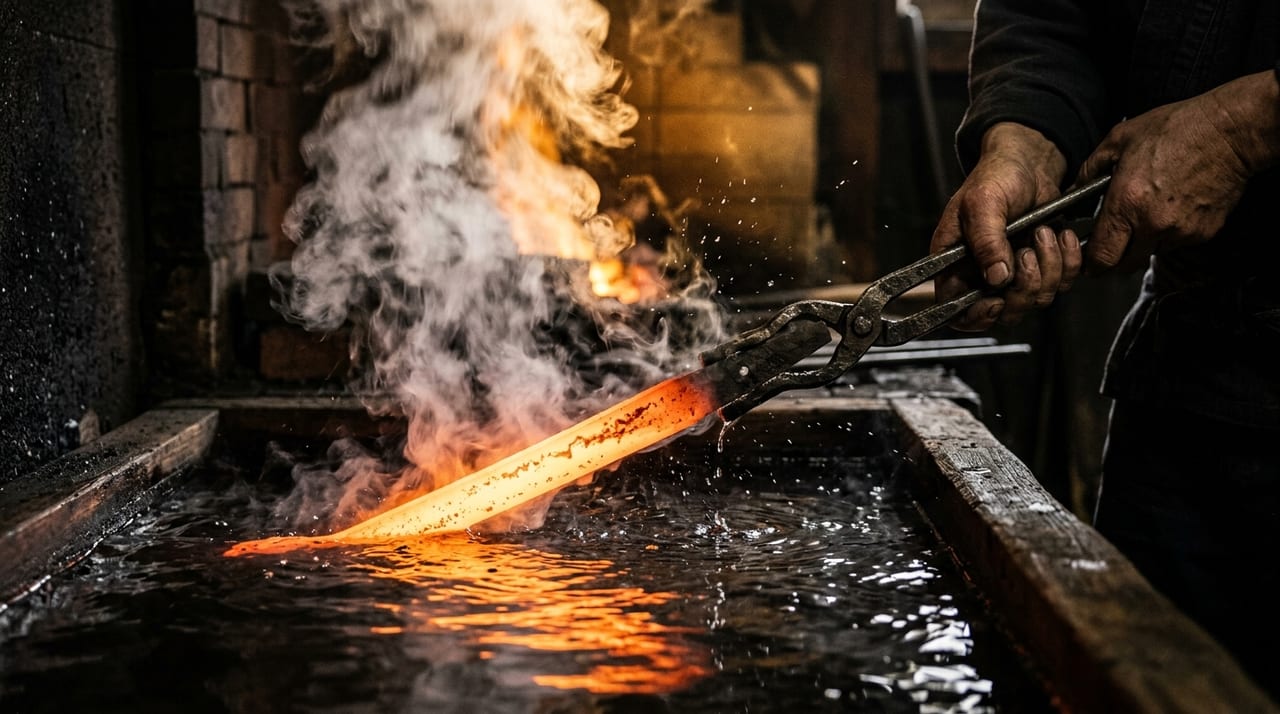
A nihonto blade is not a single uniform piece of steel but a composite structure combining kawagane (hard outer skin steel) with shingane (tough inner core steel). This kobuse construction — one of engineering history's most elegant solutions — simultaneously achieves sharpness, hardness, and impact resistance. This article explains the mechanism and its variations across traditions.
Kawari-gata (unusual-form) tsuba transcend the standard circular and mokko shapes, expressing the full range of sword guard creativity. This article explains the significance and artistic value of fan, hollyhock, square, cross, half-moon, and other distinctive tsuba forms.
The "hair-pin-shaped large sword (kenuki-gata-tachi)" is a large sword with a distinctive form created during the Heian period, characterized by an integrated iron structure with hair-pin-shaped openwork carved into the hilt (tsuka). This article explains its structural uniqueness, historical significance, and representative extant examples.