Nouveautés — Découvrez les dernières arrivées dans notre catalogue. Voir →
Aperçus sur les connaissances et la culture du sabre japonais
Modern swordsmiths face a triple raw material challenge while working under a 24-blade annual production cap: supply constraints on tamahagane steel, depletion of natural whetstone deposits, and the growing difficulty of sourcing charcoal and other traditional materials. This article outlines the current state of each challenge and the practical responses swordsmiths have adopted.
As interest in Japanese sword culture grows among foreign visitors to Japan, inbound-oriented facilities and programs are being developed, including forge tours, iaido experiences, and multilingual support at sword museums. This article organizes the current experience offerings and the challenges of developing them as tourism resources.
The motivations of those who continue collecting Japanese swords are diverse. Aesthetic appreciation, historical research, martial arts practice, asset holding, and cultural preservation can coexist within a single collector. This article categorizes the motivations of sword collectors and examines how each motivation influences the continuation of collecting behavior.
Analyzes how online e-commerce platforms and auction sites have transformed the Japanese sword industry over the past decade, from pricing transparency to direct international sales.
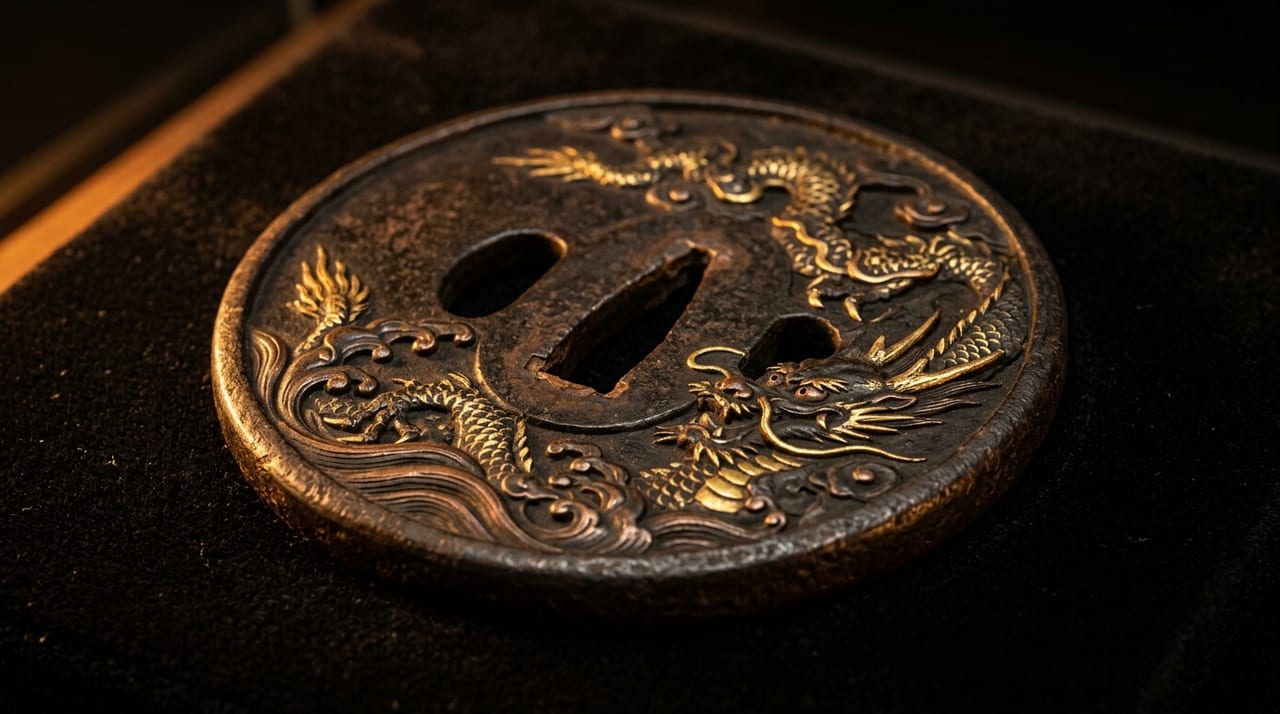
An in-depth look at the master craftsmen of Higo metalwork — including Hayashi Matashichi, Nishigaki Ikkansai, and others — their distinctive techniques and the lineage they established.
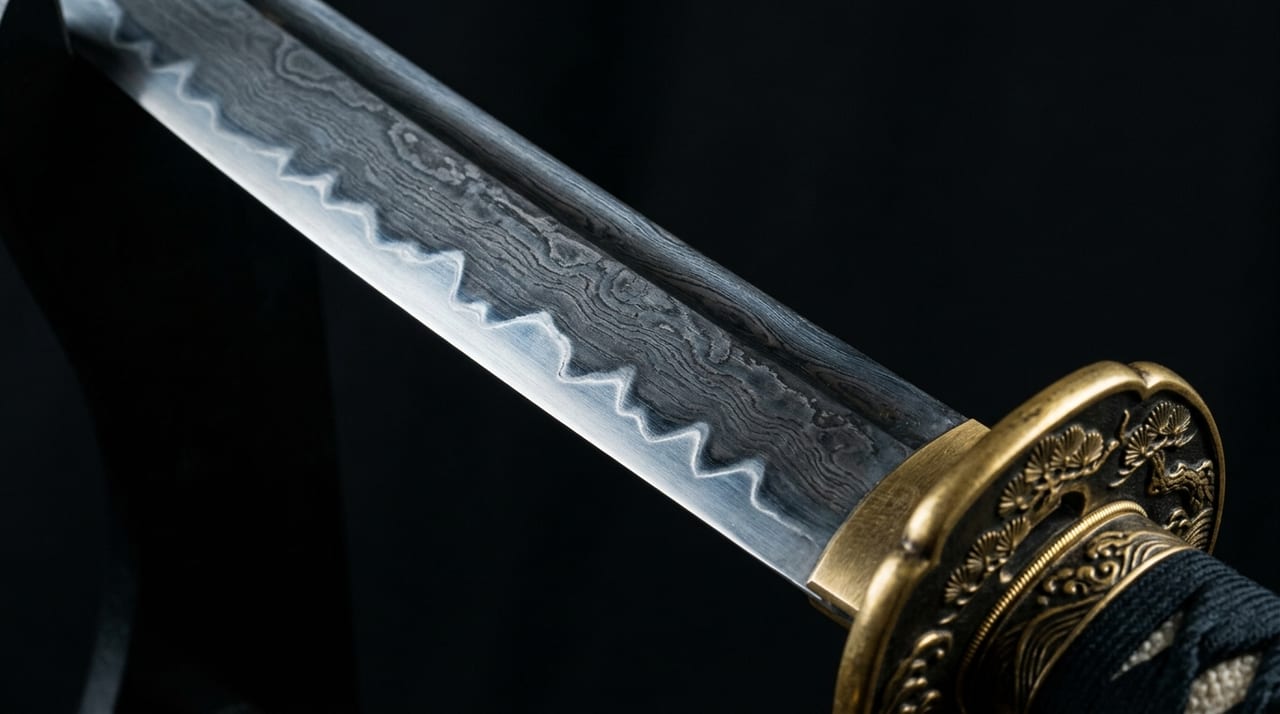
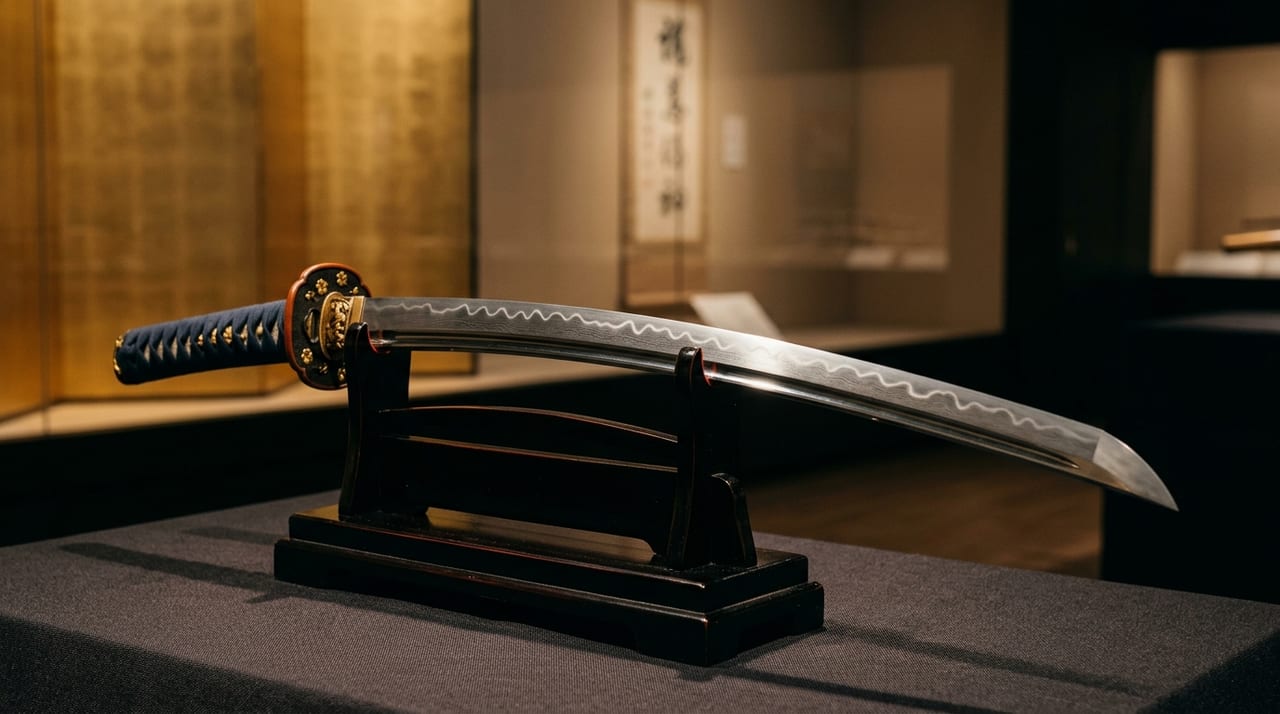
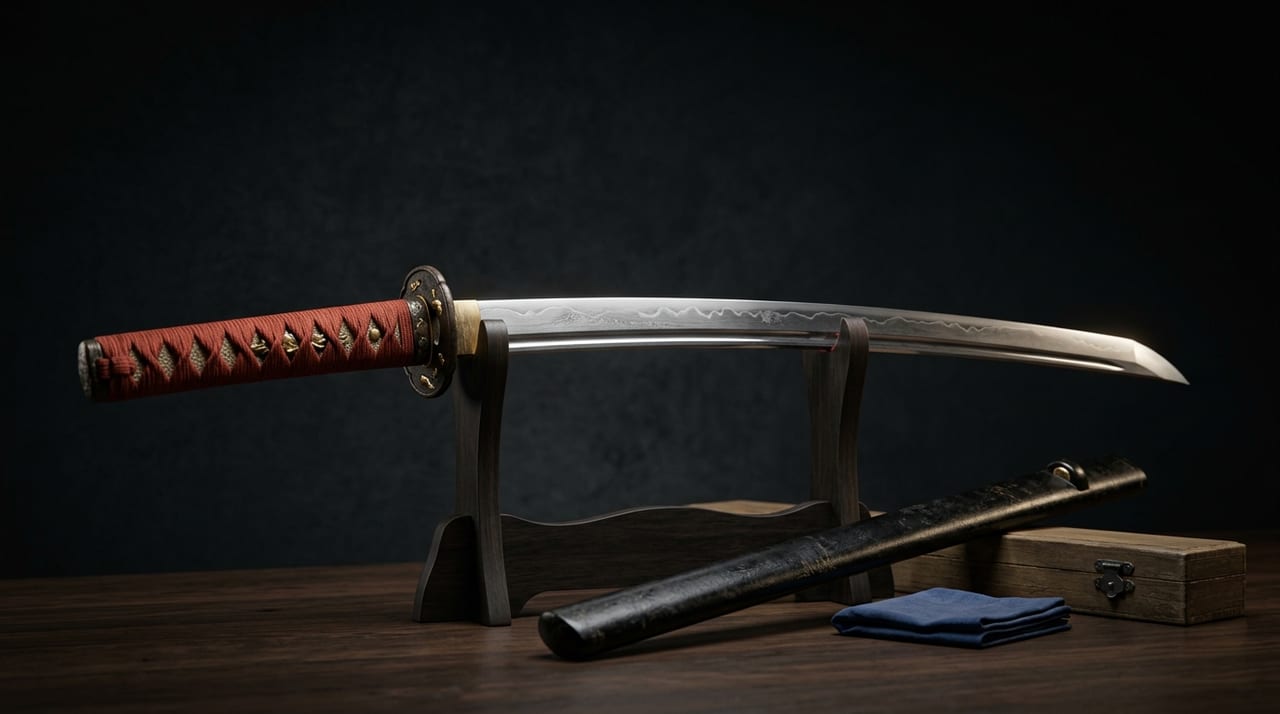
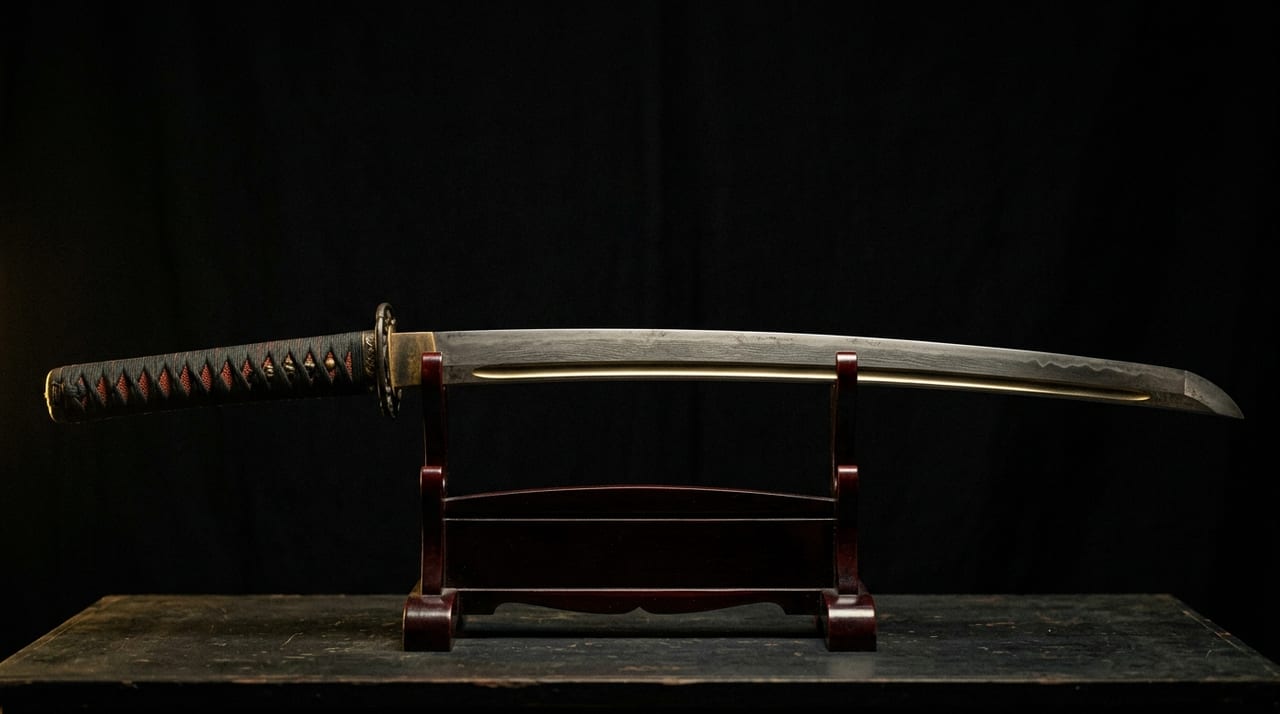
Evaluating a Japanese sword from multiple angles requires an integrated judgment of four criteria: jihada (quality and texture of the steel), hamon (shape and activity of the temper line), sugata (overall blade form), and mei (swordsmith signature). This article explains the meaning and interrelationship of each criterion and presents a practical framework for use in real appraisal situations.
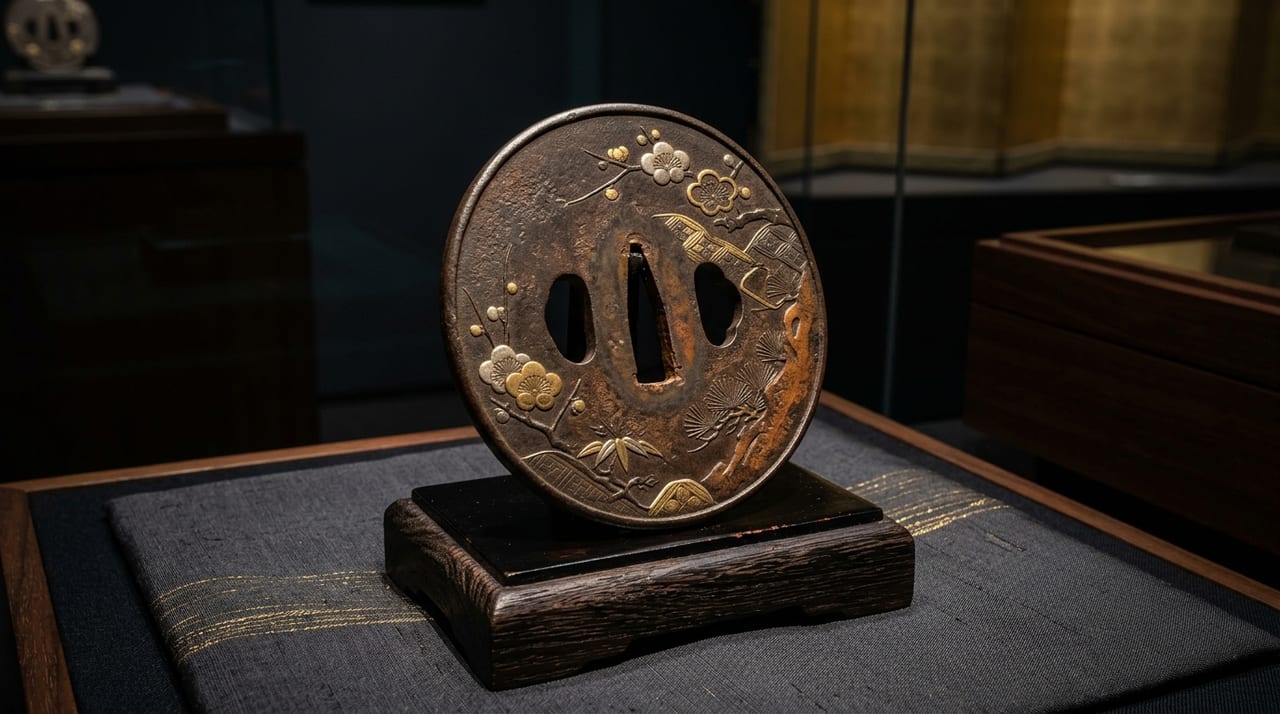
Four observation axes—surface forging texture, patina quality, rim shape, and overall thickness—are effective for dating a tsuba. This article organizes the period-specific characteristics of each and explains the changes from the early Edo period to the late Edo period in the form of a practical checklist.
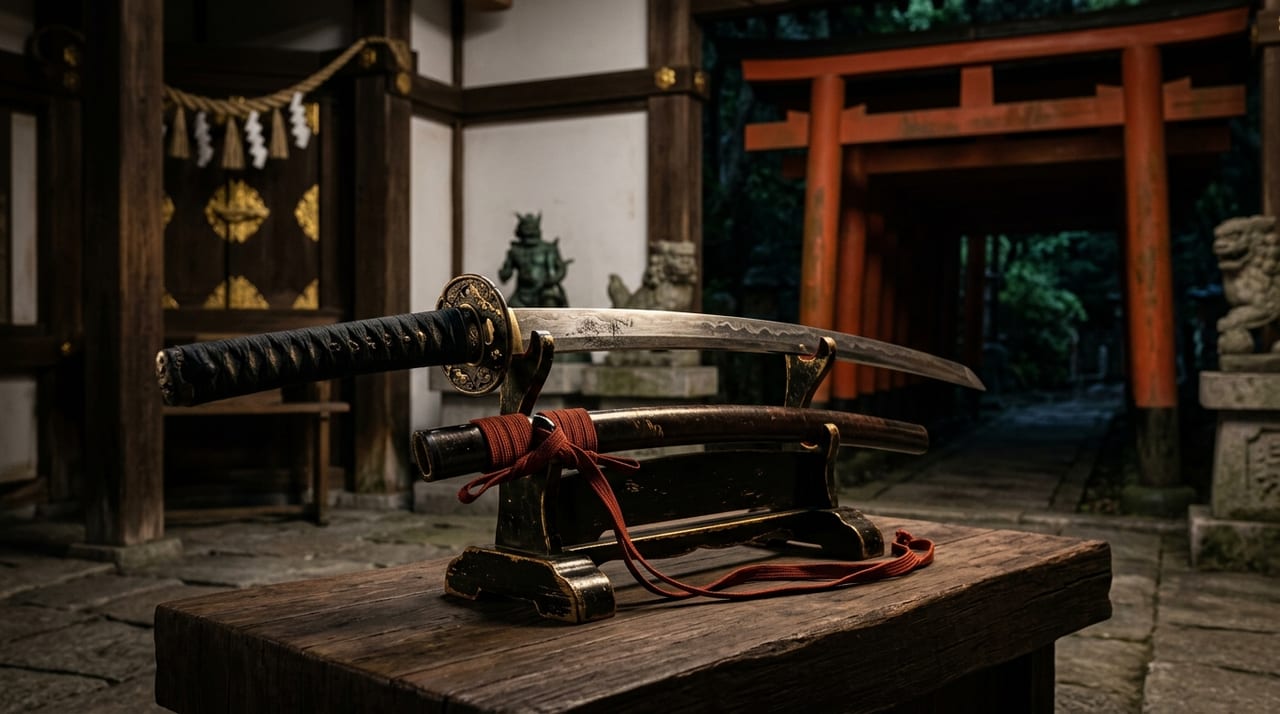
Explores the deep connection between Shinto and the Japanese sword, from the sacred regalia to votive blades and the spiritual significance of swords in shrine culture.
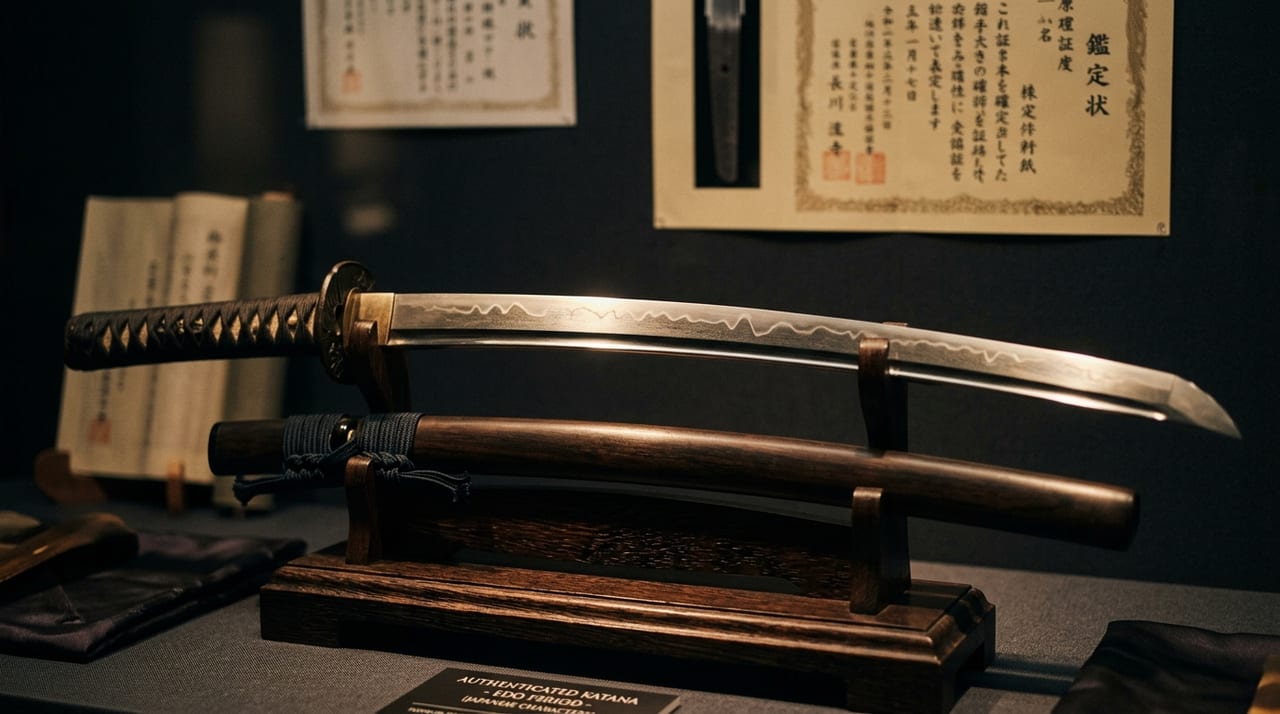
A guide to the different sword appraisal certificates (kantei-sho) issued by NBTHK and other bodies, explaining grading standards and their significance in transactions.
A practical beginner's guide to budgeting and making your first Japanese sword purchase, including tips on choosing blade types and verifying authenticity.
Yamato tradition (大和伝) is an ancient school of Japanese swordmaking that developed around temples and shrines centered in Nara, standing alongside Bizen, Sōshū, Minō, and Yamashirō as one of the Five Traditions (ごかでん). Yamato swords, distinguished by their characteristic suguha (直刃), bo-hi (棒樋), masame-hada (柾目肌), and shallow sori (反り), embody a martial aesthetic distinctly different from other schools. Understanding the key points of appreciation enables one to identify Yamato tradition swords at a glance.
The Nanboku-chō period (1336–1392) is known as the golden age of Japanese swords, but it was also the dawn of "samurai collections" when warlords began personally gathering and accumulating celebrated blades. The large-scale circulation of swords generated by warfare merged with aesthetic interest in masterworks, laying the foundation for the sword appreciation culture that would flourish in the later Muromachi period.