Nouveautés — Découvrez les dernières arrivées dans notre catalogue. Voir →
Aperçus sur les connaissances et la culture du sabre japonais
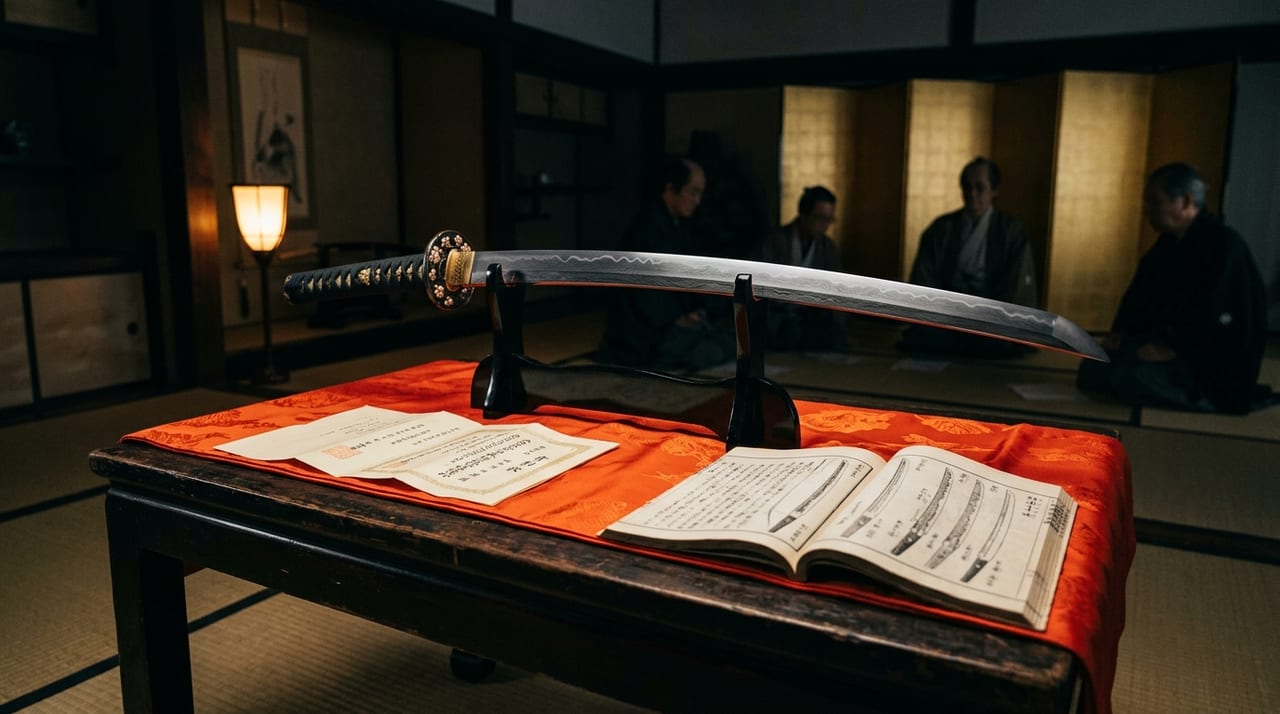
Japan's nihonto dealerships face a critical succession crisis, with aging owners, declining shop numbers, and irreplaceable expertise at risk of being lost. This article examines the industry's challenges and explores successful models for passing the torch.
The sugata (form) of a Japanese sword — its curvature, length, and cross-sectional geometry (zukuri) — varies dramatically by period, purpose, and regional tradition. This guide explains the major zukuri types (shinogi-zukuri, hira-zukuri, kata-kiriha-zukuri) and their historical evolution from a connoisseurship perspective.
The nihonto industry is increasingly leveraging social media for customer acquisition and sales. This practical guide covers platform-specific content strategies for Instagram, YouTube, and TikTok, with case studies from successful accounts and compliance considerations.
Japanese sword quenching uses water or oil as the cooling medium. Water quenching and oil quenching produce distinctly different hamon and jihada characteristics. This article explains both techniques, the steel types best suited to each, and modern refinements of traditional practice.
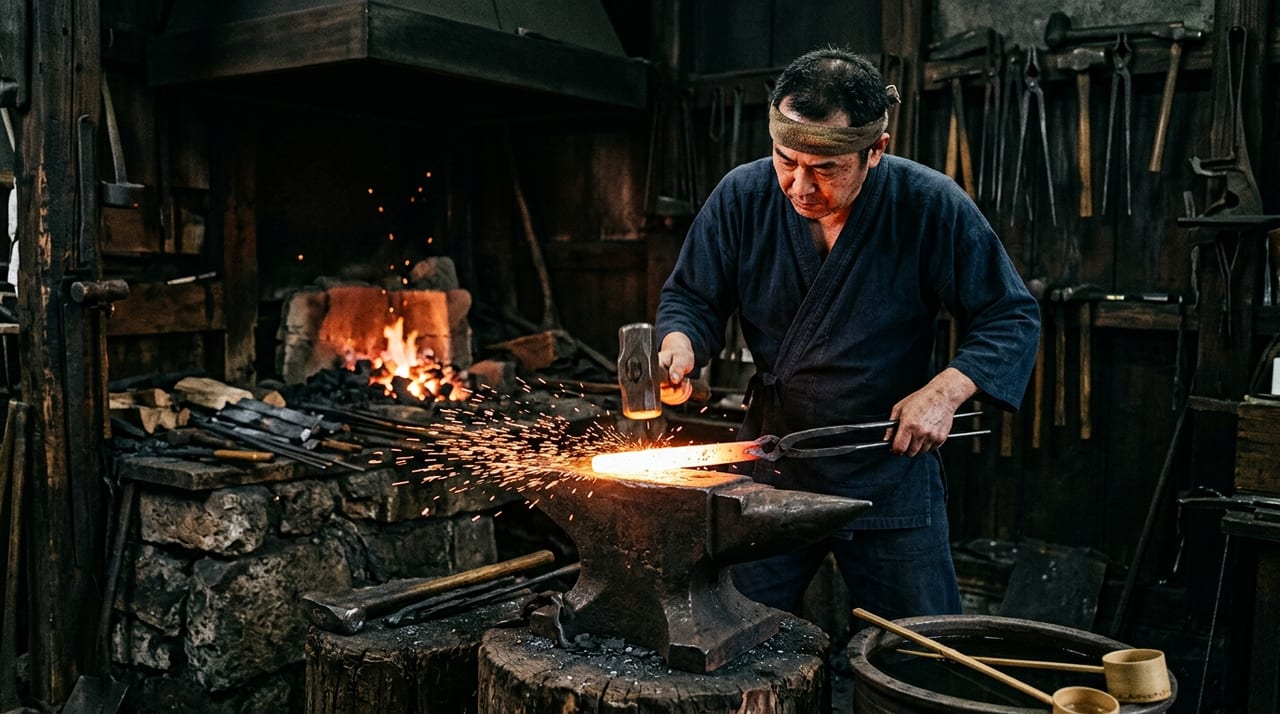
Why is the Japanese sword's defining technique — folded forging — performed, and what does it actually achieve? This article traces the complete process from tamahagane selection through finished blade, explaining each step through both traditional craft knowledge and modern metallurgical science.
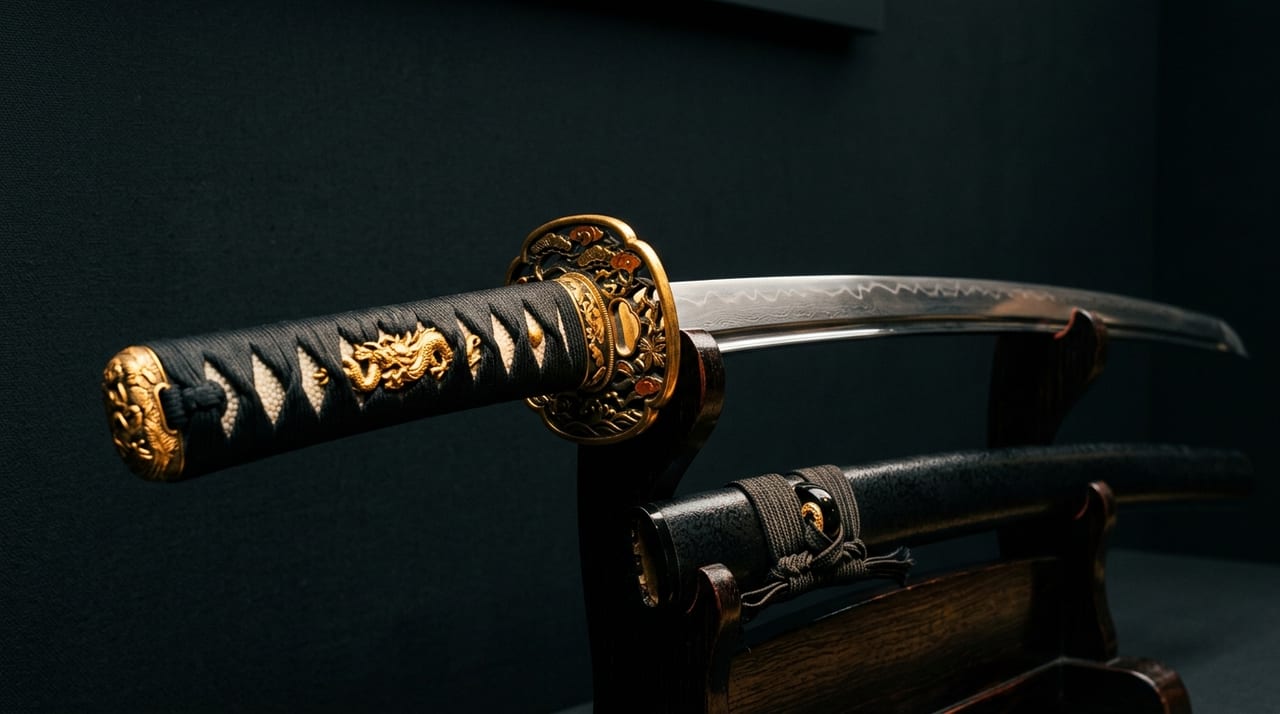
A sword's handle (tsuka) is completed through the collaboration of tsuka-shi, menuki-shi, and tsukamaki-shi. From selecting same (ray skin) to casting and engraving menuki ornaments to wrapping techniques, this article details the craftsmen who create the world within your grip.
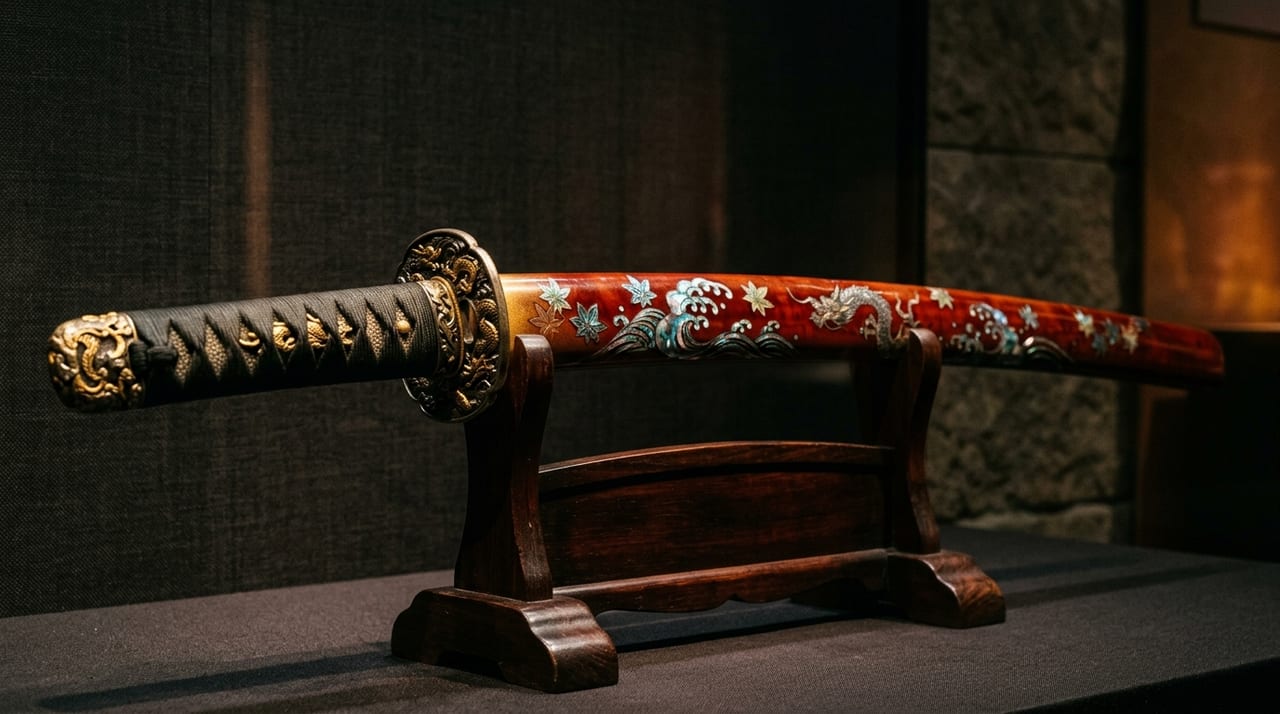
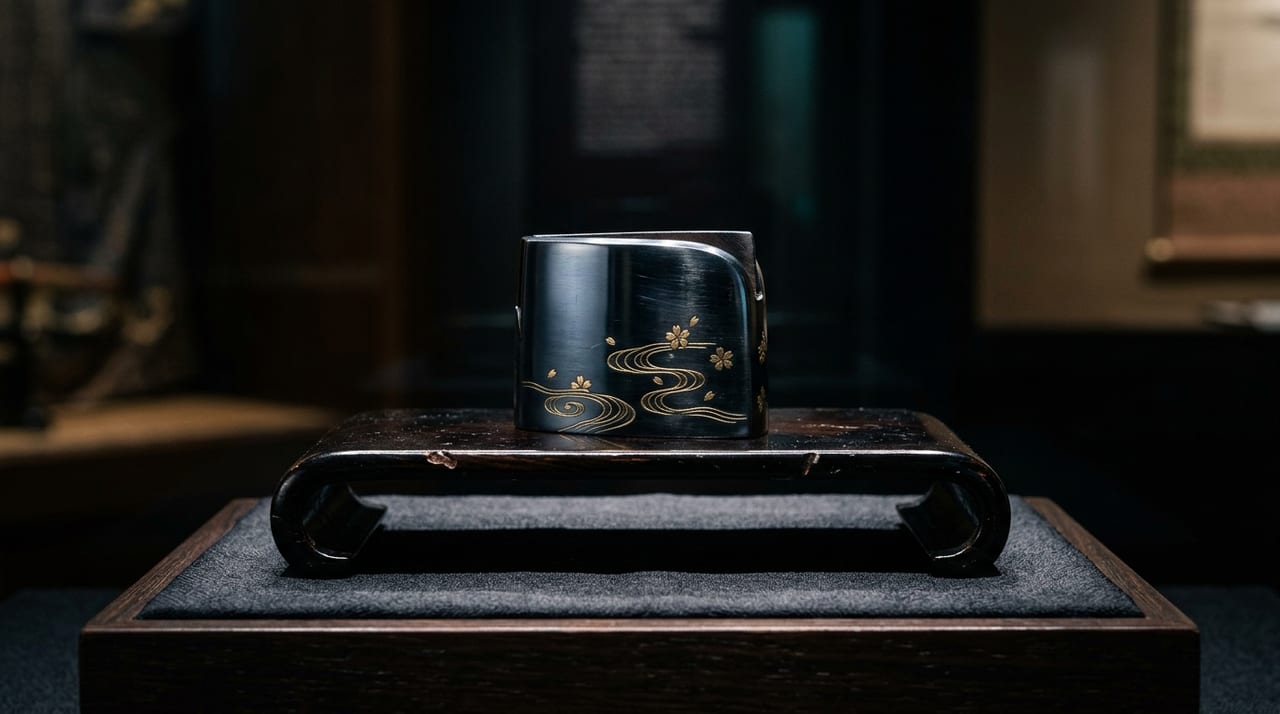
A Japanese sword's saya (scabbard) is completed through the collaboration of woodworkers, lacquer artists, and specialized polishers. This article covers the diverse finishing techniques — kuro-urushi, shuro-urushi, nashiji, makie — the production process from material selection to final polish, and the artistry visible in surviving masterpieces.
Japanese swordsmiths didn't only make swords. Yari (spears), naginata (pole swords), and nagamaki were all crafted using the same forging techniques. This article covers the structure, varieties, and school-specific characteristics of these bladed polearms that dominated Sengoku battlefields.
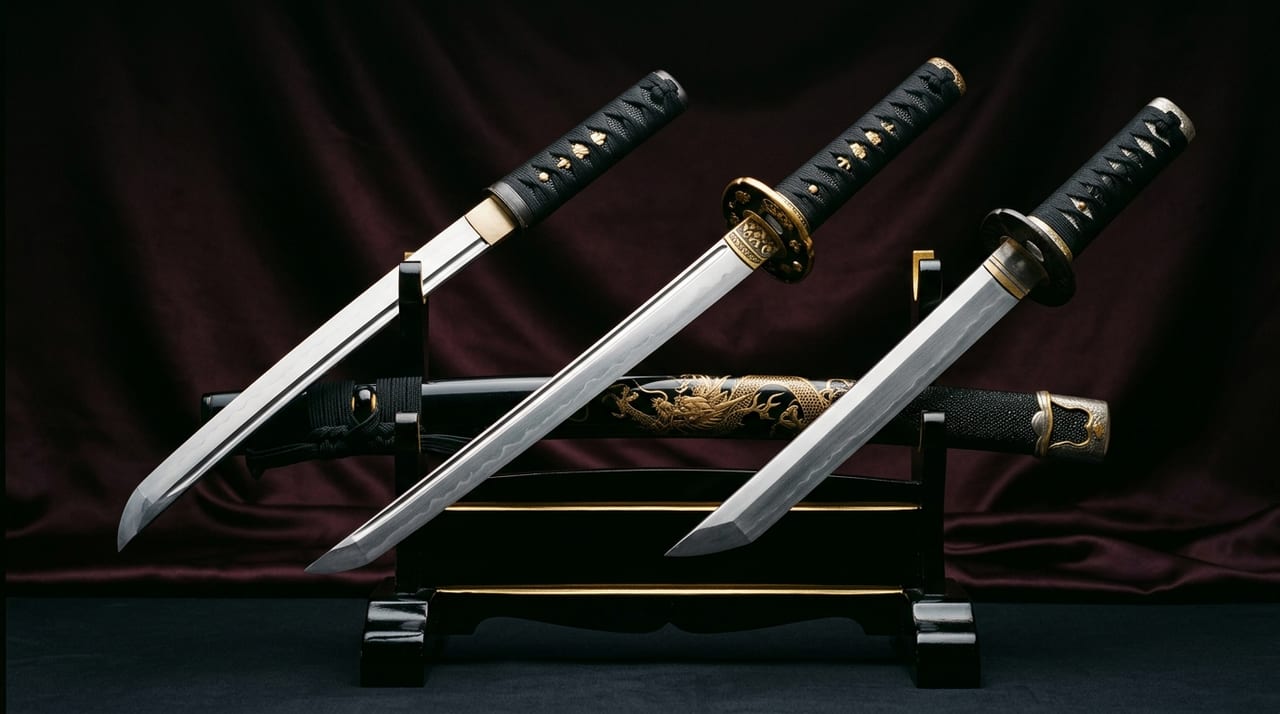
The yoroi-toshi was a specialized armor-piercing dagger designed to find gaps in armor in close-quarters combat. This article covers the varieties of Japanese short blades — koshi-gatana, tanto, and related forms — their practical combat functions and cultural role as personal defense weapons.
Japan's military swords were governed by strict regulations that evolved from the Meiji era through the Showa period. This article traces the history of both Army and Navy sword specifications — from the Type 32 through the Type 98 — and the tactical, technological, and ideological factors driving each revision.
The Azuchi-Momoyama period (1568–1603) was an era of national unification and, simultaneously, a period when the aesthetics of Japanese swords underwent radical transformation. The tastes and power of Oda Nobunaga and Toyotomi Hideyoshi dramatically altered the forms and ornamentation of swords, and new schools of sword smithing rose to prominence. This article provides detailed explanations of the master smiths and renowned blades of this era.
An exploration of the sword collections of Oda Nobunaga and Toyotomi Hideyoshi, the formation of meibutsu famous swords, the culture of luxurious sword mounts, and the transformation of samurai aesthetic sensibility toward swords under the influence of Sen no Rikyū.