Soshu Sadamune and Kiriha Sadamune: The Two Masterwork Lineages of Masamune's Successors and Their Surviving Legacy
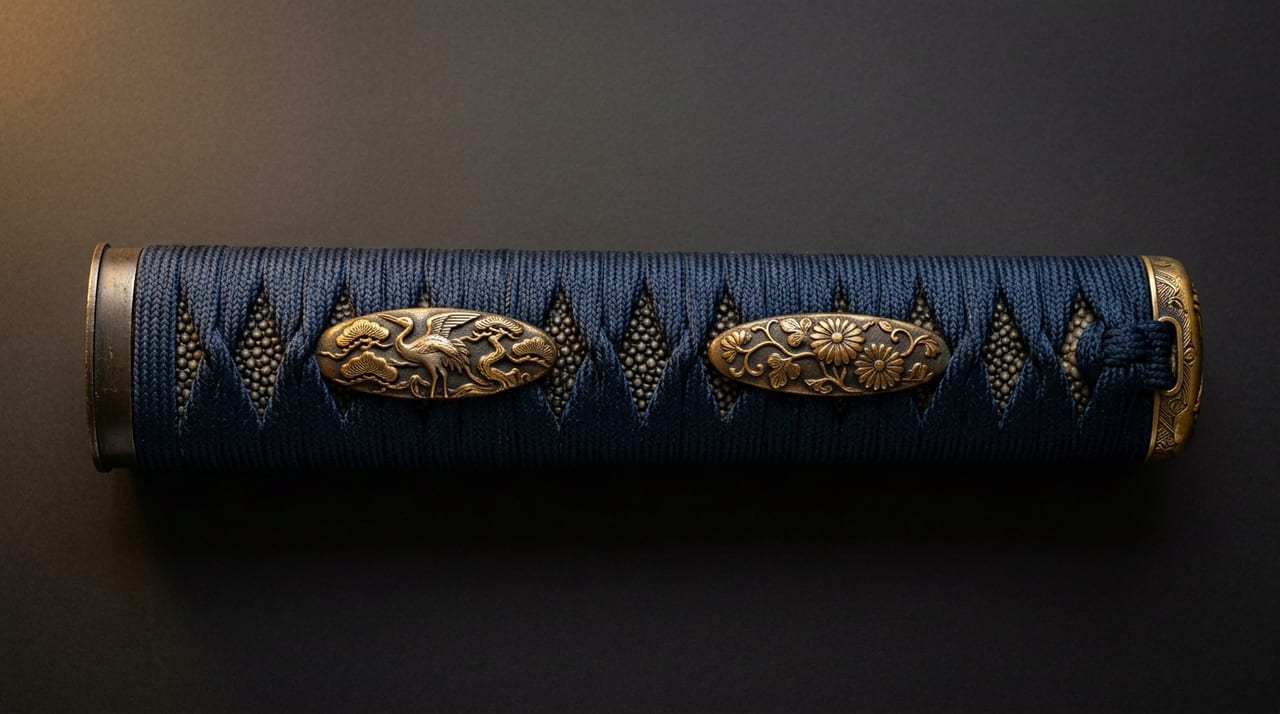 * Image is for illustrative purposes only.
Table of Contents
Soshu Sadamune—Successor to Masamune
Soshu Sadamune was a master smith of the Soshu sword-forging tradition who flourished from the late Kamakura period through the Nanboku-Chō period (early 14th century). He is said to have been either the son or a senior disciple of Masamune, inheriting his master's techniques while forging his own distinct path. Masamune's own life and how he established the Soshu tradition are explained in detail in Masamune—The Supreme Swordsmith Who Established the Soshu Tradition, and His Ten Disciples.
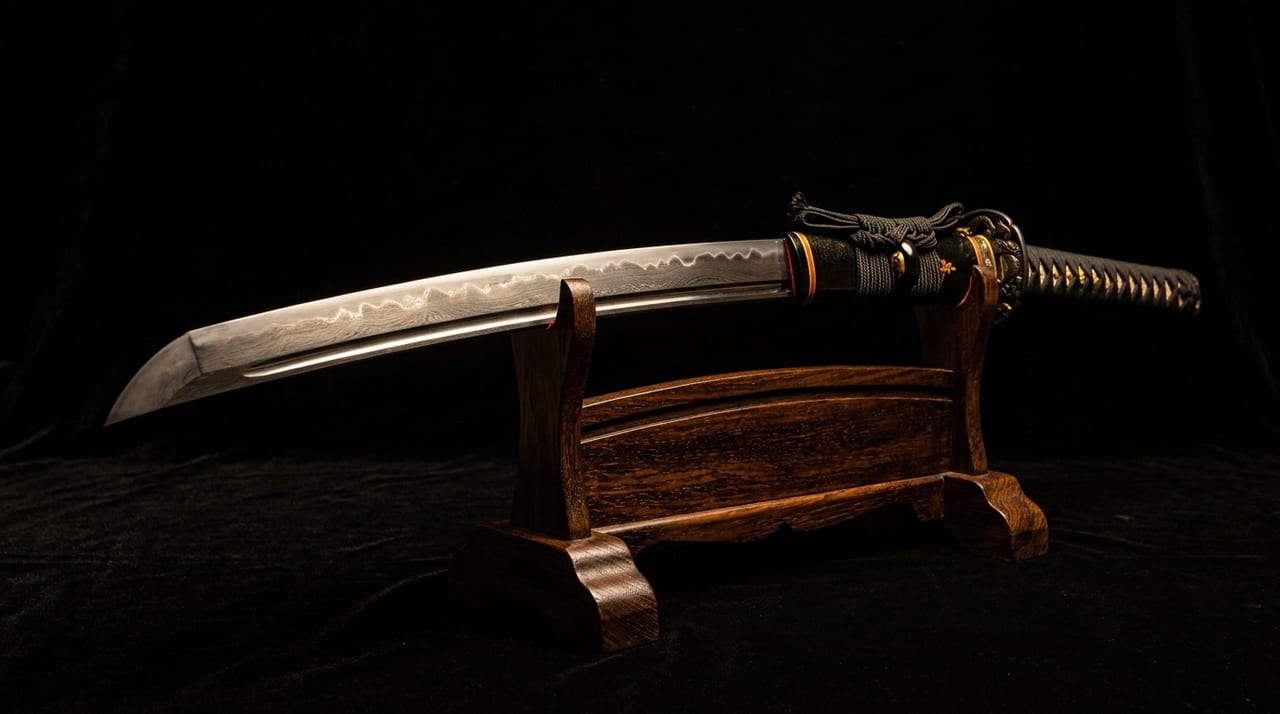
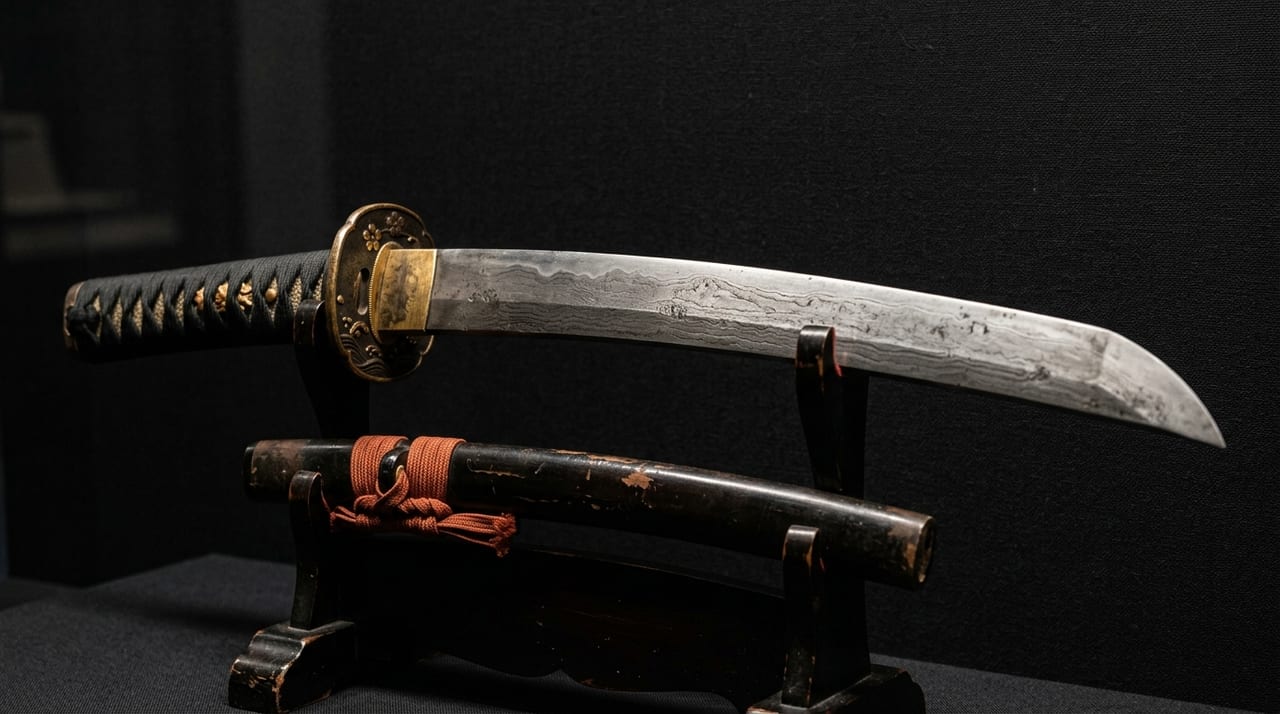
He is known to have further developed the "Soshu tradition" that Masamune established—characterized by blade patterns featuring hitatsura (full coverage), large irregular patterns, and strong nie, along with chikei and kinsuji (golden lines) interwoven throughout the steel body.
While historical records on Sadamune are scarce and much remains in the realm of tradition, the surviving works bearing the "Sadamune" signature demonstrate a high technical standard, and his importance in sword history is beyond doubt.
The Style of Soshu Sadamune—Inheritance and Development from Master Masamune
While the style of Masamune and Sadamune share many commonalities, sword experts point to several distinguishing features.
Commonalities with Masamune:
- Active chikei and kinsuji flow throughout the steel body
- Blade patterns feature strong nie and bold, uninhibited workings such as hitatsura and large irregular patterns
- The overall impression conveys the raw, imposing power characteristic of "Soshu master craftsmen"
Sadamune's Distinctive Qualities:
- Compared to Masamune, the steel body is somewhat more refined with greater elegance
- While the blade pattern work is rich, it possesses a more orderly, composed beauty
- The sword's form (blade shape) typically displays an elegant curve with well-proportioned overall configuration
This "fusion of power and elegance" is considered the greatest appeal of Sadamune's works, evaluated as a "refined Soshu tradition" distinct from Masamune's boldness.
Kiriha Sadamune—A Masterpiece Sword (Uchigatana) Representing the Realm
The "Kiriha Sadamune" (also known as the Cut-Edge Sadamune) is the epithet for a particularly renowned blade among those created by Sadamune. The name derives from the sword's shinogi-ji (ridge line) shape, taking its designation from the characteristic "kiriha-zukuri" (cut-edge make), in which the ridge is set higher than on typical swords.
This blade became a treasured possession of the Tokugawa shogunal family during the Edo period and was counted among the "Three Celebrated Swords Under Heaven." It is currently held by the Tokyo National Museum and is designated as an Important Cultural Property (designated in 1963).
The features of the Kiriha Sadamune are as follows:
- Construction: Cut-edge make (with the ridge set high, creating a distinctive cross-sectional profile)
- Blade length: Approximately 69.5 cm (uchigatana dimensions)
- Blade pattern: Strong nie with gunome (interlocking eye) pattern and irregular work, rich in ashi and yō
- Steel body: Itame-hada mixed with straight-grain pattern, with active chikei and kinsuji
- Bōshi (hamon at the point): Irregular form with distinctive workings
The Five Legendary Swords traditionally refer to "Dōjigiri Yasutsuna, Onimaru Kunitsuna, Mikazuki Munechika, Ōdenta Mitsuyo, and Juzumaru Tsunetsugu," but the Kiriha Sadamune has been revered since ancient times as a "Legendary Sword Under Heaven" worthy of standing alongside these masterpieces. The provenance of Dōjigiri Yasutsuna, considered the oldest of the Five Swords, is summarized in Dōjigiri Yasutsuna.
Extant Works of Sadamune—Important Cultural Properties and National Treasures
Several dozen swords bearing the Sadamune signature are known to survive, and the finest among them have been designated as cultural properties.
Important Cultural Properties (selected examples):
- Katana "Kiriha Sadamune" (Tokyo National Museum, designated 1963)
- Long sword inscribed "Sadamune" (museums and shrines throughout the country)
- Short sword inscribed "Sadamune" (public and private collections)
Many works are also recognized as "unsigned Sadamune," and swords attributed to Sadamune based on stylistic, steel body, and blade pattern characteristics have been handed down throughout the country, with or without an inscription. The NBTHK issues attestation documents such as "Especially Important Sword—Sadamune" and "Important Sword—unsigned (Sadamune)."
Soshu Sword-forging in the Nanboku-Chō Period—Historical Context of Sadamune
The Nanboku-Chō period (1336–1392) in which Sadamune flourished was a major turning point in the history of Japanese swords. Following the Mongol invasions of the 13th century, demands from actual combat intensified, leading to larger sword proportions and shallower curvatures, giving birth to the grand and imposing "Nanboku-Chō period swords."
Soshu (Kamakura) was a political and cultural center of the era, where official smiths to the shogunate congregated. The Masamune–Sadamune lineage represents a technical achievement emblematic of this age, and for swordsmiths throughout the land in later generations, "studying the Soshu tradition" became an essential part of their training. For the activities of Masamune's other senior disciples besides Sadamune, see The Disciples of Soshu Masamune.
The Spread of the Soshu Tradition—Sadamune's Influence on Later Generations
Sadamune's style exerted influence, both direct and indirect, on numerous swordsmiths in later generations.
Nanboku-Chō to Muromachi periods: The Soshu tradition spread throughout the country, with swordsmiths in various regions naming themselves "In-mei Soshu [name]" (signature Soshu makers). Elements of the Soshu tradition flowed into regional centers including Echizen, Yamato, and Bizen.
Edo period new-new swords: When Suishinshi Masahide, Taikei Naotane, Koyama Munetsugu, and others pursued a revival of the Soshu tradition, Sadamune's works were regarded as among the finest exemplars.
Modern swords: Contemporary swordsmiths continue to pursue research and restoration of the Soshu tradition, and Sadamune's techniques remain a reference today as "one of the ideals of the Japanese sword." An overview of the swordsmiths who carried on the Soshu tradition is given in Soshu-den Swordsmiths.
Appreciating Sadamune Works and Authenticating Genuine from Counterfeit
As many false signatures bearing the Sadamune name exist, discerning authenticity from counterfeits requires high-level specialist knowledge. The following are key points to note when appraising:
- Steel texture: The mixture of itame and masame patterns and the workings of chikei
- Quality of nie: Whether the granulation is fine and uniform or coarse
- Blade pattern characteristics: Whether orderly when compared to Masamune's work
- Tang (nakago) shape and signature characters: Whether the tang shape is typical of the Kamakura–Nanboku-Chō period, and the antiquity of the character carving
- Bōshi return: A short, irregular form is characteristic of Soshu master smiths
Because it is such a renowned masterwork, the existence of numerous forgeries bearing the Sadamune signature has been known since ancient times. It is essential that any purchase or collection be accompanied by examination and certification by the NBTHK or similar authority.
Visiting Places Associated with Sadamune
To appreciate the works of Soshu Sadamune in person, the Tokyo National Museum in Tokyo (which houses the Important Cultural Property "Kiriha Sadamune") is the most essential destination. Additionally, visiting the Kamakura (Soshu) region allows one to sense the spirit of the era in which Sadamune lived.
Works by Sadamune and unsigned Sadamune are also occasionally preserved and displayed at sword museums and shrine treasure museums throughout the country, and it is recommended to check exhibition information for special shows. The works of Sadamune, which embody the pinnacle of Japanese sword-making—the Soshu tradition—speak to all who encounter them of the ultimate beauty and artistry of the Japanese sword.