Reflections on Yamamoto Kansuke's Beloved Swords and Sword Collection — The Blades Carried by Takeda Shingen's Military Strategist and a Sengoku Warrior's View of Swords
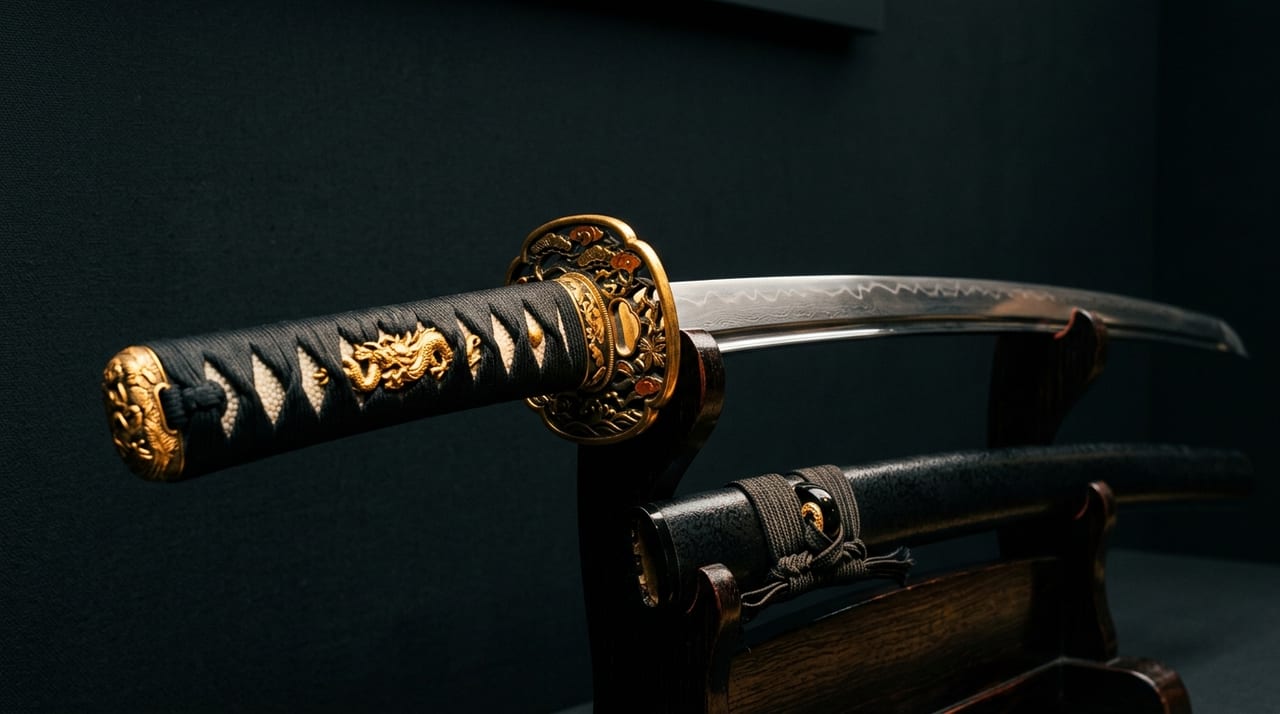 * Image is for illustrative purposes only.
Table of Contents
What Kind of Warrior Was Yamamoto Kansuke?
Yamamoto Kansuke is known as a military strategist and tactician who served Takeda Shingen during the Sengoku period. His birth and death years are disputed, but tradition holds that he died in battle at the Battle of Kawanakajima in Eiroku 4 (1561). Since his appearance in formal historical sources is limited to the Kōyō Gunkan, his historical existence and career have long been subjects of debate. He became widely known through his portrayal in the 2006 NHK taiga drama Fūrin Kazan and remains one of the most popular figures among Sengoku enthusiasts today.
However, when it comes to "Yamamoto Kansuke's beloved swords," explicit documentation in historical sources is scarce. This article draws on the style of swords carried by military strategists and tacticians of the era, the sword culture of the Takeda clan, and the context of the Battle of Kawanakajima to sketch a picture of the swords Kansuke was most likely to have used.
The "Sword-Wearing Style" of Sengoku Warriors — Swords of Strategists and Infantry Commanders
During the Sengoku period, swords carried by warriors served two broadly overlapping purposes: one for actual combat and the other for ceremony and rank.
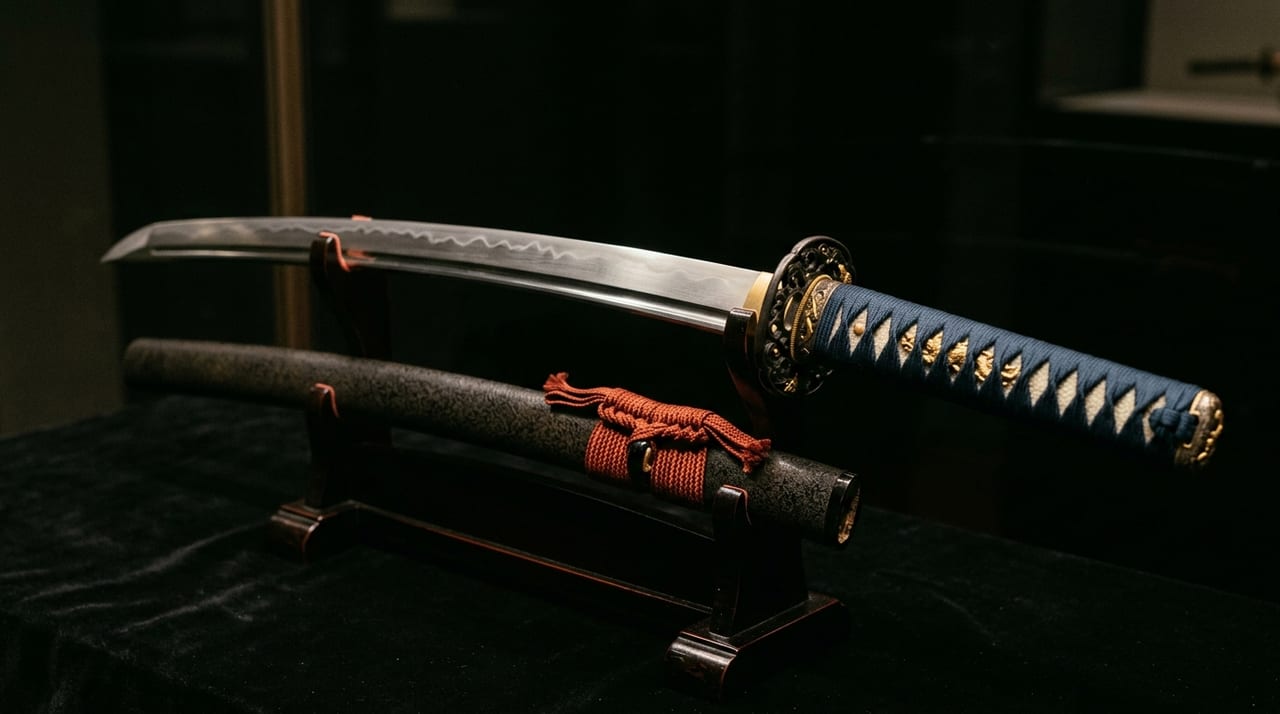
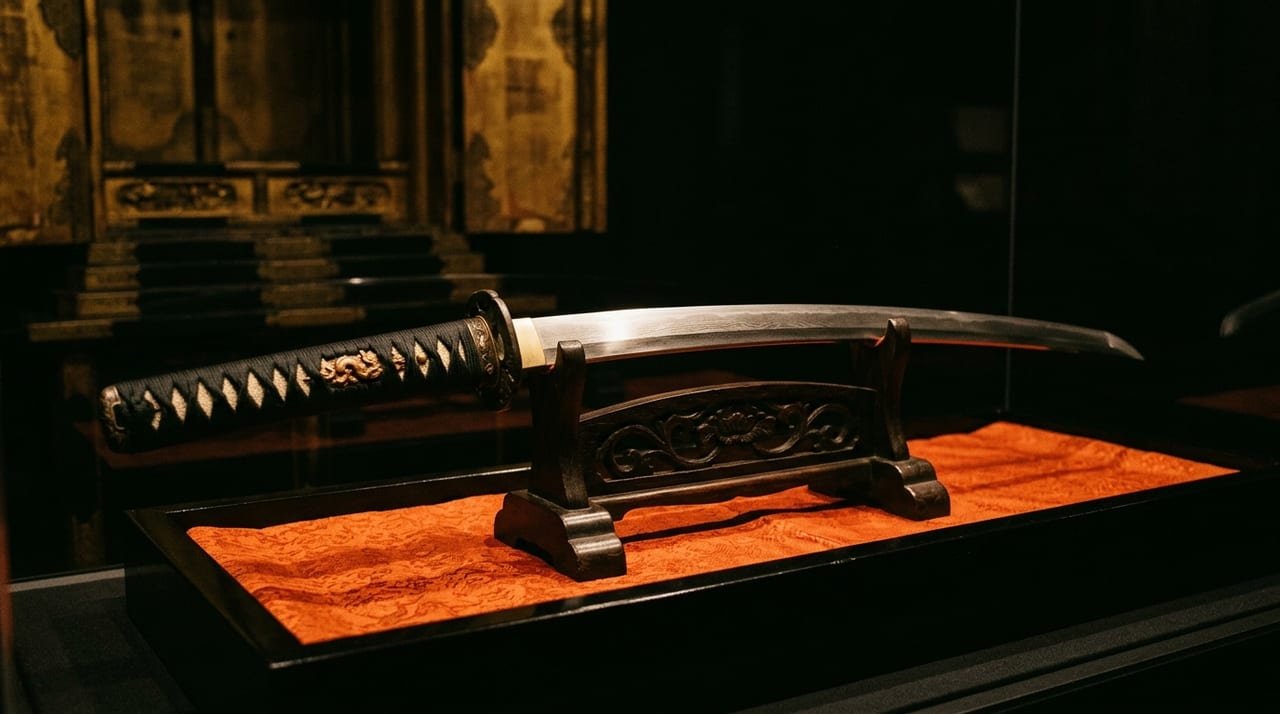
In actual combat, the uchigatana was primarily used. From the mid-Muromachi period onward, the style of mounted warriors wearing a sword thrust through the belt — known as "sashizoe" — became widespread, and the uchigatana, easier to draw than the tachi, became dominant. A nagasa of roughly two shaku two sun to two shaku four sun (approximately 66 to 73 cm) was considered practical, and shapes suited to rapid drawing on the battlefield were preferred.
Yamamoto Kansuke's rank is considered close to that of a "samurai commander" or "ashigaru commander," and the swords carried by men of this station at the time had the following characteristics.
- Nagasa: two shaku two to four sun (a combat-practical length)
- Sori: shallow (uchi-zori or naka-zori) uchigatana style
- Smith tradition: an era when Mino-den and Bizen-den were widely prevalent among Sengoku warriors; Mino blades (Seki-mono), which were easy to obtain, are the leading candidate
- Fittings: practical koshirae with a black-lacquered saya and a kabuto-gane (helmet-hook fitting)
A tachi might also be worn on ceremonial occasions, but given Kansuke's position it is reasonable to conclude that the uchigatana, suited to day-to-day command and movement, was his primary weapon.
The Kōyō Gunkan and the Sword Culture of the Takeda Clan
The Kōyō Gunkan is a source close in character to a primary document transmitting the military history and culture of the Takeda clan, and references to swords appear throughout it. Takeda Shingen held swords in high esteem, and the custom of "sword presentation" — bestowing renowned blades on retainers as rewards for battle — is recorded in its pages.
The tradition of swordsmiths that the Takeda clan held in particular regard was the Kōshū kaji (Kai Province smiths). Swordsmiths based in Shinshū and Kai did not enjoy the nationwide reputation of Bizen or Mino smiths, but they were characterized by practical, robust forging and were prized by local warriors. It is entirely plausible that a warrior of Kansuke's standing possessed a sword by a local Kōshū kaji.
Takeda Shingen himself was a collector of renowned blades, and records remain of swords exchanged as gifts during his interactions with Uesugi Kenshin. The possibility that Kansuke, who served in close attendance on Shingen as his strategist, wore a sword bestowed upon him by his lord cannot be ruled out.
The Battle of Kawanakajima and Kansuke's Final Moments — Swords in the Context of a Death in Battle
The Fourth Battle of Kawanakajima in Eiroku 4 was one of the greatest clashes of the Sengoku period, pitting the Takeda and Uesugi armies against each other. According to the Kōyō Gunkan, Yamamoto Kansuke suffered a grievous wound while attempting to break through the kuruma-gakari formation in this battle and died.
In the context of individual valor on the battlefield, the sword was the weapon of last resort in close combat. Whether Kansuke actually drew his sword in combat is unknown, but commanders of his class often made a final stand with their swords when they fell in battle. It serves as a reminder that the swords of the Sengoku period were not "decoration" but, literally, tools of combat on which lives depended.
The Authenticity of Swords "Associated with Kansuke" That Have Come Down to the Present
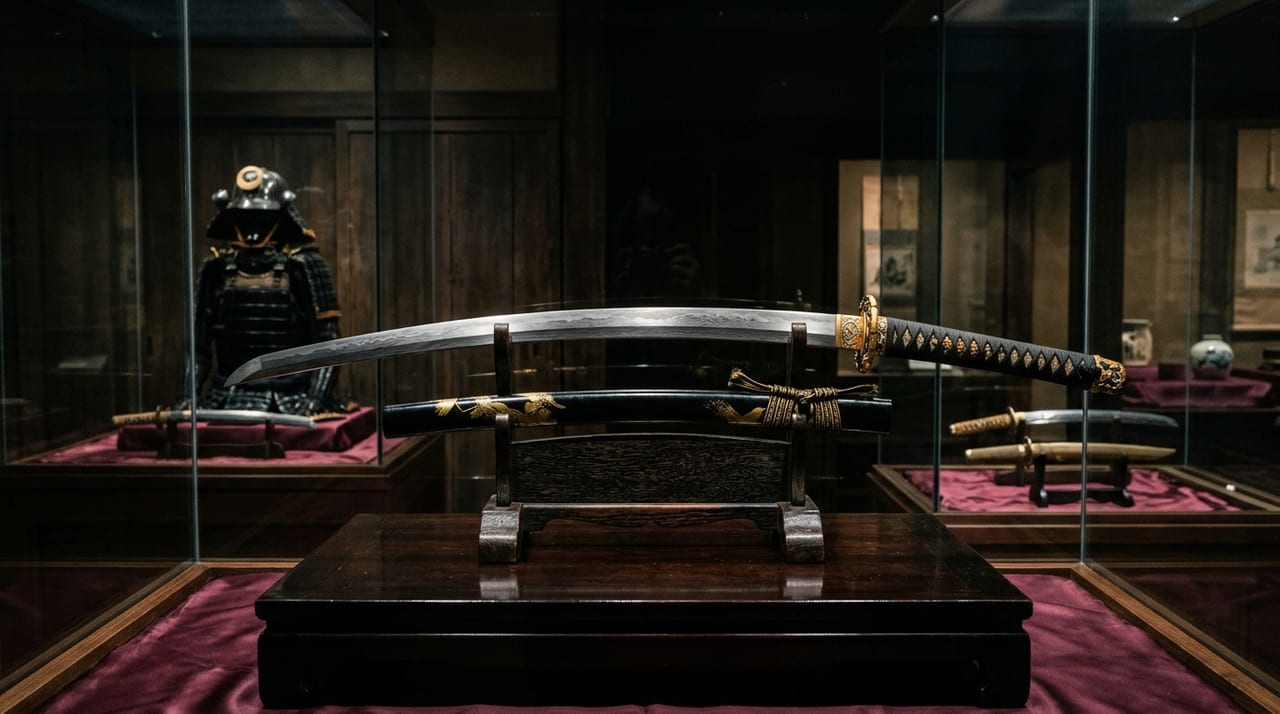
Multiple swords said to have been "used by Yamamoto Kansuke" exist in local archives and regional museums across the country, but most remain "pieces by tradition" for which provenance is difficult to verify. The provenance of Japanese swords tends to be driven by oral tradition, and there is a cultural tendency to associate them with famous warriors.
The following checkpoints are cited when verifying authenticity.
- Presence of a kanteisho: Has the sword been examined by the NBTHK (Society for the Preservation of Japanese Art Swords)?
- Consistency of production date: Do the mei, hamon, and jigane correspond to the period in which Kansuke lived (first half of the 16th century)?
- Provenance documents: Do written succession records from the early modern period onward exist?
- Consistency of sword school: Does the sword belong to a school that actually circulated in the Kai-Shinshū region at the time?
Without meeting these criteria, it is difficult to conclude definitively that a sword is "Kansuke's blade." That said, the preservation of swords "traditionally said to have been used by Yamamoto Kansuke" as regional cultural assets in itself carries significance in passing down interest in Sengoku warriors to future generations.
A Warrior's View of Swords — The Meaning Kansuke Invested in His Blade
Yamamoto Kansuke is said to have been a man who, as a tactician, valued cunning and strategy over brute force. Yet the sword was the spiritual pillar of the samurai, and Kansuke lived the sword culture as a member of the Takeda clan.
For Sengoku warriors, the sword was not a mere weapon but a pledge of loyalty to one's lord and an embodiment of samurai pride. If Kansuke received a sword from Shingen, it would also stand as proof of their lord-retainer bond. When reflecting on Kansuke's life, the sword he wore shines quietly as a symbol linking the pride of a warrior with the moment of his final end.