The Ten Great Disciples of Masamune: Gō Yoshihiro, Sa, Go, Kaneuji, and More
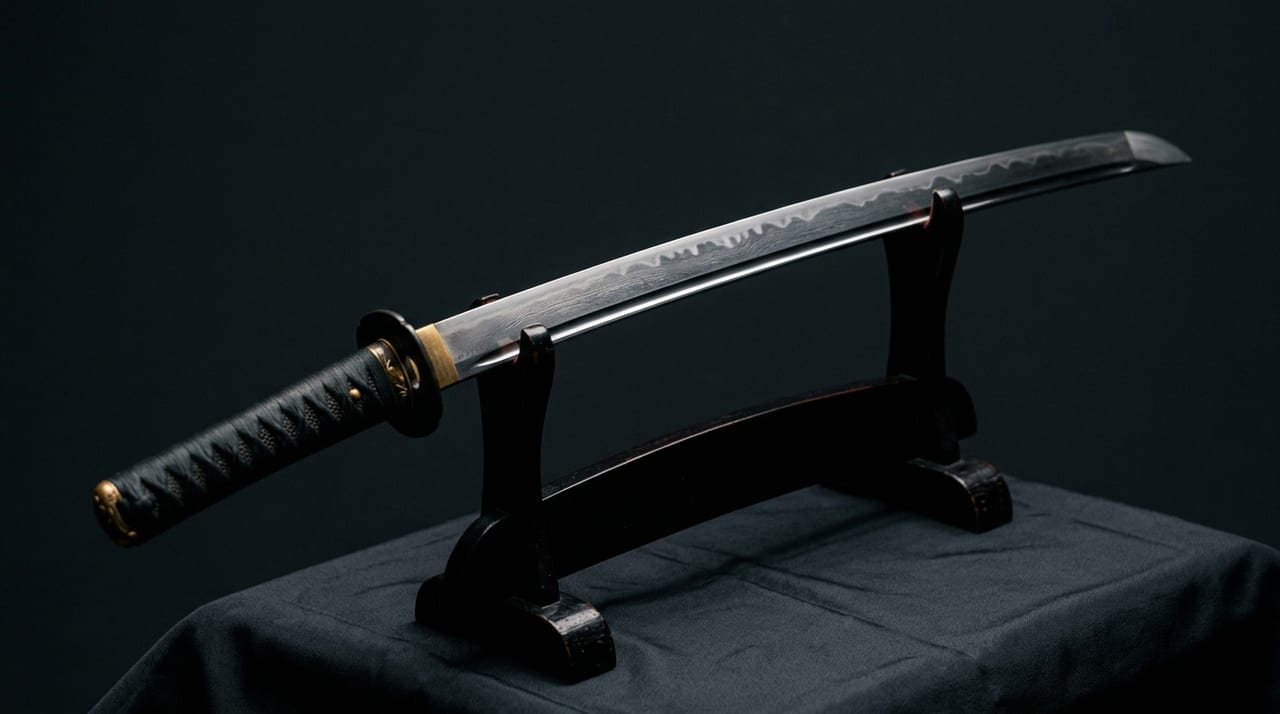 * Image is for illustrative purposes only.
Table of Contents
Masamune and His Disciples—The Greatest Sphere of Influence in Japanese Sword History
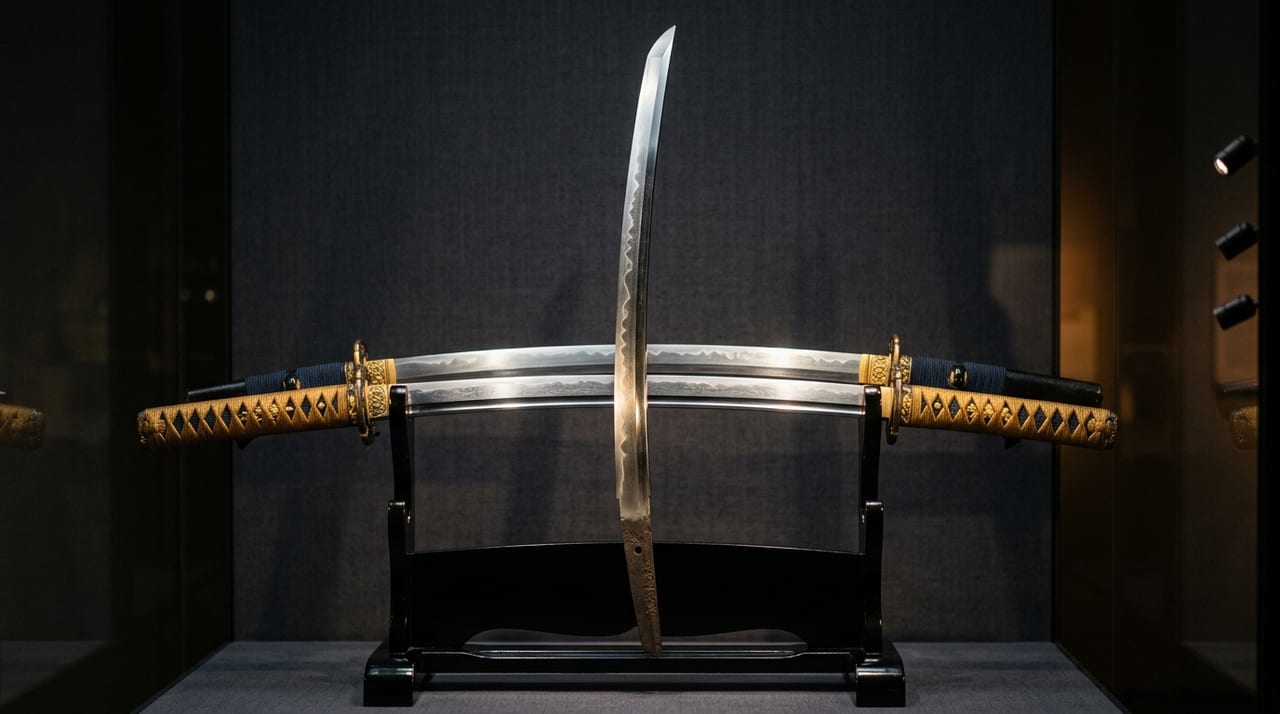
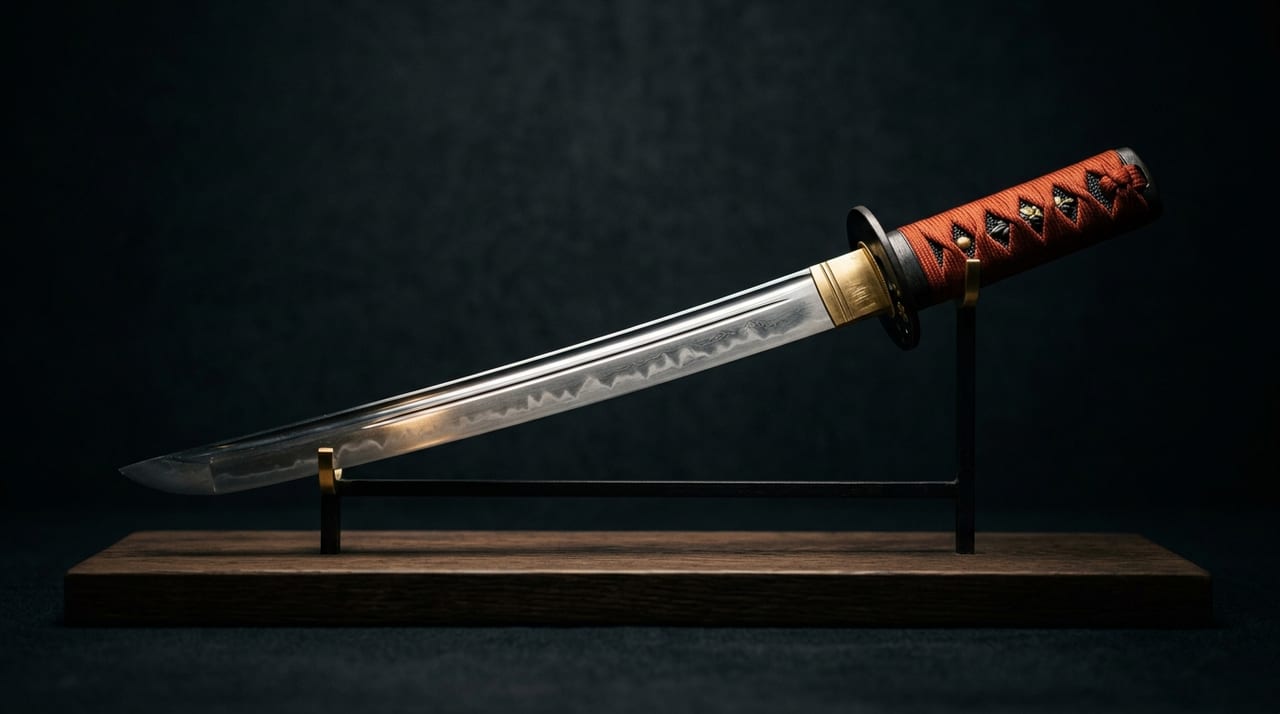
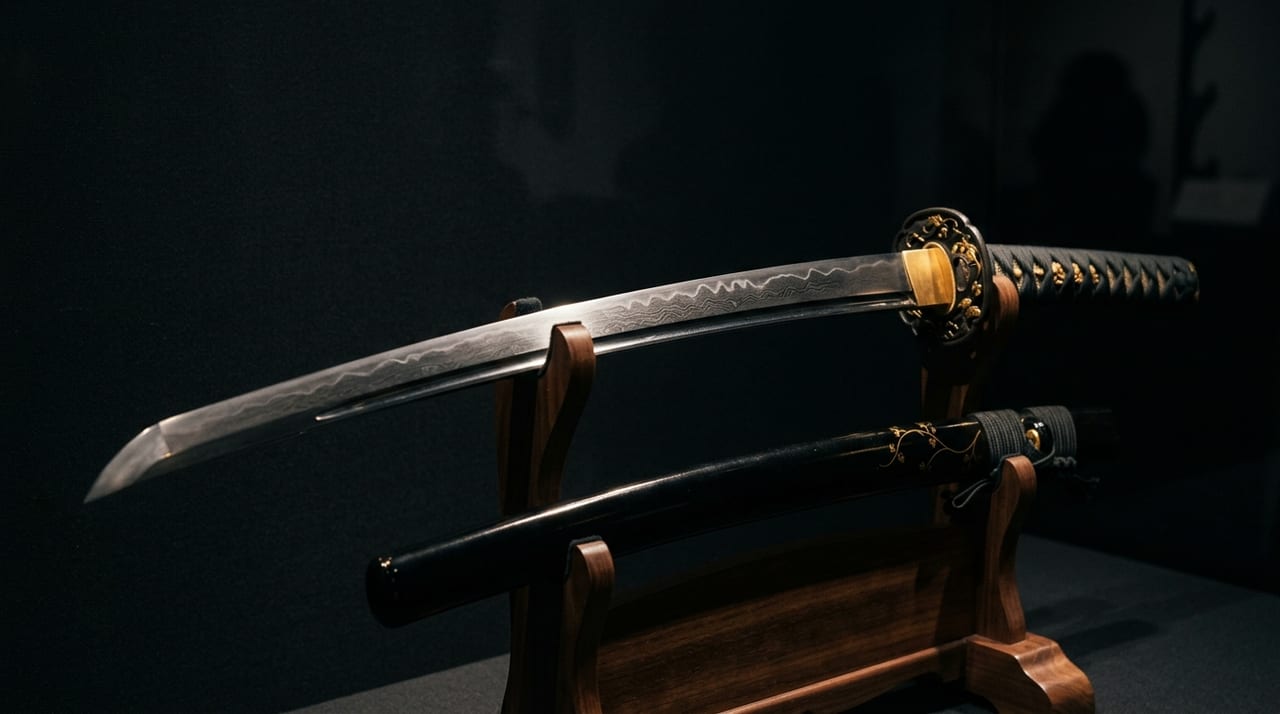
Masamune (dates unknown, late Kamakura to early Nanboku-Chō period), a swordsmith of Sōshū (Kamakura), is evaluated today as the greatest master craftsman in the history of Japanese swordsmithing, a reputation that remains unshakable. The "Sōshū tradition" that he established—characterized by abundant nie, sweeping hamon patterns, and powerful jihada—became the highest standard for Japanese sword manufacturing thereafter, and has long held sway as the pinnacle that subsequent swordsmiths have sought to emulate. Details of Masamune's life and sword-making techniques are compiled in Who Was Masamune—The Greatest Japanese Swordsmith Who Established the Sōshū Tradition and the Ten Disciples.
Masamune's disciples are collectively known as the "Masamune Ten Virtuous Ones." The "Ten Virtuous Ones" does not necessarily refer to exactly ten individuals. Different scholars have different selections, with various theories including Gō Yoshihiro, Samonji, Kaneji, Hasebe Kunishige, Kaneshige, Yukimitsu, Norishige, Niji Kunitoshi, Nobukuni, and Kō Yoshihiro. What they have in common is that they studied under Masamune, mastered the techniques of the Sōshū tradition, and established new centers of sword culture in various regions.
Gō Yoshihiro—The Enigmatic Genius, the Greatest Swordsmith of Etchu
Among the Masamune Ten Virtuous Ones, Gō Yoshihiro (dates unknown, early Nanboku-Chō period), a native of Etchu Province (present-day Toyama Prefecture), is particularly highly regarded. His works are characterized by the exceptionally abundant nie known as "Gō nie," and while he accurately inherited the Sōshū tradition established by Masamune, he also attained his own distinctive realm. Details of Gō Yoshihiro's history and existing works are covered in Gō Yoshihiro—The "Masamune Ten Virtuous" Swordsmith with Extremely Few Extant Works and His Legend.
The authentic works of Gō Yoshihiro that survive today are extremely rare, with some estimates placing them at around ten swords. Nearly all of them are designated as National Treasures or Important Cultural Properties, and it is also known that authentication is extremely difficult. Among the works authenticated by the Honami family during the Edo period as "representative works of Gō," there are even some that have been questioned in later centuries, highlighting Gō's character as an "enigmatic swordsmith."
Among his representative works is the famous sword "Inaba Gō." A celebrated blade that was owned by the Tokugawa shogunate, it is praised for the exquisite harmony between its metalwork and hamon. The famous "Gō" is revered by sword connoisseurs as a supreme example. The rarity of Gō Yoshihiro's works directly correlates with their high valuation, and he enjoys tremendous support among experts as "the next rank below the Five Great Swords of the Realm."
Samonji—The Master Swordsmith Who Planted the Sōshū Tradition in Hakata, Kyushu
Samonji (his real name was either Sa Yasuyoshi or Saemon Tarō), a swordsmith from Chikuzen Province (present-day Hakata, Fukuoka Prefecture), is said to be the person who brought authentic Sōshū tradition techniques to Kyushu for the first time. The active sea trade between Kamakura and Hakata's geographic position are believed to have made his apprenticeship possible, and after returning home he established his own distinctive style, which can also be called the "Chikuzen tradition."
Samonji's works are highly evaluated as masterpieces that possess all three qualities: "abundant nie, brilliant jihada, and majestic beauty of form." The hamon is based on notare patterns while showcasing the large nie and jikei characteristic of the Sōshū tradition throughout the blade.
His representative work is "Yoshimoto Samonji (Sōzō Samonji)." Originally owned by Imagawa Yoshimoto, it was taken by Oda Nobunaga after Yoshimoto's death in battle at the Battle of Okehazama (1560), and subsequently became a historically significant famous sword treasured as "proof of the realm's ruler." Nobunaga is said to have treasured this sword highly, and it is currently enshrined at Sengen Shrine in Shizuoka. The blade is decorated with gold inlay by Nobunaga and Hideyoshi, giving it exceptional value not only as an artwork but also as a first-class historical document.
Kaneji and Hasebe Kunishige—The Bearers of the Sōshū Tradition's Regional Development
Kaneji (dates unknown, Nanboku-Chō period), a swordsmith from Mino Province (present-day Gifu Prefecture), was an important figure who brought the techniques of the Sōshū tradition to Mino and established the foundations of the "Mino tradition." The Mino tradition developed into a major production center supplying large quantities of practical swords during the Muromachi to Sengoku periods, becoming widespread throughout the nation as "Seki swords." Kaneji is positioned as the starting point of "the Mino smithing tradition that balanced practicality with artistry." While few of his works survive, those with abundant nie and powerful hamon are highly regarded by experts. The circumstances of Kaneji's move from Yamato to Mino are detailed in Shizu Saburō Kaneji.
Hasebe Kunishige, one of the Ten Virtuous Ones who was active in Yamashiro Province (Kyoto), is recorded in history particularly as the creator of the famous "Nanimono Oshikiri Hasebe." This sword is famous for the anecdote that Oda Nobunaga used it to cut through a tea attendant and tatami in one stroke, giving it the name "Oshikiri" (pressing cut). It is now a National Treasure housed at the Fukuoka City Museum, and its broad blade with majestic form and abundant nie exemplifies typical Hasebe works.
Norishige, Yukimitsu, and Kaneshige—Other Ten Virtuous Ones Who Competed on Individuality
Norishige, from Etchu Province (present-day Toyama Prefecture), is characterized by unique jihada called "matsukawa-hada" (pine-bark skin). Unlike the typical itame patterns, the rough and complex grain that spreads throughout like pine bark radiates a distinctive beauty not seen in other Ten Virtuous Ones. With abundant nie as well, it is highly appreciated for maintaining the framework of the Sōshū tradition while elevating it into unique expression.
Yukimitsu is also said to have been Masamune's teacher and is valued as a figure demonstrating technological continuity in the Sōshū tradition. Existing Yukimitsu works are close to Masamune's in both hamon and jihada, and are considered valuable examples where the technical succession between master and disciple can be visually confirmed.
Kaneshige, from Tsuruga in Echizen Province, is said to have studied under Masamune, then moved to Mino to become the founder of the Mino tradition. His style, which based itself on the abundant nie of the Sōshū tradition while incorporating the practicality of Mino smithing, had pioneering significance in showing later Mino swordsmiths "possibilities of expression beyond tradition."
The Diversity Created by the Masamune Ten Virtuous Ones—A Legacy in Japanese Sword History
The techniques of the Sōshū tradition that each of the Masamune Ten Virtuous brought to various regions exerted tremendous influence on subsequent Japanese sword manufacturing.
- The nie expression refined by Gō Yoshihiro in Etchu
- The majestic style rooted by Samonji in Kyushu
- The mass production system for practical swords opened by Kaneji in Mino
- The powerful form favored by warriors that Hasebe displayed in Kyoto
Each possessed a different direction, and through mutual influence they nurtured the diversity of Japanese swords. Please also see Sōshū Sadamune and Kiriha Sadamune for the lineage established by Sadamune, who is said to have been either the son or a high disciple of the master Masamune.
From the Muromachi period onward, Japanese sword production centers developed around each tradition opened by the Masamune Ten Virtuous. The Mino tradition became the largest production center during the Sengoku period, while the Etchu and Kyushu traditions achieved independent development while connecting with their respective regional cultures. Considering that the techniques and aesthetic sense of the Sōshū tradition flow beneath all of these, the historical significance of the Masamune school is immeasurable. A biographical compilation of swordsmiths who supported the entire Sōshū tradition is compiled in Biographical Records of Sōshū Tradition Swordsmiths.
Summary—Talents That Inherited the Master's Brilliance and Bloomed in Various Lands
The Ten Virtuous swordsmiths who carried Masamune's light to various regions and caused their own flowers to bloom are the "seed-sowers" in Japanese sword history. The enigmatic sublime beauty of Gō Yoshihiro, the historical famous swords of Samonji, the practical development of Kaneji, the majestic works of Hasebe—the traces each left behind are handed down to this day along with the fame of their master Masamune.
Knowing the names of the Masamune Ten Virtuous in contemporary sword appreciation goes beyond mere historical knowledge. It is also to understand the evolution of the artistic form of Japanese swords themselves—how smithing techniques took root in regions and how they gave birth to diverse forms of beauty. When you take up a sword, or when you stand before the gleam of a blade in a museum, I wish you to envision the magnificent chain of techniques woven by Masamune and his disciples behind it.