The Date Clan and the Sword — Sword Culture of the Sendai Domain
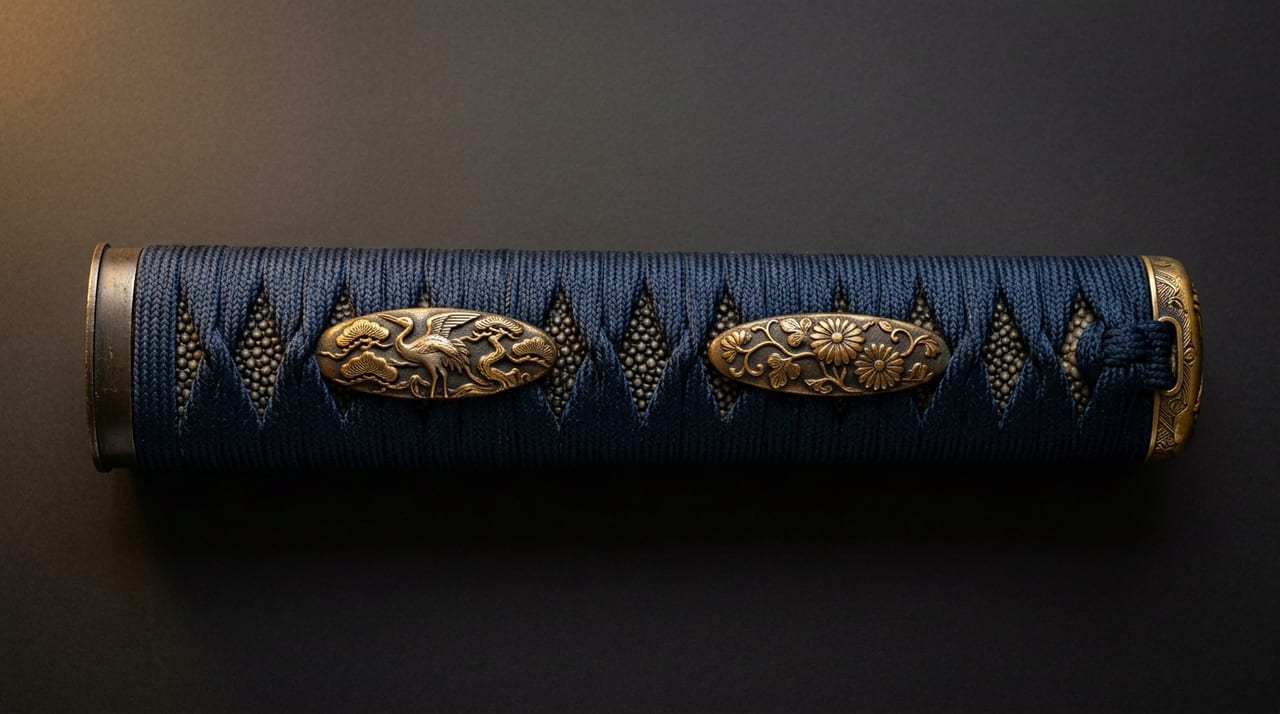 * Image is for illustrative purposes only.
Table of Contents
The Date Clan and Sword Culture — A Deep Bond
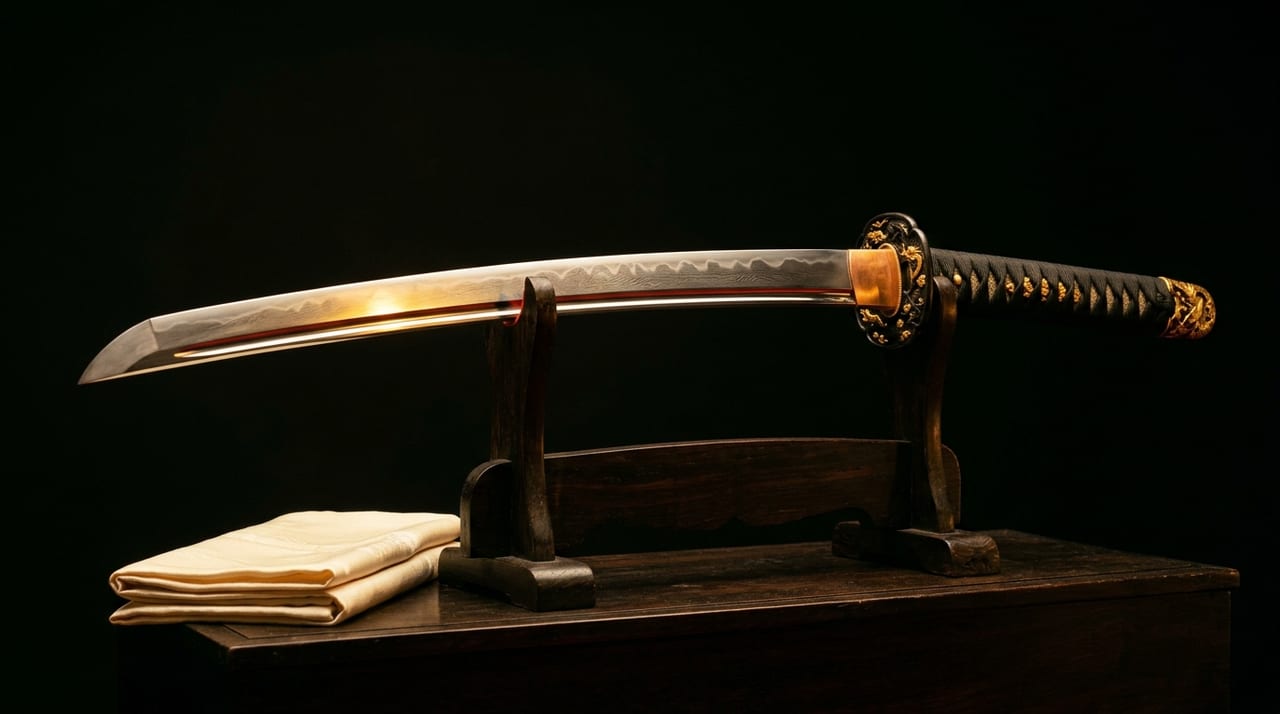
The Date clan, whose name also inspired the name TOUKENZA, was a prestigious daimyo house of the Tōhoku region deeply intertwined with nihontō culture. The Date clan, who held the 620,000-koku Sendai domain, did not merely flaunt military might; they were a family that made sophisticated use of swords as symbols of culture, art, and power. The sword culture of the Date clan, rooted in Sendai from the Sengoku period through the Edo period, unfolded across multiple layers — from the patronage and cultivation of tōkō to the aesthetics of tōsōgu. This article traces the history of nihontō as seen from the land of Sendai: from the Beloved Swords of Date Masamune, to the lineage of smiths retained by the Sendai domain, to the cultural inheritance that carries on into the present day.
Date Masamune's Literary and Martial Accomplishments and His Beloved Swords
Date Masamune (1567–1636), known by the sobriquet "the One-Eyed Dragon," was the greatest daimyo of Tōhoku, living from the Sengoku period through the early Edo period, and at the same time a man of exceptional cultural refinement. Masamune was gifted in many fields — waka poetry, Noh, the tea ceremony, cuisine, and architecture — and it is said that he possessed an extraordinarily keen aesthetic eye for swords as well. The most celebrated among the Beloved Swords of Date Masamune is the Shokudaikiri Mitsutada. This sword is regarded as a masterwork by the renowned Kamakura-period tōkō Mitsutada; it was passed down in the Date clan for many generations before entering the collection of the Tokugawa Museum (Mito City, Ibaraki Prefecture), where it is housed today. This tachi, with its beautiful hamon and overwhelming presence, embodies both the aesthetic sensibility and the authority of Masamune. Masamune did not seek swords merely as weapons for actual combat; he collected and deployed famous blades as a visible apparatus of cultural power. For sword appraisal and appreciation, see also "The Work of a Nihontō Appraiser".
The Lineage of Tōkō Nurtured by the Sendai Domain — The Kunikane School
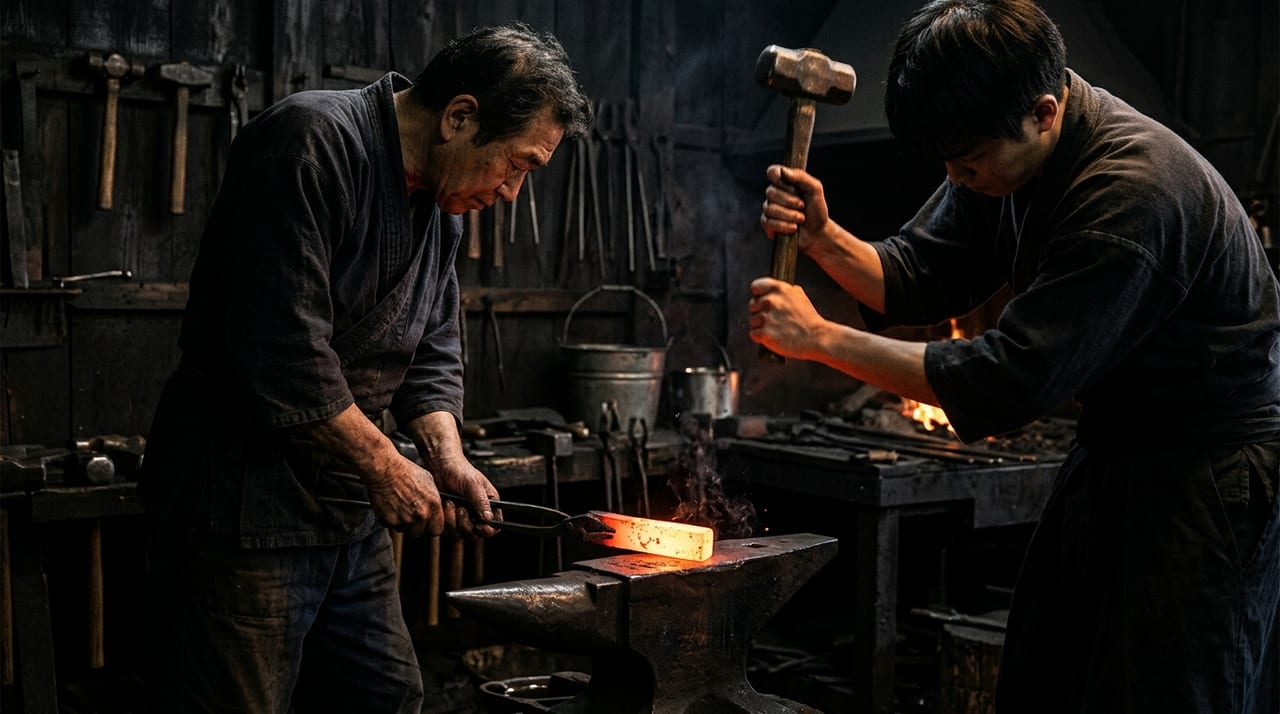
The Sendai domain did not merely love nihontō; it pursued an active policy of cultivating its own sword culture. At the center of this effort were the tōkō of the Kunikane school, engaged as domain-retained kaji. Kunikane was a lineage of tōkō based in Mutsu Province (present-day Miyagi Prefecture) who were active throughout the Edo period, consistently producing high-quality swords under the patronage and supervision of the Sendai domain. Kunikane swords are characterized by beautiful jigane and a consistent hamon, combining reliability as practical weapons with artistic value. Works by the Kunikane school remain highly prized by sword enthusiasts today and carry a regional rarity value as swords made in Tōhoku in particular. The Sendai domain further nurtured a comprehensive culture of craftspeople connected to swords by extending its patronage not only to tōkō but also to metalworkers, togishi, saya craftsmen, and other specialists. For the techniques of metalworkers, see also "The Work of a Metalworker".
The Aesthetic Sensibility Residing in Date Koshirae
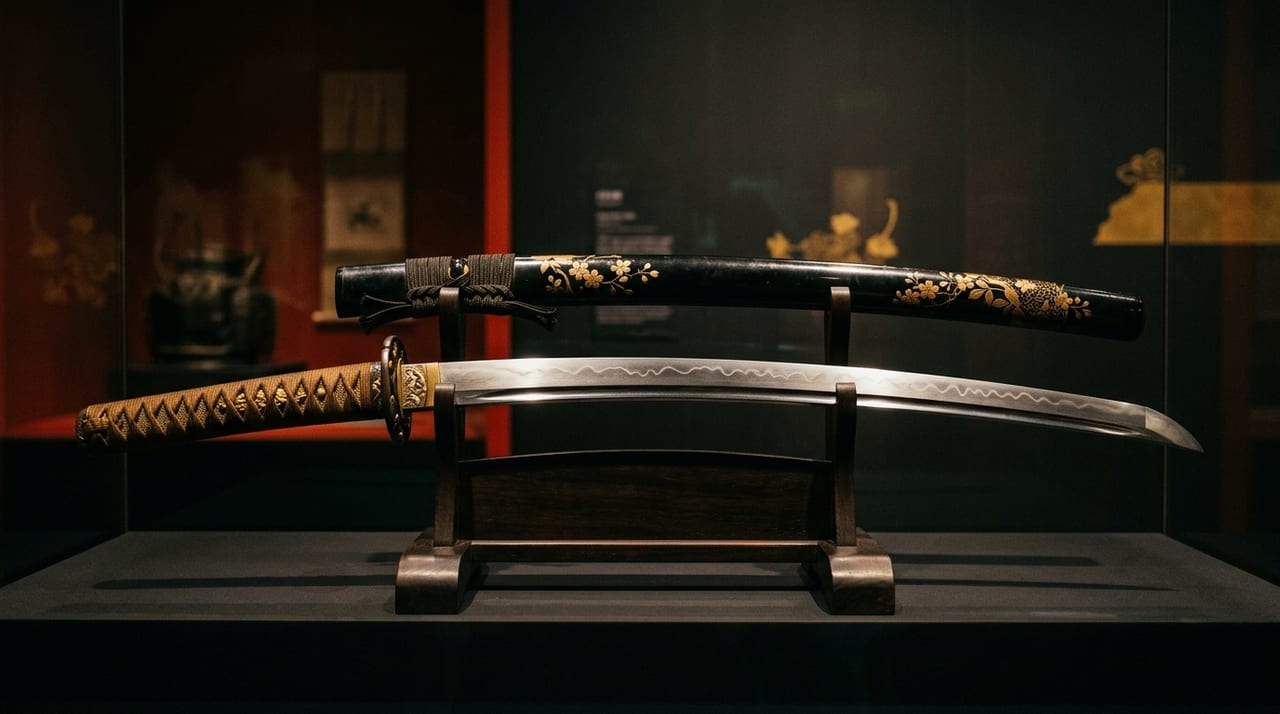
What the Date clan pursued with particular obsession was the koshirae — that is, the design of the sword's outer furnishings (tsuba, tsuka, saya, and all metal fittings). Date koshirae are distinguished by their refined finish: a ground of lacquer black with intricate gold makie applied over it, a style that later generations came to call "Date koshirae" as a genre unto itself. Motifs such as the clan crest of bamboo and sparrows or the three-bar mon, as well as seasonal flowering plants and auspicious patterns, form a unified design together with the tsuba, menuki, fuchi-kashira, and tsuka wrapping, integrating the formality of a warrior house with an artistic sensibility. This aesthetic philosophy demonstrates the Date clan's view of the sword as a wholly realized work of art. The Date koshirae preserved at the Sendai City Museum are precious cultural artifacts that convey to the present day the high level of craftsmanship achieved at that time. For a comparison of koshirae styles, the article "A Comparison of Higo Koshirae and Edo Koshirae" also offers an interesting contrast.
Inheritance into the Present — Museum Exhibitions and a New Generation of Fans
The Sendai City Museum holds a large collection of swords and tōsōgu passed down from the Date clan, which are made available to residents and tourists through regular special exhibitions. Even as of 2026, the influence of the game Touken Ranbu continues to draw many young visitors — particularly female sword enthusiasts (known as tōken joshi) — reflecting a spread of interest well beyond the traditional enthusiast demographic. Interest in swords that appear in the game, such as Shokudaikiri Mitsutada, has led to an increase in visitors to museum exhibitions in Sendai, contributing to the vitalization of museum operations. For a detailed look at the operational realities of sword museums, see also "The Management and Operational Challenges of Nihontō Museums".
From Sendai to the World — The Mission of TOUKENZA
We at TOUKENZA, based in Sendai — the birthplace of the rich sword culture nurtured by Date Masamune and the Sendai domain — consider it our mission to continue conveying the value of authentic nihontō to the world. The deep aesthetic eye for swords that Masamune exemplified, the craft accumulated by the domain-retained kaji of the Sendai domain, and the expression of aesthetic sensibility and authority embodied in Date koshirae — paying our respects to these legacies, we aspire to offer collectors and sword enthusiasts both within Japan and abroad a genuine encounter with nihontō.
Experiencing Sendai's Sword Culture — Places Worth Visiting
For sword enthusiasts visiting Sendai, there are several places where the sword culture of the Date clan can be experienced directly.
- Sendai City Museum: The museum holds a large collection of swords, armor, and tōsōgu associated with the Date clan, and sword enthusiasts travel from across Japan for each special exhibition.
- Sendai Castle Ruins (Aoba Castle Site): From this castle-site park watched over by an equestrian statue of Date Masamune, visitors can look out over the city of Sendai and gain a sense of the scale of the castle town he governed.
- Zuihōden: The family temple of the Date clan, where visitors can come into contact with the character of Masamune as a person.
By visiting these places, one can understand, more richly than through sword appreciation alone, the historical context in which the Date clan and sword culture became so deeply intertwined. Sendai is a living site of sword culture, and from this place TOUKENZA carries the appeal of nihontō to the world.