A Comparison of Higo Koshirae and Edo Koshirae: The Contrasting Aesthetics of Sword Mountings Born from Daimyo Culture
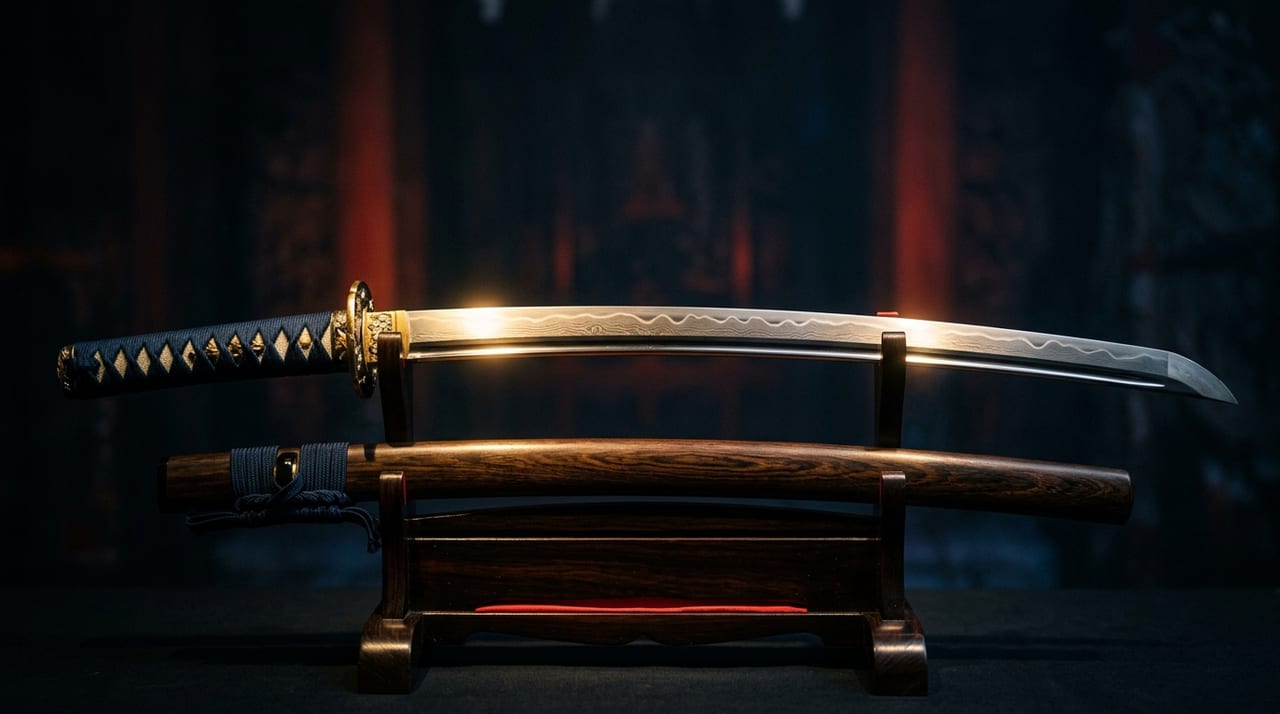 * Image is for illustrative purposes only.
Table of Contents
What Is Koshirae (Sword Mounting)?
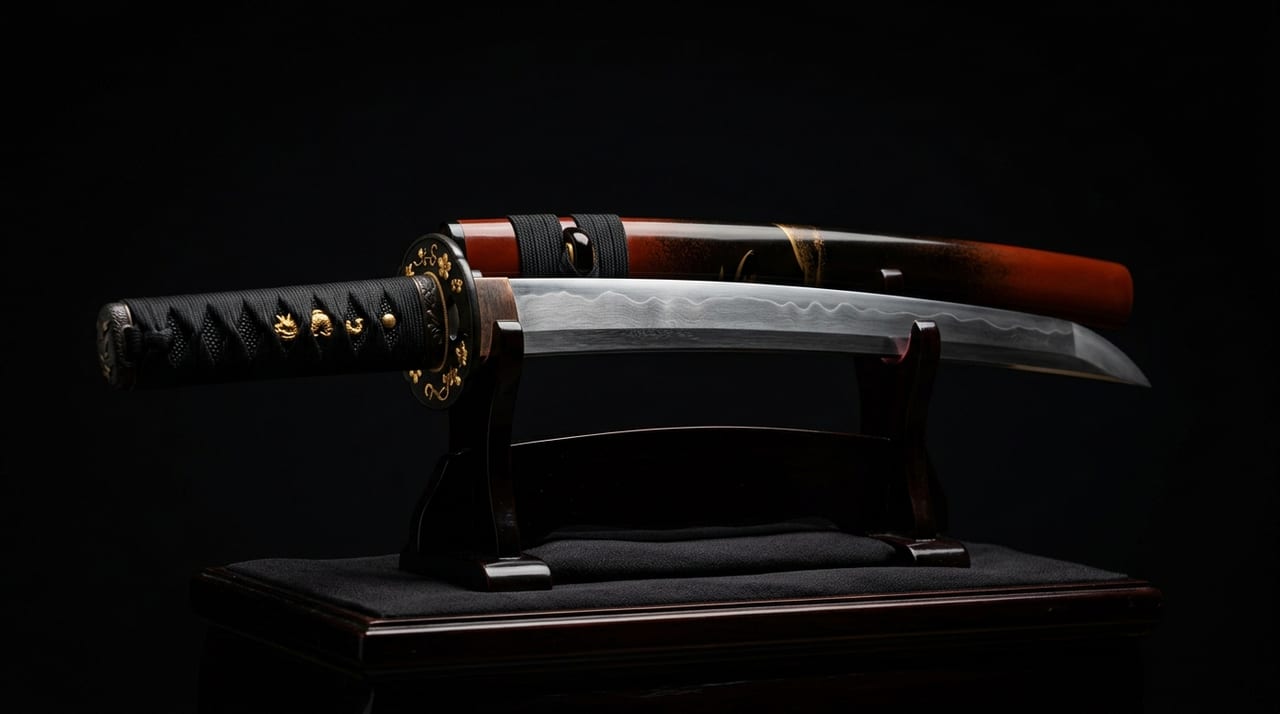
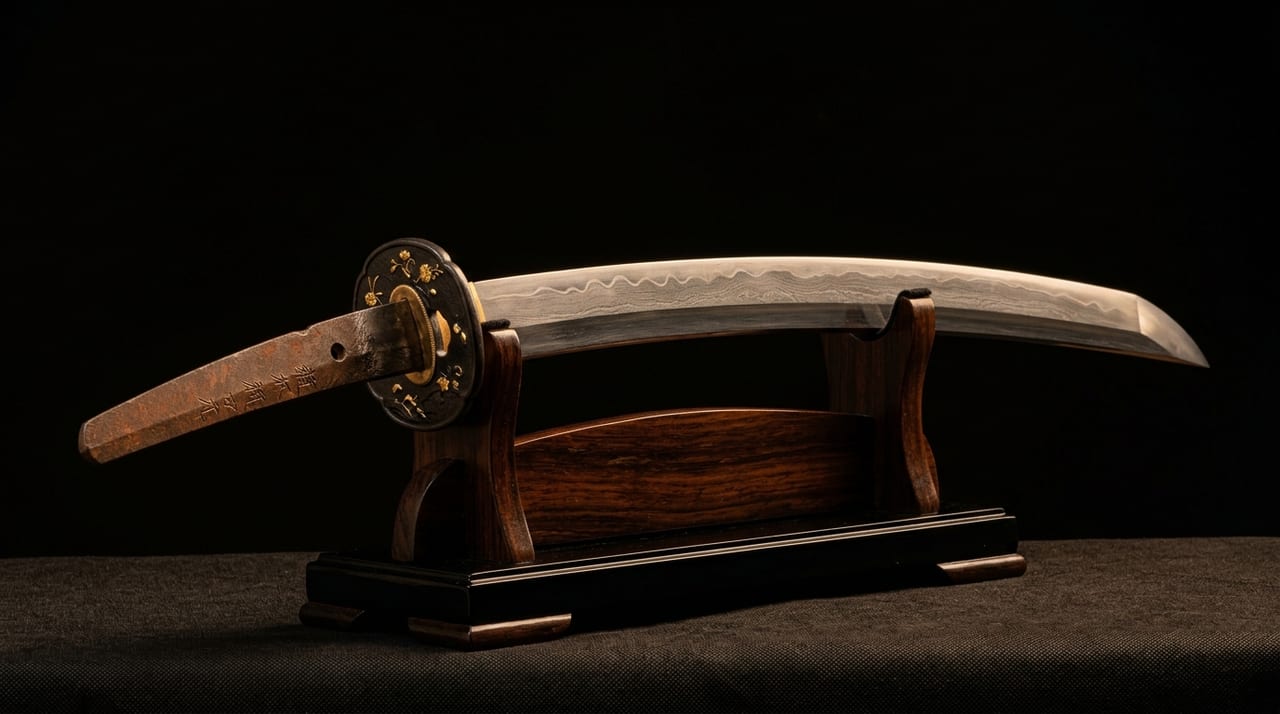
The "koshirae" of a Japanese sword refers to the complete set of exterior fittings used to carry and use the blade in practice. Composed of numerous components including the tsuba (hand guard), tsuka (hilt), menuki, fuchi-kashira, saya (scabbard), koiguchi, kurikata, and kaeri-zuno, koshirae can in some cases hold artistic value equal to or surpassing that of the blade itself.
During the Edo period, regional koshirae styles took shape under the influence of each domain's daimyo culture, samurai tastes, and hansho (the domain's affiliated craftsmen guilds). Of these, Higo koshirae and Edo koshirae stand as the two preeminent styles, commanding high interest among modern Japanese sword enthusiasts and collectors.
Each component of koshirae has its own functional role. The tsuba protects the hand gripping the tsuka from the blade while also adjusting the weight balance of the sword. The tsuka securely holds the blade and absorbs impact during use, while the saya protects the edge and enables the sword to be carried. Menuki and fuchi-kashira originally developed for practical purposes — preventing slippage when gripping the tsuka and reinforcing its strength — and later gained decorative character, evolving into works of craft. When appreciating the beauty of koshirae, awareness of the process by which this utilitarian structure was sublimated into ornamentation enriches the perspective of the viewer.
Higo Koshirae: The Beauty of Austerity Cultivated by the Kumamoto Domain
Higo koshirae is a style of sword mounting born from the daimyo culture of the Kumamoto domain (Higo Province, present-day Kumamoto Prefecture). In particular, Hosokawa Tadaoki (Sansai) established the style of Higo koshirae, and a high-caliber community of craftsmen was cultivated within the domain.
The aesthetic character of Higo koshirae can be summed up in the phrase "austere and sturdy." Eschewing unnecessary ornamentation and using iron as the primary material, the style consistently pursued a restrained design — black-rust-finished tsuba (Higo tsuba), menuki with line engravings on an iron ground, lacquered saya, and so on. Representative Higo craftsmen include Hayashi Matashichi, Nishigaki, and Shimizu.
The defining features of Higo tsuba are a plain finish that preserves the black skin of the iron and patterning executed in intaglio (sunk carving). Plant motifs such as bamboo, plum, and chrysanthemum were favored, and the uncompromising forms that employ no gold coloring whatsoever embody the aesthetic sensibility of the warrior.
Edo Koshirae: The Beauty of Splendor Cultivated in the Shogunal Capital
Edo koshirae is a style of sword mounting that developed centered on Edo (present-day Tokyo), born out of the concentration of advanced metalworking techniques assembled to meet the demands of the shogunal house, hatamoto, and daimyo.
The aesthetic character of Edo koshirae lies in its "splendor and refinement." Shakudō (a copper-gold alloy), suaka (unalloyed copper), gold, and silver are used extensively for metalwork, and the tsuba, menuki, and fuchi-kashira are decorated using a rich variety of techniques including taka-bori (high relief), niku-bori (relief carving), and hira-bori (flat carving). The Gotō family (a lineage founded by Gotō Yūjō) served the shogunate as official craftsmen, and the Gotō family style came to be regarded as the highest standard, known as "Hon-Gotō."
The saya of Edo koshirae features a rich palette of lacquer colors — vermilion, tame (amber), black, and others — and a variety of surface treatments including polishing, nashiji (pear-skin lacquer), and makie (sprinkled lacquer decoration). Rather than functioning as weapons, these mountings served strongly as tribute offerings to the shogunal house and as diplomatic gifts between daimyo, achieving an extremely high level of completion as works of art and craft.
Structural Differences
| Element | Higo Koshirae | Edo Koshirae |
|---|---|---|
| Tsuba material | Iron (black-rust finish) | Shakudō, suaka, iron (various) |
| Tsuba technique | Intaglio (sunk carving), sukashi (openwork) | Taka-bori, niku-bori, hira-bori |
| Menuki material | Iron, copper (simple) | Shakudō, gold, silver (refined) |
| Saya | Plain black lacquer, ishimeji (stone-texture ground) | Vermilion/black/tame lacquer, makie present |
| Tsuka | Black-lacquered, ray skin (white) | White ray skin, various wrapped cords |
| Overall impression | Subdued, austere, robust | Splendid, refined, luxurious |
Points to Check When Choosing Koshirae
Whether to choose Higo koshirae or Edo koshirae depends not only on one's aesthetic preferences but also on what one prioritizes when acquiring a piece. For those whose primary purpose is appreciation and preservation, the refined metalwork and lacquerwork of Edo koshirae offers an attractive choice, while those who prioritize a simple and sturdy construction will find the austere bearing of Higo koshirae more suited to their needs.
It is also worth noting that koshirae are often fitted from a different period or workshop than the blade itself. When considering a purchase, it is advisable to understand that the style of the koshirae and the period and character of the blade do not necessarily align, and to view the value of the koshirae and the value of the blade as separate matters. The makers and styles of individual components such as tsuba, menuki, and fuchi-kashira may also differ, and confirming the combination of parts is valuable both for appreciation and for purchasing.
Representative Craftsmen and Mei
In addition to Hayashi Matashichi mentioned above, well-known representatives among Higo craftsmen include Tanetsugu, Hirata Hikozō, and Iwama Shinsuke. These craftsmen produced works for the daimyo's official use on domain orders, while also manufacturing popular items for samurai and townspeople.
Among Edo craftsmen, in addition to the Gotō family (successive generations including Gotō Yūjō, Gotō Sōjō, Gotō Jōshin, and others), the Yanagawa school, the Nara school, and Yokoya Sōmin are notable. Yokoya Sōmin established a groundbreaking technique of applying gold-color painting on a shakudō ground, bringing innovation to metalwork in the mid-Edo period.
Basics of Storage and Maintenance
Because koshirae is composed of materials with differing properties — metal, lacquer, ray skin, braided cord, and others — care must be taken with the storage environment. Iron tsuba and metal fittings are susceptible to rust from moisture, and high-temperature, high-humidity environments should be avoided. At the same time, lacquered saya are also vulnerable to extreme dryness, which can cause cracking; storage in a relatively stable environment, away from direct sunlight and sudden temperature changes, is therefore recommended.
The braided cord and ray skin wrapped around the tsuka can loosen or fray with age and handling. It is advisable to periodically check their condition, and when any irregularity is noticed, not to attempt disassembly or repair on one's own, but to consult a specialist sword dealer, togishi (polisher), or tsuka-maki-shi (hilt wrapper).
The Relationship Between Koshirae and Kanteisho
Appraisal of the authenticity and age of koshirae is a field requiring expertise distinct from that applied to blades. The kanteisho (appraisal certificates) issued by NBTHK (Society for the Preservation of Japanese Art Swords) are primarily issued for blades (the sword itself), and it is generally the case that the maker and style of the metal fittings on the koshirae, and the design of the saya, are individually assessed by specialists in their respective fields. In some cases koshirae are accompanied by kakitsuke (written documentation) attesting to their provenance and history, but as not all koshirae come with kanteisho, this is a point to verify before purchase.
Modern Valuation and the Collector's Perspective
In the modern Japanese sword market, Higo koshirae enjoys enduring popularity among collectors who prefer a subdued aesthetic. Despite being made from iron, Higo tsuba are of high formal elegance, and fine examples changing hands for over one million yen are not uncommon.
Edo koshirae commands high value as works of art and craft, with top-class pieces from the Gotō family reaching market prices in the multi-million yen range. However, because many forgeries known as "Gotō-utsushi" (Gotō copies) bearing the Gotō name also circulate, a well-trained eye for appraisal is especially important.
Collecting both styles as a comparative collection allows one to experience firsthand the diversity of samurai aesthetic sensibility during the Edo period. The contrasting aesthetic tension felt when placing Higo and Edo koshirae side by side communicates most vividly the depth of Japanese sword mounting culture.