Neuheiten — Aktuelle Neuzugänge finden Sie in unserem Katalog. Ansehen →
Einblicke in das Wissen über japanische Schwerter und die Kultur
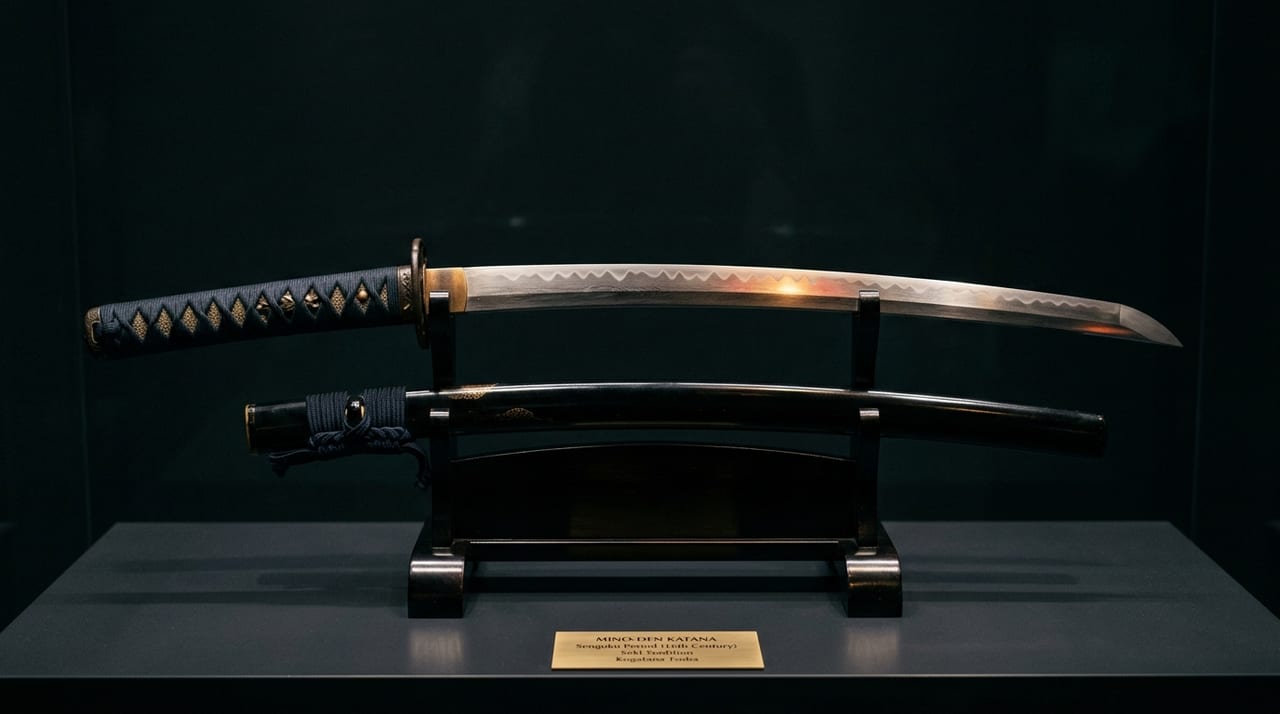
The Mino school, centered on Seki in Mino Province (present-day Gifu Prefecture), was the production center for practical swords that boasted the largest output throughout the country during the Sengoku period. This article explains the techniques and history of the swordsmith collective, including Kanemoto, Kanesada, and Kanemitsu, which formed one of the five legendary schools of Japanese sword-making.
Systematic coverage of double-edged (moroha-zukuri) Japanese swords: from ancient ken through Edo-period ryoha-wakizashi and their lineage, the role of religious context (Shinto and Buddhism), and how double-edged swords are evaluated in contemporary NBTHK shinsa.
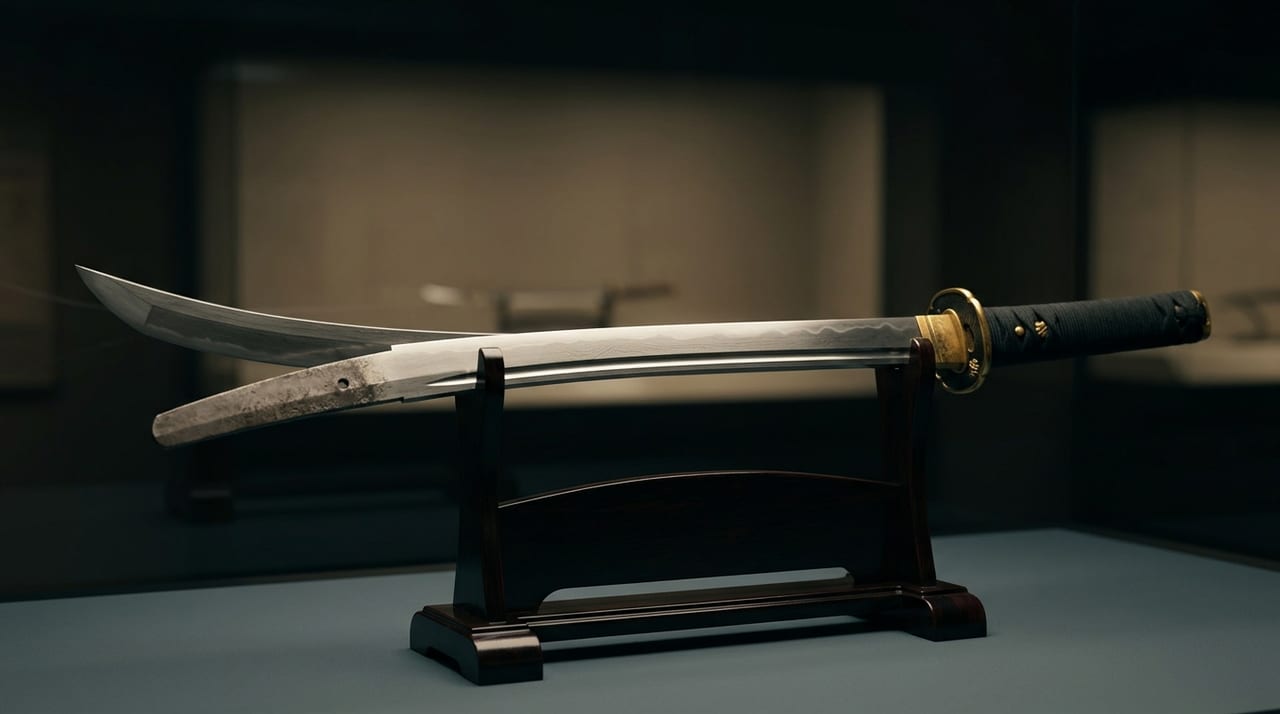
The morphological differences and classification criteria for the large-scale bladed weapons that diversified in the Nanbokucho through Muromachi periods: nagamaki, onaginata, and odachi. Blade-to-handle ratios, wearing and combat methods, characteristics of surviving notable examples, and ongoing classification debates in modern sword scholarship.
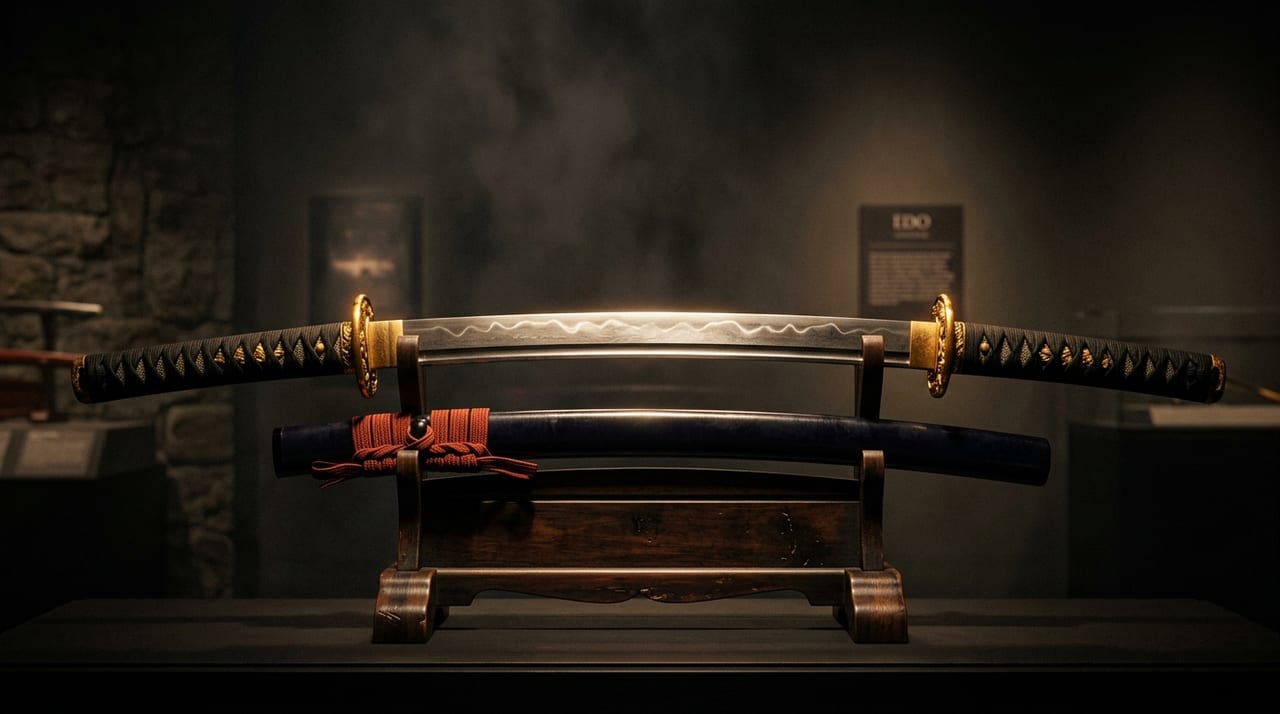
Nagasone Kotetsu, active in early Edo Japan, began as an armor maker before becoming one of the most celebrated swordsmiths of the Edo Shintō period. His blades, favored by Shinsengumi commander Kondō Isami, are known for their powerful sōshū-den inspired hamon and dense jitetsu.
Based on winning bids from Bonhams (UK), Christie's (US/Paris), and Osaka Art Club, this article explains specific price ranges, evaluation criteria, and differences between domestic and international Japanese sword markets. Through real data analysis, we examine how appraisal certificate rank, sword maker reputation, condition, and provenance affect final bid prices.
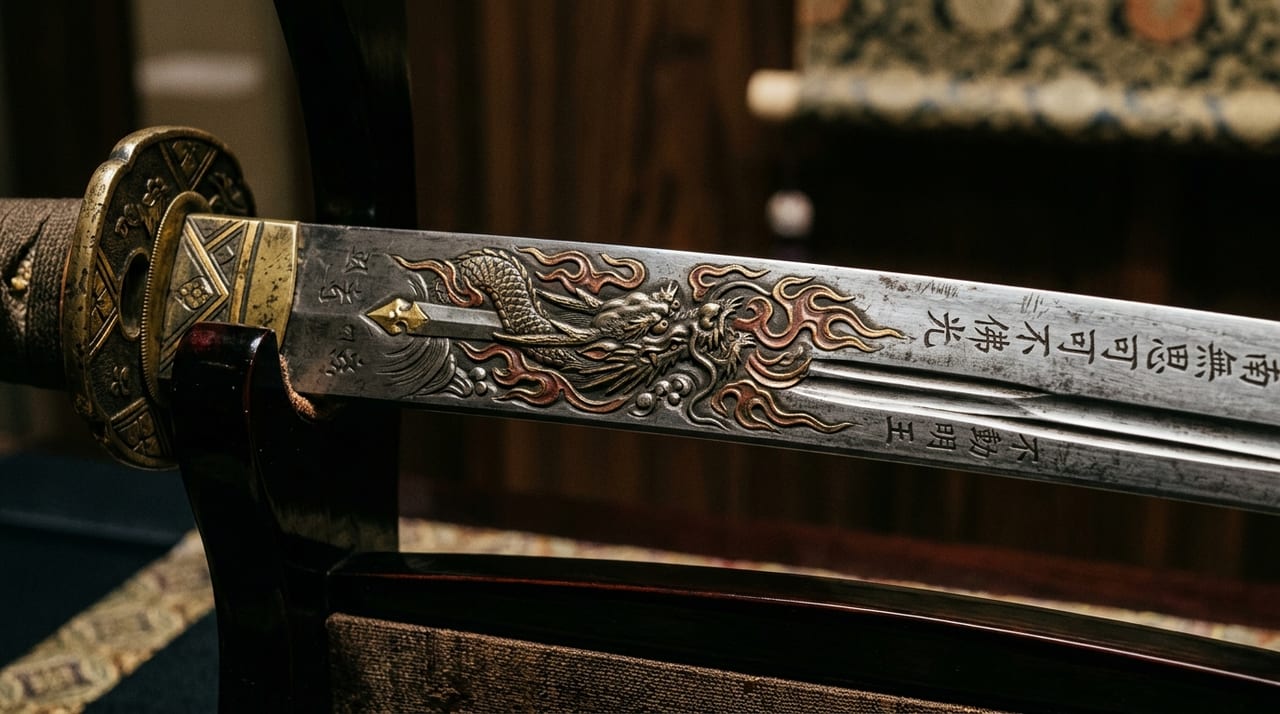
Engravings carved on Japanese sword blades, known as "horimono" (彫物), are not mere decorations but cultural expressions embedding talismanic significance, mystical meanings, and the faith of swordsmiths. This article details the major types of engravings—kurikara dragons, Buddhist letters, grooves (hi), sword-wrapped dragons, and Fudō Myō-ō statues—their carving techniques (hair-line engraving, flat chiseling, and relief carving), key points in authentication, and their evolution across different historical periods.
An expert breakdown of Shinogi-Zukuri and other blade geometries, explaining the functional meaning of each cross-section type and naming every part from edge to spine.
Explaining the world of Intangible Cultural Properties and modern sword smiths. From holders of Important Intangible Cultural Properties to young artisans, this article details the technical succession of sword smithing in modern Japan and the value and evaluation criteria of modern swords.
Country-by-country guide to importing Japanese swords in 2026: customs procedures, legal classifications, documentation requirements, and restrictions in the EU, United States, China, and Australia.
What to do when you inherit a Japanese sword: verifying registration certificates, notification requirements under the Firearms and Swords Control Law, inheritance tax valuation of nihonto, and mandatory police reporting for unregistered blades.
An investment analysis of Japanese swords: comparing return profiles, liquidity, and risk across modern blades, antique koto, Important Cultural Properties, and top-tier juyo pieces. Covers recent market trends and portfolio positioning.
The "ku (machi)" of a Japanese sword is the step between the blade and tang (nakago), whose shape, depth, and position reveal the manufacturing era, polishing history, and usage. "Machi-okuri" is the phenomenon where polishing causes the ku to recede toward the tang, serving as a key indicator of past polishing. This article explains the shape classification of blade-ku and ridge-ku, era-specific characteristics, measurement methods of machi-okuri, and its appraisal significance.