最新消息 — 最新入荷資訊請查閱商品目錄。 查看 →
深入了解日本刀知識與文化的見解
A detailed examination of the distinctive handle structure, craftsmanship, historical background, and influence on later sword styles of the kenukigata tachi, which appeared in the early Heian period.
Kinko (sword metalwork craftsmen) create the decorative fittings of Japanese swords — tsuba, menuki, fuchi-kashira, and more. This article covers core techniques such as takanikubori (high relief), kebori (line engraving), and nunome-zogan (inlay), as well as major schools like Goto, Yokoya, Nara, and Yanagawa, and the current state of living kinko artisans.
The 'Five Traditions' (Gokaden) of Japanese swords — Bizen, Soshu, Yamato, Mino, and Yamashiro — were systematized during the Muromachi period. This article explains their distinct techniques, representative smiths, and historical context, and explores their ongoing influence on modern nihonto appraisal.
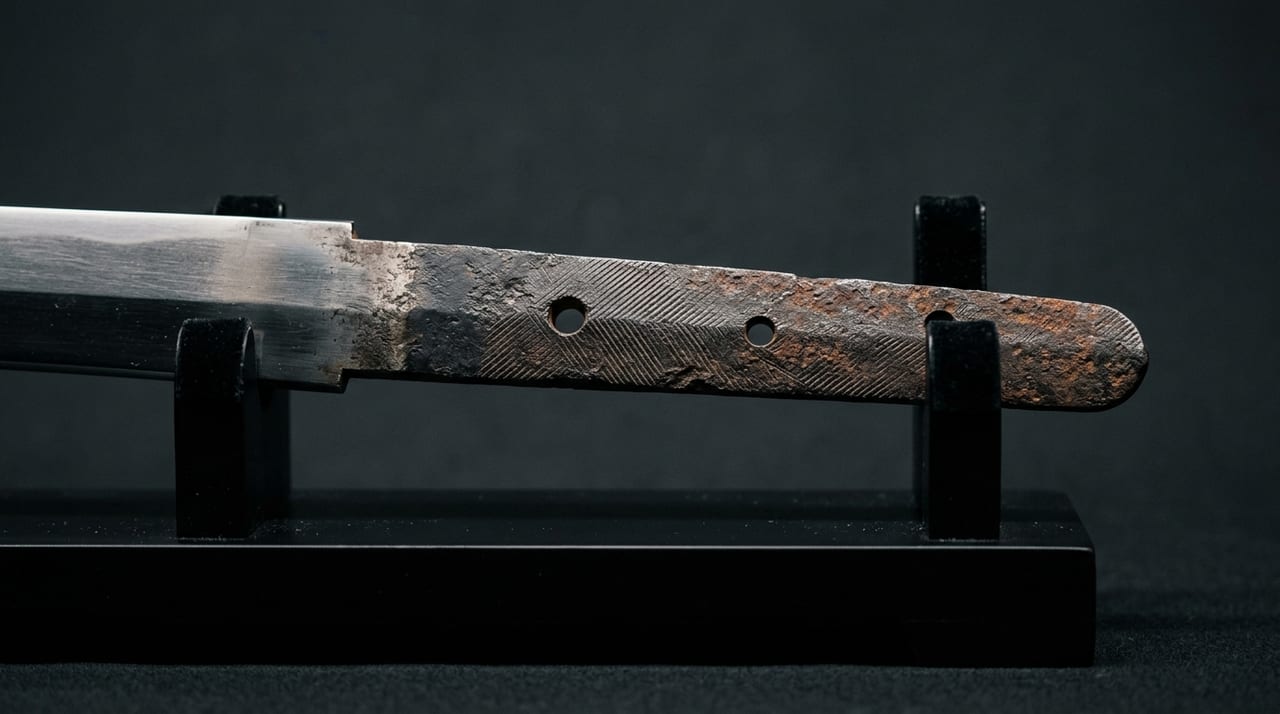
A detailed explanation of the Japanese sword tang (nakago), covering its shape, length, finishing methods, the meaning of patina, and the functional and aesthetic intentions embedded by swordsmiths in its design.
A comprehensive examination of the origins, lineage, master swordsmiths, stylistic characteristics, and lasting influence of the Rai school, which flourished in Kyoto during the late Kamakura period.
How generative AI and image recognition are reshaping Japanese sword appraisal, authentication, and marketing. Real-world examples from dealers, auction houses, and polishers, plus the risks and ethics of AI adoption.
Sustaining the Japanese sword craft requires robust successor training. This article covers apprenticeship realities, prefectural vocational training programs, government subsidies from the Agency for Cultural Affairs and METI, and the traditional craftsman certification system.
A detailed examination of how the Zenkunen and Gosannen Wars, fought in northeastern Japan during the late Heian period, influenced sword development and the sword culture of the Minamoto warrior clan.
Explores how Japanese sword culture transformed during the tumultuous three years from Emperor Go-Daigo's revolt to the Kemmu Restoration (1333–1336), tracing the shift from inokubi kissaki to grand tachi and the diverging sword aesthetics of court and warrior.
An exploration of the kaiken dagger's history, structure, and cultural roles. From self-defense tool of samurai women to wedding trousseau and last resort, this article examines the multiple meanings of this small blade and notable surviving examples.
An exploration of how the Mongol invasions of 1274 and 1281—with their massed formations, gunpowder weapons, and volley archery—affected Japanese warrior combat styles and sword-making philosophy. Traces documented changes in blade morphology after the invasions and examines the historical reality behind legendary 'Mongol-era swords'.
An exploration of naginata-naoshi—the historical practice of converting naginata polearms into short swords or katana during the Muromachi through Edo periods. Covers the historical reasons for conversion, the distinctive morphological features of converted blades, and how appraisers identify naginata-naoshi today.