最新消息 — 最新入荷資訊請查閱商品目錄。 查看 →
深入了解日本刀知識與文化的見解
An analysis of how overseas collectors are impacting the nihonto market and what sword dealers should do to capture international demand.
This article examines the financial realities of being a swordsmith in modern Japan, including subsidies, experience programs, and sales strategies.
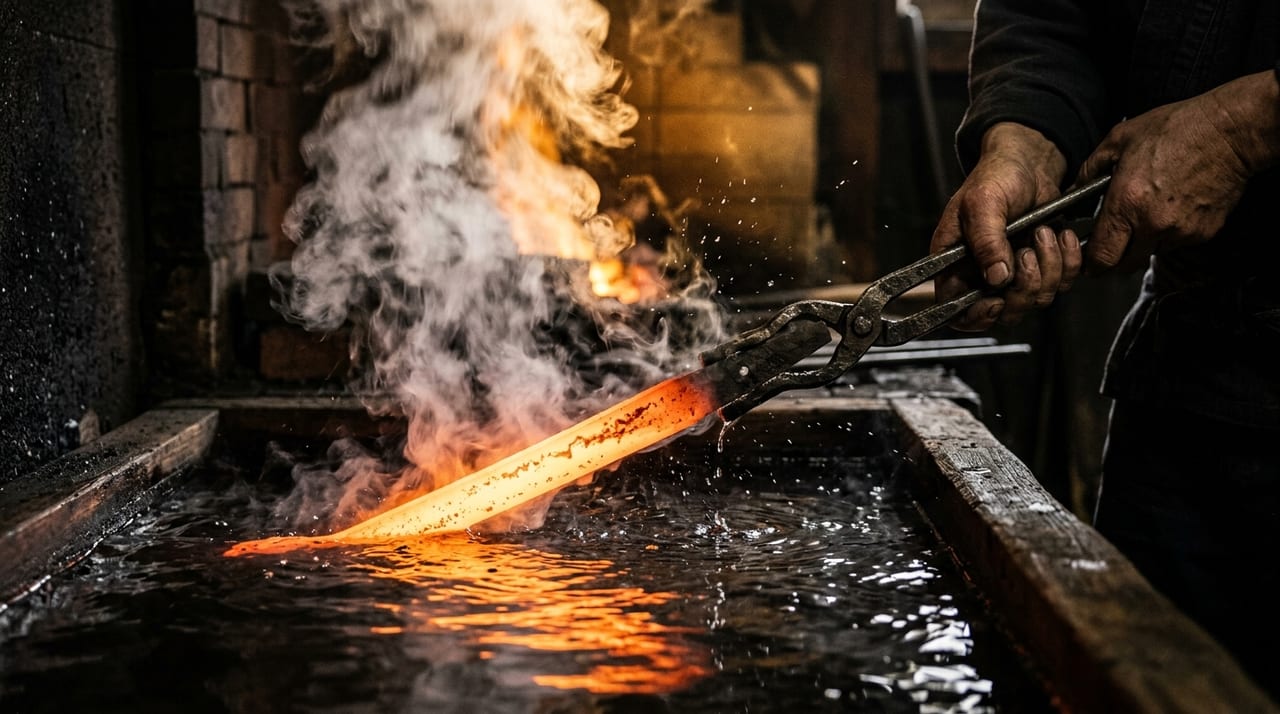
This article explains the final quality inspection process swordsmiths use after completing a blade, from the visual check (metoshi) to test cutting.
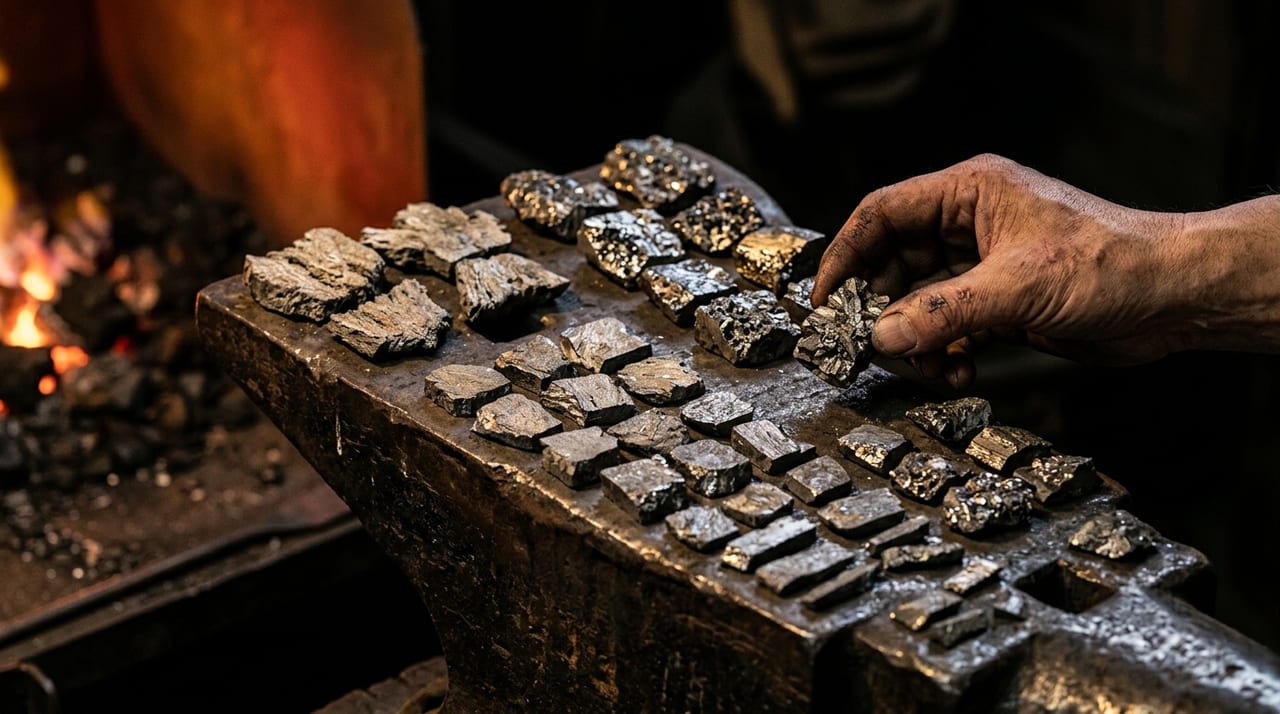
How swordsmiths analyze and sort tamahagane steel produced by tatara smelting into soft core steel and hard jacket steel, with the scientific background of carbon content.
This article covers swords of the Tensho era (1573-1593), examining late Koto period innovations, Nobunaga and Hideyoshi's sword policies, and the transition to the Shinto age.
Tamahagane, the superior iron that makes authentic Japanese swords, is smelted from iron sand through the ancient tatara process. This article traces sand collection, ore selection, the three-day furnace ritual, and how modern smelters preserve this crucial tradition.
The Jōkyū Rebellion tested the young Kamakura shogunate militarily and politically. This article examines how the rebellion's outcome accelerated the transition from ancient swords to Kamakura-period blade designs, and shaped the technical evolution of Japanese swordcraft.
The Japanese sword market is rapidly moving online. From Yahoo Auctions and Mercari to international platforms, this article explores the risks of counterfeit blades, authentication certificate reliability, and consumer protection in cross-border e-commerce.
The yoroidoshi tanto was specifically designed to pierce medieval Japanese armor. This article explores the unique blade geometry, metallurgical properties, and combat applications that made this short blade so deadly against armored opponents.
Sword polishing consists of two phases: rough finishing (shitaji-togi) and final polishing (kesho-togi). The final phase — hazuya (edge brightening), uchi-kumori (darkening the body), yubikakari (fingernail polishing), and hade-togi — requires mastery to reveal the full beauty of hamon and jigane. This article systematically explains the processes and the logic behind stone selection.
Higo and Edo koshirae represent two major sword mounting styles of the Edo period. The austere functional beauty of Higo contrasts sharply with the elaborate decorative splendor of Edo, embodying the philosophical differences between domain cultures. This article compares their structures, designs, master craftsmen, and modern valuation.
An exploration of the historical background of Japanese swords dedicated to shrines, their significance as divine objects, and the realities of modern dedication procedures, maintenance, and returns.