Swords Signed Unshū-jū: Inscriptions Made in Izumo and Two Blades Designated by Shimane Prefecture and Matsue City
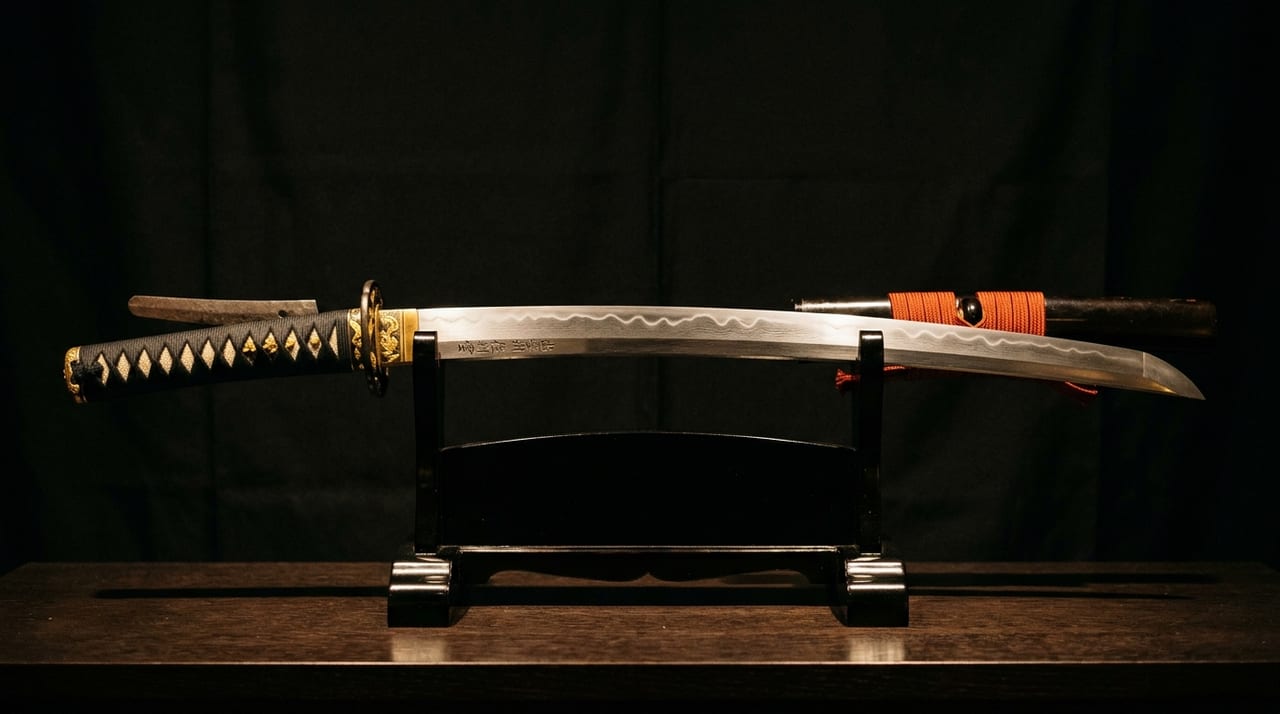 * Image is for illustrative purposes only.
Table of Contents
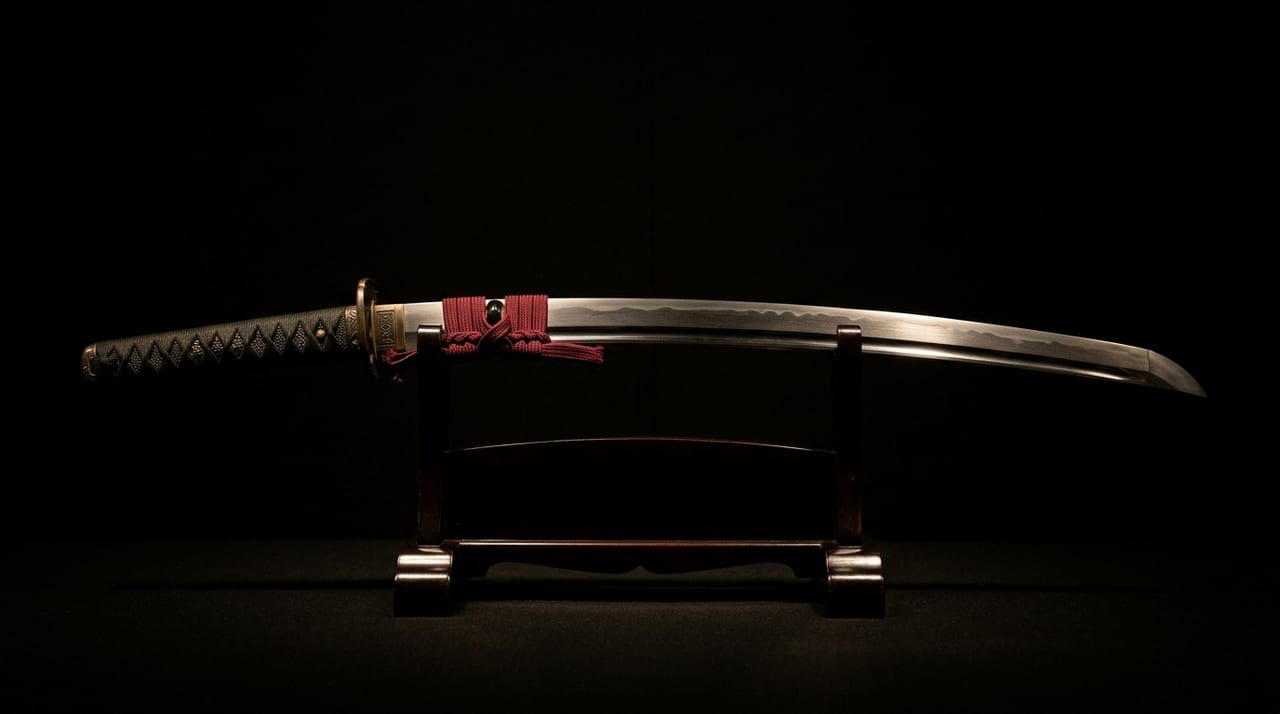
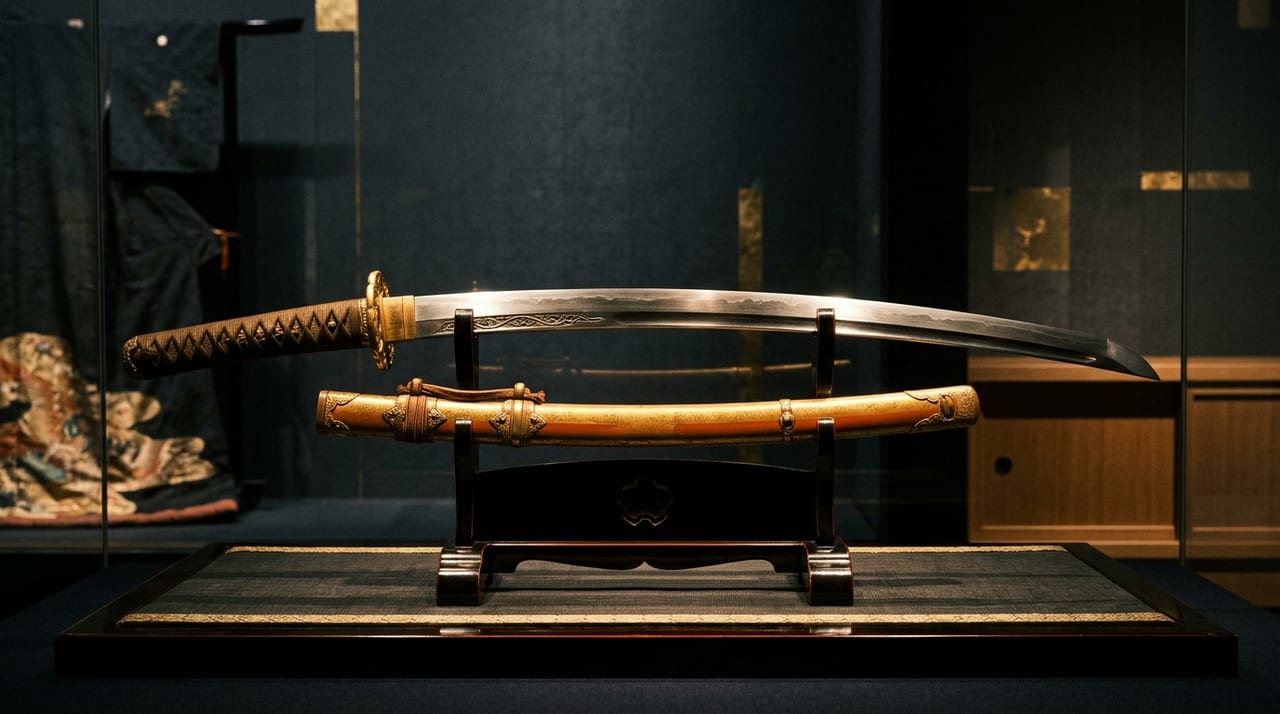
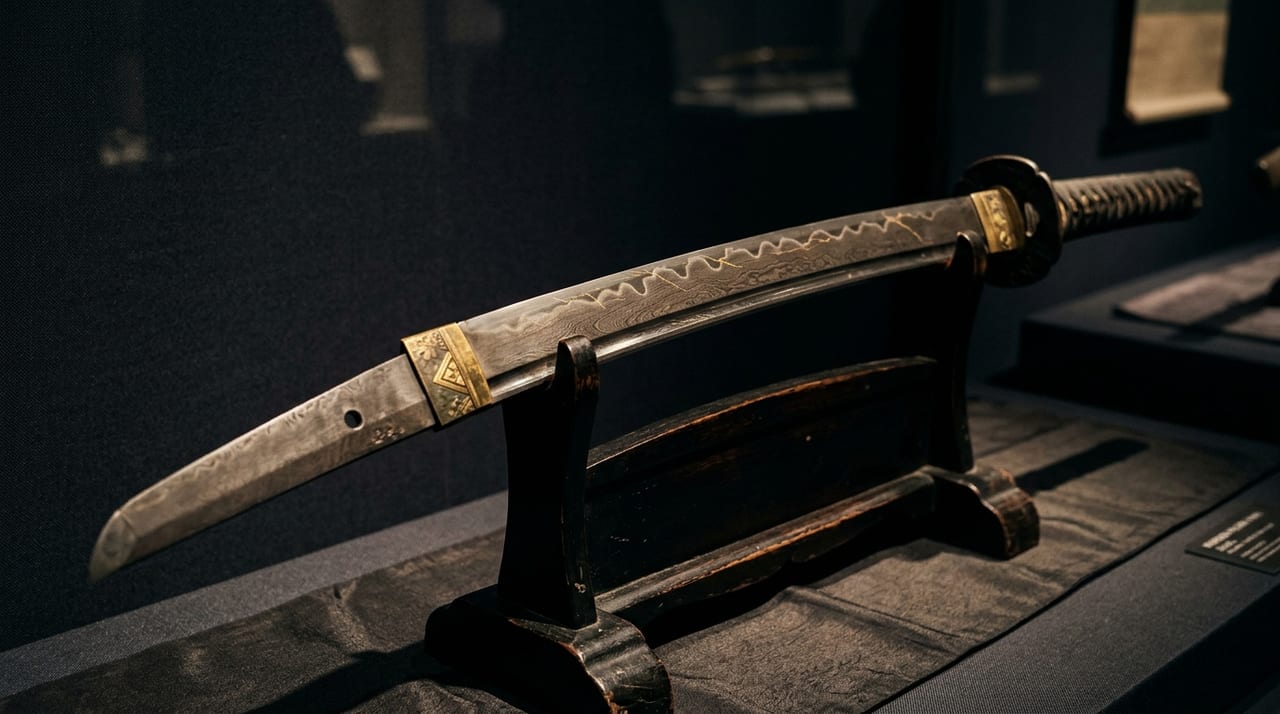
The mei carved on the nakago of a Japanese sword sometimes includes characters showing where it was made, alongside the maker's name. "Unshū-jū" takes "Unshū", another name for the old province of Izumo, and adds "jū" (residing in). It shows that the smith lived in Izumo and made the sword there. How to read "jū" is explained in How to read "jū" and "o" in mei.
Two Blades Designated by Shimane Prefecture and Matsue City
The cultural property pages of Shimane Prefecture list two swords signed "Unshū-jū". The first is in the prefectural list of designated craft works (https://www.pref.shimane.lg.jp/life/bunka/bunkazai/shimane/kougeihin.html). The second is in the list of cultural properties designated by Matsue City (https://www.pref.shimane.lg.jp/life/bunka/bunkazai/shimane/sityouson/matsue.html). The mei and designation details are as follows.
| Item | First sword | Second sword |
|---|---|---|
| Front mei | Genji gannen ne-doshi hachigatsu kichijitsu Unshū-jū Naganobu saku | Hachimangū hōkishin Setsubi Tanke □□ |
| Reverse mei | Kimi banzai | Kan'ei jū mizunoto-tori hachigatsu jūgonichi Unshū-jū Ginyū saku |
| Date (Western calendar) | Genji 1 (1864) | Kan'ei 10 (1633) |
| Designation | Designated by Shimane Prefecture, 18 February 1969 (Shōwa 44) | Designated by Matsue City, 20 October 1977 (Shōwa 52) |
| Owner / holder | Private owner (located in Matsue City) | Hirahama Hachimangū |
The first sword carries a date from the end of the Edo period, and the second from the early Edo period. The front mei of the second sword is given exactly as it appears in the Matsue City list. The opening "Hachimangū hōkishin" can be read as wording showing that the sword was dedicated to a shrine. The remarks in the list note that the name of Horio Tanke, chief of the Matsue domain's umamawari-shū (mounted guard), appears on it, and that "Ginyū" is thought to have worked in Matsue.
Reading the Two Makers' Names
The two makers are "Naganobu" and "Ginyū", and their names differ. From the information on these two swords alone, it cannot be determined whether the two were tōkō of the same workshop or the same line. To investigate lineage, records of the jigane and hamon would have to be compared against the mei on other held works.
Cautions When Researching Izumo Swords
There are many accounts that list the names of Izumo tōkō, but the dates and names are sometimes written differently from one account to another. The safest course is to confirm the mei and date against photographs of the sword itself or registration records, and not to write down any name or date that cannot be confirmed.
The iron used for Japanese swords is well known to include tamahagane made in the Okuizumo region of Shimane Prefecture. How the iron is made is explained in Tamahagane and tatara ironmaking. The line of tōkō in Hōki Province, which lies on the same San'in coast, can be read about in The lineage of Hōki Province swordsmiths.
See Works Online
In the TOUKENZA online catalog, you can browse the swords currently listed and proceed to the purchase process. If you have questions about listings or purchases, please contact us through the inquiry form.