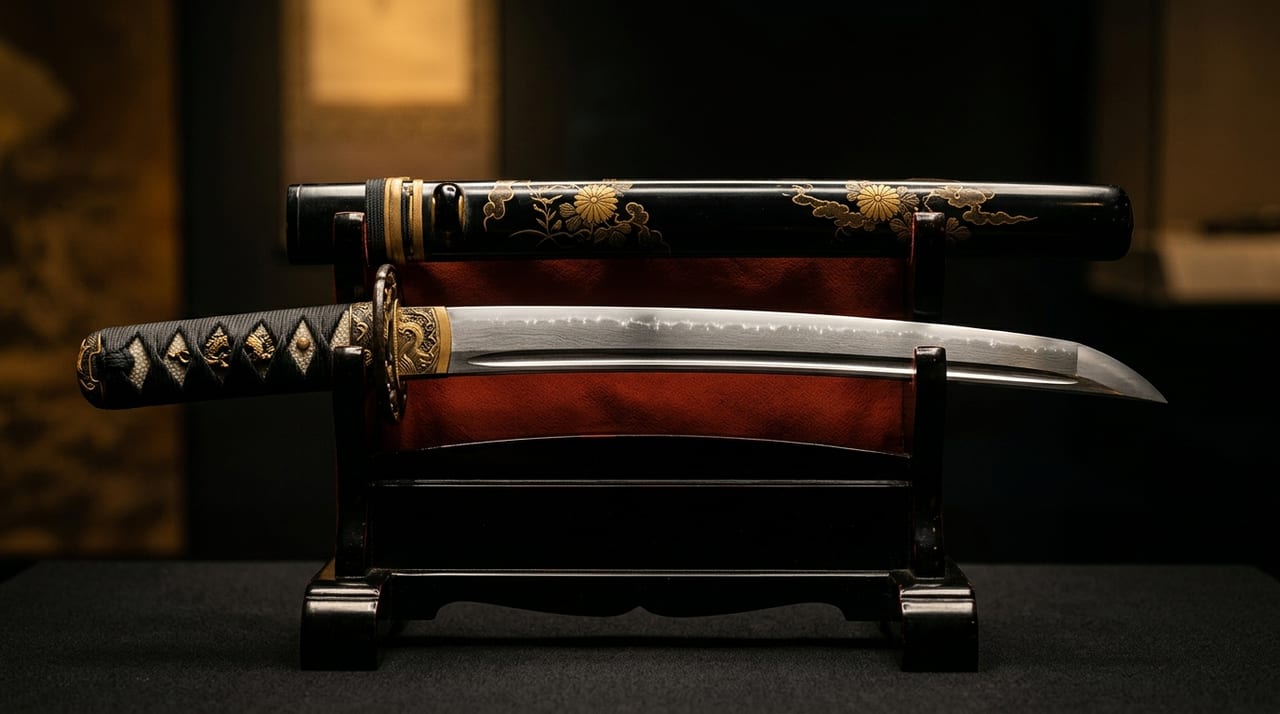
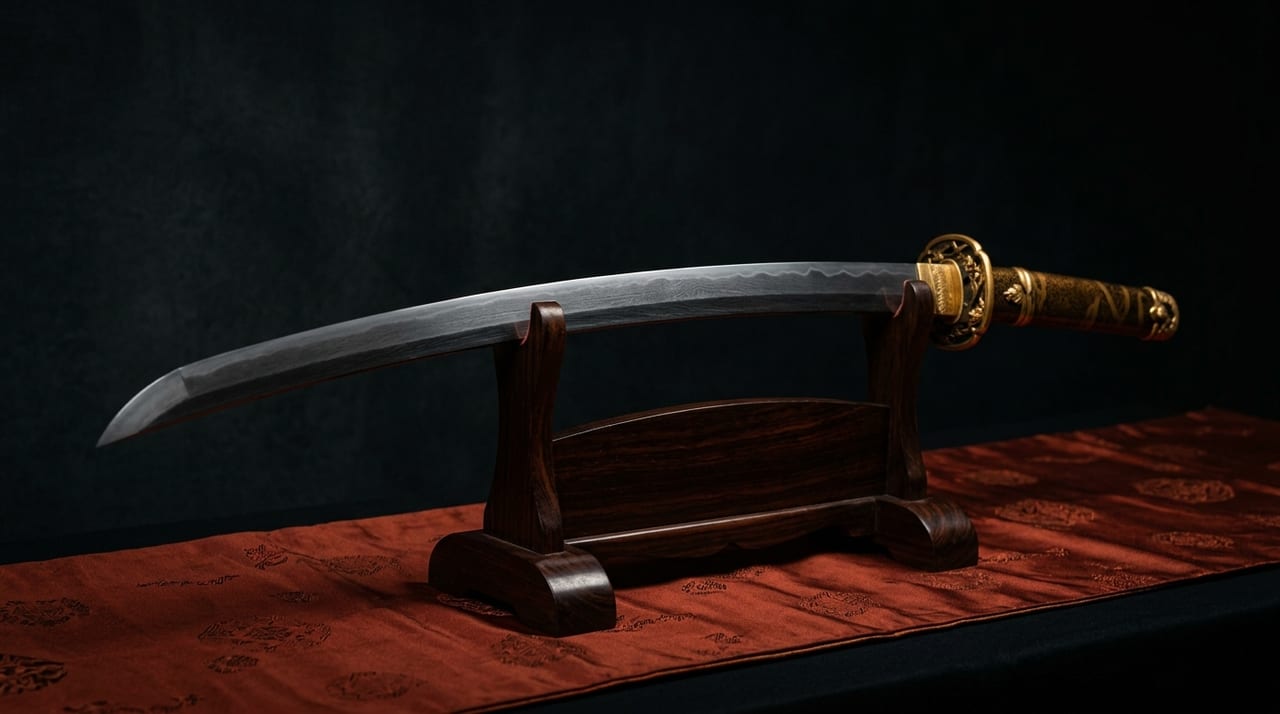
Bungo Yukihira: An Early Kamakura Swordsmith of Bungo and the Jūyō Bunkazai Tachi in the Tokyo National Museum
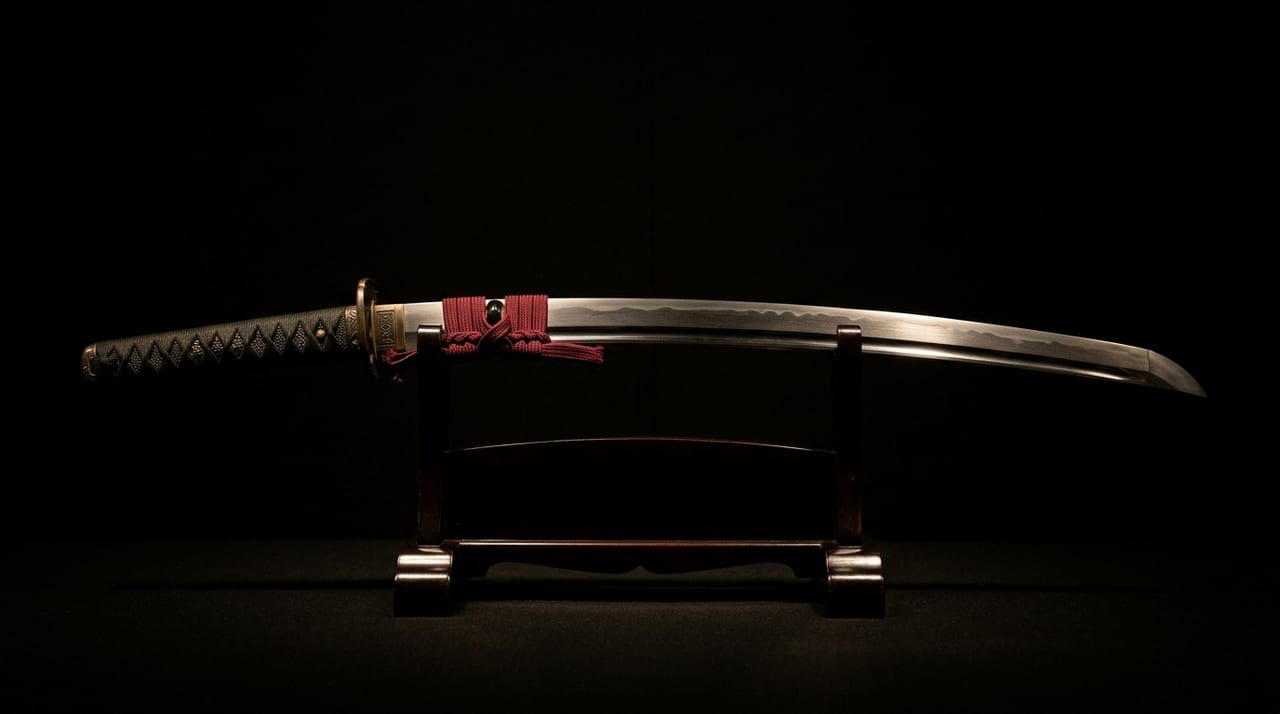 * Image is for illustrative purposes only.
Table of Contents
Bungo Province (present-day Ōita Prefecture) is a former province on the eastern side of Kyushu. Yukihira is known as a tōkō who made swords in this region in the early Kamakura period. The Tokyo National Museum holds a tachi bearing Yukihira's mei as a jūyō bunkazai. This article sets out the basic information on that tachi and how to approach appreciating it.
The Jūyō Bunkazai Tachi "Bungo no Kuni Yukihira saku"
The tachi held by the Tokyo National Museum, with the mei "Bungo no Kuni Yukihira saku," is designated a jūyō bunkazai. It dates to the Kamakura period and was designated on the 29th of August, 1950 (Shōwa 25).
Its maker, Yukihira, is regarded as a tōkō of Bungo Province in the early Kamakura period. This tachi is slender and strongly curved around the koshi, and it is valued as a tachi of dignified form.
Its dimensions are as follows.
| Item | Measurement |
|---|---|
| Length | 65.7cm |
| Sori | 2.1cm |
| Motohaba | 2.9cm |
| Sakihaba | 1.9cm |
| Nakago length | 17.4cm |
With a motohaba of 2.9cm and a sakihaba of 1.9cm, the blade narrows by 1.0cm from the base toward the tip. The table's figures also show a form that is slender relative to its length and tapers toward the tip. The nakago is 17.4cm.
Reading the Koshi-zori Tachi Form
When looking at the form of a tachi, attention goes to the overall length, the depth of the sori, the change in width, and where the center of the curvature lies. A blade whose center of curvature lies close to the nakago is called koshi-zori, a form often seen in tachi of earlier periods.
Yukihira's tachi is noted for being slender and having koshi-zori. The sori is 2.1cm, a modest figure against a nagasa of 65.7cm, but the sori figure alone does not determine the impression of the form. Depending on the height at which the curvature begins and where it is deepest, the same figure can look different.
Only the figures that could be confirmed and the assessment of the form are given here. For the specific workings of the jigane and hamon, one needs to check the actual sword, exhibition catalogues, or the information published by the holding museum.
Summary
Yukihira was a tōkō of Bungo Province in the early Kamakura period. The Tokyo National Museum's tachi "Bungo no Kuni Yukihira saku" is a jūyō bunkazai, valued for its slender form with koshi-zori. When appreciating or researching it, it helps to keep the following points in mind.
- Whether a sword has designations such as jūyō bunkazai, the date of designation, and its dimensions can be checked in public databases such as the Agency for Cultural Affairs' Bunka Isan Online
- Lining up figures such as the length, sori, motohaba and sakihaba, and nakago length makes the characteristics of the form easier to grasp concretely
- The standing of old swords made in the provinces needs to be considered together with their relationship to the Gokaden
Old provincial swords are also covered in Beyond the Gokaden: The Individuality and Collecting Value of Provincial Swords of the Kotō Period. Please read it alongside this article.
At TOUKENZA, you can browse and purchase swords in our online catalog. If you have any questions, please contact us through the inquiry form.
Source: Bunka Isan Online, Tachi, mei "Bungo no Kuni Yukihira saku" (Tokyo National Museum).