Neuheiten — Aktuelle Neuzugänge finden Sie in unserem Katalog. Ansehen →
Einblicke in das Wissen über japanische Schwerter und die Kultur
Bizen Osafune was Japan's largest and longest-lived sword production center. Master smiths including Kagemitsu, Kanemitsu, Nagayoshi, and Motoshige maintained the choji hamon and bizen-den tradition over 700 years — from the Kamakura golden age through Sengoku mass production to post-Sword Ban revival.
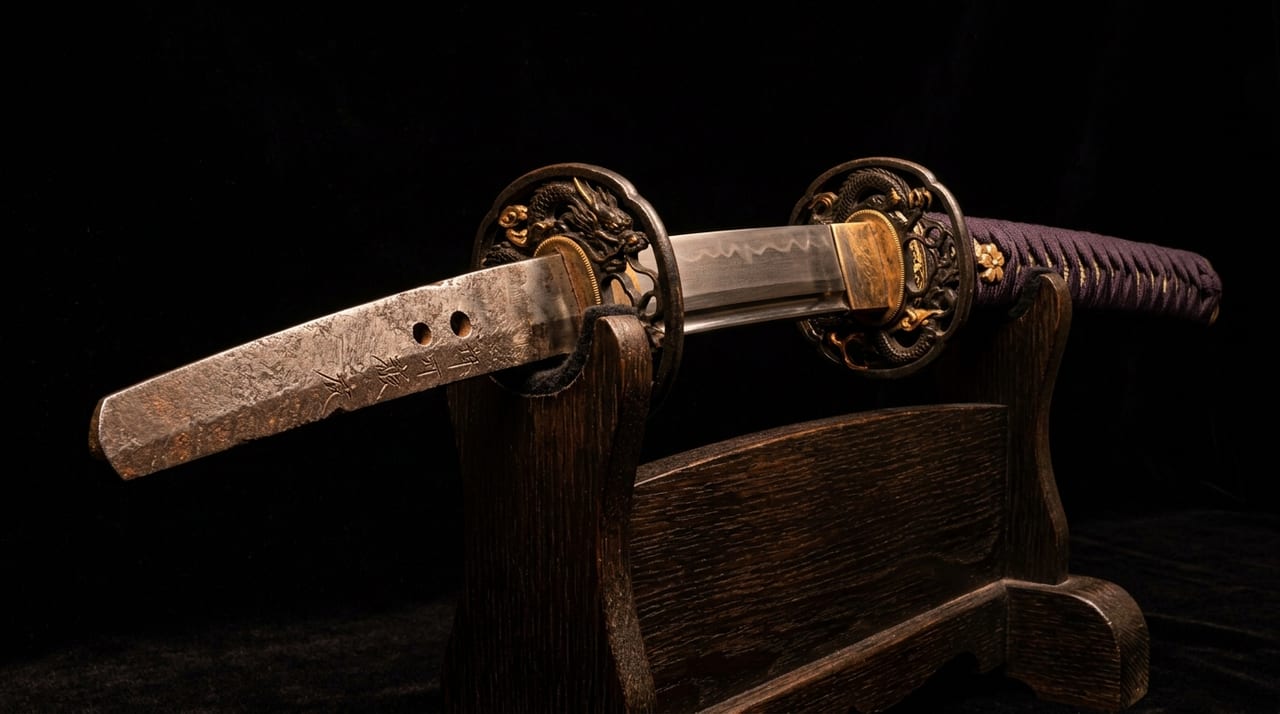
One hundred fifty years after Japan's sword prohibition law, contemporary tsuba makers and sword fitting artists are preserving endangered traditional techniques while navigating modern relevance. This article examines the current state of the craft — training, exhibition, market, and the balance between tradition and innovation.
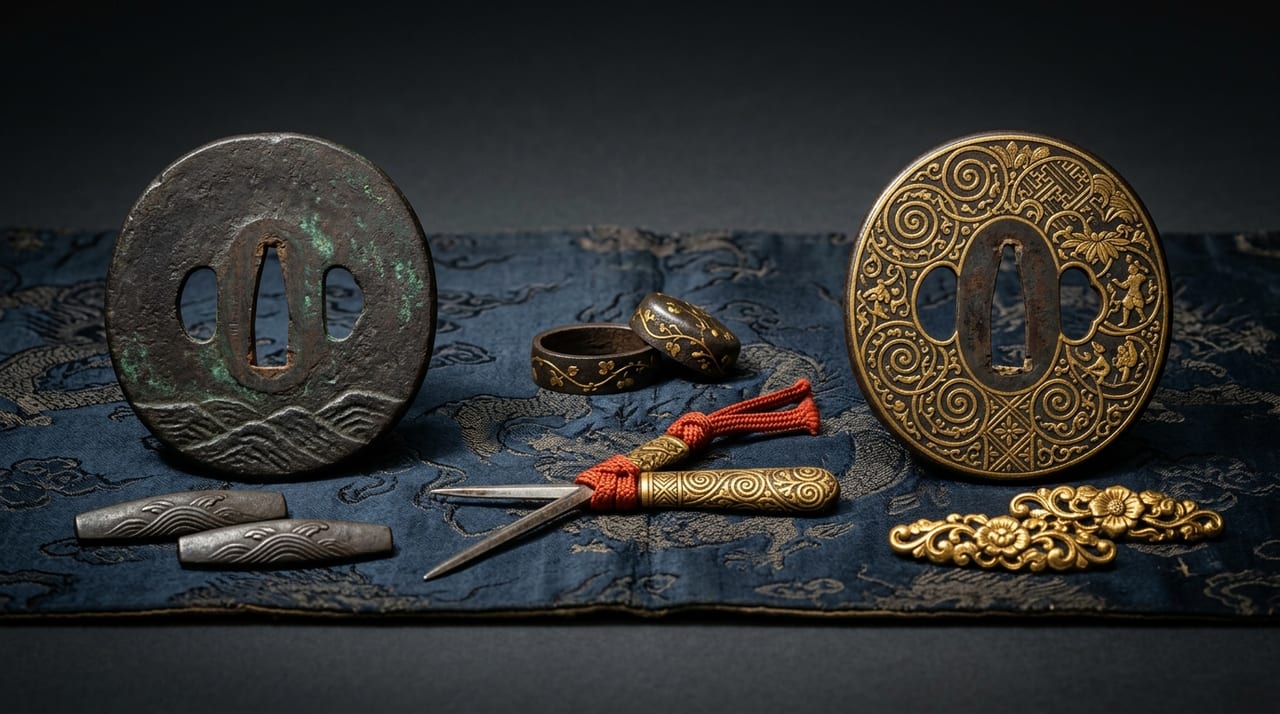
As the Edo period brought lasting peace, tsuba underwent a full transformation from martial accessory to artistic craft object. This article examines how the Higo kinko, Goto school, and Shoami school competed and developed distinct aesthetics in the 17th-century golden age of sword guard artistry.
The Shinshinto period of late Edo Japan (early 19th century to the bakumatsu era) is called the second golden age of nihonto. Beginning with Suishinshi Masahide's revival movement, genius smiths like Taikei Naotane, Minamoto Kiyomaro, and Koyama Munetsugu produced technically brilliant blades inspired by classical koto methods.
How the Genroku cultural era transformed samurai aesthetics and drove the artification of Japanese swords — examining the formation of shintō production centers, the achievements of master smiths like Kotetsu and Shinkai, and the flourishing of sword-fitting culture.
The Gassan school of Osaka is renowned for its distinctive ayasugi-hada (cedar-grain steel pattern). Gassan Sadakatsu and Gassan Sadaichi II maintained traditional forging through Japan's military sword era without resorting to industrial steel, earning postwar Living National Treasure recognition. This article examines the Gassan school's techniques and Showa-era work.
Millions of Japanese swords were confiscated under GHQ occupation after World War II. Some reached overseas collectors and continue to return to Japan today. This article examines the market value of repatriated swords, appraisal challenges, and the current state of repatriation efforts from an industry perspective.
Founded by Goto Yujo in the Muromachi period, the Goto family maintained 17 generations of premier sword fitting production through to the Meiji era. This article explains the distinctive 'Goto carving' style in shakudo and gold, and the unique 'Goto-yagu' concept of unified set design.
The Haitōrei (Sword-Bearing Ban) promulgated in 1876 (Meiji 9) stripped samurai of their right to wear swords and shook Japanese sword culture to its foundations. This article provides a detailed explanation of the background, content, and impact of the Haitōrei, as well as how Japanese swords survived as works of art.
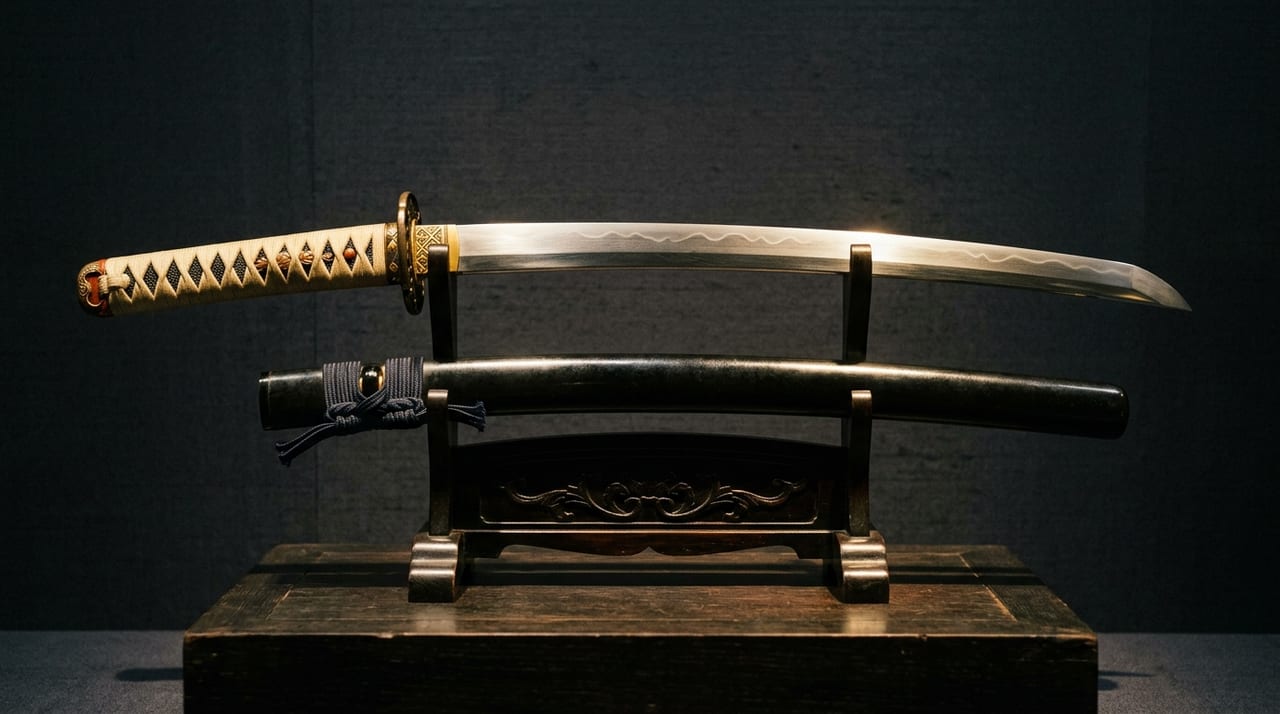
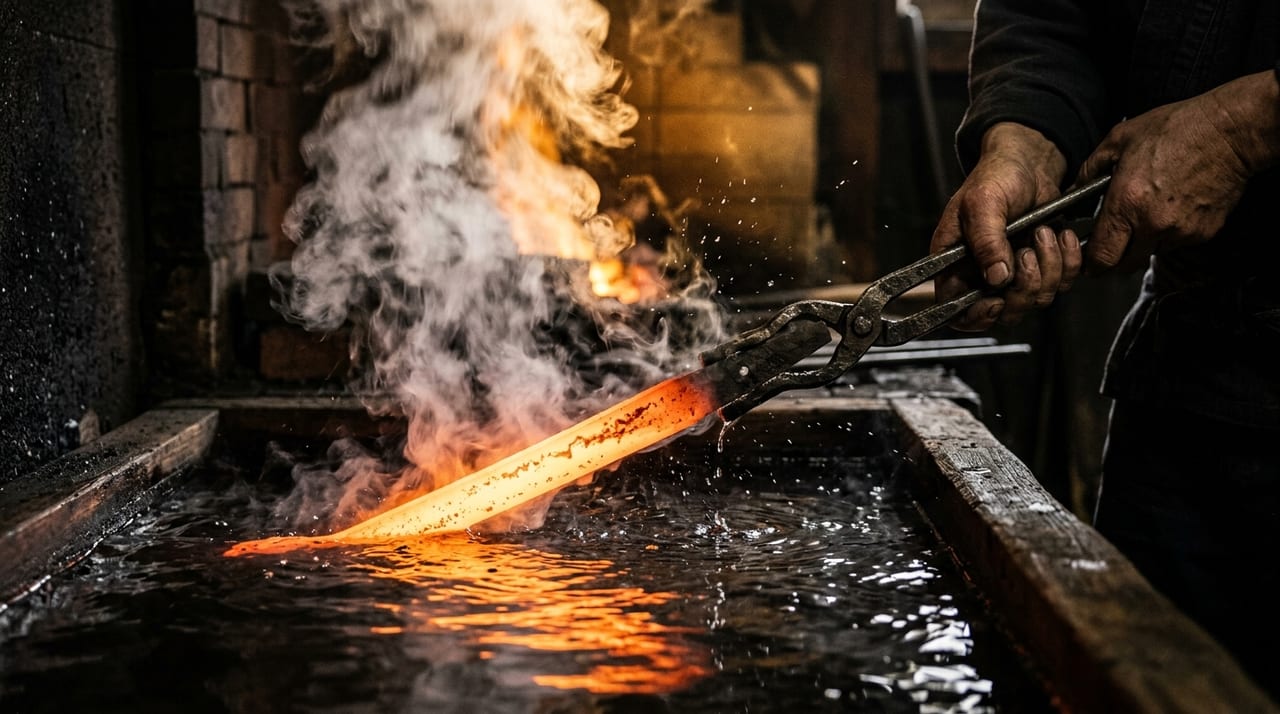
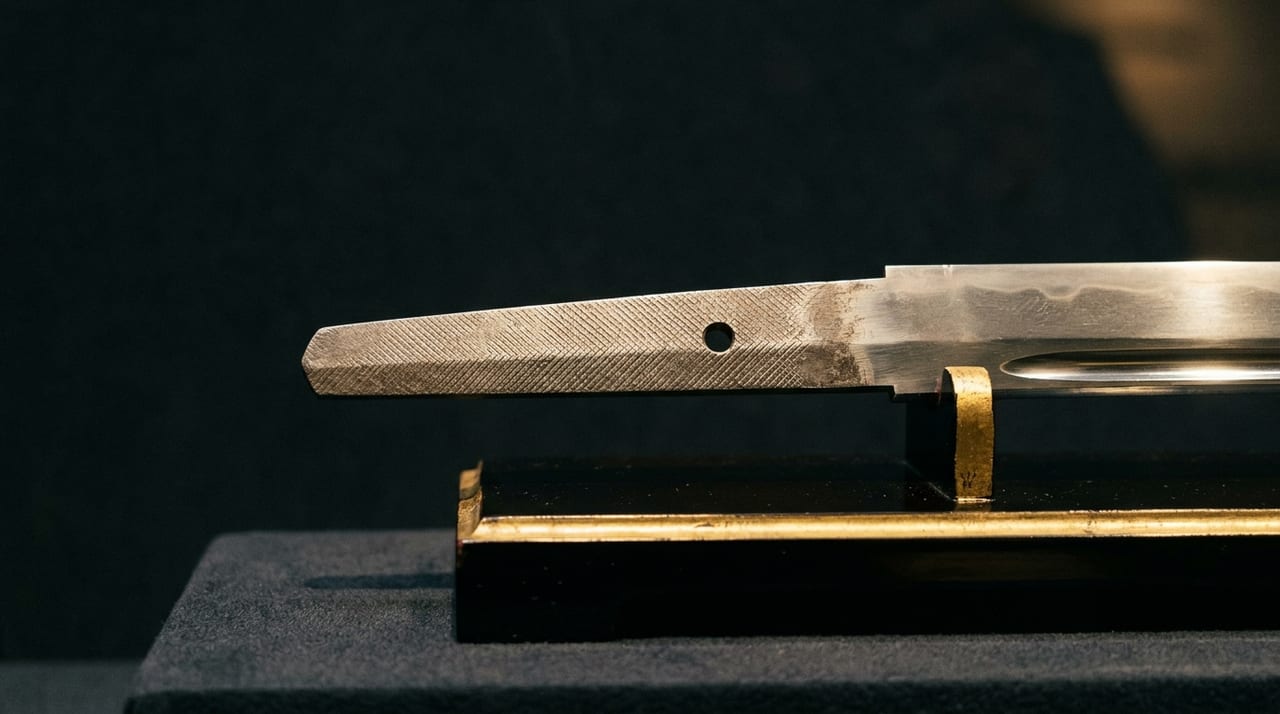
The blade pattern (hamon) of Japanese swords is created through the hardening process and emerges at the edge boundary, determining both the aesthetic value and functionality of the sword. This article explains in detail the main types of blade patterns—such as straight blade, undulating wave, clove bud, and alternating diamond—along with methods of appreciation and their characteristics across different schools of swordmaking.
The mid-to-late Heian period (9th–12th centuries) witnessed a dramatic transformation in Japanese sword culture. The shift from straight blades to curved tachi, the rise of warrior clans like the Minamoto and Taira, and the wars leading to the Genpei conflict elevated the nihonto to the core of samurai identity.
Higo kinko metalworkers, serving the Kumamoto (Higo) domain, produced austere iron tsuba rejecting gold and silver inlay. This article details the four main lineages — Hayashi, Nishigaki, Hirata, and Shimizu — their characteristics, representative styles, and relationships, with guidance for appreciation and collecting.