Neuheiten — Aktuelle Neuzugänge finden Sie in unserem Katalog. Ansehen →
Einblicke in das Wissen über japanische Schwerter und die Kultur
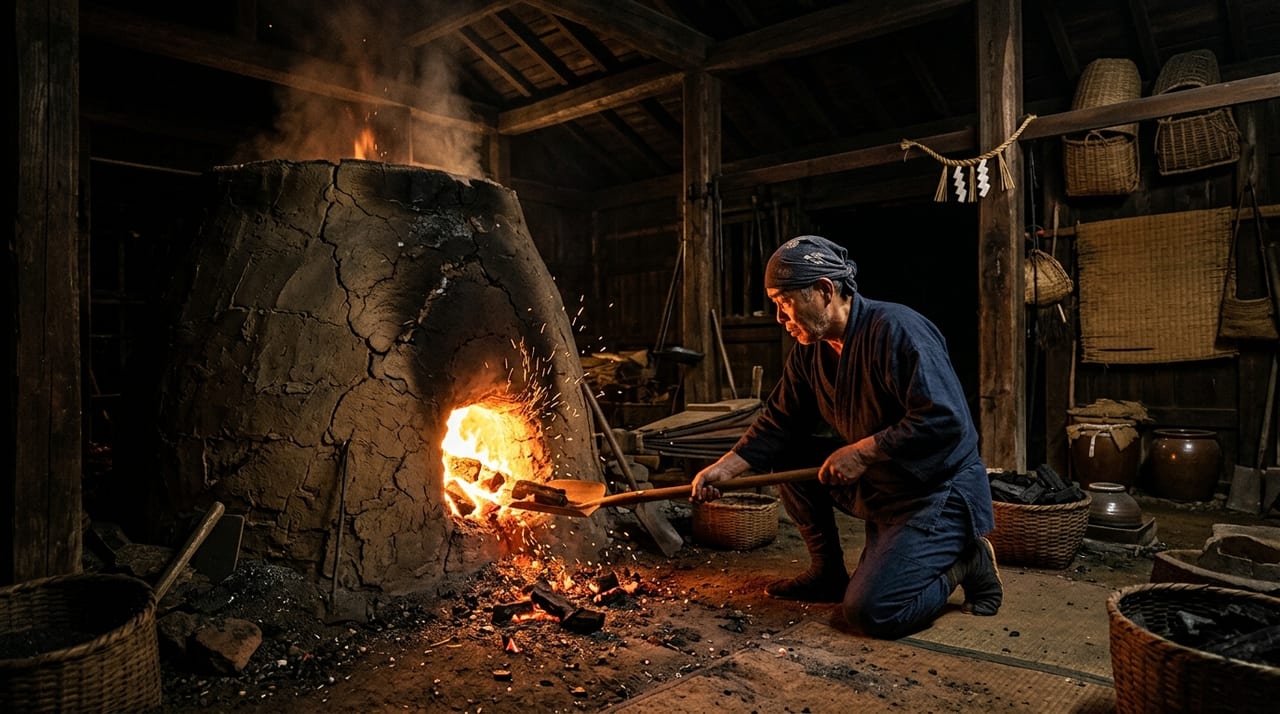
This article explains how tamahagane, the raw material for Japanese swords, is created from sand iron and tatara furnaces. It covers the entire smelting process in detail—from types of sand iron and charcoal selection through the three-day-three-night operation, slag division, and tamahagane selection.
A complete guide to the types of short swords (tantou), the most diverse form of Japanese swords. Covers structural differences, uses, and historical backgrounds of each format including aikuchi, yoroidoshi, koshigatana, kougai, kaiken, and gomabashi.
Complete explanation of "tsukurikomi (つくりこみ)" - the cross-sectional shape of a Japanese sword blade. Systematic overview of the characteristics, historical distribution, and usage of 9 types of cross-sectional shapes including shinogi-zukuri, hira-zukuri, kiriha-zukuri, shobu-zukuri, ryoha-zukuri, and related forms.
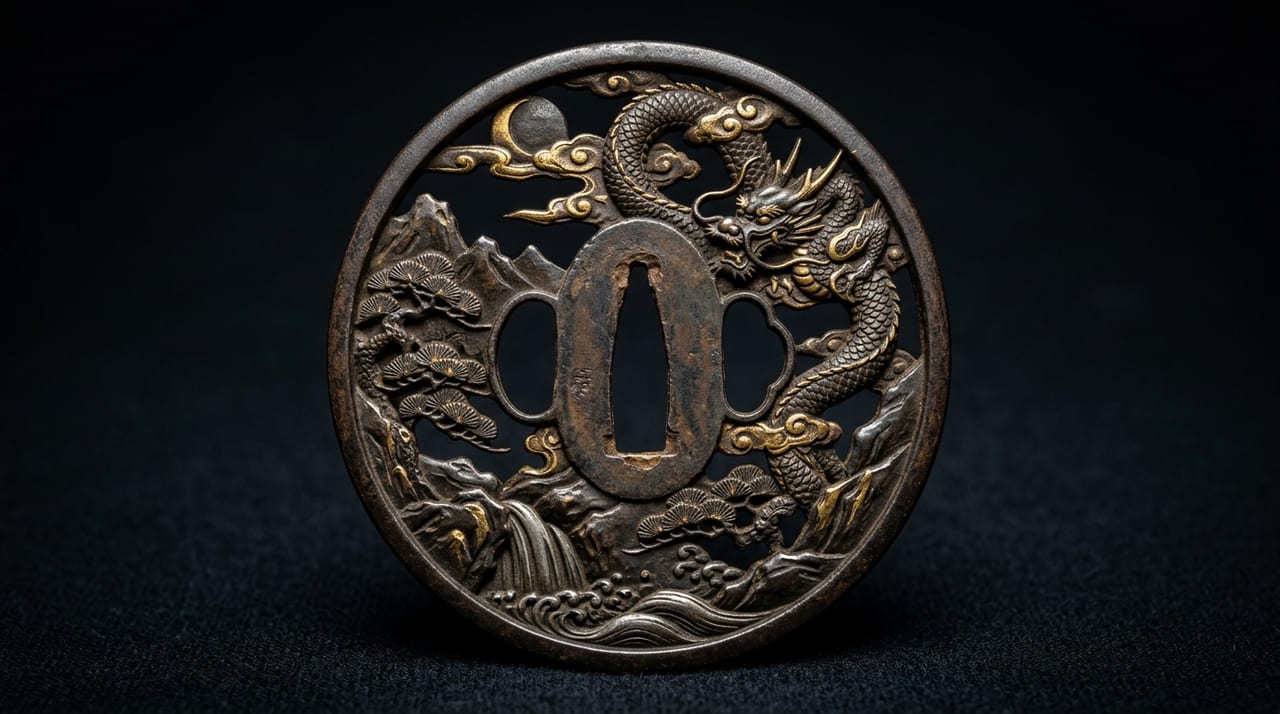
Detailed examination of Umetada Myoju's (1558-1631), a representative sword decorator and metalworker of the Azuchi-Momoyama period, tsuba (sword guards). Explains the revolutionary techniques that transformed previous simple tsuba decoration, his relationship with Toyotomi Hideyoshi, and his influence on later metalworkers.
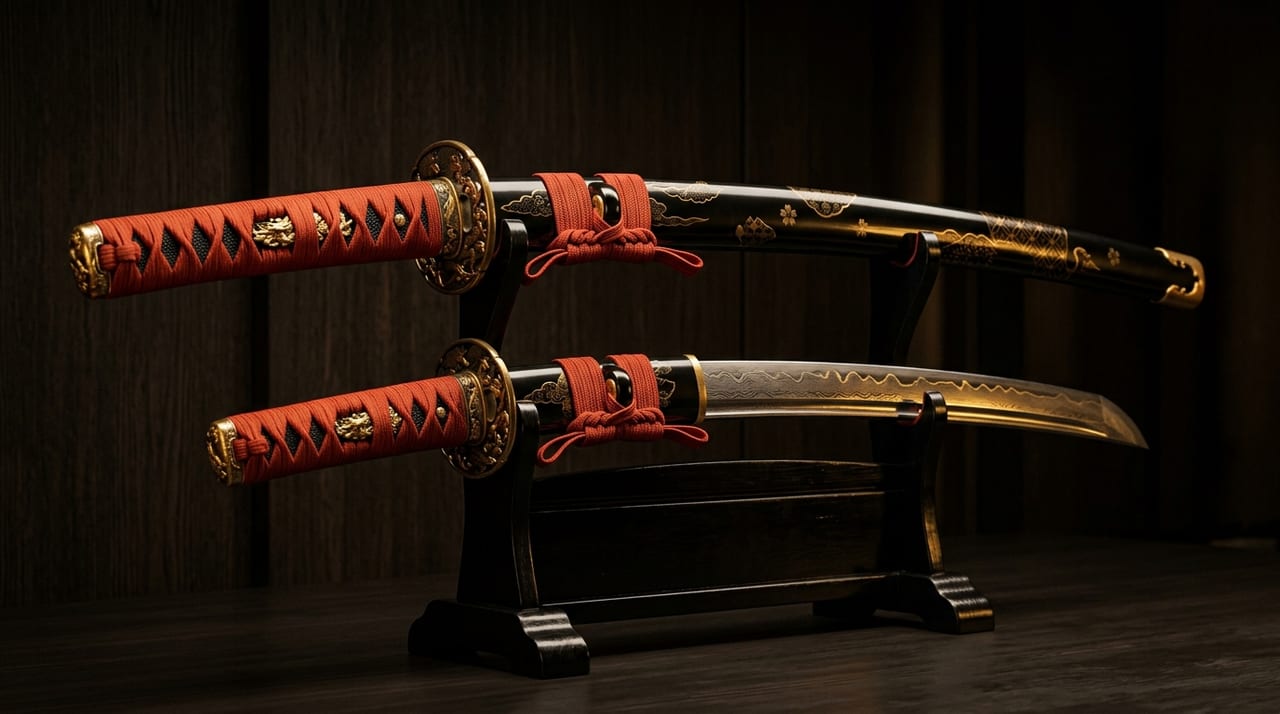
A comprehensive exploration of the "wakizashi" (脇差), which holds a unique position among Japanese swords. This guide covers blade length definitions and historical transitions, the formation of "daishō" (paired-sword) culture, the role of the wakizashi in samurai daily life, master craftsmen and their masterpieces, and purchasing advice for modern collectors.
Comprehensively introduces female swordsmiths whose names remain in the history of Japanese swords from ancient times to the Reiwa era. Provides detailed accounts of the lesser-known history of women and swords, including barriers from certification systems, conflicts with male-centered traditions, and the activities of contemporary female swordsmiths.
An in-depth explanation of tsuchi-oki (土置き), the technique of applying temper clay that critically determines the blade pattern (hamon) of Japanese swords. Covers the composition and mixing of temper clay, the principles of application (tsuchi-dome and tsuchi-oshi), variations in clay application across different blade patterns, and the subtle judgments that craftsmen learn through experience.
Focusing on Yokoyama Sukesada, who continued swordmaking until the Bakumatsu period as a descendant of Bizen Osafune, this article details the technical transition of the Osafune school from "Shintō" to "Shinshinutō" swords and the decline following the Edict on Swords. It also introduces appreciation points for Bakumatsu Bizen swords and evaluates extant works.
Ashikaga Yoshiteru, the 13th shogun known as the sword-master shogun, his training under Tsukahara Bokuden, his famous blades, and the legendary last stand at Nijo Palace.
Comprehensive guide to all existing famous swords forged by master craftsman Awataguchi Yoshimitsu, counted among the "Three Great Masters of Japan." Detailed examination of each meibutsu including Heshikiri Toushinrou, Ichigo Hitofuri, Gotou Toushinrou, and Yagen Toushinrou—their provenance, characteristics, and current locations.
A detailed explanation of the life and forging characteristics of Mitsutada, founder of the Osafune Bizen School. From the elegant blade pattern called "Mitsutada's choji hamon" to a list of extant Important Cultural Properties and appraisal methods, a thorough analysis of the greatest master smith of the Bizen blade tradition.
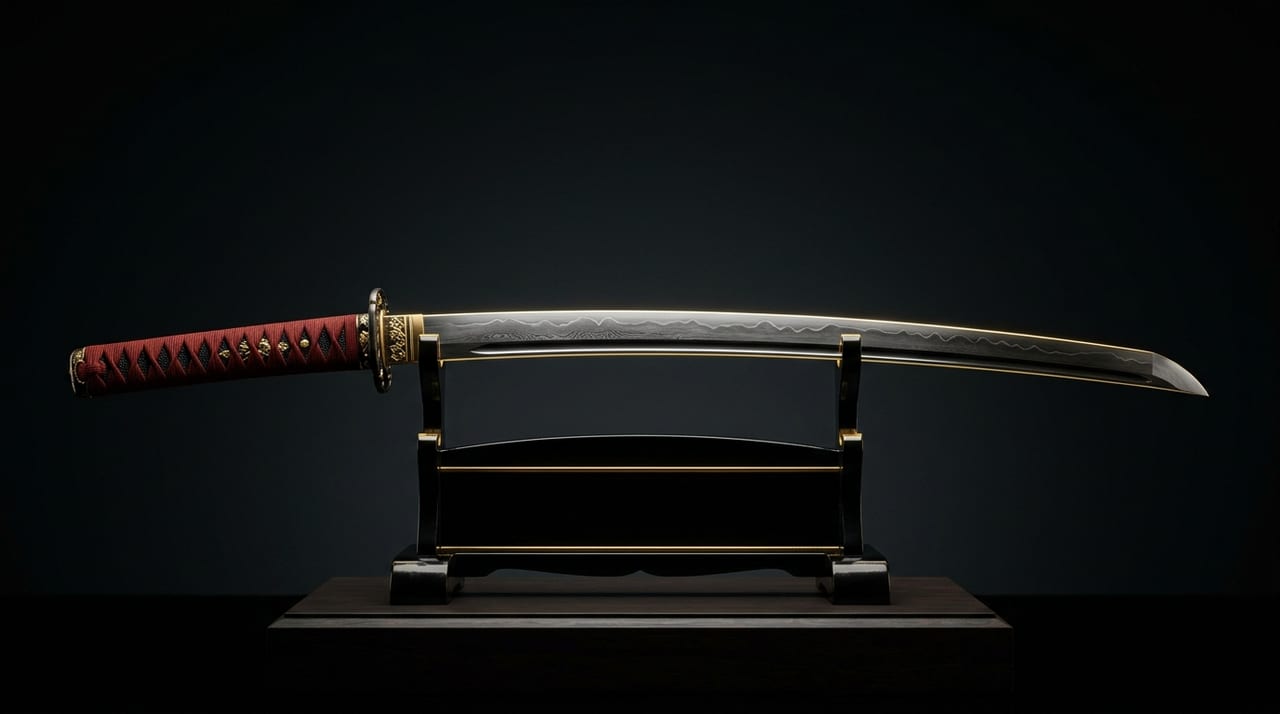
Explains practical methods for correctly appreciating blade patterns. Clearly conveys the observation procedures that appraisers actually perform, including light source selection, angle adjustment, and the proper use of polishing powder—written for beginners.