Neuheiten — Aktuelle Neuzugänge finden Sie in unserem Katalog. Ansehen →
Einblicke in das Wissen über japanische Schwerter und die Kultur
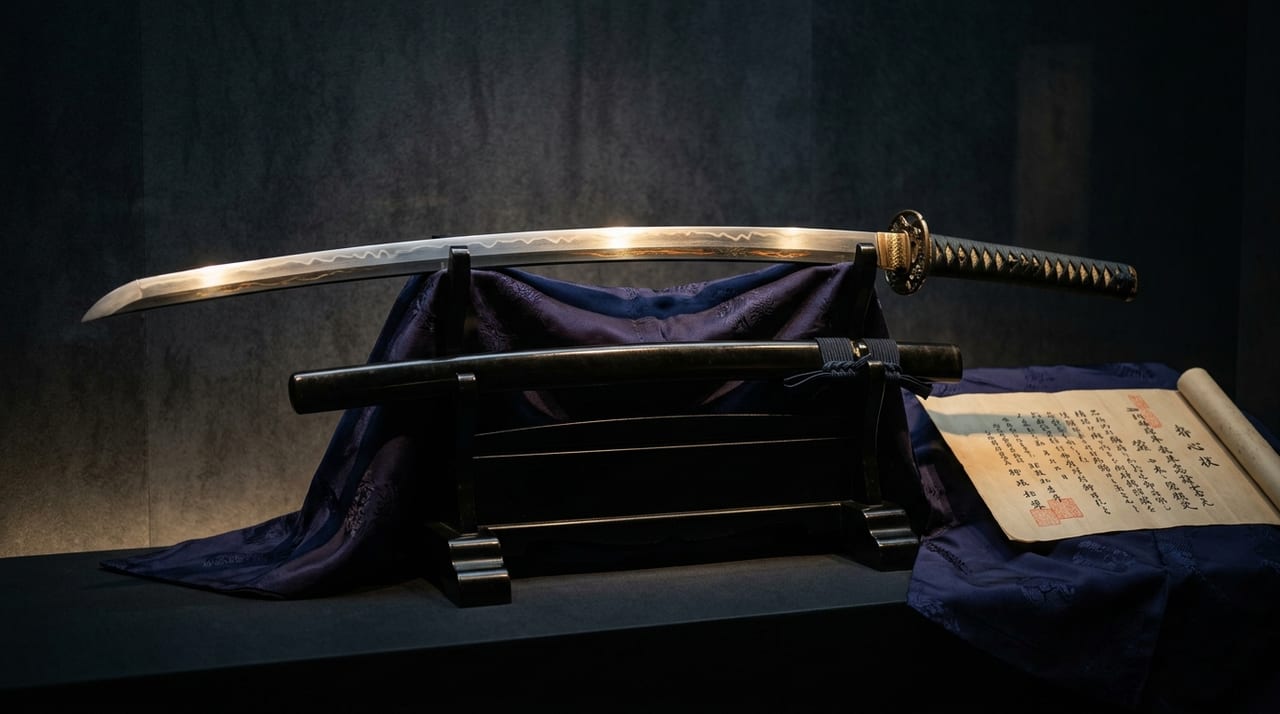
Comprehensive guide to online Japanese sword auctions in 2026. Covers platform comparisons, bidding strategies, reading market prices, and complete procedures for registration certificates, shipping, and insurance after winning the auction.
A practical guide to trading price ranges in the Japanese sword market as of 2026, explained by swordsmith ranking, era, condition, and authentication certificates. From unsigned swords to works by Living National Treasures and national treasure-grade pieces, providing price guidelines based on actual transaction data.
A comprehensive guide to restoration costs for Japanese swords, covering polishing (togigashi), rust removal, blade chip repairs, and koshirae (mounting) restoration. Includes cost breakdowns by condition, guidance on selecting blade polishers and sword craftsmen, and practical precautions to consider before restoration.
Detailed comparison and explanation of Japanese sword "curves" (sori)—waist curve, center curve, point curve, and straight blade. Systematically compiled definitions of each format, methods for measuring apex positions, historical usage trends by era, and functional reasons, providing practical knowledge useful for appraisal and appreciation.
This practical guide explains the storage environment for long-term preservation of Japanese swords (temperature, humidity, and storage containers) and the proper methods for setting evaluated amounts in fire and theft insurance. It covers everything from safe selection, oil management, and regular maintenance to the practical aspects of insurance contracts.
A comprehensive guide to the "Firearm and Sword Registration Certificate," essential for legal possession of Japanese swords. A practical guide explaining step-by-step procedures for new registration, handling lost certificates, transfers, inheritance, and international export.
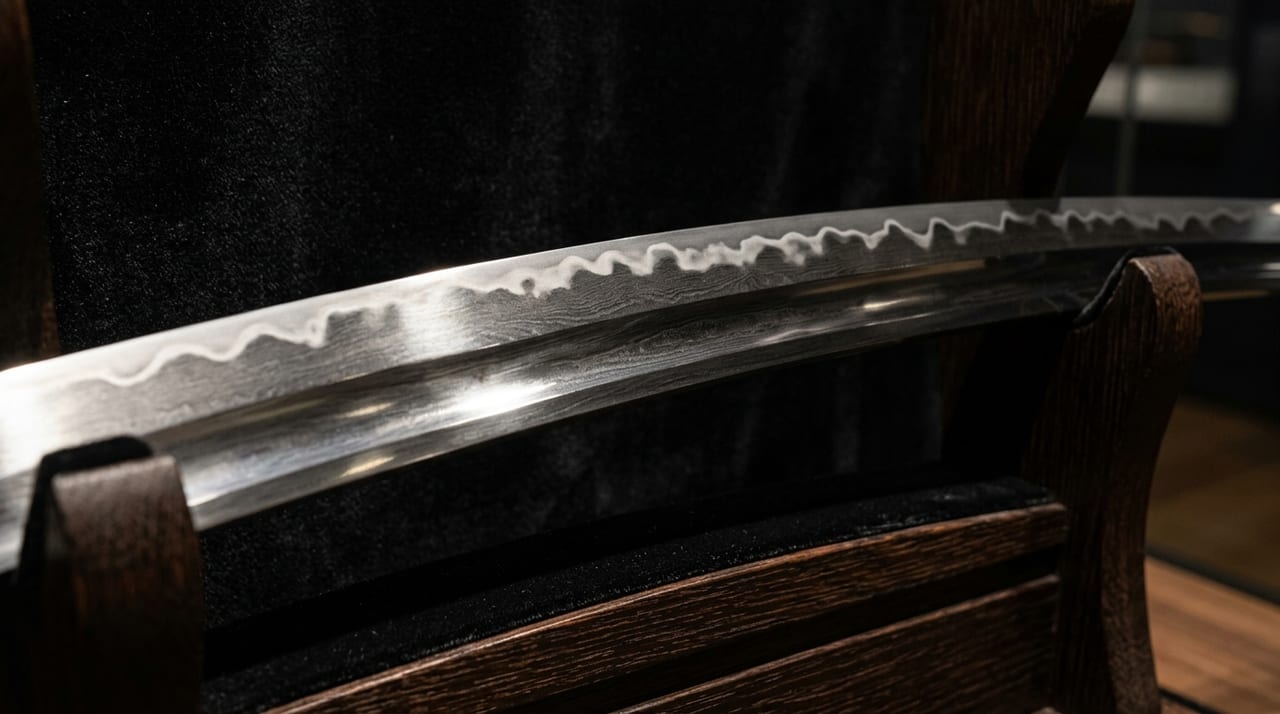
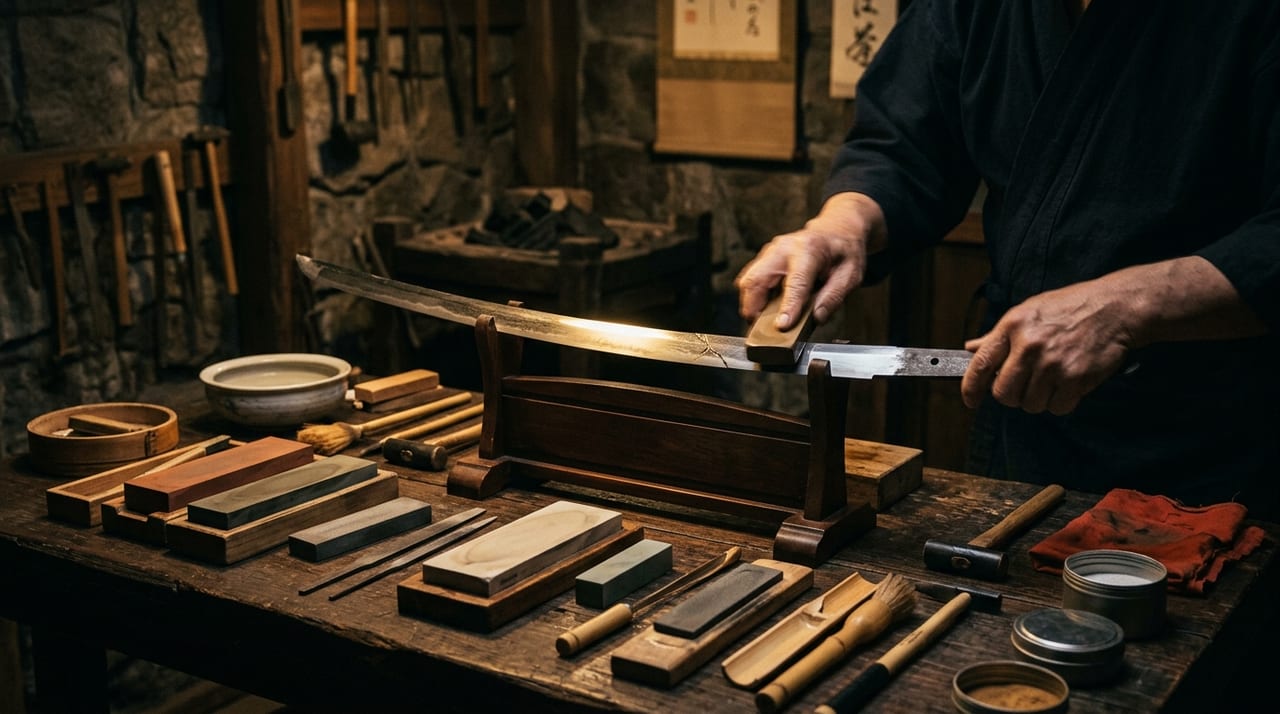
A detailed explanation of the final polishing stages of Japanese sword polishing—sashikomi and sashi-togi. Covers the types and purposes of stones used, the technical principles for enhancing hamon and jihada, and the togishi's guiding philosophy: not to 'polish' a sword but to 'reveal' its inherent beauty.
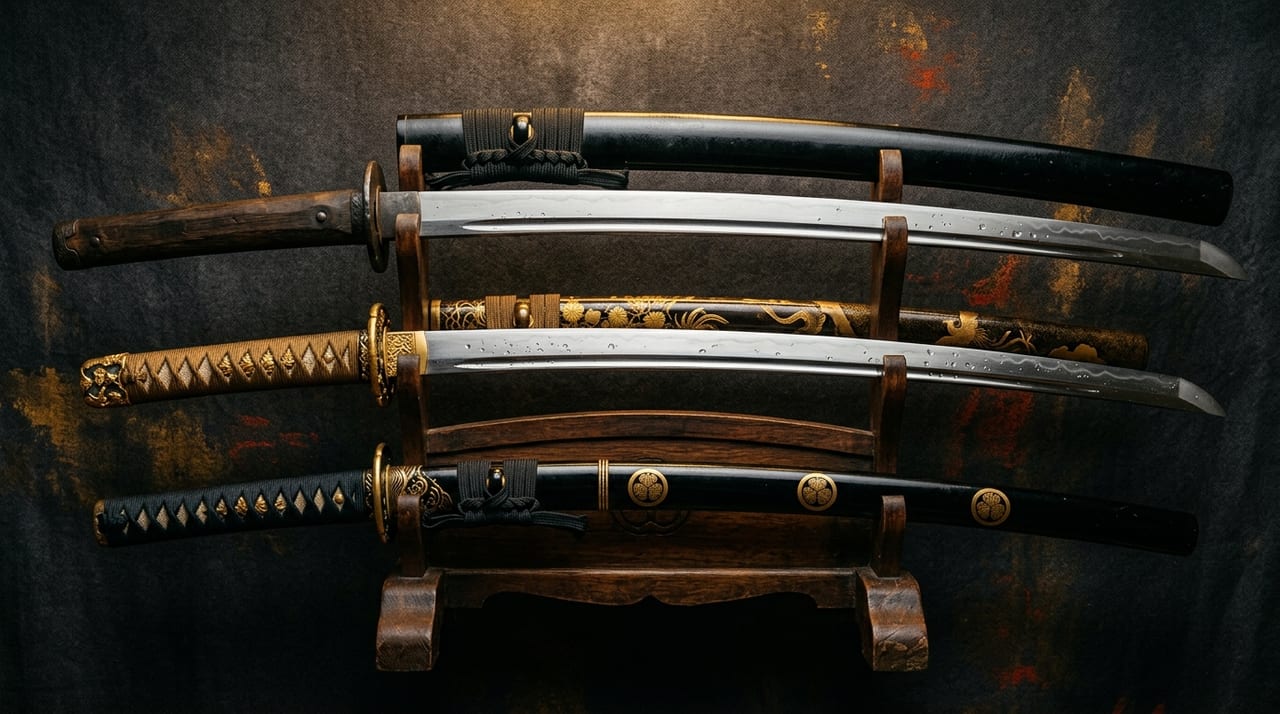
A regional comparison of how feudal lords in the Sengoku period utilized swords in their political, military, and cultural policies. Detailed examination of the pragmatism of Satsuma (Shimazu clan), the cultural policies of Kaga (Maeda clan), and the flamboyant decorative sword culture of Date (Date Masamune), highlighting the distinctive characteristics of each region.
A thorough structural dissection of shinogi-zukuri—the standard blade construction in Japanese swords. By comparing how the ridge line's position, the ridge surface's width, and the point's size changed over time, we trace the evolution of aesthetic values across historical periods.
A thorough comparison of quality differences between "military swords" mass-produced during Showa's wartime period and traditionally hand-forged Japanese swords. This article explains the characteristics of machine-forged blades (Showa swords), how to distinguish them from hand-forged military swords, and specific identification points regarding appearance, steel quality, and blade patterns.
A detailed explanation of repair techniques for broken and chipped Japanese swords. Answering the question "How far can a broken sword be repaired?", this piece explores the kintsugi-inspired "aesthetics of damage," the actual restoration techniques used by contemporary sword makers and polishers, and the criteria for deciding whether to restore a sword or leave it as is.
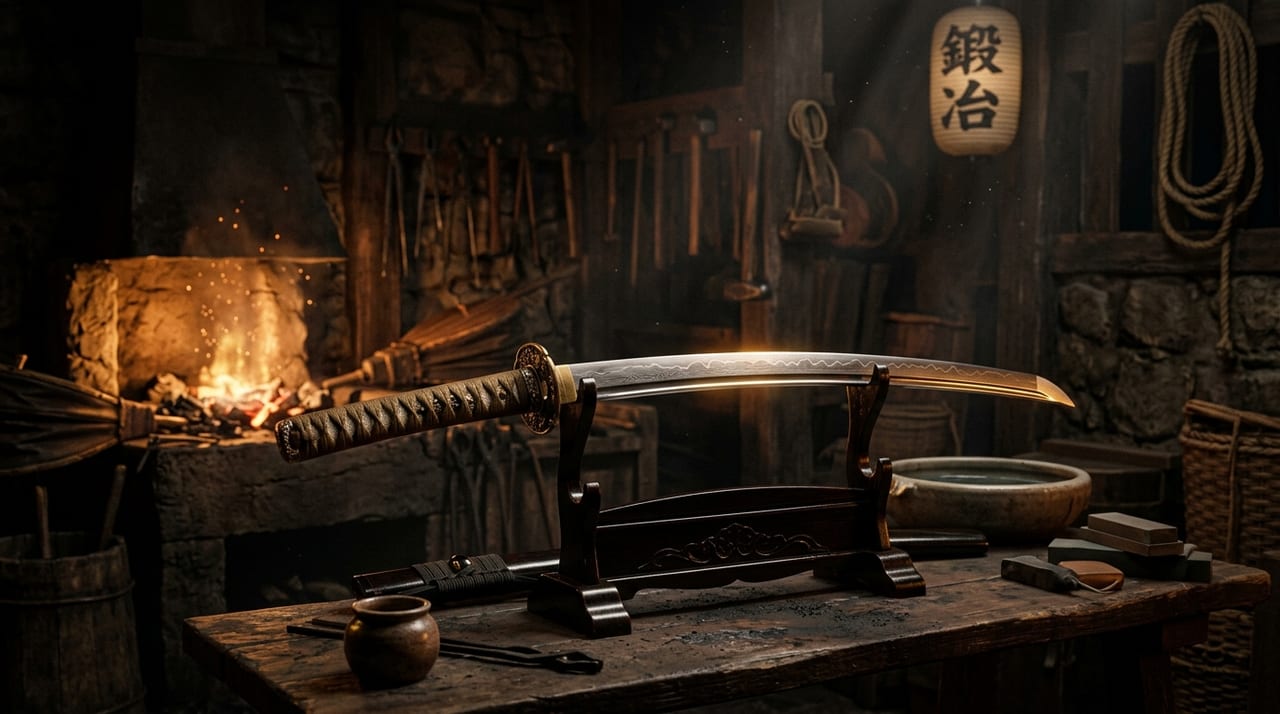
A detailed account of a modern Japanese sword smith's (刀工) actual day. From morning furnace preparation to evening finishing work—covering the work sequence, tools used, physical demands, and role division with apprentices—this article concretely introduces the actual reality of the smithy (かじば), which is generally unknown to the public.