最新消息 — 最新入荷資訊請查閱商品目錄。 查看 →
深入了解日本刀知識與文化的見解
Mune-yaki (棟焼き) is a special technique in which the mune section of a tōken (刀剣) is intentionally subjected to hardening treatment. By creating a hardened layer on the mune side separate from the hamon (刃文), it produces strength, aesthetic appearance, and an esoteric design effect. This explanation covers its manufacturing method and historical context.
Nikuoki (肉置き) refers to the arrangement of flesh in the blade's cross-sectional shape — that is, the design of the cross-sectional curve from the shinogi (鎬) to the blade point. This difficult-to-observe technique is a critical forging decision that influences sharpness, strength, weight, and curvature.
The modern shinobi-gatana (ninja sword) image derives from 1960s television dramas, not historical Sengoku-period sources. The article questions whether characteristic features like suguha (straight blade, 直刃) and kaku-tsuba (square guard, 方形鍔) are historically documented. Ninja actually prioritized firearms, poisons, and concealed weapons; swords served as backup. They used ordinary tanto (short swords) and wakizashi, not specialized ninja blades. While the modern fictional image has value in popularizing Japanese sword culture globally, understanding the historical reality—that ninja carried common short swords—enriches sword history knowledge.
A practical look at the business side of Japanese sword dealing, focusing on inventory management. Covers appraisal pricing for acquisitions, consignment fee structures, the economics of restoration costs, and how dealers control inventory turnover in a market defined by slow-moving, high-value assets.
Modern swordsmiths are subject to a strict annual production limit of 24 swords under the Cultural Agency's certification system. This entry examines the regulatory background, exceptional measures, and how swordsmiths sustain their business within these constraints.
Trial firing (tameshiyaki, 試し焼き) is the process in which a swordsmith, prior to the actual hardening (yaki-ire, 焼き入れ), uses small pieces of steel or test blades of the same material to verify how the hamon (刃文) develops, how the material responds, and the condition of the cooling medium. This 'rehearsal' becomes an important site of technical judgment that enhances the success rate of actual hardening.
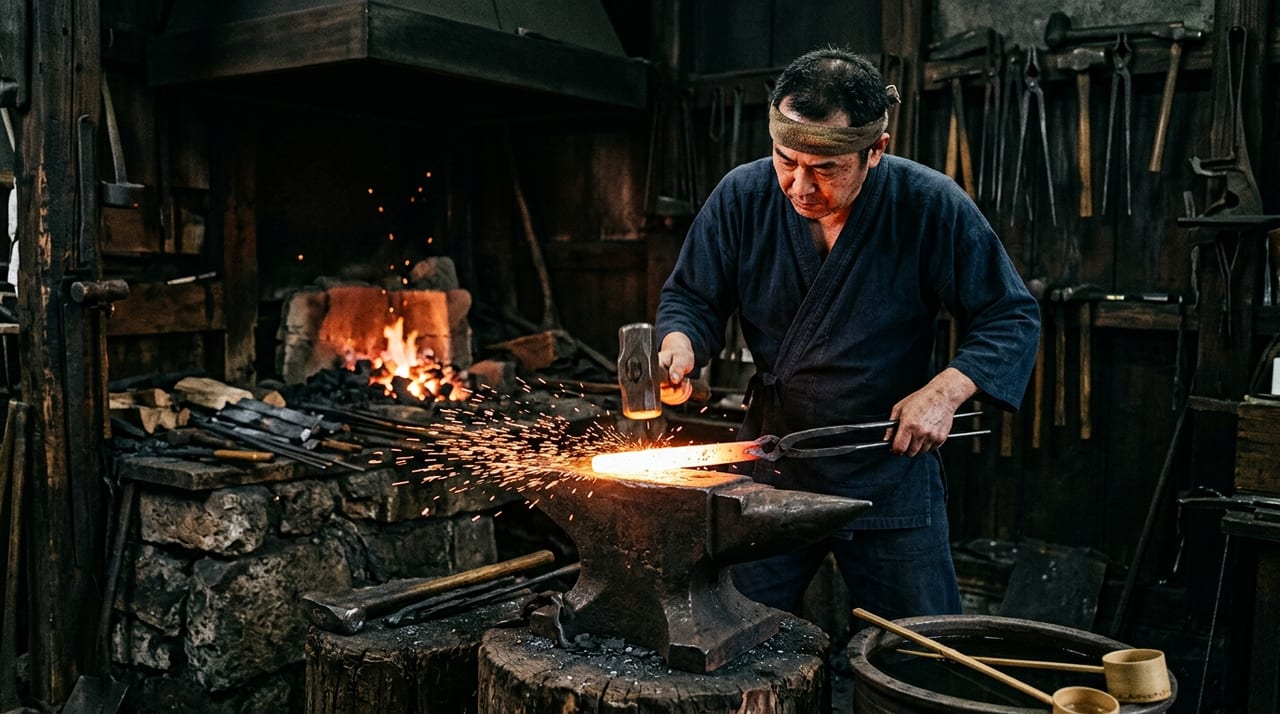
A detailed guide to forge-welding in the warikomi construction method, where swordsmiths wrap core steel in skin steel inside the furnace. Covers temperature control, judging the right moment to strike, and modern smiths' techniques for preventing weld failures.
Yakinaoshi (焼き直し) is the technique of re-hardening a finished Japanese sword, employed to restore lost hamon (刃文), repair broken blades, or modify blade patterns. The article examines why this technique was used from Edo-period fires to modern restoration, how the re-hardening process works, and its significant limitations: drastic reduction in appraisal value, risks of internal cracking and grain boundary corrosion, and the near-impossibility of accurately reproducing original complex blade patterns.
A technical explanation of ji-nie (fine martensite particles scattered across the blade surface), covering the role of carbon concentration distribution in martensite formation, the relationship to clay coating patterns, how strong versus faint ji-nie affects appraisal value, and the aesthetics of the nie-deki style exemplified by Soshu-den swords.
An examination of sword culture across the Keicho, Genna, and Kan'ei periods spanning 1596–1651, covering the birth and establishment of shinto (new sword) production, how the transition to peacetime reshaped blade aesthetics, and the leading swordsmiths and styles of this pivotal half-century.
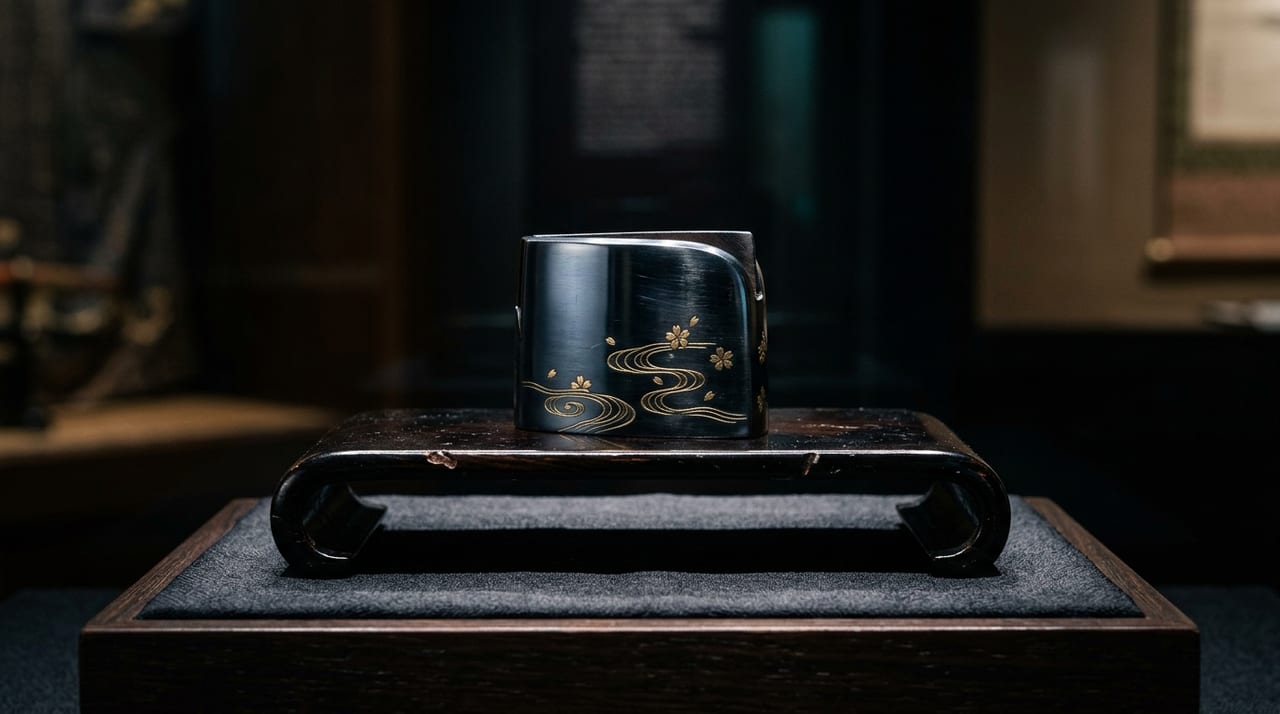
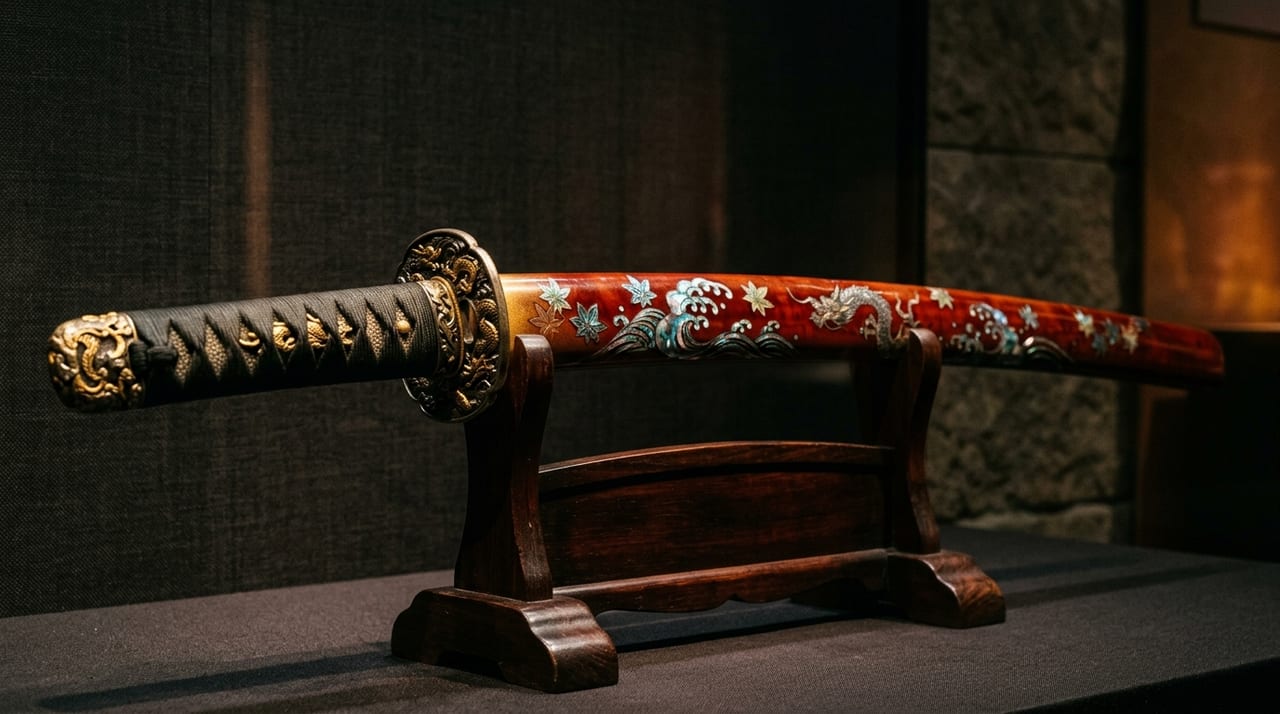
The lacquer arts applied to Japanese sword mountings—vermilion, aogai shell inlay, and ikakeji gold-powder ground—are among the most refined decorative crafts in Japanese art history.
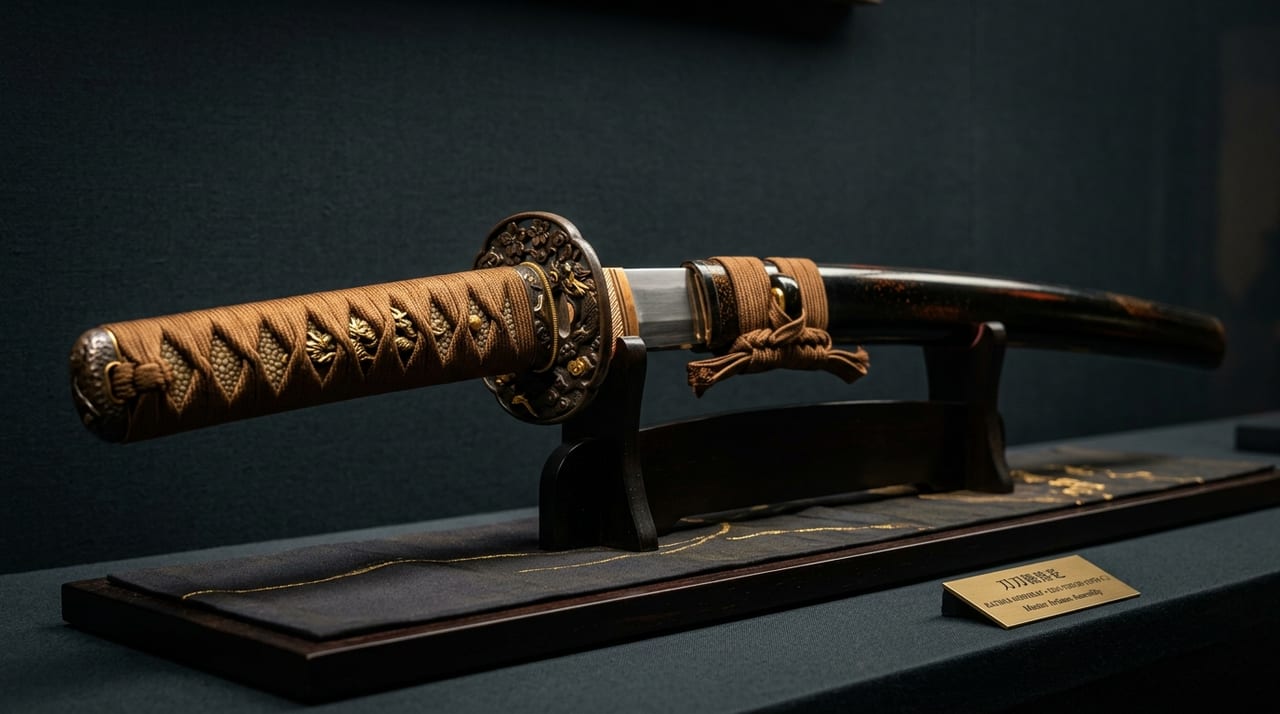
The koshiraeshi is the master craftsman who oversees the complete sword mounting, coordinating tsuba, menuki, saya, and tsuka-maki into a cohesive artistic whole.