最新消息 — 最新入荷資訊請查閱商品目錄。 查看 →
深入了解日本刀知識與文化的見解
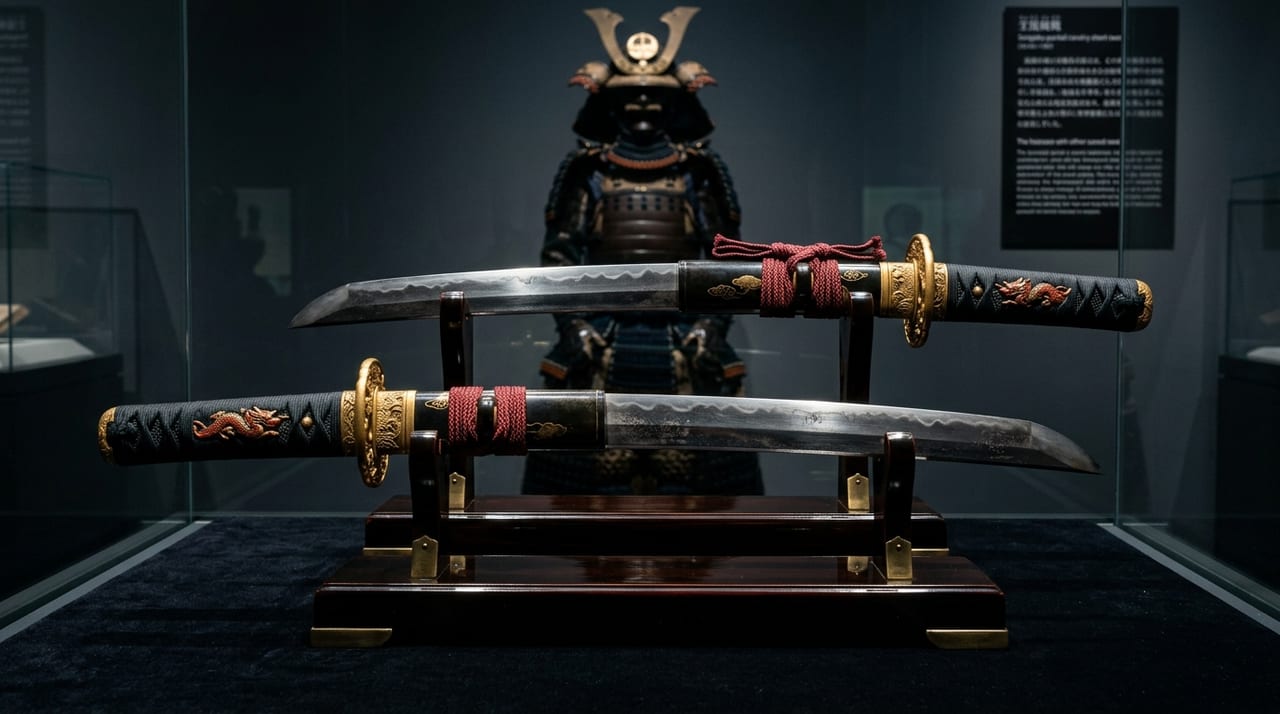
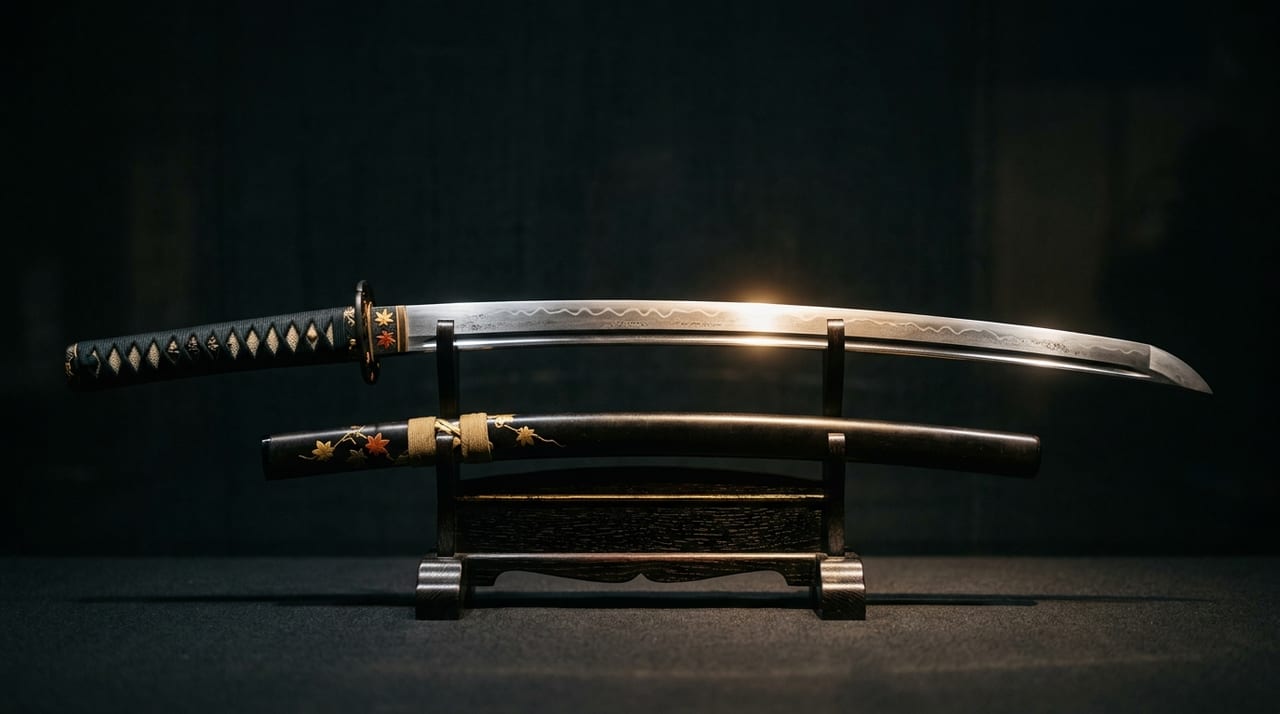
An examination of the metezashi, the short sword worn on the right (bow) side by mounted samurai during the Sengoku period, covering its structure, tactical role, relationship to the yundetezashi worn on the left side, blade morphology, surviving examples, and its place in contemporary sword collecting.
How Japanese sword dealers actually source their inventory, from auctions and estate clearances to overseas buyers and direct deals with swordsmiths.
A comprehensive look at how sword fairs, bid auctions, and antique markets work in Japan, covering the roles of organizers, consignors, and buyers, the difference between bid auctions and direct sales events, fee structures, major venues and schedules, and the impact of online platforms.
The Tokugawa Tsunayoshi era saw a profound shift from martial to civil rule. This article examines how those political changes transformed Japanese sword production, aesthetics, and market dynamics.
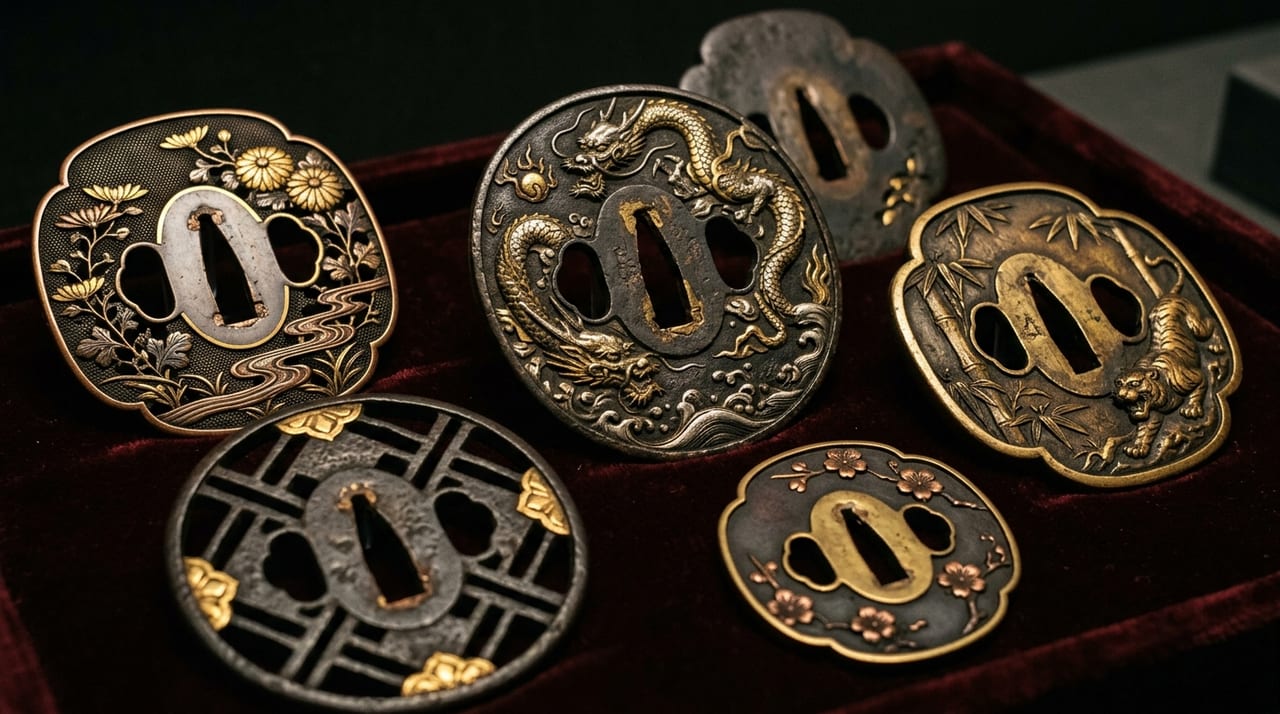
An explanation of when and how tsuba (sword guard) makers separated from swordsmiths to become an independent craft specialty, covering the evolution from Kamakura-period dual roles to Azuchi-Momoyama independence, Edo-period school formation, the master-apprentice system, and the contemporary tsuba artist scene.
Tsumiwakashi, the process of stacking and forge-welding multiple tamahagane pieces, is the foundational step before folding in Japanese swordmaking. This article examines the science and artisan intuition behind this critical process.
The five major sword traditions, Bizen, Soshu, Mino, Yamato, and Yamashiro, each developed distinctive steel surface patterns (jigane) reflecting their unique forging techniques and materials. By examining the hada (肌) grain patterns, including itame (板目), masame (柾目), and specialized features like nie (沸) and utsuri (映り), experts identify a sword's origin and maker. This guide explains the metallurgical basis for each tradition's distinctive characteristics and provides practical examination methods for distinguishing blades from these five major schools.
Horimono (刀身彫刻), or sword blade engraving, is an independent craft separate from swordsmithing and polishing, using self-made chisels and carving knives to carve dragons, Sanskrit characters, and grooves onto finished sword blades. Mastery requires at least ten years of apprenticeship, particularly due to the extreme hardness of tamahagane (玉鋼) steel, which necessitates precision tools, whetstones for maintenance, and excellent lighting. With fewer than fifty active practitioners nationwide, horimono represents one of Japan's rarest sword crafts. Techniques transmit exclusively through direct master-to-apprentice training.
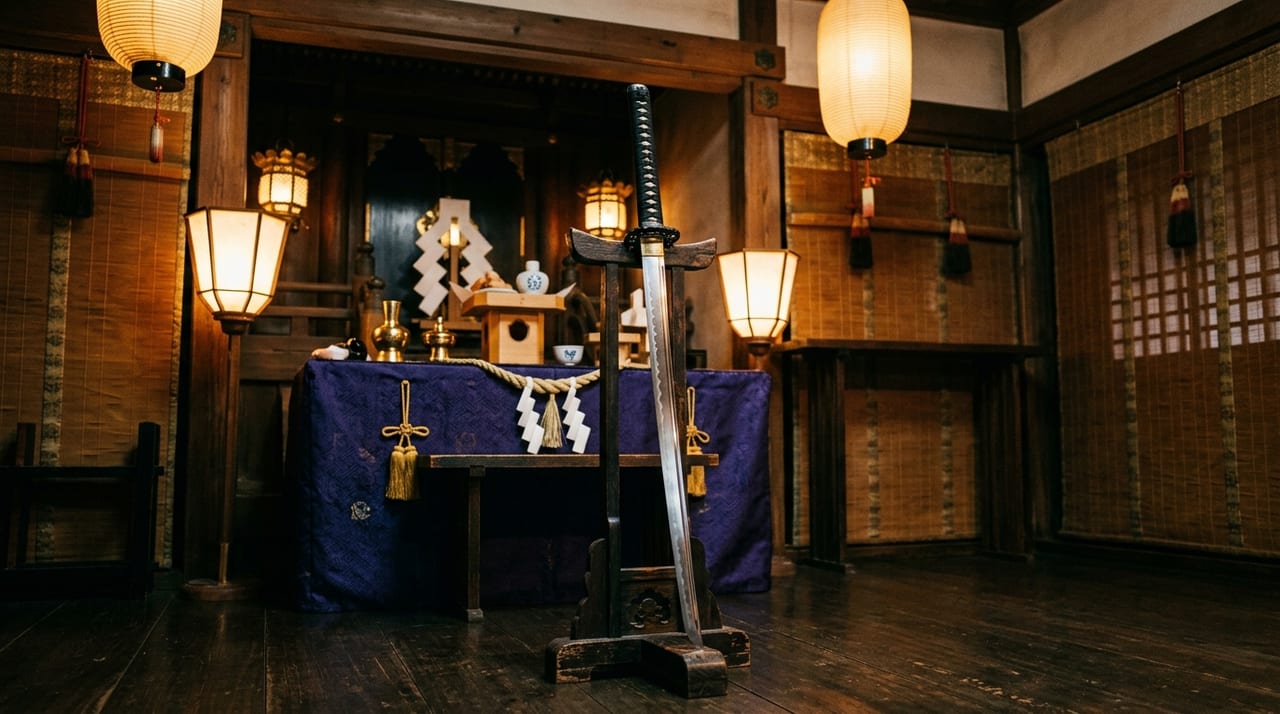
This article examines devotion to Kanayago Kami, the guardian kami of Japanese steelmaking and forging, and the actual practices of rituals, taboos, and ceremonies that sword smiths have preserved through generations. It illuminates the intersection of religious belief and master craftsmanship.
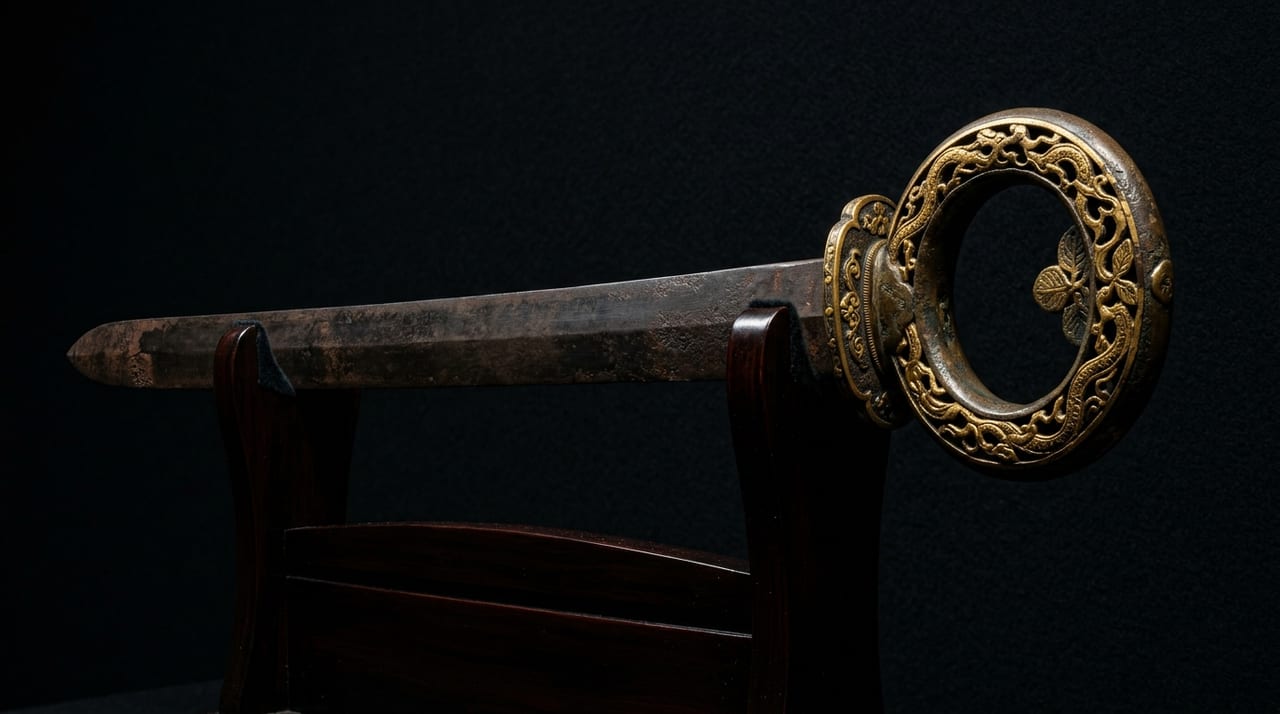
The kantotatchi (環頭大刀), a Kofun-period straight sword with a distinctive ring-shaped pommel, was transmitted from China via Korea around the 4th-5th century. Initially imported, kantotatchi began domestic production from the late 5th through 6th centuries, fostering Japanese metalworking techniques that became crucial to the development of the nihonto (日本刀).
The Kenmu Restoration (1333-1336) and the ensuing Nanboku-chō conflict brought transformative change to Japanese sword morphology and production systems following the Kamakura shogunate's collapse. Deprived of shogunal patronage, sword smiths sought support from various daimyo and religious institutions. This period witnessed the expansion of blade lengths, with nodachi (野太刀) and ōdachi (大太刀) exceeding 90 centimeters becoming mass-produced to meet the military shift from cavalry to infantry warfare. The article traces how this catalyzed the emergence of regionally distinctive sword-smithing traditions.
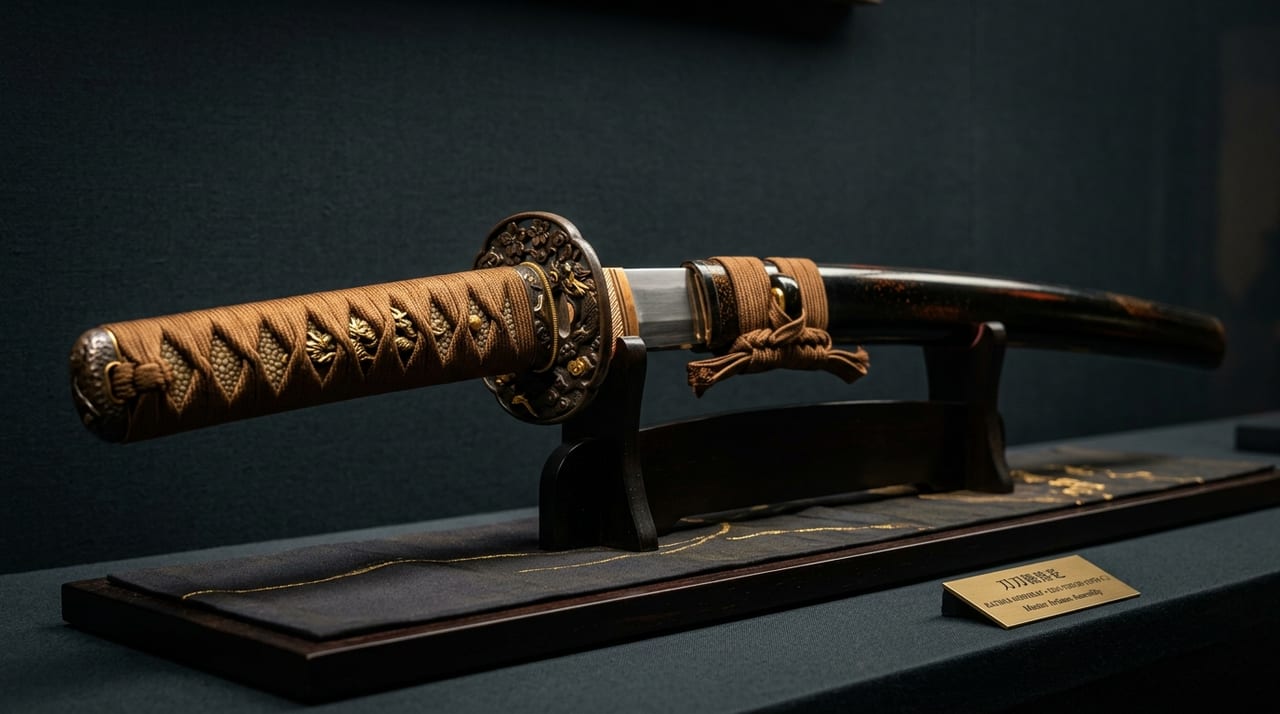
Kirikane is a Buddhist decorative technique using ultra-thin metal foils cut and affixed to create patterns. Applied to sword fittings (tōsōgu) from the late Heian period, the technique flourished under the Gotō family, who combined kirikane with nunome zōgan (布目象嵌) on shakudō (赤銅) to embody the highest standards of samurai ceremonial culture. The tradition continues today in cultural restoration and contemporary sword craftsmanship.