National Guide to Sword-Related Shrines and Temple Treasuries
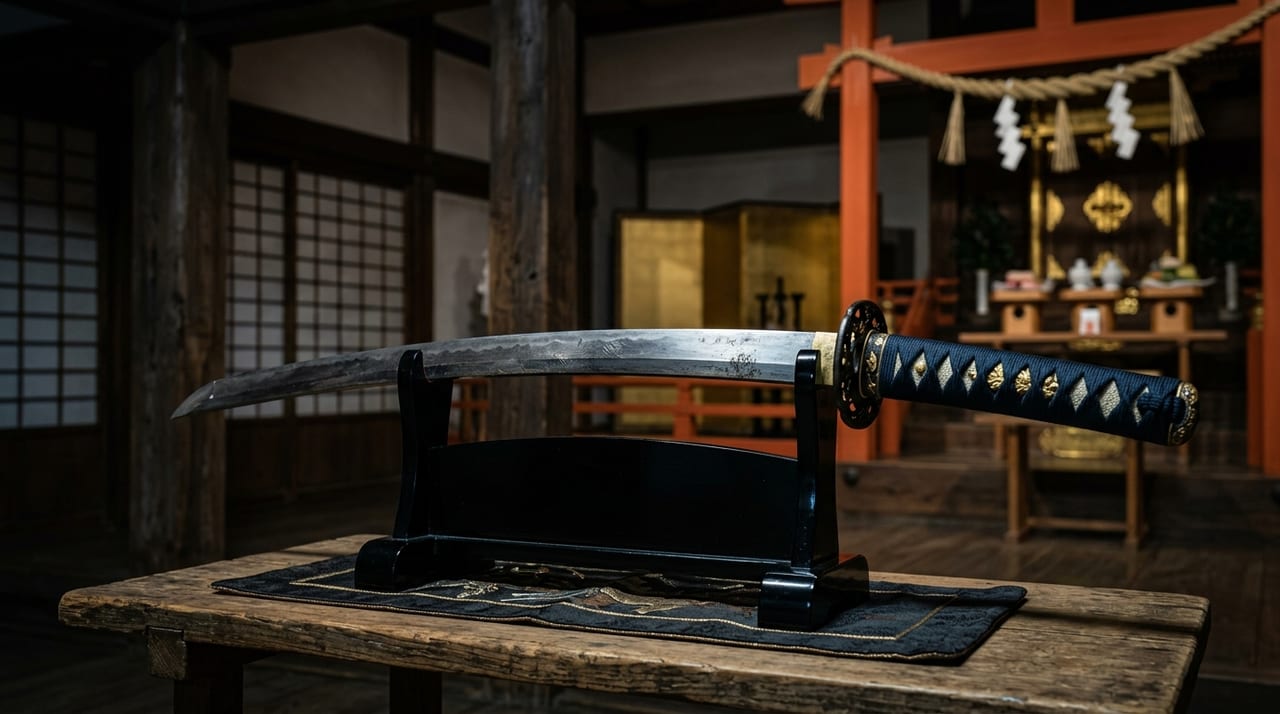 * Image is for illustrative purposes only.
Table of Contents
Introduction — The Origin of Japanese Swords Transmitted Through Sacred Blades
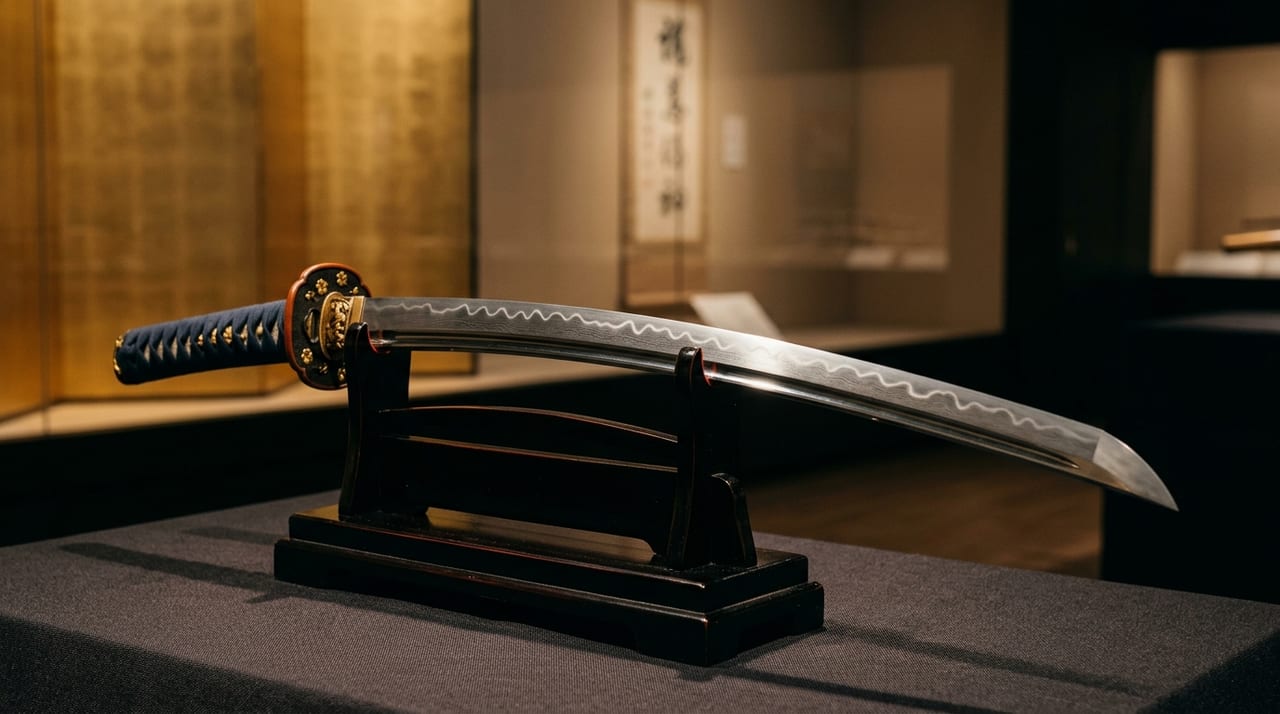
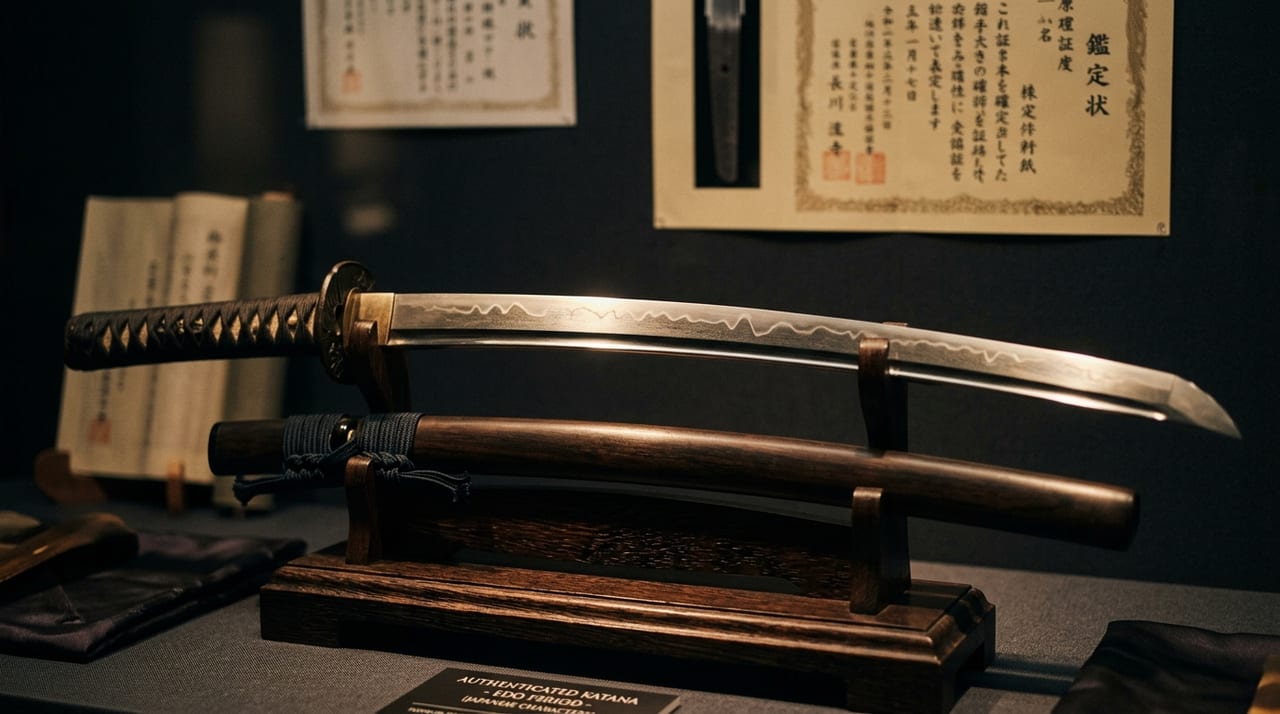
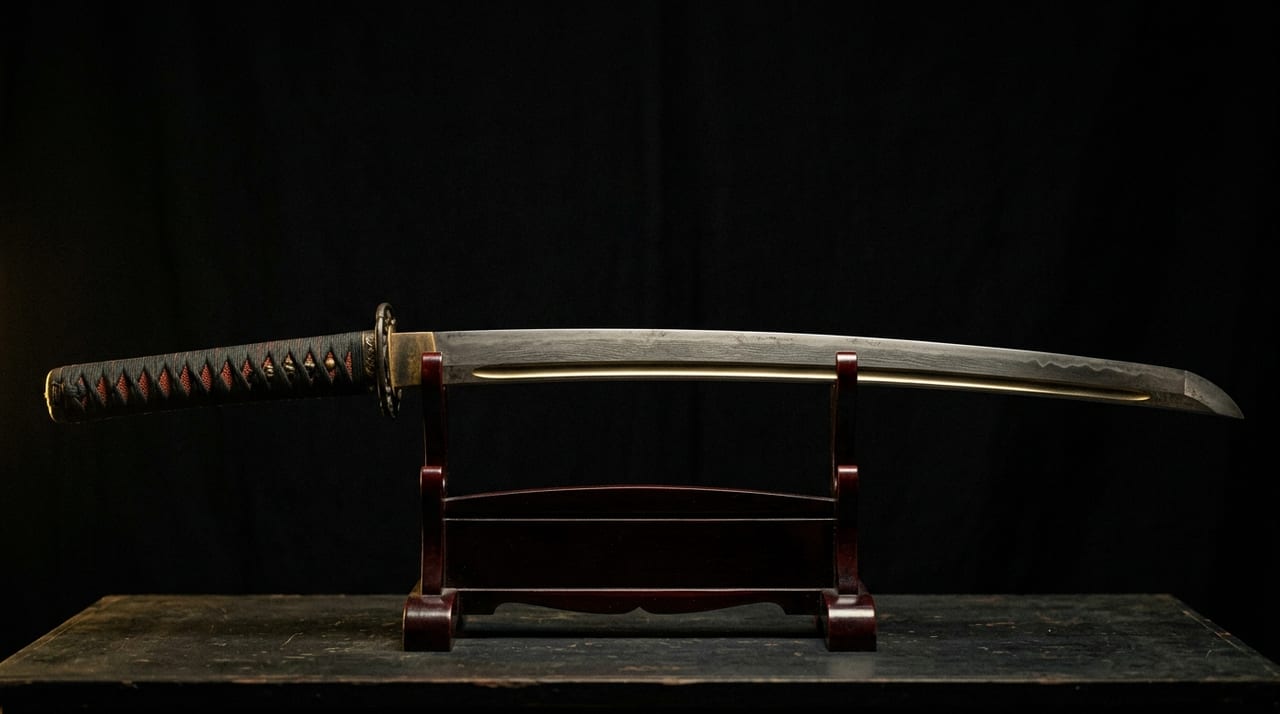
The history of Japanese swords traces back to the age of mythology. The concept of "sacred blades," exemplified by the Three Imperial Regalia, demonstrates that swords are sacred entities transcending mere weapons. Numerous precious blades are still preserved in shrines and temples throughout Japan—as treasured divine possessions of enshrined deities or historically dedicated swords. This article highlights particularly important shrine and temple treasure halls, explaining their origins, holdings, and public access information.
The following is an overview of the shrines and temples covered in this article, along with their associated swords and public access status.
| Shrine/Temple Name | Location | Associated Swords | Designation and Holdings Status |
|---|---|---|---|
| Isonokami Shrine | Tenri, Nara Prefecture | nanatsusaya no tachi | National Treasure. Not open to the public (stored in treasure vault) |
| Kashima Shrine | Kashima, Ibaraki Prefecture | Futsu no Mitama no Tsurugi | Not open to the public. Entrusted to and displayed at the Ibaraki Prefectural Historical Museum |
| Oyamazumi Shrine | Omishima, Imabari, Ehime Prefecture | Armor and swords (National Treasures and Important Cultural Properties account for approximately 40% of such pieces nationwide) | National Treasures and Important Cultural Properties. Treasure hall open year-round for admission |
| Shitennoji Temple | Tennoji Ward, Osaka | Shichiseiken | National Treasure (designated 1952). Entrusted to the Tokyo National Museum; not displayed on temple grounds |
| Tada Shrine | Tada-in, Kawanishi, Hyogo Prefecture | Swords and armor associated with the Minamoto clan | Treasure hall reported to be temporarily closed |
| Dazaifu Tenmangu Shrine | Dazaifu, Fukuoka Prefecture | kenuki-gata tachi | Important Cultural Property. Treasure hall (Kanko Historical Museum) open year-round for admission |
| Shirayama Hime Shrine | Sannomiya, Hakusan, Ishikawa Prefecture | Yoshimitsu-signed sword | Entrusted to the Ishikawa Prefectural Museum of Art |
Isonokami Shrine (Isonokami Jingu) — The Nanatsusaya no Tachi and Universal Guardian of Weapons
Isonokami Shrine, located in Tenri, Nara Prefecture, is known as one of Japan's oldest shrines. It has served as the ujigami (clan shrine) of the Mononobe clan and has been venerated as the universal guardian of weapons and martial arts. From ancient times, numerous weapons and swords have been dedicated and accumulated here, with the shrine enshrining the "Futsu no Mitama no Tsurugi" as its divine image.
Isonokami Shrine is famous worldwide for the "nanatsusaya no tachi" discovered within its grounds. This unique iron sword bears seven branched blades and is believed to have been presented to the Wa ruler from Baekje (Kudara) in the late 4th century. As a historical artifact corroborated with the Nihon Shoki, it is extremely important academically. It is designated a National Treasure and is normally not open to the public, though it is housed in the shrine's treasure vault.
Visitors may freely enter the shrine grounds for worship and observe the main hall and sacred chickens (tamed wild fowl kept at the shrine). While direct viewing of the nanatsusaya no tachi is not possible due to its non-public status, replica materials and related exhibits are available at the Tenri University Affiliated Tenri Reference Museum. The shrine is approximately a 25-minute walk from Tenri Station on the Kintetsu Tenri Line.
Kashima Shrine (Kashima Jingū) — The Futsu no Mitama no Tsurugi and the God of War
Kashima Shrine, located in Kashima, Ibaraki Prefecture, enshrines the god Takemikazuchi no Kami as its primary deity and has been deeply revered by warriors since ancient times as the premier shrine of eastern Japan. Veneration of the "Kashima deity" was also important as the ujigami of the Fujiwara clan.
The divine image of Kashima Shrine is the "Futsu no Mitama no Tsurugi," a sacred blade said to have been wielded by the deity Takemikazuchi no Kami in mythological times. While this sword is normally not open to the public, the treasure hall displays important cultural properties and important art objects including swords, sword fittings, and armor. The treasure hall has been in extended closure since 2018 (Heisei 30), and the shrine's sword collection, including the Futsu no Mitama no Tsurugi, is entrusted to and displayed at the Ibaraki Prefectural Historical Museum. Please confirm the current public access status before visiting.
The collection includes swords from the Nara and Heian periods, a transitional era from straight blades to curved swords, making them invaluable resources for understanding the development of Japanese swords. The shrine is approximately a 10-minute walk from Kashima Shrine Station on the JR Kashima Line. Admission to the treasure hall is charged; shrine grounds are open for free worship.
Oyamazumi Shrine (Oyamazumi Jinja) — A Collection of National Treasures and Important Cultural Properties Armor and Swords
Oyamazumi Shrine, located on Omishima in Imabari, Ehime Prefecture, enshrines the deity Ōyamatsumi no Kami, the god of mountains and seas, and is considered the head shrine of Yamatsumi and Mishima shrines nationwide.
The shrine's treasure hall boasts one of Japan's largest Japanese sword collections. Numerous suits of armor and swords dedicated by warlords in prayer for victory or in gratitude are preserved here. The number of armor and weapons designated as National Treasures and Important Cultural Properties is said to account for approximately 40% of all such pieces nationwide. The hall includes armor said to have been dedicated by Minamoto no Yoshitsune and treasures associated with Minamoto no Yoritomo.
The treasure hall displays a diverse range of swords from ancient to early modern periods, providing one of the few opportunities to observe blades up close. The shrine is approximately 15 minutes by car from Omishima Interchange or accessible by ferry from Imabari Port to Omishima/Miyaura Port. The treasure hall is open year-round for admission. Please check the official website for opening status before visiting.
Shitennoji Temple (Shitennoji) — The Shichiseiken and Treasures of Prince Shōtoku
Shitennoji Temple, located in Tennoji Ward, Osaka, is said to have been founded by Prince Shōtoku (Shōtoku Taishi) in 593 (the first year of Empress Suiko's reign) and is one of Japan's oldest state-sponsored temples. Prince Shōtoku is said to have used multiple swords, including the "Shichiseiken," to protect the Buddhist dharma.
The Shichiseiken is a straight sword with the pattern of the Big Dipper inlaid into the blade, designated as a National Treasure and said to have been a possession of Prince Shōtoku (designated in 1952). It is currently entrusted to the Tokyo National Museum and is not displayed at the Shitennoji Temple grounds, though the temple's treasure hall (admission charged) displays other treasures associated with the Prince. Note that display of the Shichiseiken at the Tokyo National Museum is not regular; it is typically shown during special exhibitions. For details, see the Shitennoji Treasure Hall facility page.
The temple is approximately a 5-minute walk from Shitennōji-mae Yūhigaoka Station on the Tanimachi Subway Line. Temple grounds are open for free worship; the treasure hall and temple interior are charged.
Tada Shrine (Tada Jinja) — Birthplace of the Minamoto Clan and Dedicated Swords
Tada Shrine, located in Tada-in, Kawanishi, Hyogo Prefecture, enshrines the ancestral spirits of the Seiwa Genji (Seiwa Minamoto clan), including Minamoto no Mitsunaka and Minamoto no Yorinobu, and is known as the "birthplace of the Minamoto clan." The Seiwa Genji had deep connections with Japanese swords, and the shrine preserves dedicated swords and armor associated with the clan.
The Tada Shrine treasure hall is reportedly currently closed. Please confirm the current access status via the official website or direct inquiry before visiting. The shrine grounds are open for free worship. For details, see the Tada Shrine Treasure Hall facility page.
From Kawanishi-Nose-guchi Station on the Hankyu Takarazuka Line, transfer to the Nose Electric Railway and exit at Tada Station, then approximately 10 minutes on foot.
Dazaifu Tenmangu Shrine (Dazaifu Tenmangu) — The Kenuki-gata Tachi and Treasures of Tenjin
Dazaifu Tenmangu Shrine, located in Dazaifu, Fukuoka Prefecture, is the head shrine of approximately 12,000 Tenmangu and Tenjin shrines nationwide, enshrining Sugawara no Michizane (Tenjin). The shrine houses numerous treasures associated with Michizane, and the treasure hall (Kanko Historical Museum) displays swords, calligraphy, and crafts.
Among the tachi held by the treasure hall is the "kenuki-gata tachi," designated as an Important Cultural Property. The kenuki-gata tachi is an ancient straight-bladed sword named for the openwork carving on the tsuka (handle), which resembles a kenuki (tweezers-like tool). It was used by nobility and warriors from the Nara through Heian periods. Note that the kenuki-gata tachi in the Dazaifu Tenmangu collection is designated as an Important Cultural Property, not a National Treasure.
The treasure hall (Kanko Historical Museum) is open year-round for admission, with displays rotated periodically. It is approximately a 5-minute walk from Dazaifu Station on the Nishitetsu Tenjin-Omuta Line. Details can be found on the Dazaifu Tenmangu Treasure Hall facility page.
Shirayama Hime Shrine (Shirayama Hime Jinja) — The Sacred Mountain Shrine of Heian-Period Ancient Swords
Shirayama Hime Shrine, located in Sannomiya, Hakusan, Ishikawa Prefecture, is an ancient shrine situated on the sacred mountain of Hakusan and is the head shrine of approximately 2,700 Hakusan shrines nationwide. Swords have been dedicated here since ancient times, and Heian-period ancient swords are preserved.
The sword known as "Yoshimitsu-signed sword" preserved at Shirayama Hime Shrine is entrusted to the Ishikawa Prefectural Museum of Art. The shrine's treasure hall does not display it directly; viewing opportunities depend on exhibitions at the Ishikawa Prefectural Museum of Art. Please check the museum's exhibition schedule before visiting. Commemorative seals related to Hakusan faith are available at the shrine office. For details, see the Shirayama Hime Shrine Treasure Hall facility page.
Accessible by bus or taxi from Kaga Onsen or Komatsu stations on the JR Hokuriku Line, or by Hakusan City Bus from JR Kanazawa Station (approximately 50 minutes).
Practical Advice for Visiting Shrine and Temple Treasure Halls
The following points are useful when visiting shrine and temple treasure halls throughout Japan.
- Importance of advance confirmation: Opening status, displayed items, and closure dates of treasure halls change frequently. Always check the official website of each facility before visiting to verify that desired treasures are on display. Pay special attention to temporarily closed or special-exhibition-only facilities.
- Verify entrusted locations: Many important swords are entrusted to museums and art museums. Even when visiting a shrine or temple treasure hall, treasures may be "entrusted and not on display," so it is advisable to also check the Tokyo National Museum and regional prefectural art museums.
- Take advantage of special exhibitions and planned exhibitions: Many treasures are only displayed a few times per year. Use the official social media of shrines and temples and "Bunkazai Online" (a database operated by the Agency for Cultural Affairs) to keep informed about special exhibitions in advance.
- Etiquette for viewing: Photography of treasures, including swords, is generally prohibited at most facilities. Confirm in advance or at the entrance whether photography is permitted. Additionally, keep in mind that shrines and temples are religious facilities, and conduct yourself respectfully.
Conclusion — The History of Japan Told Through Shrine and Temple Swords
As demonstrated by the nanatsusaya no tachi at Isonokami Shrine, the connection between swords and faith in Japan has continued from ancient times to the present day. Visiting shrine and temple treasure halls throughout Japan provides an opportunity to experience "the impact of authenticity" and "the reality of history" that cannot be obtained through literature or online photographs. By visiting various locations and feeling firsthand the history each sword has traveled, one's understanding of Japanese swords deepens considerably. TOUKENZA publishes columns and listings related to such historically significant swords. For inquiries, please use the contact form on our website.