The World of Overseas Collectors — Foreigners Who Love the Nihontō
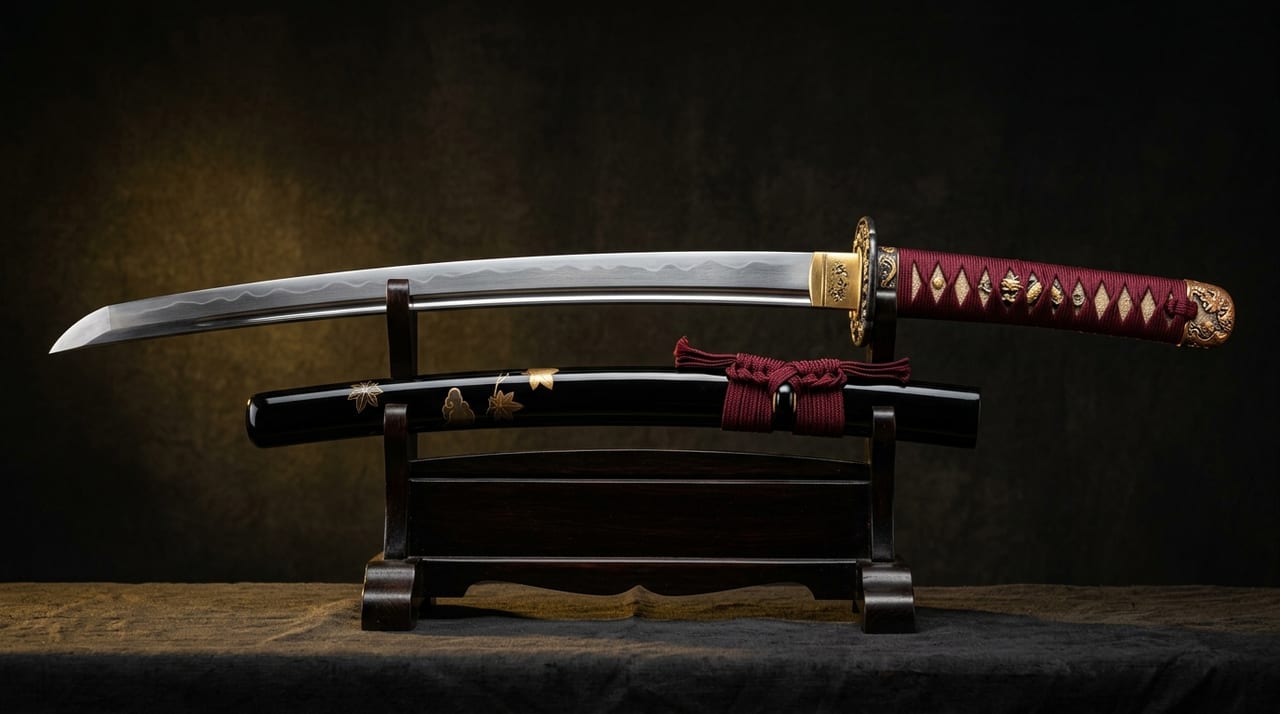 * Image is for illustrative purposes only.
Table of Contents
Why the Nihontō Captivates the World
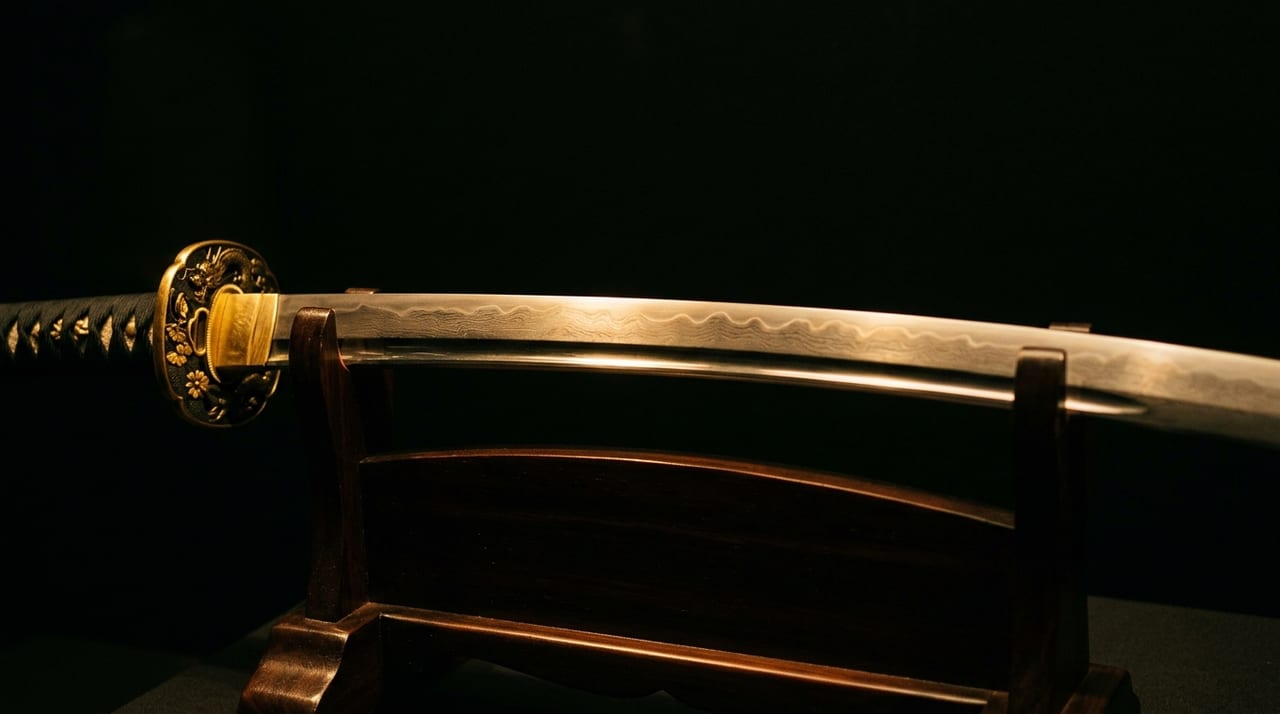
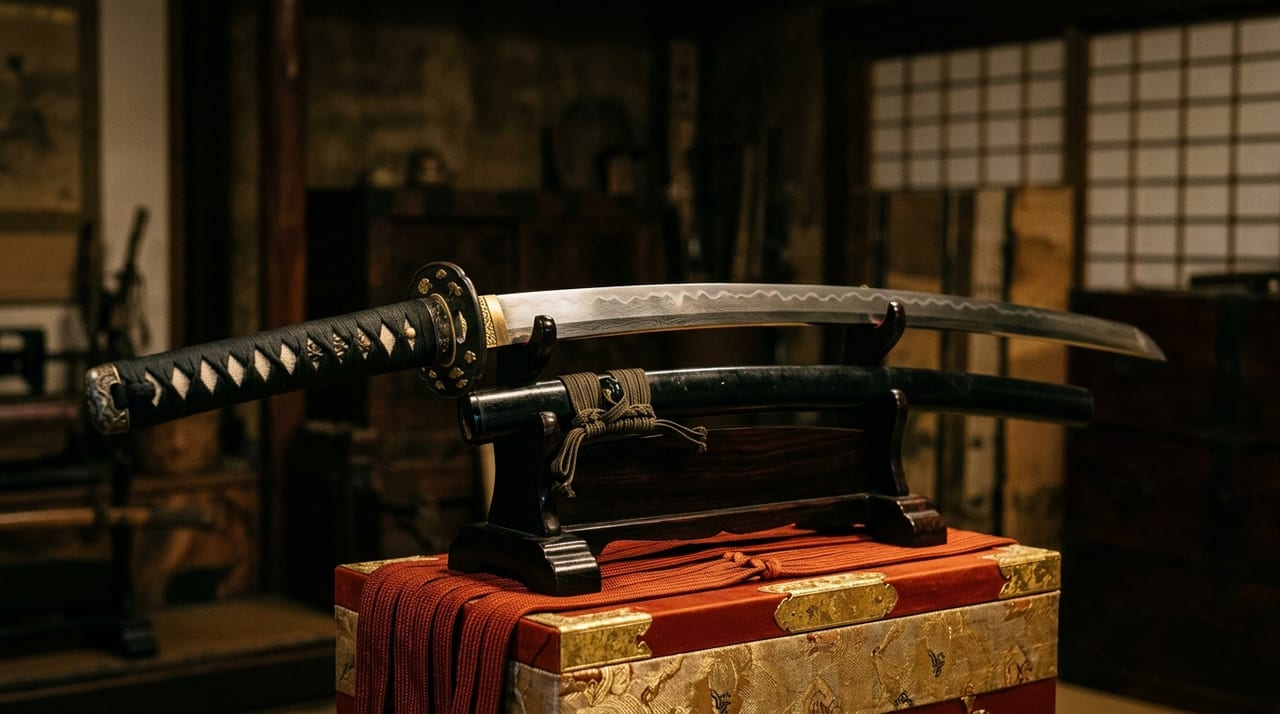
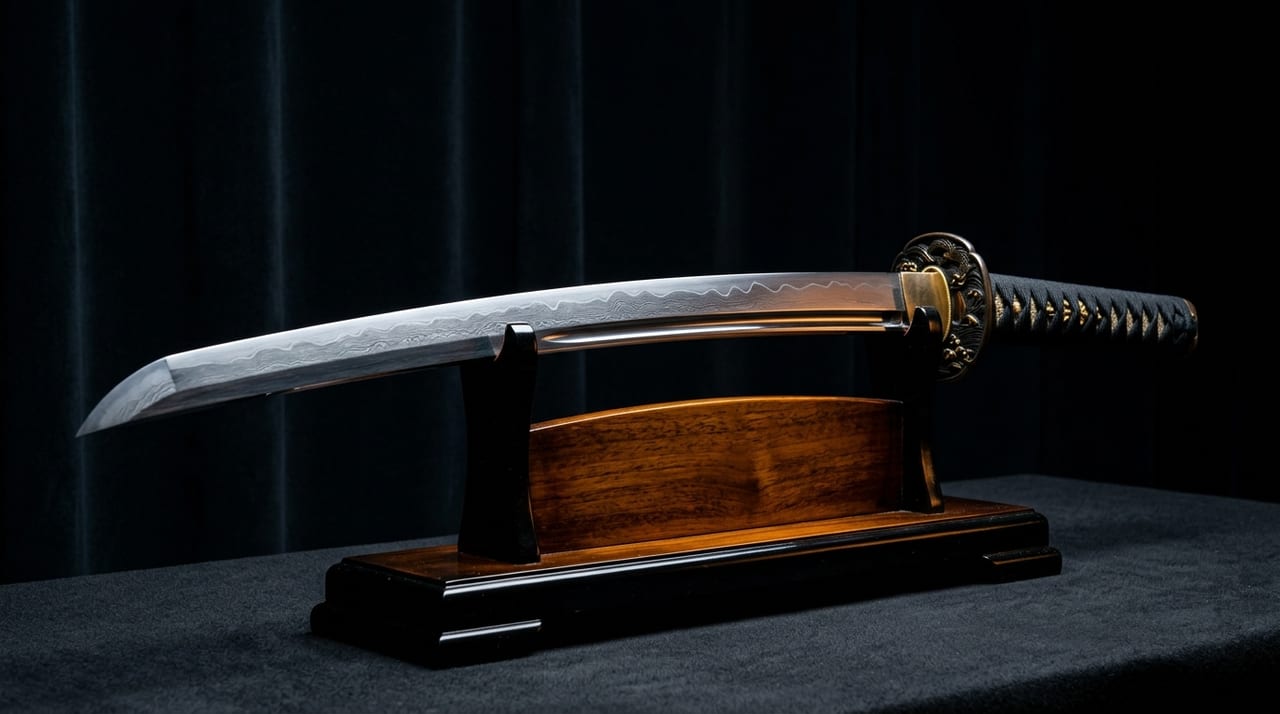
The nihontō is an unparalleled work of art born from iron, fire, and the skill of craftsmen. Its beauty far exceeds the realm of mere weaponry, and as a total art form in which forging technique, hamon, jigane, and form are united as one, it continues to captivate discerning eyes around the world.
Today it is said that tens of thousands of collectors exist outside Japan, with transactions worth hundreds of millions of yen per year taking place through auctions and private sales. The reason people from foreign cultures are drawn to the nihontō across the language barrier lies in the "consummate beauty" and "inexhaustible history" that each blade possesses.
America: Passionate Enthusiasts Forming the Largest Overseas Market
North America boasts the largest nihontō collector community outside Japan. At its center is the JSSUS (Japanese Sword Society of the United States), whose membership numbers in the hundreds. At its annual convention, research presentations, appraisal sessions, and auctions are held, providing a lively forum for collectors to exchange information.
American collectors are particularly interested in kotō from the Nanbokuchō through the Muromachi period, as well as shintō by master smiths of the Edo period. Masterworks of Bizen-den and Sōshū-den are highly regarded, and tachi of the Osafune school and Sōshū pieces descended from Masamune and Sadamune can command prices of tens of millions of yen for examples in fine condition.
In America, there is also a deep-rooted interest in tōsōgu (koshirae). Many collectors specialize exclusively in metalwork such as menuki, tsuba, kozuka, and kōgai, and works by the Gotō family and Yokoya Sōmin are especially popular.
Germany and Europe: Scholar-Collectors Approaching the Subject with an Academic Eye
Germany, known as the country with the largest nihontō collector community in Europe, draws enthusiasts of a high scholarly standard through organizations such as the DGOK (Deutsche Gesellschaft für Ostasiatische Kunst).
What sets collectors in the German-speaking world apart is an academic attitude that goes beyond aesthetic appreciation — they seek to read Japanese historical documents and illustrated catalogues in the original language. It is not uncommon for them to carry out meticulous analyses of hamon activities (utsuri, kinsuji, sunagashi) and kitae-hada of the jigane (itame, masame, mokume) and compile their findings into papers or self-published journals.
In France, many collectors entered the world of swords through martial arts culture such as judo, aikido, and kendo. The route of first encountering "the sword as a tool" through martial arts and then falling ever deeper into it as a work of art is a pattern common across Europe as a whole. The fact that prominent museums such as the Wallace Collection in the United Kingdom display nihontō in their permanent collections has also contributed to raising awareness across Europe.
Asia: Strong Demand from Taiwan, China, and Korea
Within Asia, Taiwan attracts the most passionate nihontō collectors. With a deep affinity for Japanese culture rooted in the historical background of the Japanese colonial era, Taiwan sees active trading in high-value pieces, centered on wealthy buyers. Regular nihontō auctions are held in Taipei, and demand for gendaitō and works by Living National Treasures is also high.
On the Chinese mainland as well, the collector population is growing rapidly. Among affluent buyers in Shanghai, Beijing, and Shenzhen, a movement has spread to position the nihontō as a fine art object with high asset value, and this has become one factor driving up nihontō prices overall. Even mumei swords that possess fine jigane and hamon tend to trade at high prices.
What Collectors See in a Sword: The World of Appreciation
Appreciating a nihontō is not simply a matter of gazing at it and thinking "how beautiful." The points collectors focus their eyes on are mainly the following.
- Form (sugata): the shape of the point, the degree of sori, the balance between motohaba and sakihaba
- Jigane: the fineness of the kitae-hada and the brilliance of the ji-nie
- Hamon: the undulation of the white pattern along the edge and the richness of its activities (lively景色)
Collectors around the world cultivate their own aesthetic eye while carefully building relationships with Japanese togishi, saya craftsmen, and sword dealers. Not a few collectors overcome the language barrier to bring their swords in person to be assessed by the Society for the Preservation of Japanese Art Swords.
The Role TOUKENZA Plays: A Bridge to the World
The common challenge faced by overseas collectors of diverse backgrounds is the problem of "access to information" and "reliable trading partners." The provenance of nihontō, how to read a kanteisho, and legal procedures — particularly import and export regulations — are complex, and the language barrier poses a further obstacle.
TOUKENZA offers an online catalogue and columns in five languages — Japanese, English, German, French, and Traditional Chinese — and aims to serve as a bridge connecting nihontō with enthusiasts around the world. A multilingual column structure that answers collectors' desire to know, from explanations of specialized terminology to introductions of the history and techniques behind each sword, together with an online end-to-end flow for browsing, purchasing, and enquiries, forms the foundation of global trust.
The nihontō moves people's hearts across national borders. It is here that our mission lies — to share that universal beauty with as many people as possible.