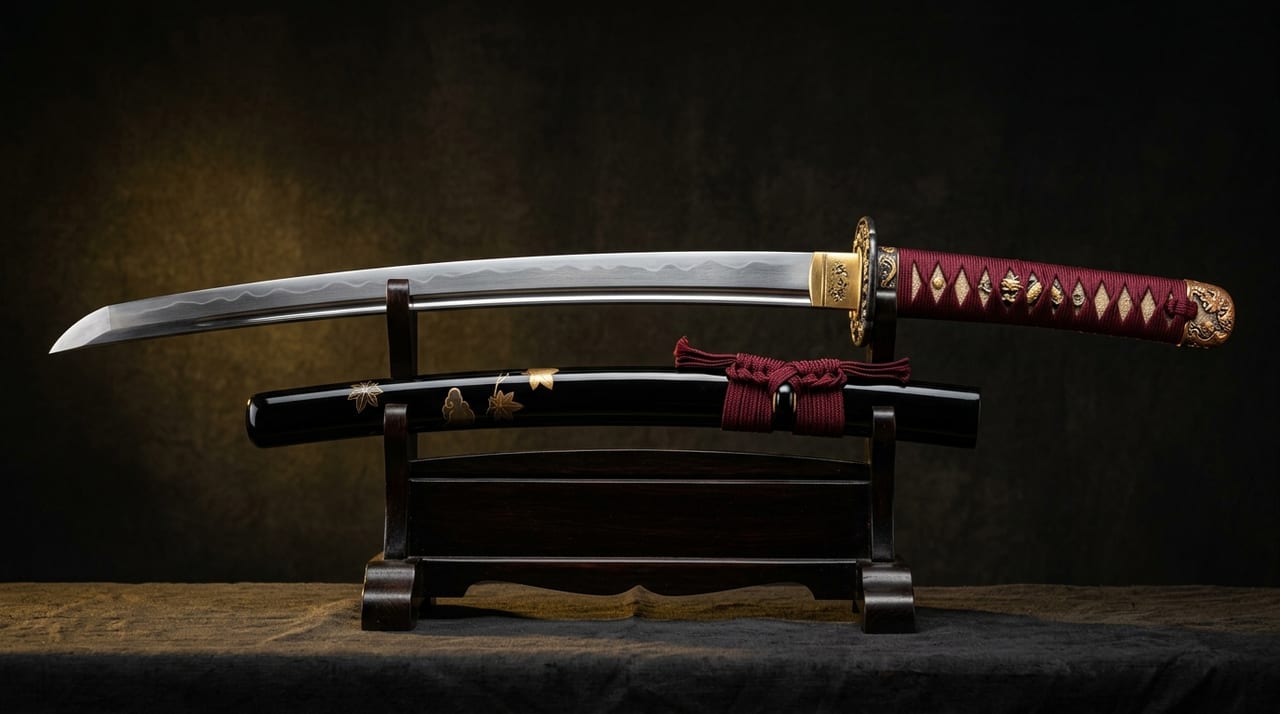
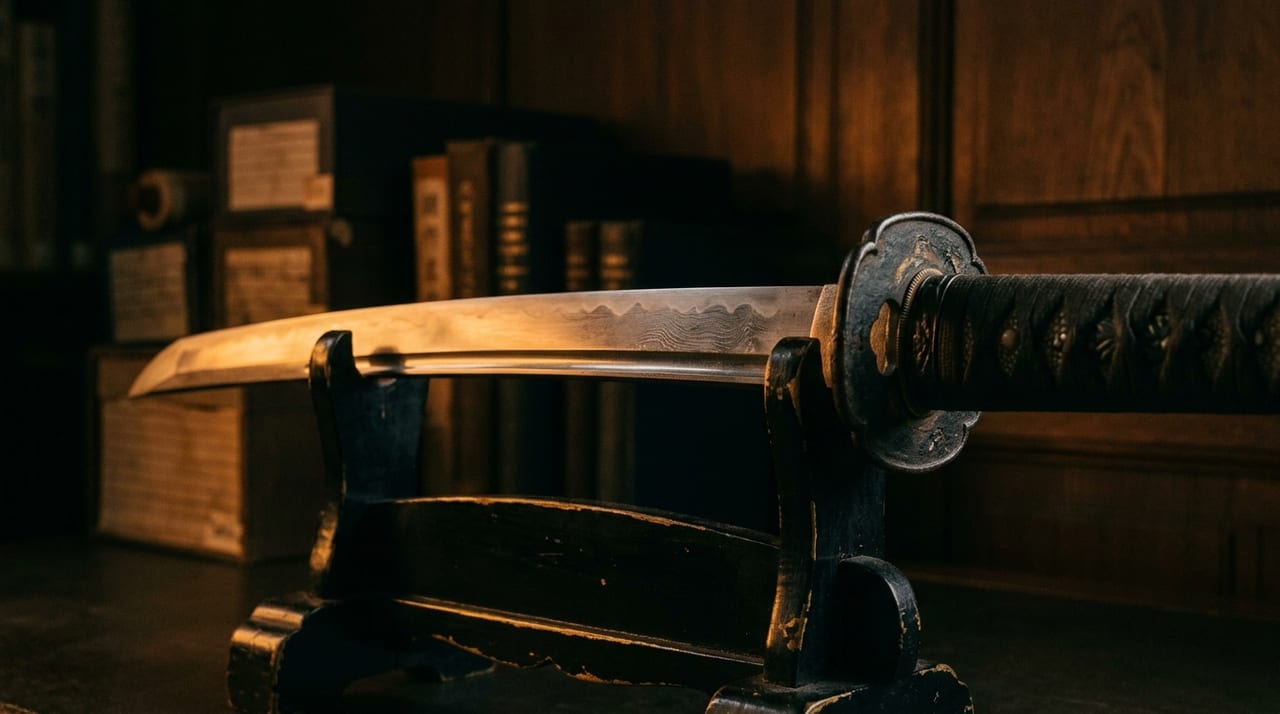
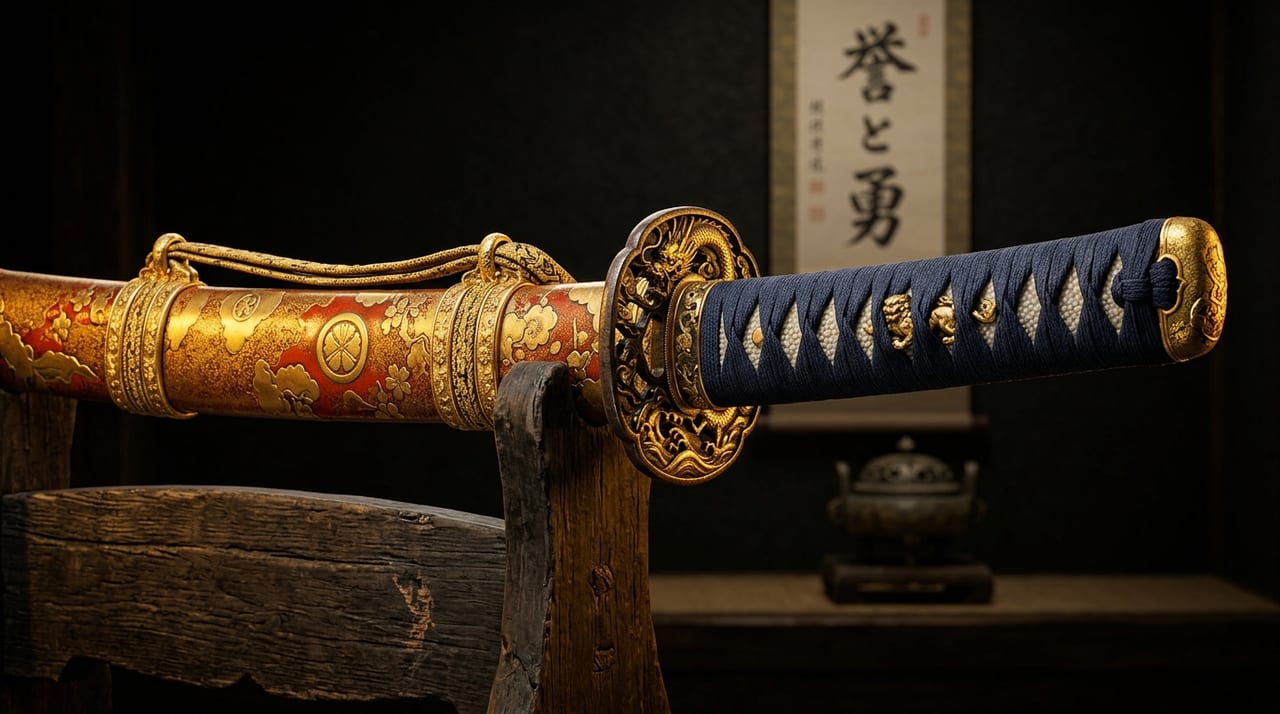
How Foreign Visitors Experience Japanese Sword Culture: Forging Workshops, Iaido Classes, and the Challenges of Tourism Development
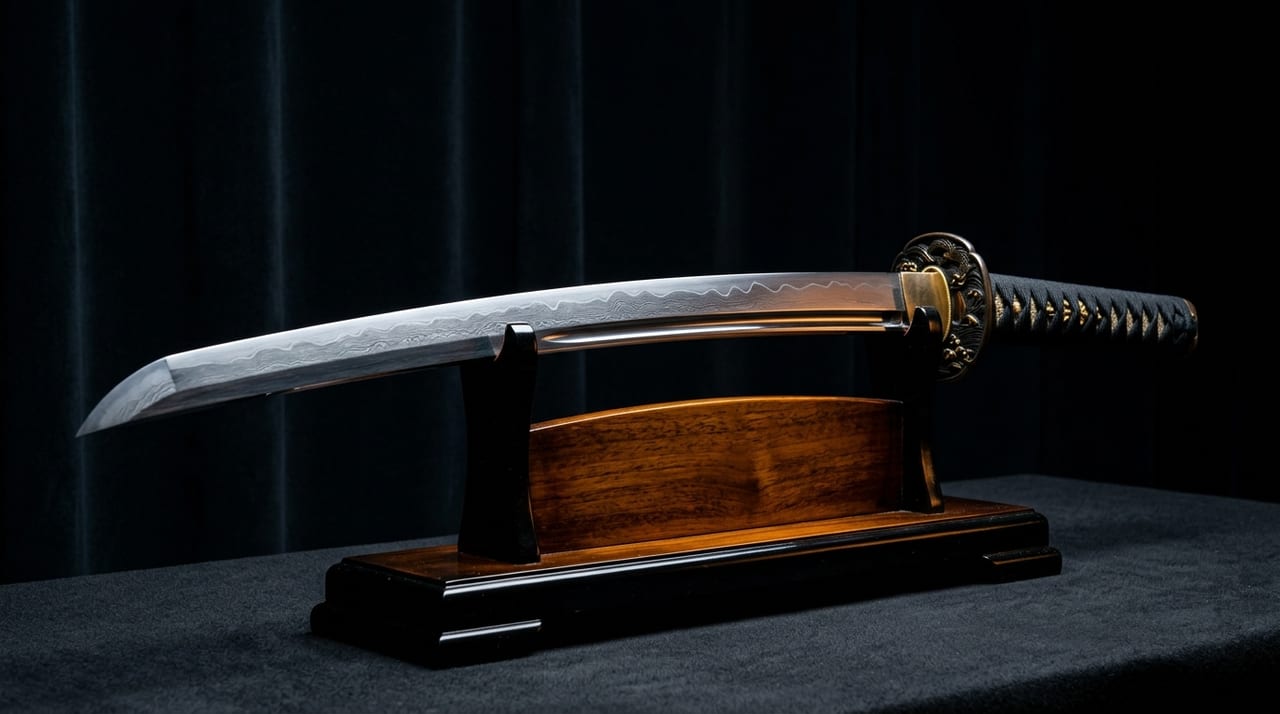 * Image is for illustrative purposes only.
Table of Contents
Why Are Foreigners Attracted to Japanese Swords?
In recent years, interest in Japanese swords among foreign visitors to Japan has clearly increased. There are multiple factors behind this.
- Familiarity with sword characters through anime, films, and games
- Visits by martial arts enthusiasts who have trained in iaido and sword techniques overseas
- Growing interest in Japanese craftsmanship in general
According to surveys by the Japan National Tourism Organization, foreign visitors show high satisfaction with experiential content, and Japanese sword culture is drawing attention as a potentially high-value experiential resource that combines three elements: craftsmanship, martial arts, and history.
Among martial arts enthusiasts in Europe and North America, there is growing demand for deeper engagement, not just consuming Japanese swords as tourist souvenirs, but wanting to "see an actual forging workshop" and "hold a real sword and take a stance." Compared to other Japanese traditional crafts, Japanese swords possess a special presence that combines functional beauty, spiritual significance, and historical complexity.
Current State of Sword Forging Workshop Tours
Opportunities to visit active sword smiths' forging workshops are limited even within Japan. Under the cultural qualification system of the Agency for Cultural Affairs, the number of registered sword smiths operating nationally has been in decline in recent years, and surveys from around 2017 estimated approximately 180 active smiths. Only a portion of these workshops accept outside visitors.
Most sword smiths who accept visitors tend to prioritize "people with genuine interest in swords" over tourists visiting for sightseeing purposes. Operating costs for hosts are also high, including photography restrictions, limited viewing times, and the need for interpreters. Some sword smiths have systematized viewing tours through partnerships with travel agencies and NPOs, and a model of guiding small groups with English-speaking guides in attendance is beginning to function.
Sword smithing work changes its process depending on the season and condition of the steel, making it difficult to show "forging scenes" on specific dates. Therefore, advance reservations, limited capacity, and flexible scheduling have become the realistic operational model. In places like Seki City in Gifu Prefecture, initiatives that leverage the region's blade-making heritage brand by combining sword forging workshop tours with local tourism have emerged, and are drawing attention in the context of regional revitalization.
Expansion of Iaido and Sword Techniques Experiences
Dojos and organizations offering iaido and sword techniques to foreign visitors are increasing, centered in Tokyo, Kyoto, and Osaka. Most offer safe experience programs using practice swords (imitation swords) rather than real swords, though some facilities also offer practice cutting experiences using sand bags for advanced participants.
At experience dojos with English-speaking instructors and staff, programs are packaged as "samurai experiences" and typically offered at around ¥10,000 for 1-3 hour sessions. When combined with kimono and hakama dressing services, the visual appeal of the experience is further enhanced.
Programs are also emerging that include classroom sessions explaining basic knowledge of Japanese swords—such as the names of parts, how to read hamon, and differences in form across time periods—going beyond mere "sword-swinging" experiences. Some advanced dojos have adopted a system where participants take home a "practice record card" documenting their experience, helping to cultivate repeat visitors.
Multilingual Support and Educational Programs at Japanese Sword Museums
Sword museums in Tokyo, regional history museums, and shrine treasure halls that house Japanese swords are advancing multilingual support for foreign visitors. Main initiatives include setting up English audio guides, pamphlets, and explanatory panels. Some facilities have foreign language volunteer guides on staff who provide detailed explanations for each exhibit.
The challenge is conveying sword terminology accurately and clearly in foreign languages. Since literal translation alone is insufficient, some facilities are experimenting with supplementary explanations using visual materials and hands-on exhibits where visitors can touch actual pieces. The Japanese Sword and Art Museum in Ryogoku, Tokyo hosts appraisals by the Society for Preservation of Japanese Art Swords, with increasing participation by foreign collectors. Strengthening support for English speakers is recognized as a challenge in this context of appraisal and collection.
Challenges and Prospects for Developing Japanese Swords as a Tourism Resource
To make Japanese sword experiences a sustainable tourism resource, there are several structural challenges.
- Craftsperson and dojo reception infrastructure. Accepting visitors and providing experiences can potentially interfere with sword smiths' and dojos' primary work. Regular, limited-capacity programming is needed rather than low-profit ad-hoc responses. To function as income for hosts, appropriate pricing of experiences and efficient reservation management are essential.
- Safety management and legal considerations. Experiences using real swords involve regulations under the Swords and Firearms Prohibition Law. Even when using practice swords, ensuring participant safety and clarifying instructor qualifications and responsibilities are necessary. When targeting foreign participants, ensuring clear communication through language becomes an important safety requirement.
- Content development. Simply "swinging a sword" won't maintain satisfaction levels long-term. Designing a "comprehensive Japanese sword experience" that integrates history, craftsmanship, and martial arts is key to attracting repeat visitors and high-spending customers.
Foreign visitors' interest in Japanese sword culture is moving beyond mere souvenir consumption toward deeper cultural understanding and appreciation for authenticity. Building an experiential ecosystem that integrates workshop tours, martial arts experiences, and museum education will be the next phase of Japanese sword inbound tourism.