Regional Swords — The Hidden Appeal of Provincial Smiths
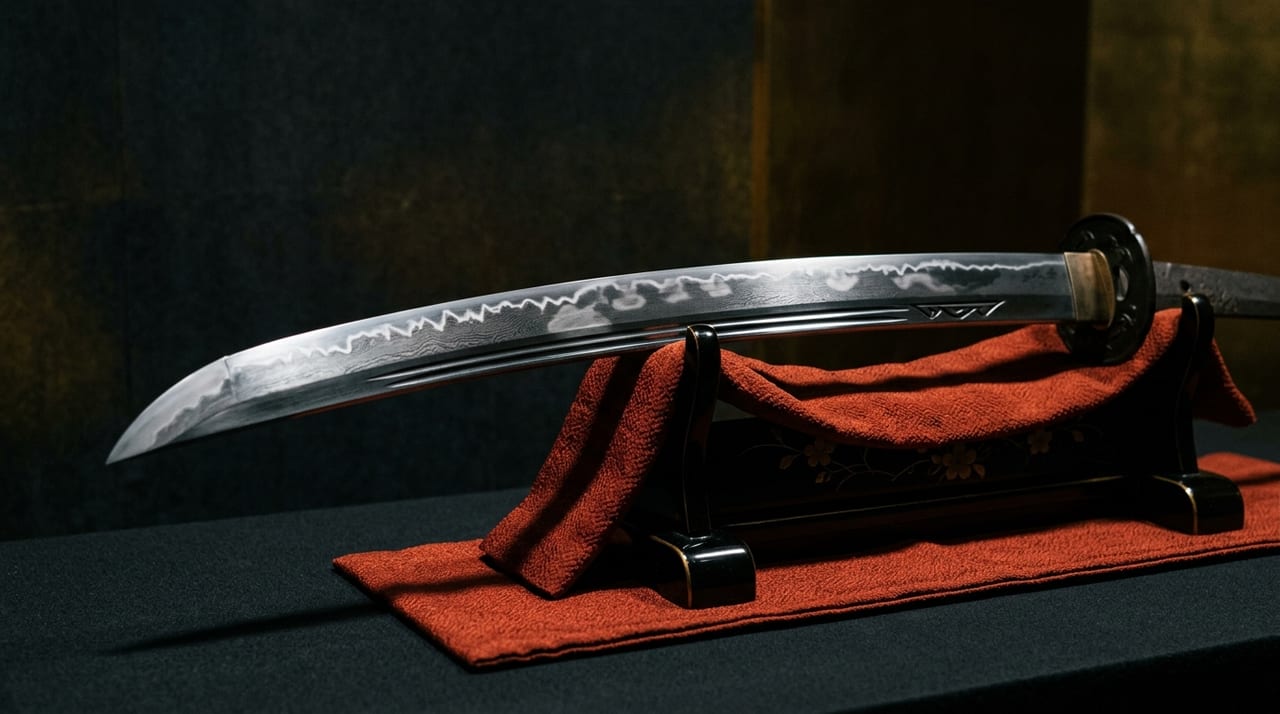 * Image is for illustrative purposes only.
Table of Contents
Beyond the Five Schools: The World of Regional Sword Smiths
The "Five Schools" (Yamato, Yamashiro, Bizen, Soshu, and Mino)—considered the pinnacle of Japanese swords—are five major production centers that inevitably appear in textbooks on sword history. However, throughout Japan, many "regional sword smiths" who do not belong to these production centers have been active, creating unique masterpieces that vividly reflect the culture and bushido of each clan. While often overshadowed by the authority of the Five Schools, regional swords possess a distinctive character and historical background that cannot be found in the Five Schools, making them a world rich with untapped appeal for collectors. In terms of price, many are also relatively affordable, making them an ideal entry point for those beginning to collect Japanese swords.
Satsuma Sword Smiths and the Beauty of Sturdy Integrity
The representative sword smiths of Satsuma Province (present-day Kagoshima Prefecture) include the Naminohira school and Masayoshi. The most distinctive feature of Satsuma swords is the "ayasugi-hada" jihada, where wood-grain-like undulating patterns appear throughout the entire blade. While influenced by Etchū Norishige, this technique developed as a unique expression within Satsuma's distinctive natural environment. The forceful work style that embodied the spirit of Satsuma warriors proved its durability and strength in actual combat even during the turbulent final years of the Edo period. In the contemporary market, Satsuma swords remain highly valued for their distinctive jihada beauty and practical robustness, and are eagerly collected by advanced collectors who seek more than the Five Schools.
Tosa Sword Smiths and the Patronage of the Yamanouchi Clan
The sword smiths of Tosa Province (present-day Kochi Prefecture), led by Sa Yukihide, worked as the official smiths in the service of the Yamanouchi clan. The greatest virtue of Tosa swords is their thorough commitment to functionality. Characterized by prioritizing practicality over decorative appeal, they were long beloved by local warriors. The hamon tends to be suguha-style, creating a refined, composed aesthetic that characterizes Tosa swords. Under the patronage of the Yamanouchi clan, the Tosa sword smiths continued to refine their techniques throughout the Edo period, maintaining a high level of completion that, while never flamboyant, instills confidence and trust in those who view it. Even today, Tosa swords are valued by enthusiasts who appreciate the samurai aesthetic for their straightforward beauty.
Echizen Sword Smiths and the Trust of the Tokugawa Shogun
Yasutsugu, the representative sword smith of Echizen Province (present-day Fukui Prefecture), was granted the highest honor as the official smith of the Tokugawa clan. As evidence, Yasutsugu inscribed place names such as "Bushu Edo (forged in Bushu Edo)" on the mei, and was permitted to incorporate the Tokugawa clan's family crest, the "aoi-mon," into the blade itself. This was an extraordinarily special treatment even among sword smiths of the time, testament to his exceptional skill. Echizen swords are evaluated as works that accurately inherited the classical Soshu-den style while embodying the highest level of technical mastery during the new sword period of the Edo era. With their deep connection to the shogunal house, they also hold an important position as historical records.
Kaga Sword Smiths and the Splendor of Hyakuman-Goku Culture
The Maeda clan, which ruled Kaga Province (the Hyakuman-Goku domain—present-day Ishikawa Prefecture), was renowned for its enthusiasm in promoting culture and the arts. Under their patronage, Kaga sword smiths such as Kashū Kiyomitsu and Kanewaka created numerous elegant and refined works within a rich cultural environment. The most distinctive feature of Kaga swords is the combination of beautiful choji-midare hamon and finely forged jihada. With high decorative qualities, they were treasured not only by samurai but also by nobility and wealthy merchants. In the contemporary market, Kaga swords stand out for their elegant hamon, and while possessing a beauty similar to the Bizen school within the Five Schools, they are highly valued as exceptional works with their own distinctive Kaga character.
Sendai Sword Smiths and the Pride of the Date Clan
The Kunikane school, which served as the official smiths for the Sendai Domain (present-day Miyagi Prefecture), was a proud group of sword smiths renowned throughout the Tohoku region. The greatest charm of Kunikane's works lies in the beauty of finely forged jihada. The jihada, centered on masame-itame, radiates a deep luster and reveals new character with each viewing. Serving successive domain lords including Date Masamune, the Kunikane swords were forged bearing the pride of the domain, and are known for their dignity and high level of completion. Works by Kunikane are housed in numerous museums, including the Sendai City Museum, and continue to attract high attention from contemporary researchers and enthusiasts.
Regional Swords: Opening New Horizons in Collecting
The greatest appeal of regional swords lies in their diversity and the joy of discovery. The robustness of Satsuma, the integrity of Tosa, the refinement of Echizen, the elegance of Kaga, the dignity of Sendai—each regional sword enshrines the spirit and history of its land within the blade. Organizing the characteristics of the regional swords we have examined so far yields the following:
| Region | Representative Smiths | Characteristics |
|---|---|---|
| Satsuma | Naminohira school, Masayoshi | Ayasugi-hada jihada; robust, powerful work style |
| Tosa | Sa Yukihide | Suguha-style work prioritizing functionality; composed aesthetic |
| Echizen | Yasutsugu | Inheriting Soshu-den style; shogunate smith granted aoi-mon privilege |
| Kaga | Kashū Kiyomitsu, Kanewaka | Elegant choji-midare hamon and finely forged jihada |
| Sendai | Kunikane school | Masame-itame-centered jihada with refined beauty |
Advanced collectors who have completed collecting the masterpieces of the Five Schools next turn their attention to regional swords, and conversely, regional swords are the ideal starting point for beginners to learn the depths of Japanese swords at an affordable price point. Understanding regional swords is the first step in an intellectual adventure that greatly expands the horizons of the Japanese sword world. We encourage you to explore the world of regional swords.
Detailed discussion of the representative Satsuma Naminohira school is provided in Sasanuki and Naminohira Yukiyasu—The Tachi of an Important Cultural Property Transmitted by Satsuma, and we invite you to visit this article as an example of experiencing the depths of regional swords.