Rai Ichizoku——Genealogy and Style of the Swordsmith Group Representing Kyoto Kaji in the Late Kamakura Period
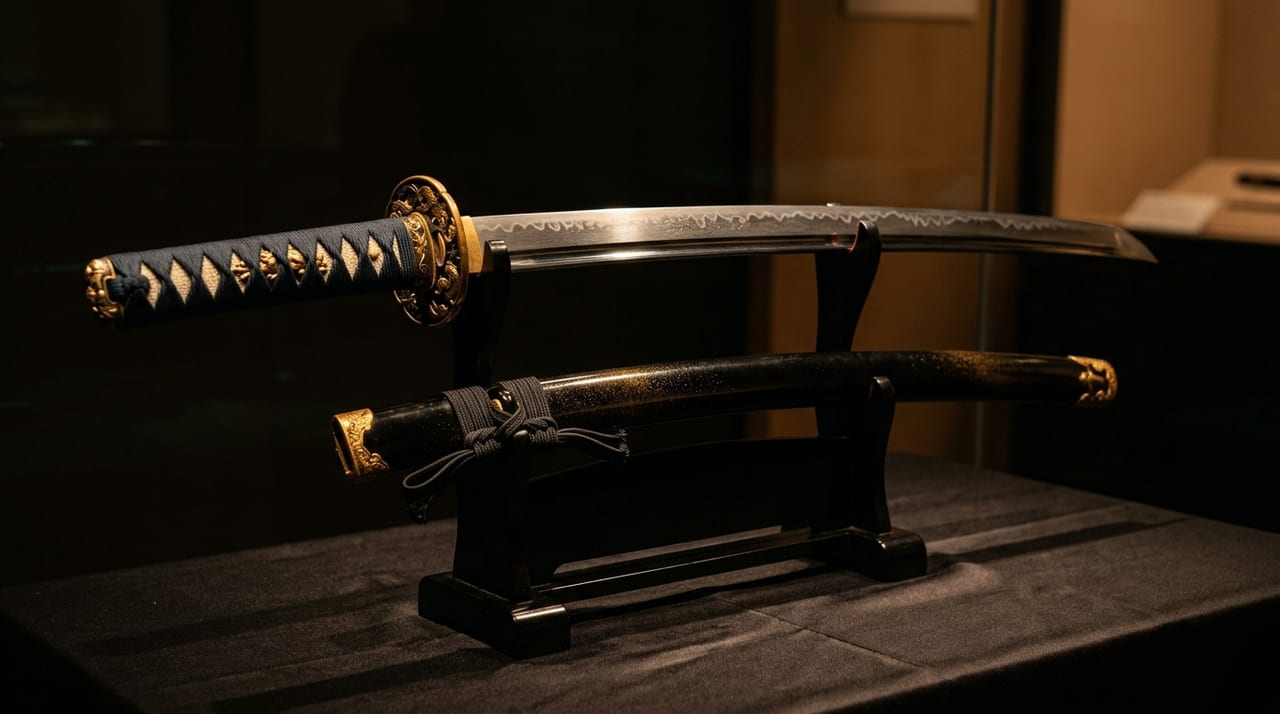 * Image is for illustrative purposes only.
Table of Contents
Origins of the Rai Ichizoku——A Shrouded Founding and the Theory of Continental Descent
The Rai ichizoku is a group of tōkō who were active in Kyoto from the late Kamakura period through the Nanbokuchō period, composed of renowned masters who represent the Yamashiro-den. The founding figure is subject to various theories and reliable historical sources are scarce, but the prevailing view places either Rai Kuniyuki or Rai Kunitoshi at the beginning of the clan.
Regarding the unusual surname "Rai," there has long been a theory that the clan descended from immigrants from the continent (the Korean Peninsula or China). Given Kyoto's geographical character, the theory of continental origin — that craftsmen with metalworking techniques from the continent settled there and established a distinctive sword-making tradition — carries a certain persuasiveness. However, there is no definitive proof, and there is also a view that "Rai" was simply used as an artistic name or trade name.
In any case, the Kyoto of the late thirteenth to early fourteenth century, when the Rai ichizoku was active, was both the center of courtier culture and a period when the culture of the warrior class under the Kamakura shogunate had begun to flow in. The swords of the Rai ichizoku reflect these two cultural backgrounds, forming a distinctive style that combined the refined aesthetic sensibility of the court nobility with the practicality demanded by warrior society.
Representative Tōkō——Rai Kuniyuki, Rai Kunitoshi, Rai Kunimitsu
The first figure cited among the central members of the Rai ichizoku is Rai Kuniyuki. He is dated to the second half of the thirteenth century (around the Bun'ei and Kōan eras), and several of his works have been designated kokuhō or jūyō bunkazai. The swords of Rai Kuniyuki demonstrate the highest standard of the time in the quality of the jigane and the dignity of the hamon, and are described as "the quintessence of the Yamashiro-den."
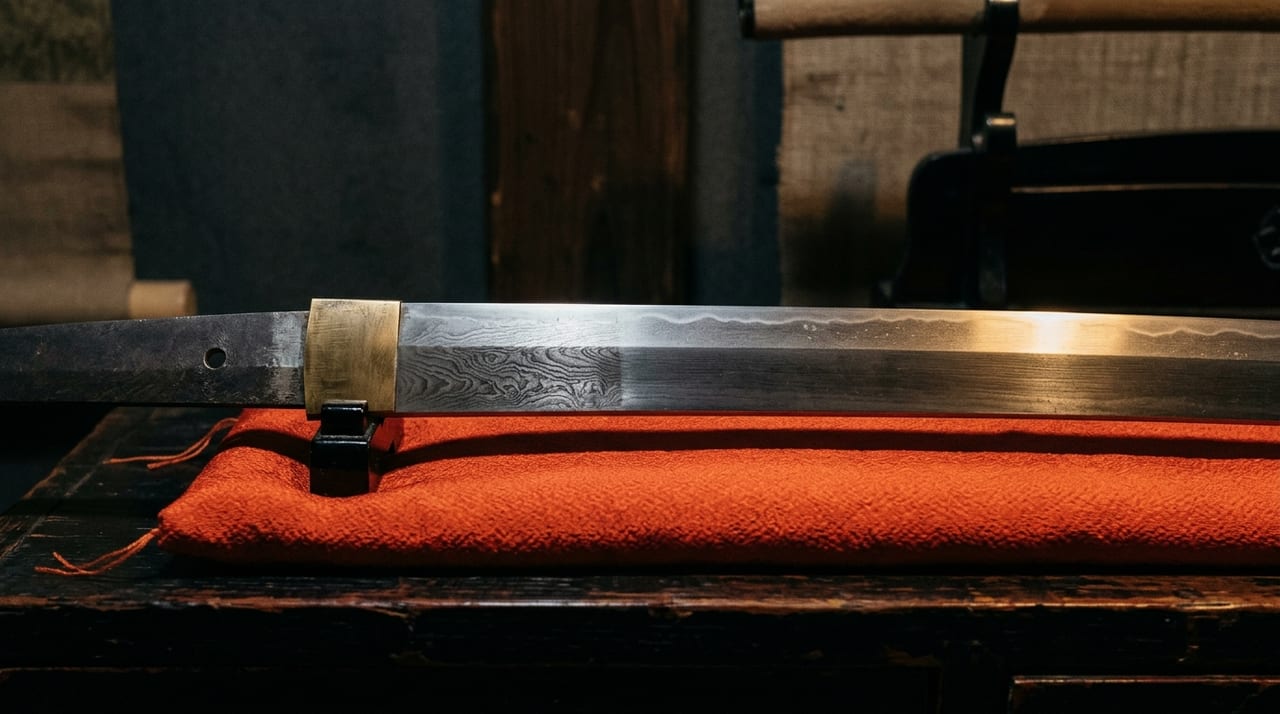
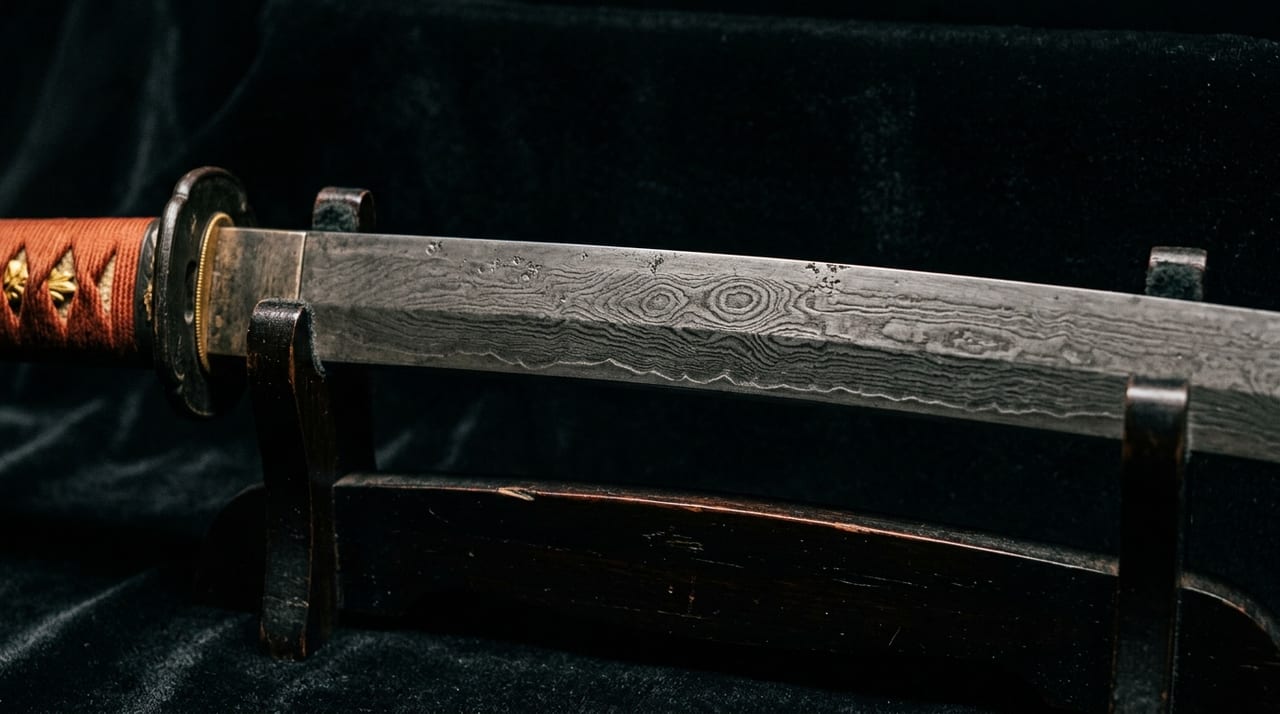
The most celebrated tōkō of the Rai ichizoku is Rai Kunitoshi. He is said to have been active from the late Kamakura period through around the Genkō era (early 1320s), and many of his works survive as both tachi and tantō. Several of Rai Kunitoshi's swords have been designated kokuhō alone, and he is counted among the finest tōkō in the history of the Japanese sword. The characteristics of his style include a fine, tightly worked jihada (with flowing itame), an elegantly undulating hamon (mainly chōji-midare and small irregular waves), and a graceful refinement that pervades the entire blade.
Rai Kunimitsu is positioned as the successor to Rai Kunitoshi and was active into the first half of the fourteenth century (the early Nanbokuchō period). Works by Rai Kunimitsu inherit the style of Kunitoshi while many also display a more powerful hamon expression, showing the influence of the vigorous warrior culture of the Nanbokuchō era. Multiple tantō and tachi designated as jūyō bunkazai survive, demonstrating that the technical standards of the Rai ichizoku were passed on to later generations.
Style of the Rai Ichizoku——Characteristics of the Yamashiro-den
The swords of the Rai ichizoku are counted as typical of the Yamashiro-den, one of the Gokaden of the Japanese sword alongside the Bizen-den, Sōshū-den, Yamato-den, and the Mino Tradition. The characteristics of the Yamashiro-den are generally summarized as follows.
- Jigane: Well-worked itame is the main texture, sometimes mixed with flowing grain or masame. Chikei and kinsuji may also appear, and these are considered proof of skilled tanren. Overall, the jigane gives a refined and elegant impression.
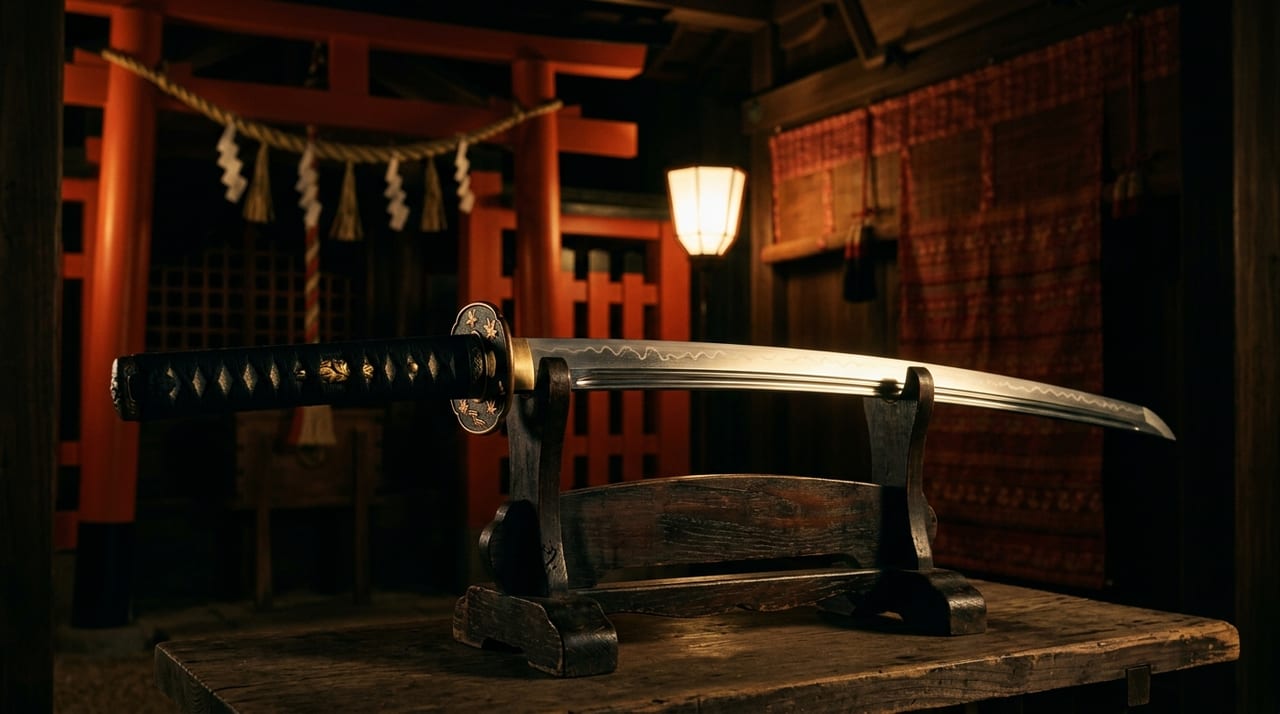
- Hamon: Fine ko-midare and chōji-midare are representative, and the nioiguchi is tight and dignified. The nie is fine and uniform — not the rough, coarse nie of the Sōshū-den — and is characterized by a delicate and beautiful expression.
- Kissaki: The small "ko-kissaki" is the norm, and the aesthetic of Heian court culture is reflected throughout the sword's form. This contrasts with the powerful forms seen in the tachi of the Sōshū-den (Kamakura) from the same period, suggesting that the Rai ichizoku was also active in filling commissions from the imperial court and the nobility.
The Rai Ichizoku and the Political Situation in the Late Kamakura Period
The late thirteenth to early fourteenth century, when the Rai ichizoku was at its height, corresponded to the later years of the Kamakura shogunate — a turbulent era marked by social tension stemming from the Mongol invasions (the Bun'ei and Kōan campaigns) and power struggles within the shogunate (the establishment of Tokusō autocracy). This historical backdrop gave rise to growing demand for swords, and it is thought that influential swordsmith groups such as the Rai ichizoku received commensurate commissions.
Their location in Kyoto gave the Rai ichizoku the favorable condition of being able to attract orders from the imperial court and the noble class. Even through the turbulent period of Emperor Godaigo's movement to overthrow the shogunate (the Genkō Incident, 1331) and the fall of the Kamakura shogunate, the Rai ichizoku continued its activities, and tōkō such as Rai Kunimitsu carried on their techniques as craftsmen of the Nanbokuchō period.
Influence of the Rai Ichizoku and Its Evaluation in the Modern Day
The sword-making techniques of the Rai ichizoku had a great influence on later Kyoto and Yamashiro-school tōkō. In particular, Kyoto tōkō of the shintō period (from the Muromachi period onward) continued to reference the Rai ichizoku's style as "the standard of the Yamashiro-den." The Hon'ami family, Edo-period sword appraisers, also held the works of the Rai ichizoku in high esteem, and tachi by Rai Kunitoshi were collected by shogunal and daimyo households as "renowned swords of the realm."
Even today, the works of the Rai ichizoku receive the highest evaluations from Japanese sword enthusiasts, and auction records of transactions in the hundreds of millions of yen have been reported. The swords of the Rai ichizoku held in the Tokyo National Museum, the Kyoto National Museum, and shrines and temples throughout the country continue to captivate many viewers as the finest expression of Japanese sword art from the late Kamakura period.
The works of the Rai ichizoku also receive the highest ratings in appraisals by NBTHK (Society for the Preservation of Japanese Art Swords), and works by Rai Kunitoshi and others are referenced as models when modern tōkō study the Yamashiro-den. The swords of the Rai ichizoku, which still shine after nearly 1,000 years, embody the depth and richness of Japanese sword culture.
Related column: Kogarasu-maru — The Finest Masterpiece of Ancient kotō from the Early Heian Period