Neuheiten — Aktuelle Neuzugänge finden Sie in unserem Katalog. Ansehen →
Einblicke in das Wissen über japanische Schwerter und die Kultur
The nakago is the sword's résumé. An explanation of how to identify the tōkō and period from the mei, yasurime, and rust color.
Bonhams, Christie's, domestic auctions. Merits, demerits, and precautions for purchasing Japanese swords at auction.
"Japanese swords can cut through anything." "They never break." "Muramasa is a cursed sword." The truth behind myths about Japanese swords.
Anniversaries, decorations, retirement. Etiquette and selection tips for presenting a nihontō on special occasions.
From kotō to shintō at the Keichō era boundary, then on to shinshintō and gendaitō. An explanation of the characteristics and appreciation points of each period.
Sadamune, Samonji, Nagayoshi, Yoshihiro, Kanemitsu... ten master pupils who learned from Masamune.
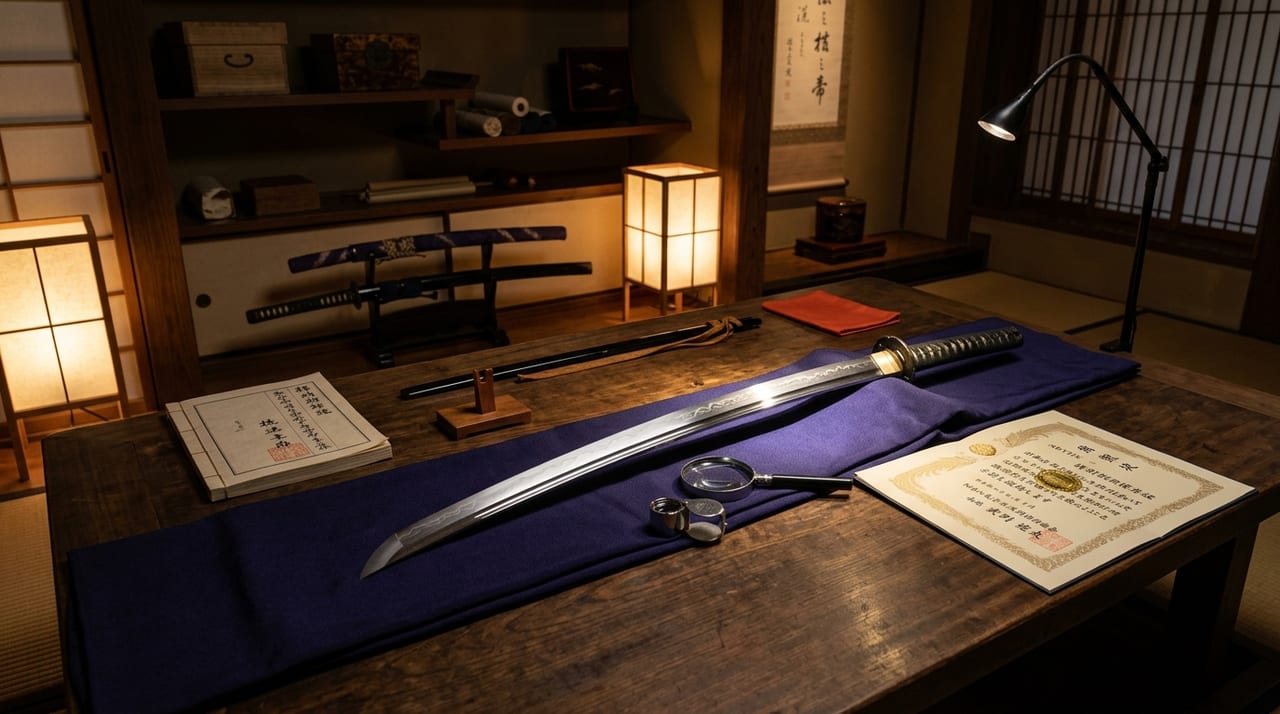
Owning nihonto (日本刀) in Japan requires a registration certificate. An explanation of the registration system's structure and procedures.
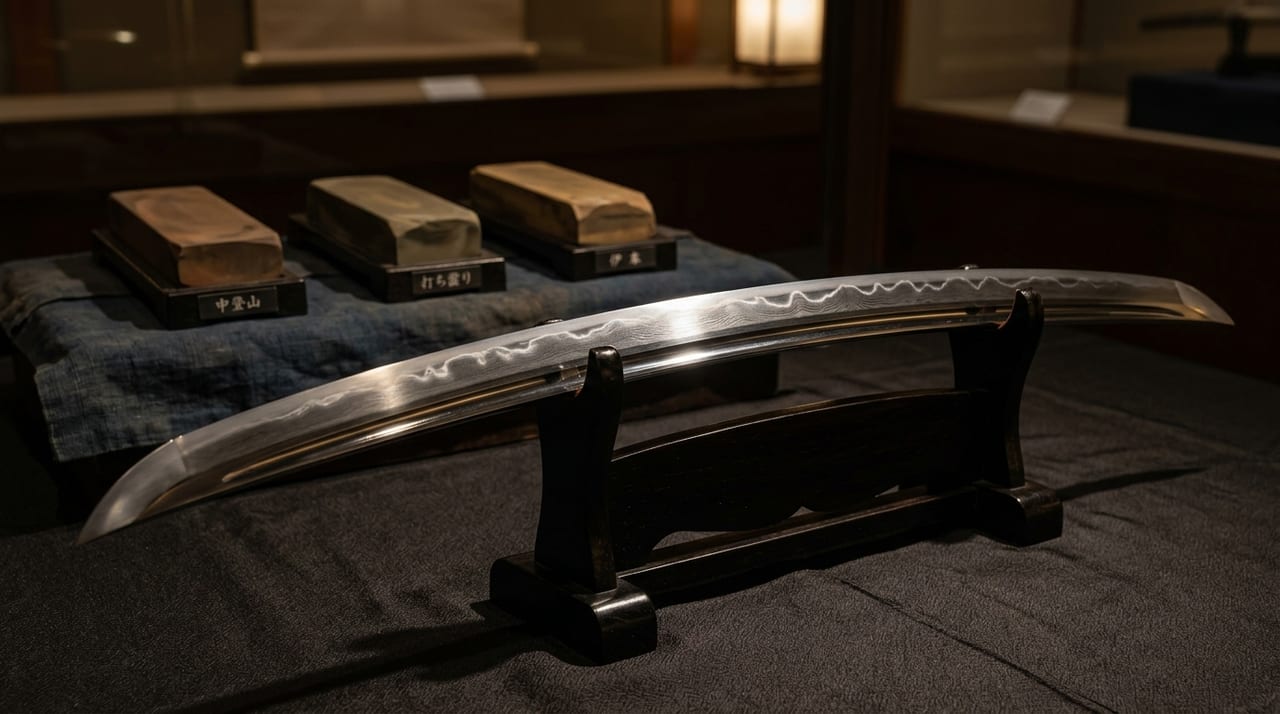
Tokyo National Museum, Kyoto National Museum, Japanese Sword Museum. An introduction to sword exhibition facilities throughout Japan.
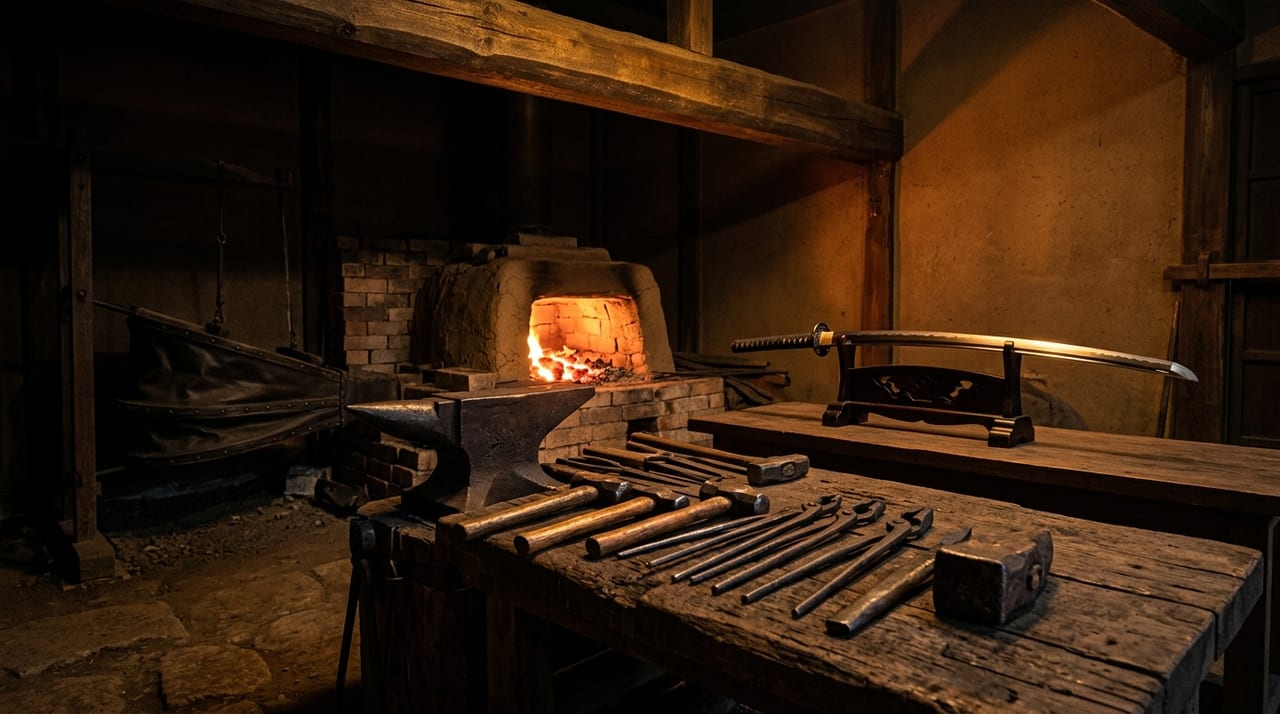
Tamahagane born from tatara ironworking. An explanation of Japanese sword materials and their manufacturing methods.
Shinogi-zukuri, hira-zukuri, kiriage-zukuri, and katakiriae-zukuri. An explanation of the types and characteristics of blade construction methods.
From Tomoe Gozen to tōken joshi. An exploration of women's relationship with swords in Japanese history.
Three levels: beginner, intermediate, and advanced. How much do you know about Japanese sword terminology?