Wo man japanische Schwerter sieht: Ein Leitfaden zu Japans besten Museen und Galerien
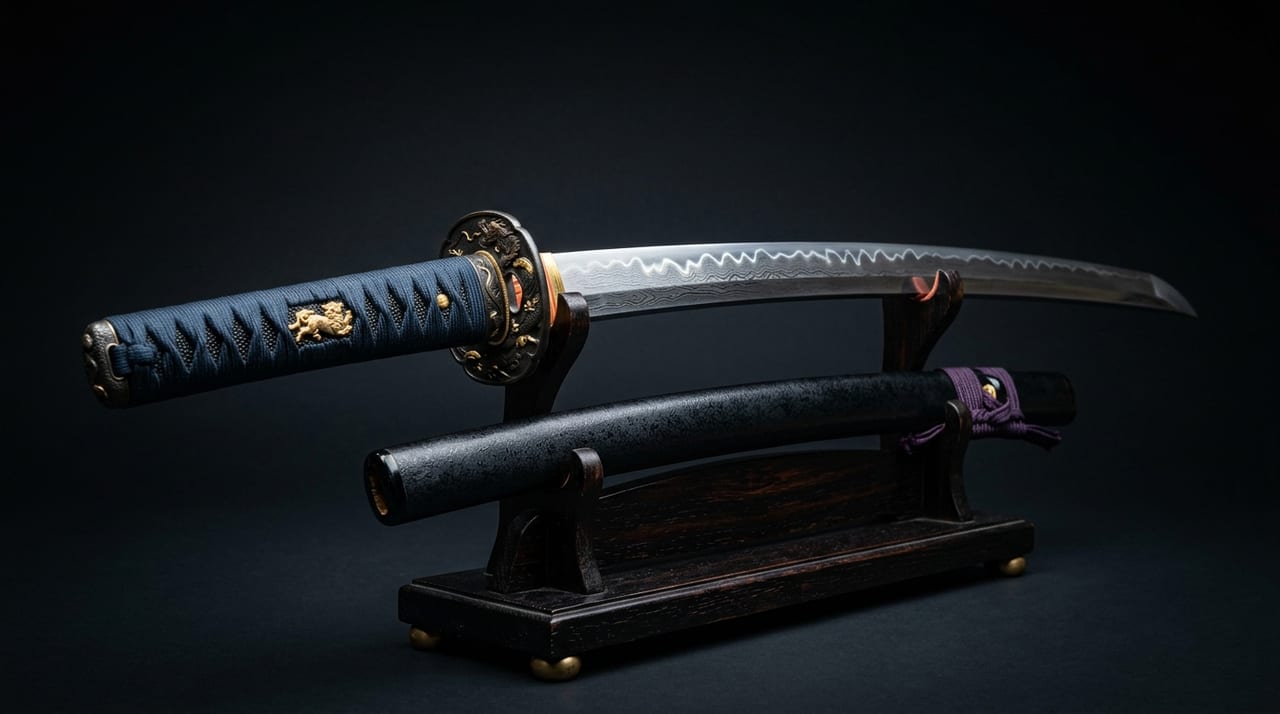 * Bild nur zu Illustrationszwecken.
Inhaltsverzeichnis
Nationalmuseum Tokio (Tokio, Ueno)
Das Nationalmuseum Tokio verfügt über Japans größte Sammlung von japanischen Schwertern. Die Sammlung umfasst bedeutende Kulturgüter und nationale Schätze in Hunderten von Klingen, und es ist einzigartig, dass es zwei der Fünf Schwerter des Himmels beherbergt: das "Mikazuki Munechika" und das "Dōji-giri Yasutsuna."
Das "Mikazuki Munechika" ist ein tachi (langes Schwert), das angeblich von Sanjō Munechika, einem Meisterschmied aus der Provinz Yamashiro in der späten Heian-Zeit, gefertigt wurde. Sein Name stammt von den unzähligen sichelförmigen Arbeiten, die auf der gesamten Klinge sichtbar sind. Es ging von den Ashikaga-Shoguns zu Toyotomi Hideyoshi über und gilt nun als Nationalschatz, für die Nachwelt bewahrt. Das "Dōji-giri Yasutsuna" wurde von Yasutsuna der Provinz Hōki gefertigt und verdankt seinen Namen der Legende von Minamoto no Raikō, der den Dämon von Ōeyama besiegte. Mit einer Klingenlänge von über 80 Zentimetern verkörpert seine herrliche Form die gewichtige Präsenz klassischer Schwerter, und auch es gilt als Nationalschatz.
Während Schwerter im Hauptgebäude ständig ausgestellt sind, werden Meisterwerke von Fünf-Schwerter-des-Himmels-Kaliber manchmal in längeren Abständen rotiert. Es wird empfohlen, die offizielle Website vor dem Besuch zu überprüfen, um zu bestätigen, welche Werke derzeit ausgestellt sind.
Nationalmuseum Kyoto (Kyoto, Higashiyama)
Das Museum verfügt über eine hervorragende Sammlung von tachi-Schwertern in der "Yamashiro-Tradition" und "Yamato-Tradition", Stile, die für die alte Hauptstadt charakteristisch sind. Die Sammlung ist reich an alten Schwertern aus der späten Heian- bis zur Kamakura-Zeit, mit Meisterwerken, die als Nationalschätze und wichtige Kulturgüter eingestuft sind. Wenn die Sonderausstellung "Japanese Swords" stattfindet, versammeln sich Schwertliebhaber aus dem ganzen Land und bilden oft lange Schlangen.
Ein Schlüsselpunkt für die Wertschätzung ist, dass viele Werke der Yamashiro-Tradition durch ein dichtes, feindetailliertes Stahlgefüge mit geradkantigen (suguha) und subtil welligen (komidare) Klingenmustern gekennzeichnet sind. Durch die Betrachtung von Werken Kyotos repräsentativer Schwertschmieden—wie Sanjō, Awataguchi und Rai—werden die Unterschiede zu anderen Schulen deutlich. Während eine bestimmte Anzahl von Schwertern in der ständigen Ausstellung gezeigt wird, ist es klug, Ihren Besuch mit Sonderausstellungen zu koordinieren.
Japanisches Schwertmuseum (Tokio, Sumida Ward)
Betrieben von der Japan Art Sword Preservation Society (NBTHK), einem gemeinnützigen Verein, ist dies ein Spezialmuseum, das sich der Schwertappräziation widmet. Im Jahr 2018 wurde es verlegt und renoviert in der Nähe des Sumida Hokusai Museums, was die Ausstellungsumgebung erheblich verbesserte.
Die Dauerausstellung präsentiert katana, wakizashi und tantō, zusammen mit Schwertbeschlägen wie tsuba (Schutzvorrichtungen), kozuka (kleine Gebrauchsmesser) und kōgai (Haarschmuck), was ein umfassendes Verständnis der Schwertkultur über die Klingen selbst hinaus ermöglicht. Sonderausstellungen, die mehrmals jährlich stattfinden, konzentrieren sich auf bestimmte Schwertschmieden, Schulen oder Epochen mit tiefgründigem Inhalt, der selbst Kennern genügt. Der angrenzende Museumsladen führt spezialisierte Publikationen über Schwerter. Das Museum dient auch als Veranstaltungsort für Schwertauthentifizierungs- und Bewertungssitzungen, bei denen man an Prüfungstagen die Begeisterung aktiver Schwertmacher und Sammler aus erster Hand erleben kann.
Tokugawa-Kunstmuseum (Nagoya, Higashi Ward)
Dieses Kunstmuseum beherbergt die Einrichtungen der Daimyo, die über Generationen hinweg durch die Familie Owari Tokugawa weitergegeben wurden, und gehört zu den besten des Landes in seiner Schwertsammlung. Es zeigt zahlreiche Schwerter, die mit den Tokugawa-Shoguns verbunden sind, beginnend mit dem Nationalschatz tachi mit der Aufschrift "Rai Kunitoshi", viele mit aufwendigen Schwertbeschlägen (koshirae), die mit dem Shogunal-Haus verbunden sind.
Rai Kunitoshi war ein Meisterschmied, der die Provinz Yamashiro in der späten Kamakura-Zeit vertrat, bekannt für die ordnungsgemäße Schönheit seiner Klingenmuster und die Präzision seiner Stahlarbeiten. Die größte Besonderheit des Museums ist die Möglichkeit, Schwerter nicht nur als bloße Klingen, sondern als vollständige Kunstwerke mit aufwendigen, mit Metallarbeiten verzierten Beschlägen zu betrachten. Hier können Sie die Essenz von Schwertern als vollständige Kunstwerke wahrhaft erleben, mit Klinge und Beschlag, die in einer einzigen künstlerischen Ganzheit vereint sind. Die Betrachtung der angrenzenden Hōsabunko-Bibliothek neben dem Museum vertieft das Verständnis der Samurai-Kultur.
Sano-Kunstmuseum (Shizuoka, Mishima)
Bekannt als "Sano, das Schwertmuseum", ist diese hochspezialisierte Institution unter Schwertliebhabern berühmt. Die Schwertsammlung, einschließlich nationaler Schätze und wichtiger Kulturgüter, die während des gesamten Lebens des Gründers Sano Ryūichi gesammelt wurden, wird als eine der besten des Landes in Qualität und Quantität angesehen.
Ein bemerkenswertes Stück ist eine katana, die aus einer naginata umgearbeitet wurde, mit der Aufschrift "Bishū Osafune jū Motoshige", eine seltene Form, die starke Merkmale des Nanboku-chō-Periodenstils beibehält. Ihre ausgesprochene Kurve und ihre beherrschende Präsenz verkörpern die ästhetische Sensibilität der Krieger dieser Ära und strahlen eine Kraft aus, die sie von Schwertern anderer Perioden unterscheidet. Die mehreren jährlichen Sonderausstellungen des Museums präsentieren thematische, tiefgründige Exponate mit sorgfältigen erläuternden Texten, die sowohl Anfänger als auch Kenner ansprechen. Sie behält starke Beliebtheit als Teil eines Tagesausflug-Itinerars, kombiniert mit einem Besuch des Mishima Taisha-Schreins.
Sendai-Stadtmuseum (Miyagi, Sendai)
Das größte Museum in der Tōhoku-Region beherbergt zahlreiche Schwerter, die über die Familie Date weitergegeben wurden. Es zeigt die geschätzten Schwerter aufeinanderfolgender Date-Clan-Herren, beginnend mit dem berühmten einäugigen Date Masamune, sowie praktische Schwertklingen, die in tatsächlichen Kämpfen verwendet wurden, was es den Besuchern ermöglicht, die direkte Verbindung zwischen gelebter Samurai-Geschichte und Schwertern zu schätzen.
Besonders bemerkenswert ist die koordinierte Ausstellung mit Materialien zur berühmten Keichō-Botschaft des Date-Clans nach Europa. Der Kontrast zwischen Masamunes Blick auf die breitere Welt und der Schwertkultur, die neben seiner Vision florierte, schafft eine einzigartige Spannung. Sendai ist auch der Hauptsitz von M-Assets Inc., das TOUKENZA betreibt, was es zu einem kostbaren Ort macht, an dem man die lebendige Schwertkultur von Tōhoku erleben kann.
Smartes Touren! Wichtige Punkte zum Überprüfen vor Ihrem Besuch
Da Schwertausstellungen regelmäßig rotiert werden, ist die Überprüfung der offiziellen Website auf die neuesten Ausstellungsdetails eine absolute Regel. Darüber hinaus sind folgende Punkte bedenkenswert:
- Überprüfen Sie die Fotografiepolitik: Viele Museen verbieten die Fotografie von Schwertern wegen Reflexions- und Winkelproblemen
- Passen Sie sich der Beleuchtung an: Geben Sie Ihren Augen einige Minuten Zeit, sich nach dem Betreten des Ausstellungsraums anzupassen, bevor Sie das Klingenmuster untersuchen, was es einfacher macht, feine Details zu sehen
- Bringen Sie eine Lupe mit: Nützlich zum Beobachten der feinen Schnitzereien auf Schutzvorrichtungen und Schwertbeschlägen (einige Museen stellen diese zum Ausleihen zur Verfügung)
- Kaufen Sie Ausstellungskataloge: Ein Kauf unmittelbar nach der Betrachtung, während die Erinnerungen noch frisch sind, ermöglicht es Ihnen, die Details später mit lebhaften Erinnerungen zu überprüfen
Wenn Sie vor einem authentischen Schwert stehen, gibt es Momente, in denen Sie eine Präsenz spüren, die Worte nicht vollständig erklären können. Das ist die einzigartige Kraft, die die Kunst des japanischen Schwertes besitzt. Bitte besuchen Sie persönlich und machen Sie diese Erfahrung zu Ihrer eigenen.