Neuheiten — Aktuelle Neuzugänge finden Sie in unserem Katalog. Ansehen →
Einblicke in das Wissen über japanische Schwerter und die Kultur
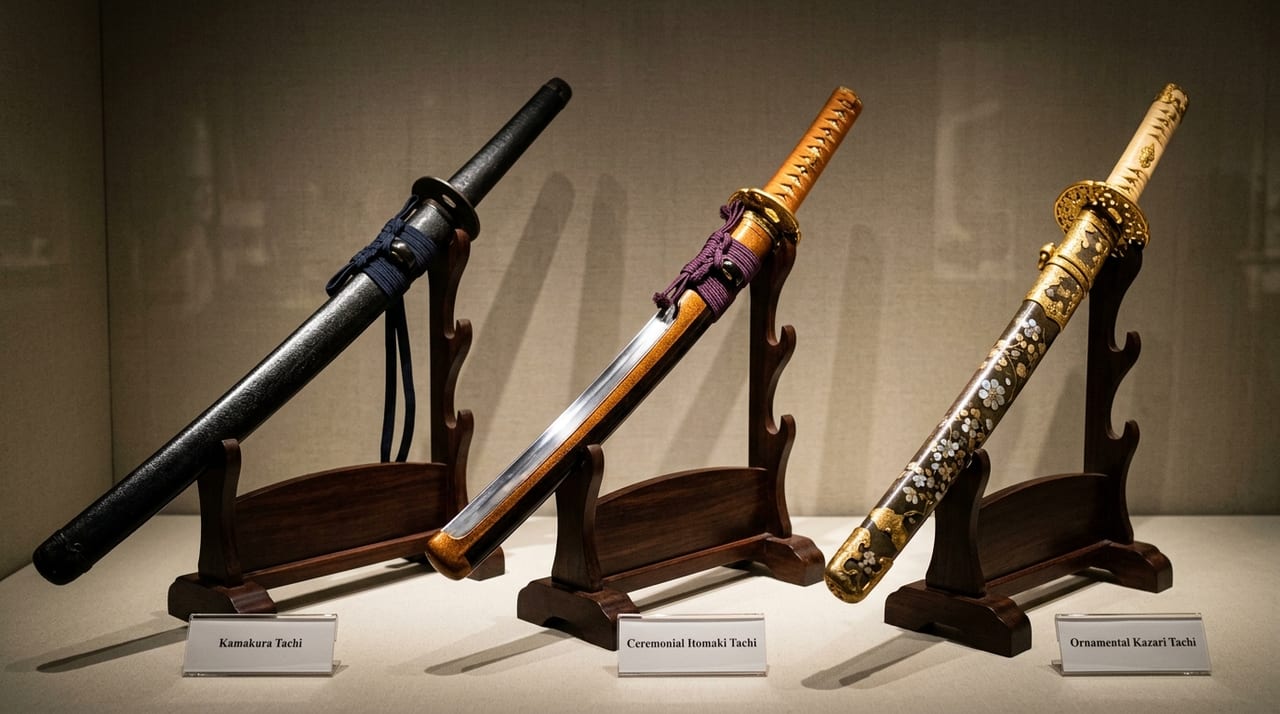
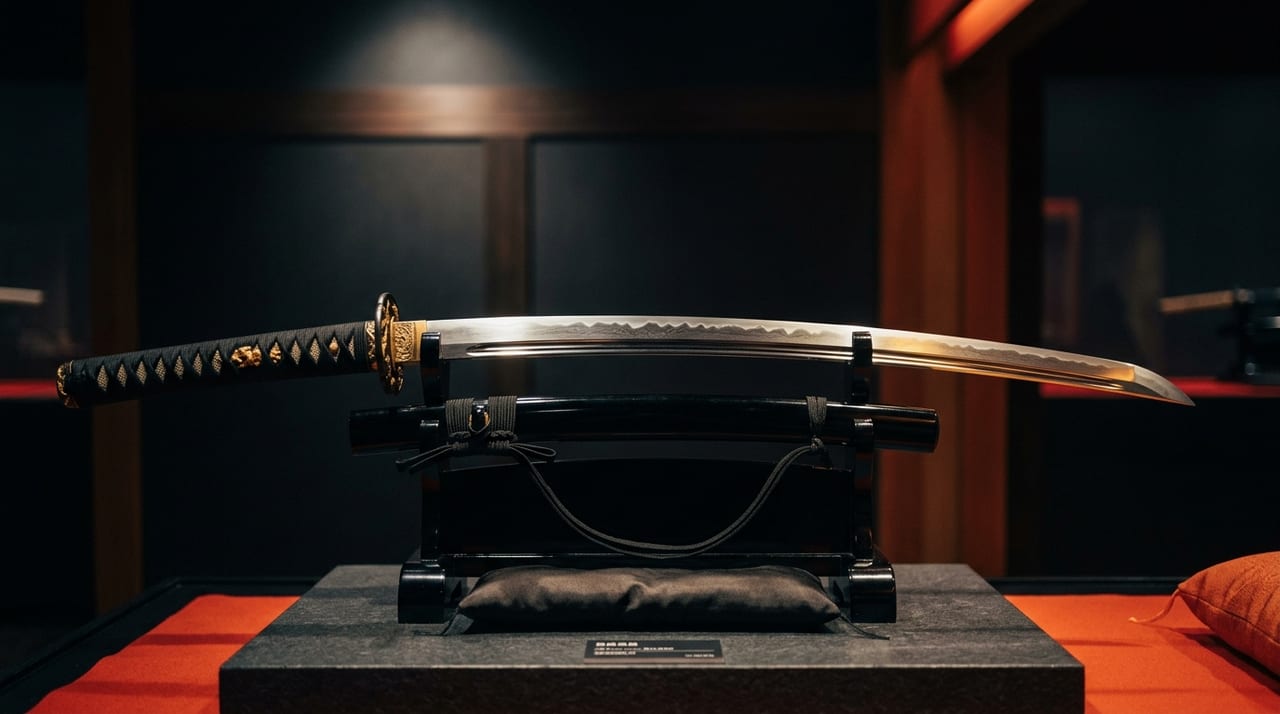
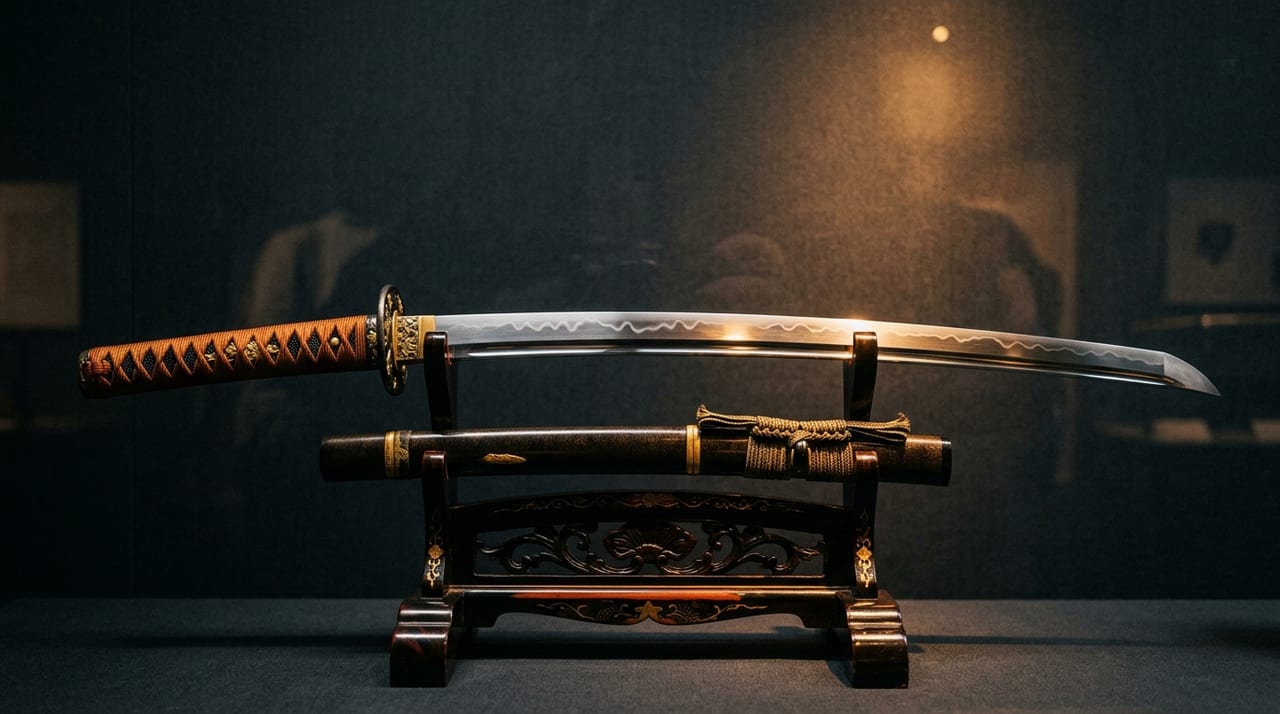
The tachi is not a single form but encompasses many varieties including thread-wrapped, black-lacquer, ornamental, and hyogo-gusari types. This guide explains the structural features, historical contexts, ceremonial versus combat uses, and surviving examples of each.
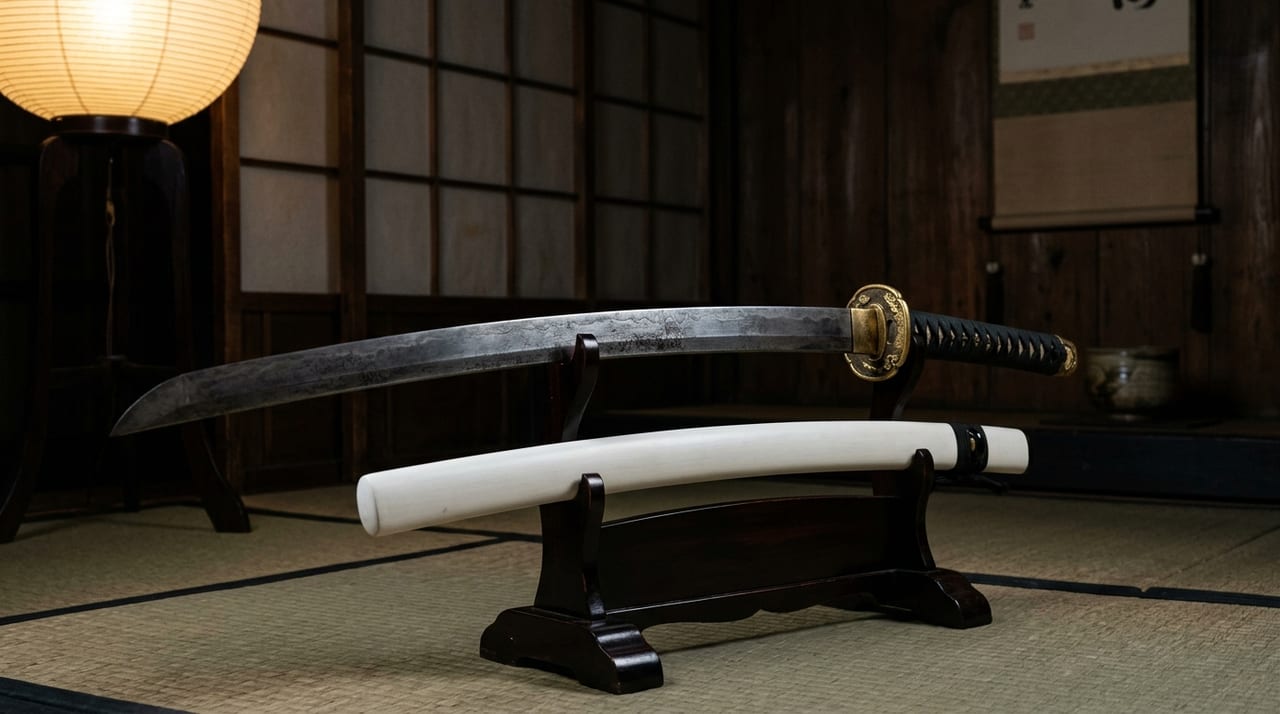
A detailed explanation of forge welding, the technique that creates the two-layer structure of Japanese swords. Covers the process of pressure bonding kawagane (outer steel) and shingane (core steel) at high temperatures, management of furnace temperature and carbon content, effects of welding defects on the blade, and the metallurgical significance of forge welding from a modern scientific perspective.
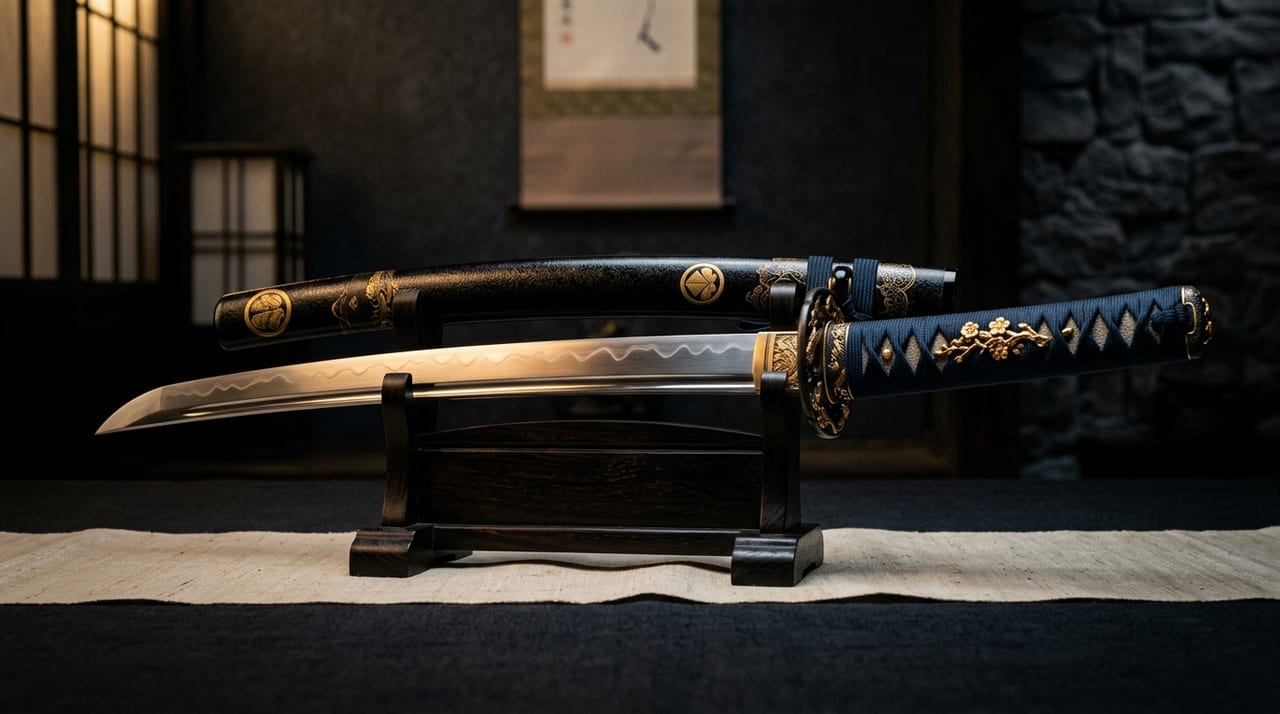
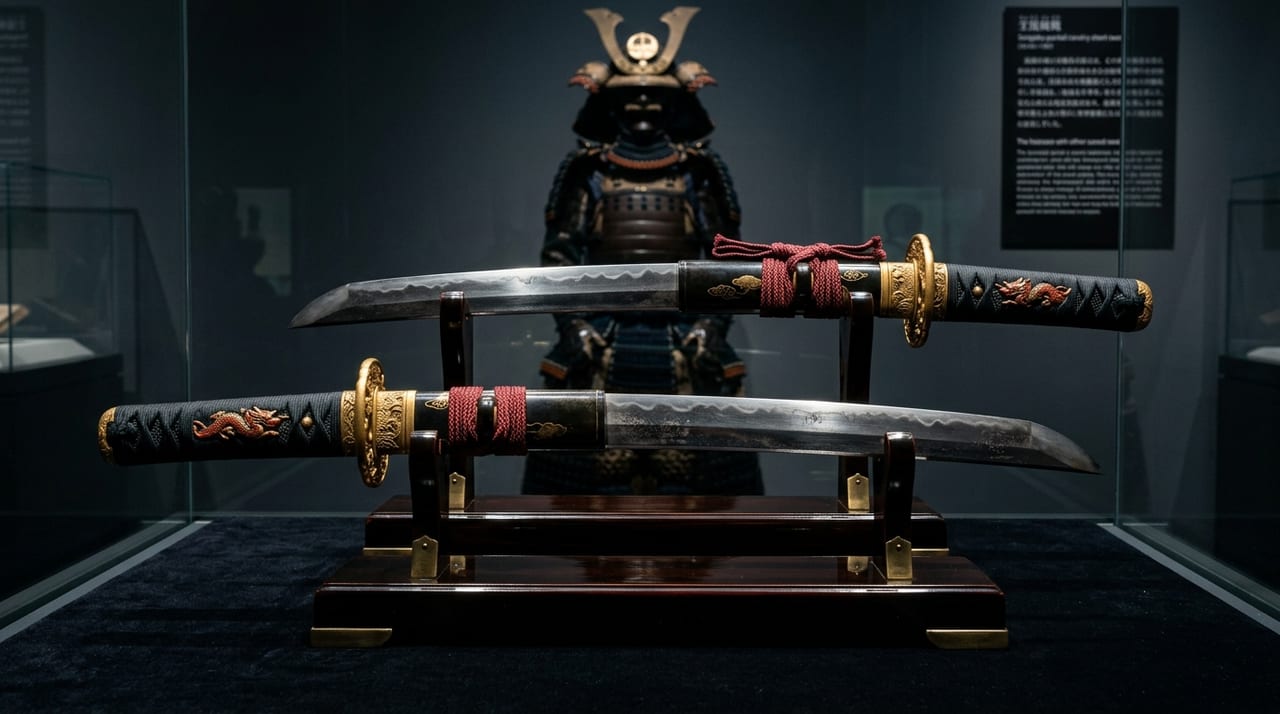
Tenchudashi were the special wakizashi worn when attending Edo Castle. Governed by strict rules on length, form, and mounting, they served as symbols of samurai court etiquette. This article covers their definition, formal characteristics, role in warrior protocol, and surviving examples.
A detailed explanation of yakimodoshi (tempering), the heat treatment process following quenching in Japanese sword making. Covers the temperature control that moderates the brittleness of martensite steel, the intersection of traditional methods and modern science, and the effects on blade pattern and toughness.
The full picture of the Shimazu clan's swordsmith patronage system in the Edo period. Examining stipends, forging obligations, and lineage management for retainer smiths, Satsuma's unique use of nanban-tetsu (foreign iron), and the modern continuation of Japan's southernmost ancient school, the Naminohira lineage.
A comprehensive guide to the credentials, exams, and training systems for becoming a "swordsmith" (artistic sword-forging technician) in modern Japan. Covers training programs run by the Cultural Affairs Agency and NBTHK, methods for apprenticing with a master, and the realistic timeline, costs, and career path needed to achieve independence.
Explains the intersection of tea ceremony and sword culture in the Azuchi-Momoyama period (late 16th century). Detailed examination of the aesthetic commonalities between tea implements selected by Sen no Rikyū and swords, Toyotomi Hideyoshi's sword collection, sword etiquette in tea gatherings, and the relationship between the spirit of refined taste and sword appreciation.
A comprehensive guide to selecting bokken (wooden swords), replica swords, iaito (iaido practice swords), and real Japanese swords (shinken) used in kendo, iaido, and traditional martial arts training. Covers style-specific specifications, progression recommendations from beginners to advanced practitioners, and legal and safety considerations.
A comprehensive historical overview of "moroha-zukuri" (double-edged swords), a unique form in Japanese sword craftsmanship. Spanning from ancient swords and straight blades with double edges through specific school short swords to contemporary sword smiths' revival works, this article covers the complete history and technical characteristics of double-edged blade structures.
Explains the relationship between the Edo shogunate's sankin-kotai system and sword policy. Details the reality of samurai's sword-bearing obligations, prohibition of highway murder, and sword-drawing regulations; the role of swords in daimyo processions; and the historical significance of the transition from "swords as weapons" to "swords as status symbols."
This article details the lineage and craftsmanship of three master swordsmiths—Kanefusa, Kanemoto, and Kanesada—from the "Seki Kaji" blade-smith collective centered in Seki City (now Gifu Prefecture). It also explains the technical characteristics of the Mino Tradition (Minoden) that swept across Japan during the Sengoku period.
Explains how the ratio of base width and point width of a Japanese sword—"fumbaari"—differs between combat and display use. Details the tradeoffs in center-of-gravity design, operability, and aesthetics, and the history of kissaki width changes by era.