最新消息 — 最新入荷資訊請查閱商品目錄。 查看 →
深入了解日本刀知識與文化的見解
Honjo Masamune, counted among the Five Swords of the Realm, vanished in the postwar turmoil and remains missing to this day. This article explains the history of this legendary blade, attributed to the renowned Kamakura-era master craftsman Masamune, the circumstances of its disappearance, and the current search efforts.
Alongside the Imperial Army's military swords, the Imperial Navy maintained its own distinct sword regulations. This article examines the types of swords carried by naval officers — short swords, command swords, flag officer swords — their differences from Army regulations, and their historical significance.
The quality of the iron ground (jigane) is as important to tsuba evaluation as the temper pattern is to sword blades. This article explains the types of forging surface texture, patina color, and their relationships to period and school in iron tsuba.
Jokoto are the pre-Heian straight blades that preceded the curved Japanese sword. This article traces the evolution from continental ring-pommel swords through native straight blades to the curved tachi, drawing on archaeological finds, the Shosoin treasures, and inscriptions.
In the late Kamakura period and the brief Kenmu Restoration (1333–1336), nihonto grew larger and more battlefield-oriented in response to Mongol invasion lessons. The conflict between Emperor Godaigo and Ashikaga Takauji that opened the Nanbokucho era drove further dramatic changes in sword design.
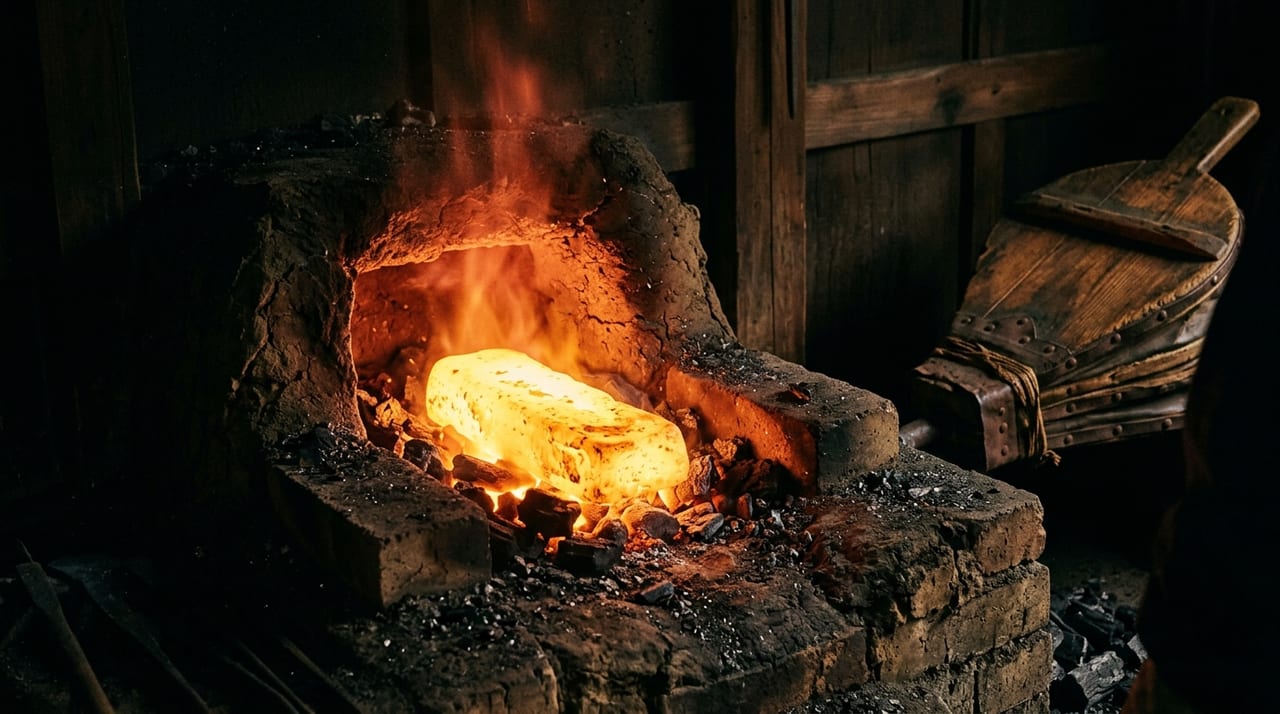
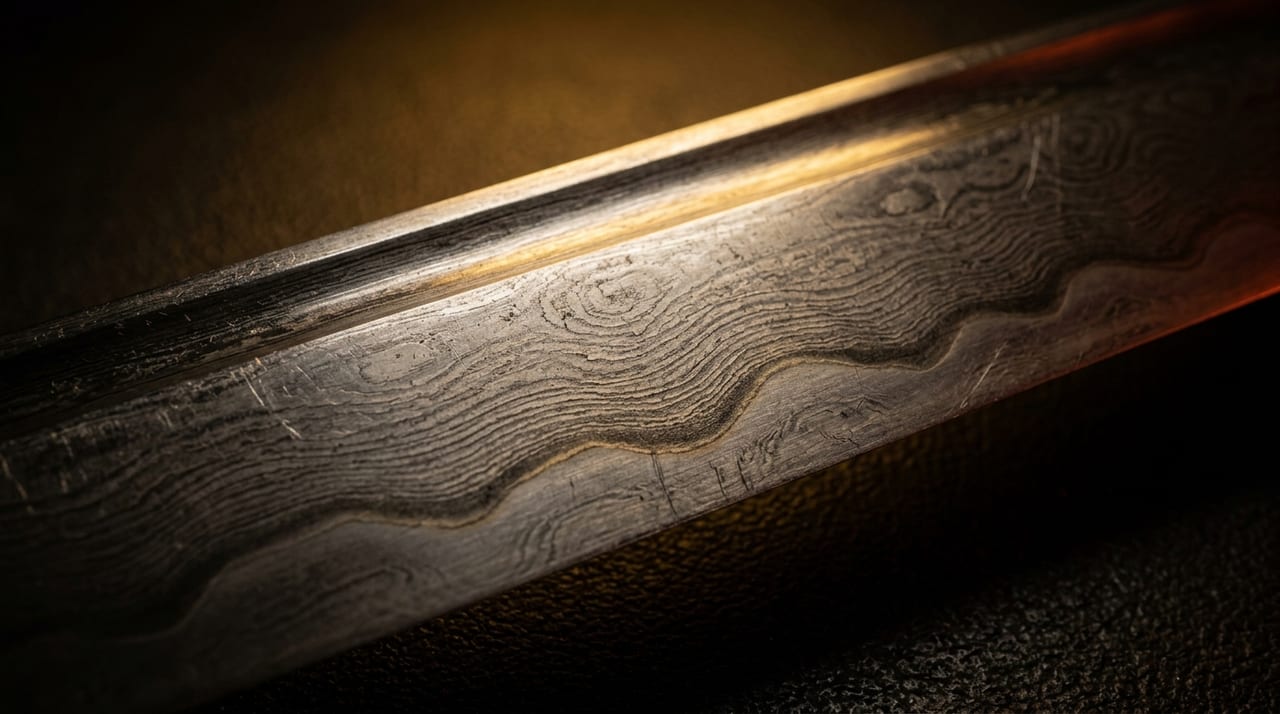
A nihonto blade is not a single uniform piece of steel but a composite structure combining kawagane (hard outer skin steel) with shingane (tough inner core steel). This kobuse construction — one of engineering history's most elegant solutions — simultaneously achieves sharpness, hardness, and impact resistance. This article explains the mechanism and its variations across traditions.
Kawari-gata (unusual-form) tsuba transcend the standard circular and mokko shapes, expressing the full range of sword guard creativity. This article explains the significance and artistic value of fan, hollyhock, square, cross, half-moon, and other distinctive tsuba forms.
The "hair-pin-shaped large sword (kenuki-gata-tachi)" is a large sword with a distinctive form created during the Heian period, characterized by an integrated iron structure with hair-pin-shaped openwork carved into the hilt (tsuka). This article explains its structural uniqueness, historical significance, and representative extant examples.
Japanese sword fittings (tosogu)—from the tsuba guard to menuki ornaments—represent the concentrated art of metalworking traditions spanning centuries, with the 17-generation Goto school at their core. This guide explores techniques, history, and how to start a collection.
Ko-tachi and short tachi — smaller curved swords made across the Heian, Kamakura, and Nanbokucho periods — reflect shifting warfare styles and social contexts. This article examines how sword length varied across eras and what these changes reveal about the societies that made them.
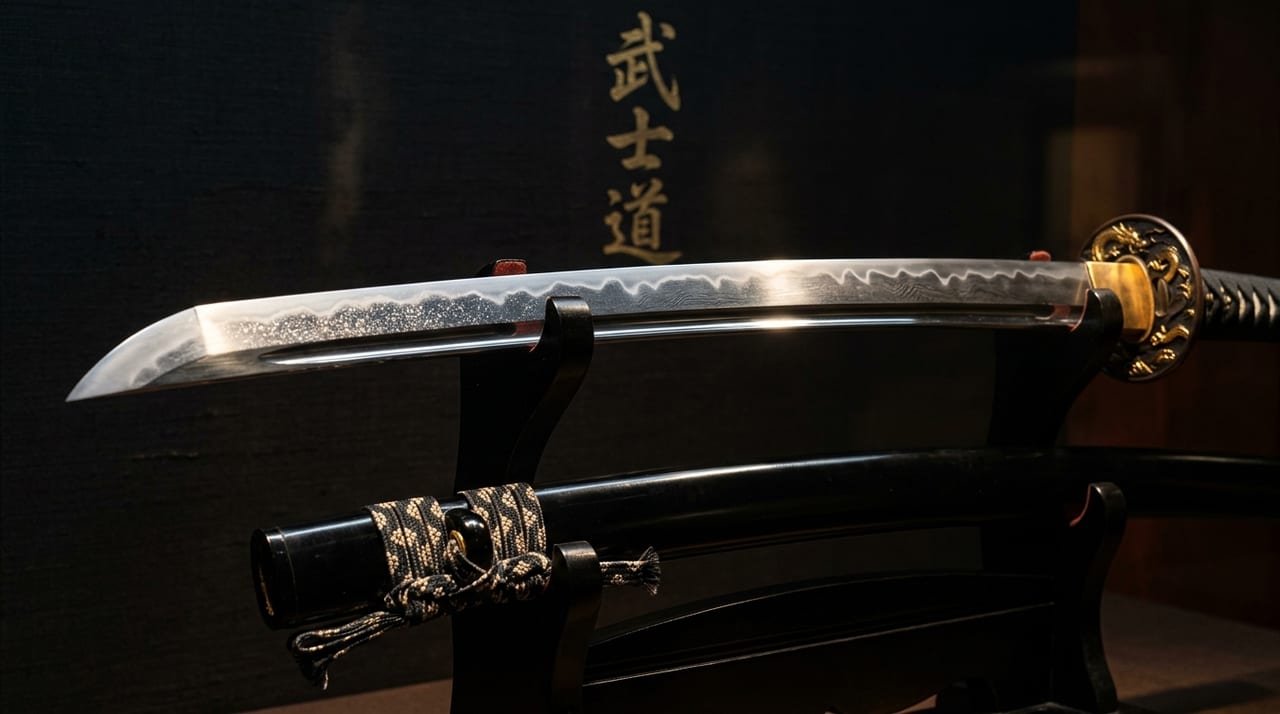
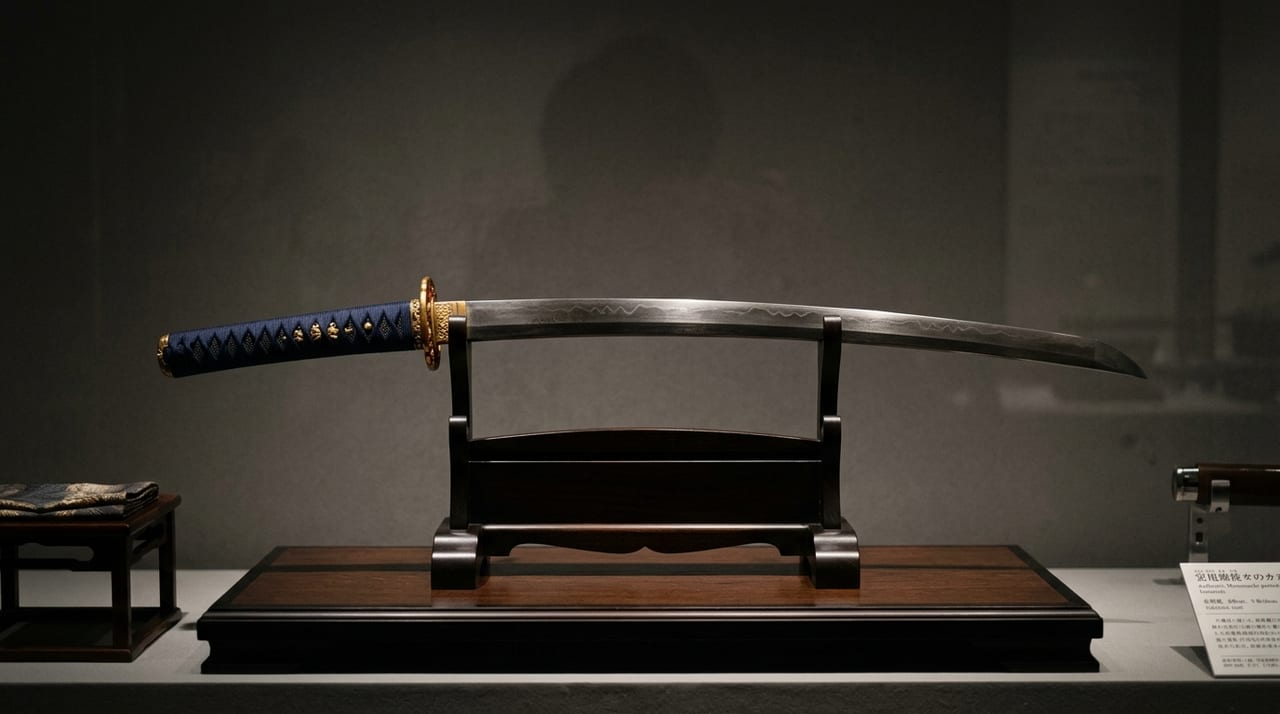
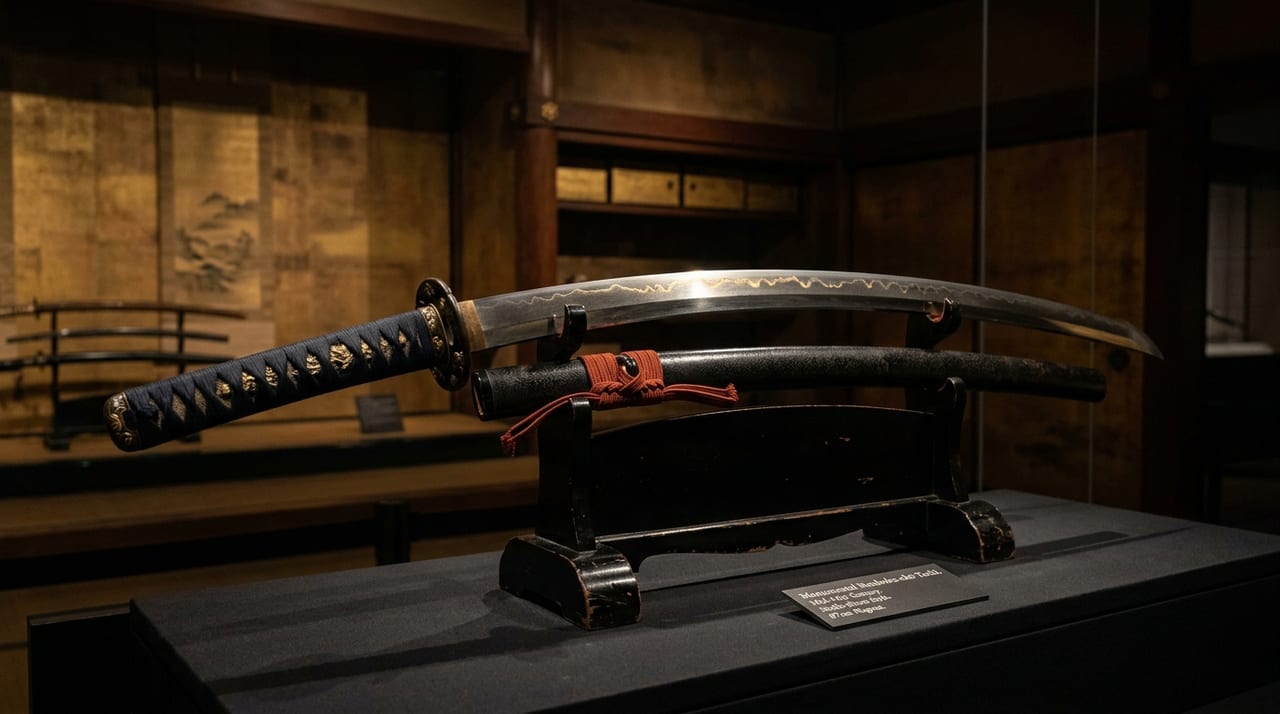
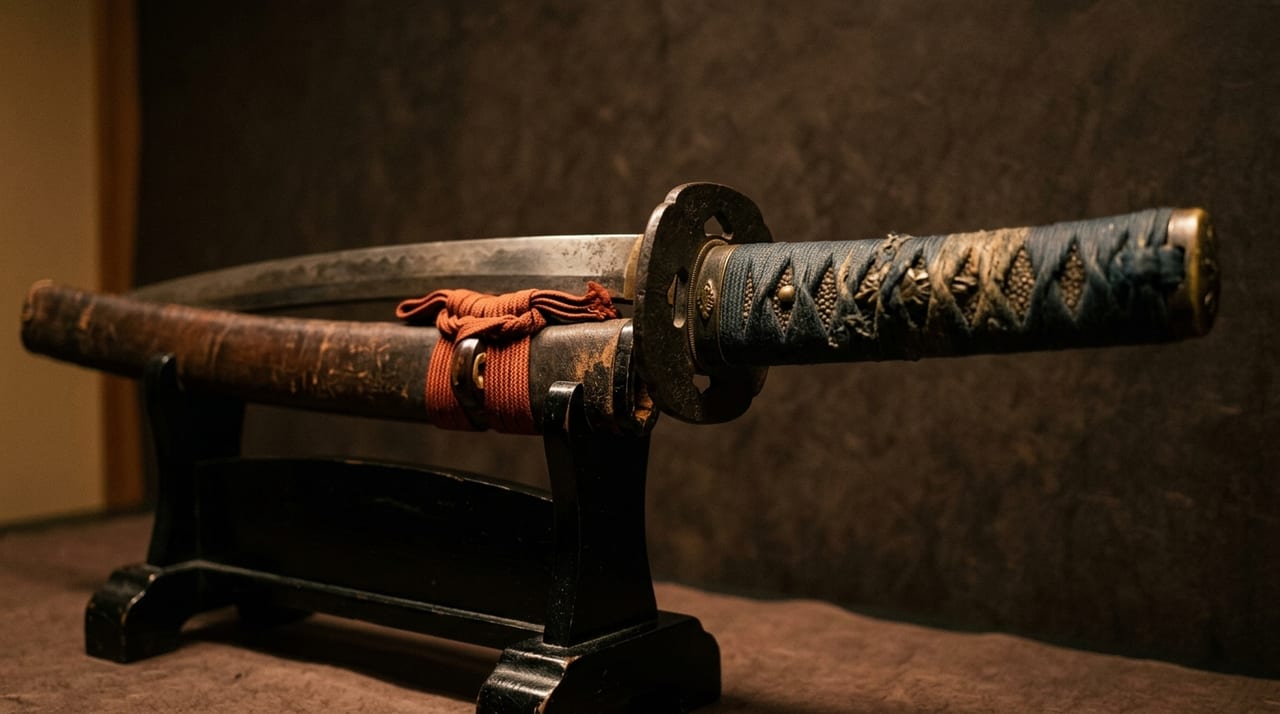
Koshirae refers to the complete mounting of a Japanese sword — the saya, tsuka, tsuba, and all associated fittings. This guide covers the components of koshirae, the major types, and the artistic significance of sword mountings in nihonto appreciation.
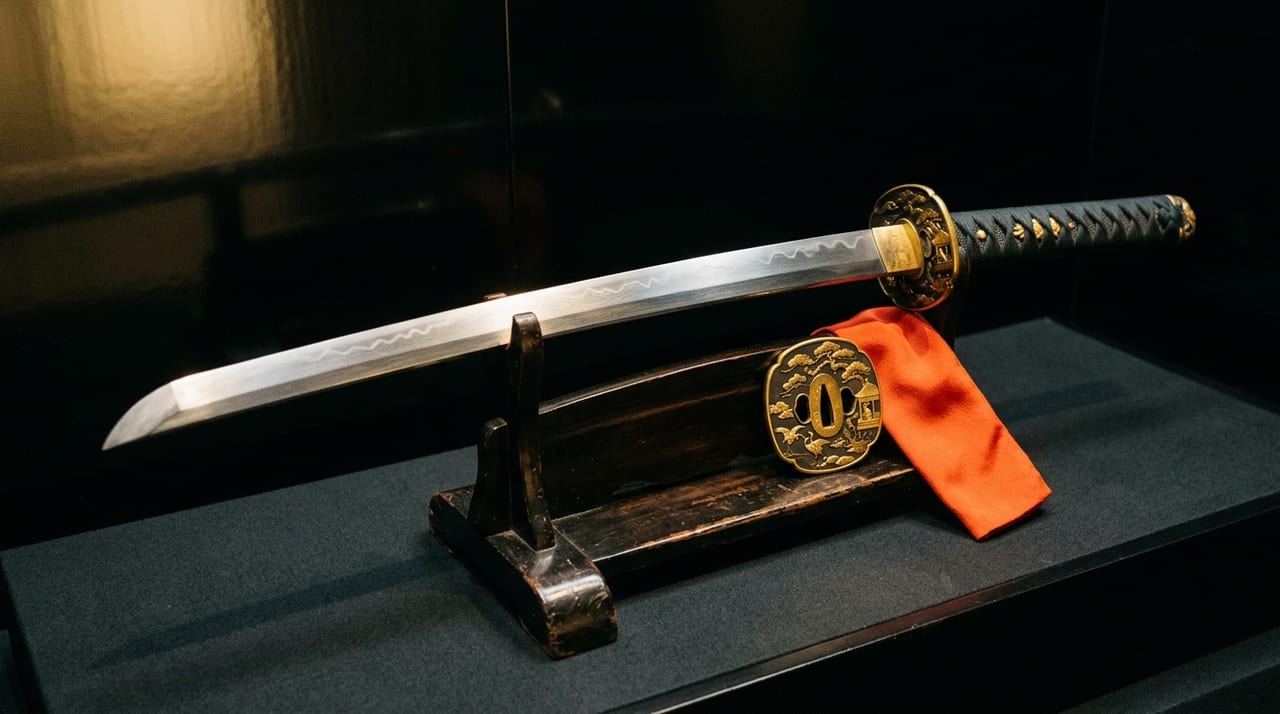
The earliest tsuba emerged alongside the Japanese sword in the late Heian and Kamakura periods. This article traces the evolution from purely functional iron discs to increasingly refined forms, exploring the relationship between tsuba design and the sword-fighting techniques of the age.