最新消息 — 最新入荷資訊請查閱商品目錄。 查看 →
深入了解日本刀知識與文化的見解
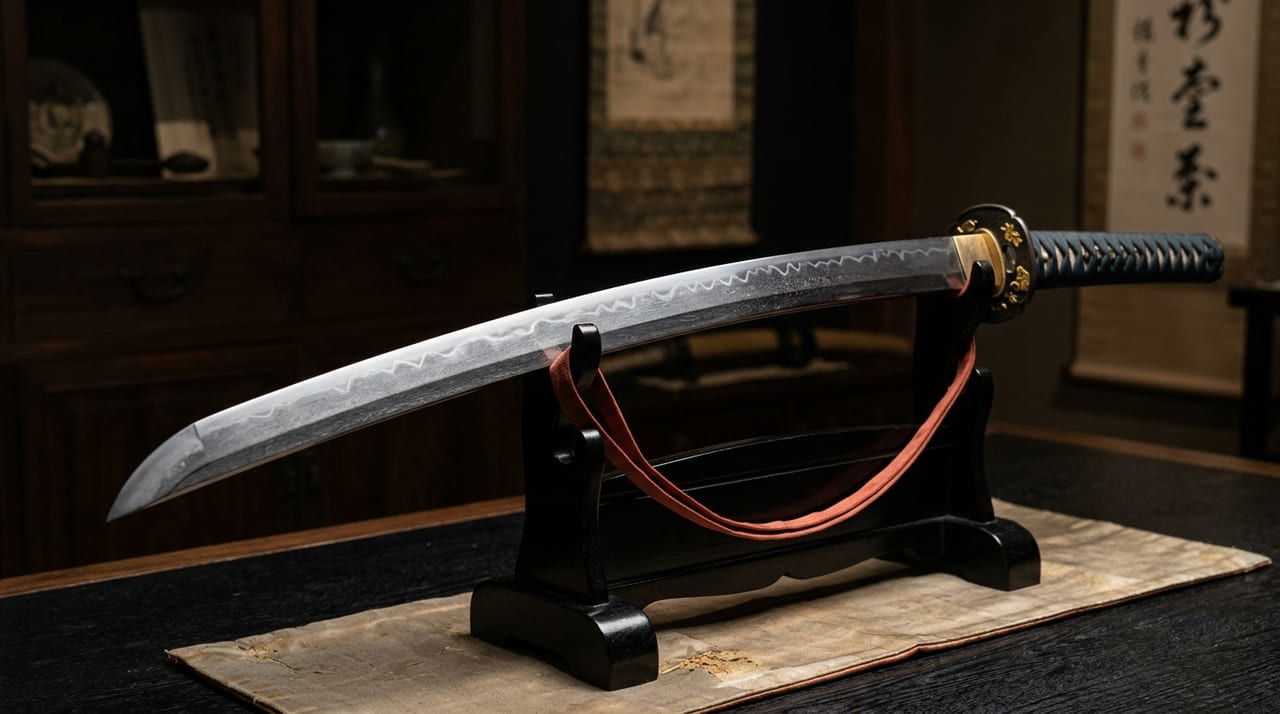
Detailed explanation of the authenticity of mei, NBTHK grading levels, condition assessment, period and school, and completeness of accompanying items that sword dealers prioritize when valuing Japanese swords. Also presents practical pricing guidelines useful for selling, purchasing, and inheritance.
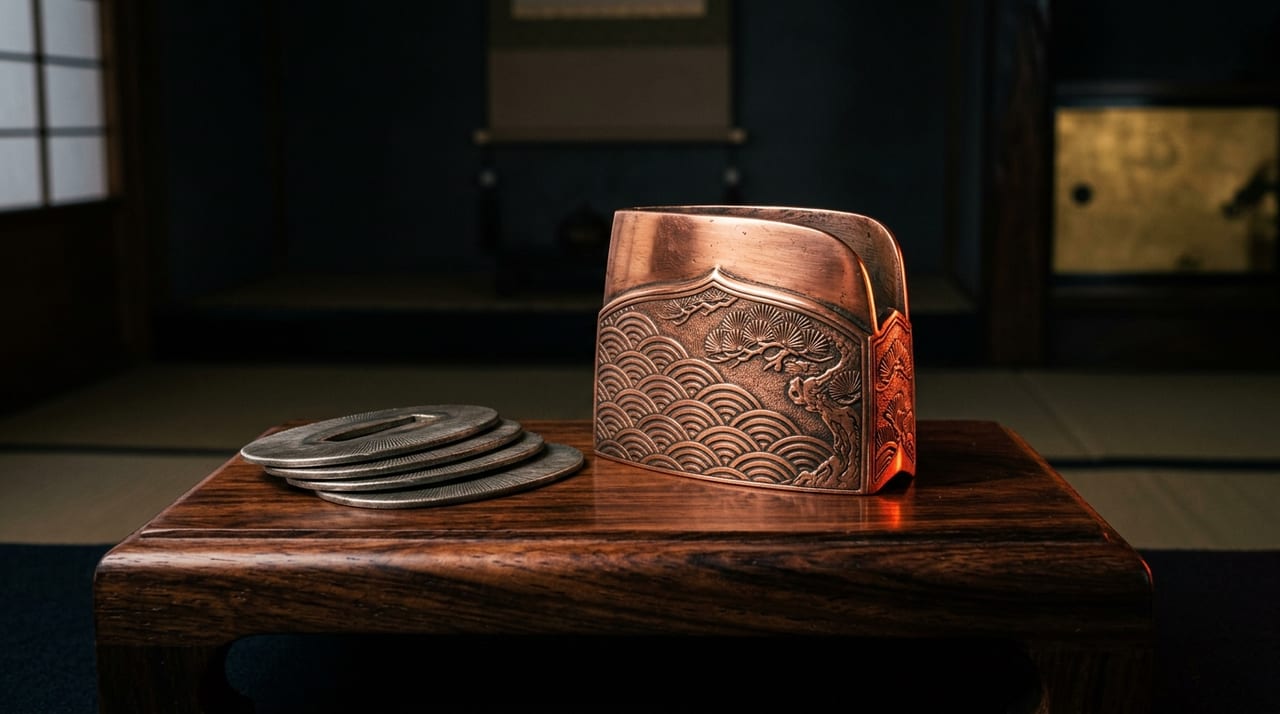
An introduction to the work of shiroganeshi craftsmen who create habaki, seppa, and other metal fittings for Japanese swords. Covers material selection, forging and engraving techniques, and the current situation of modern practitioners.
Explains the selection criteria, examination process, and post-recognition responsibilities of swordsmiths designated as Living National Treasures (Holders of Important Intangible Cultural Property). Explores the lineage of recognition spanning from the Showa era through the Reiwa era, and examines the significance of this institution within contemporary sword circles.
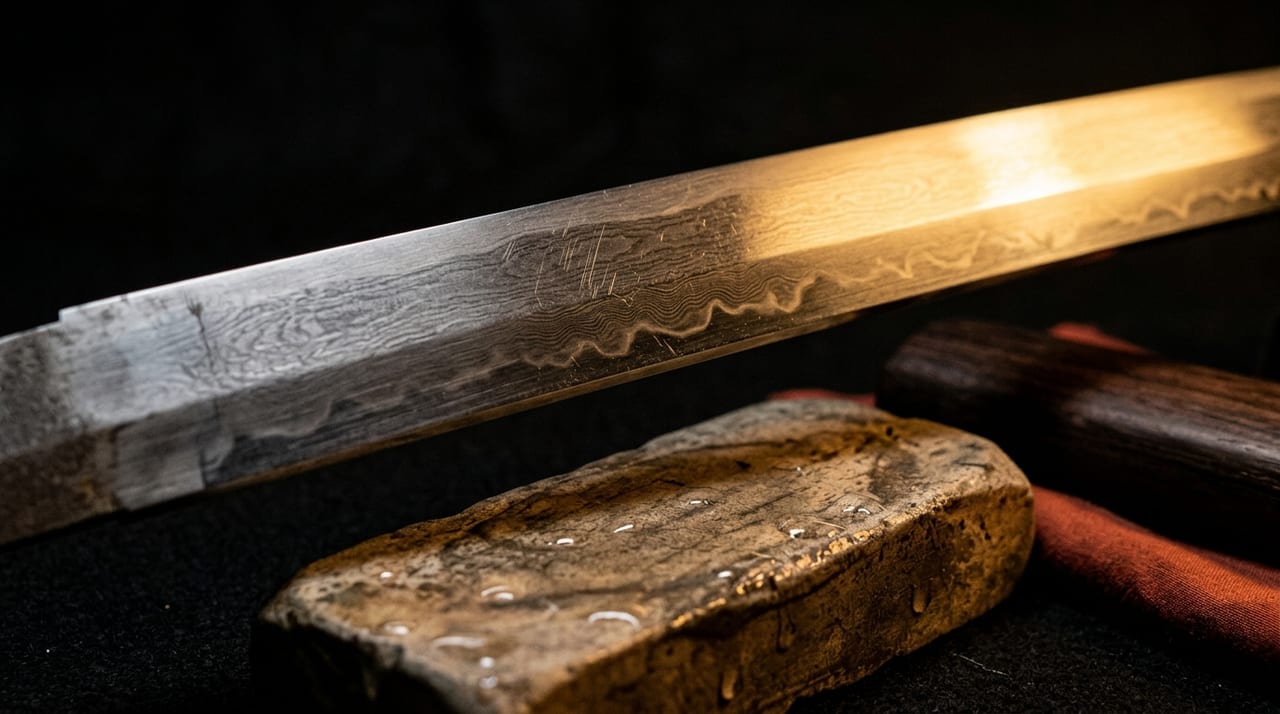
Beginning with the carbon inhomogeneity of tamahagane (玉鋼), progressing through homogenization via folding and forging (折り返し鍛錬), the placement design of shingane (心鉄) and kawagane (皮鉄), and reaching phase transformation during quenching—systematically explaining the blade forging techniques of the Japanese sword from a materials science perspective.
An in-depth examination of the togishi's training system, technical skill acquisition through master-disciple relationships, types and applications of natural whetstones, and the NBTHK's technical certification system. Also explores the profession's actual reality, including contemporary challenges with succession and real income conditions.
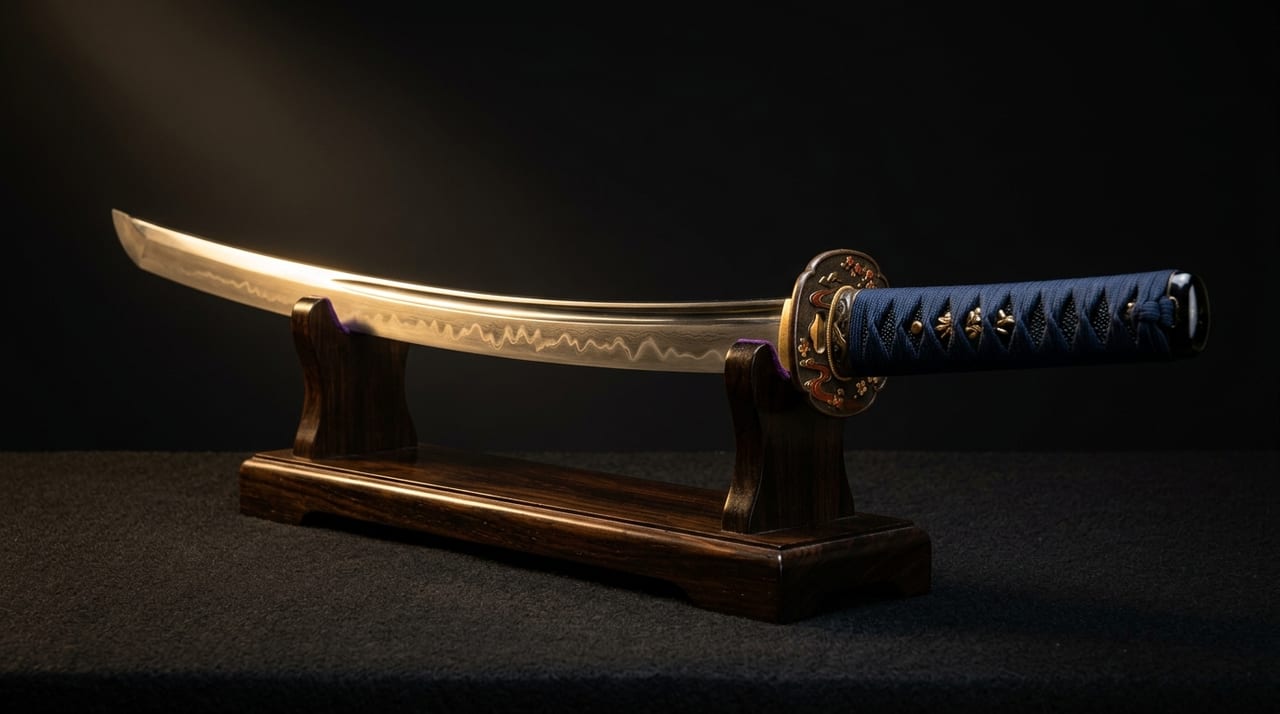
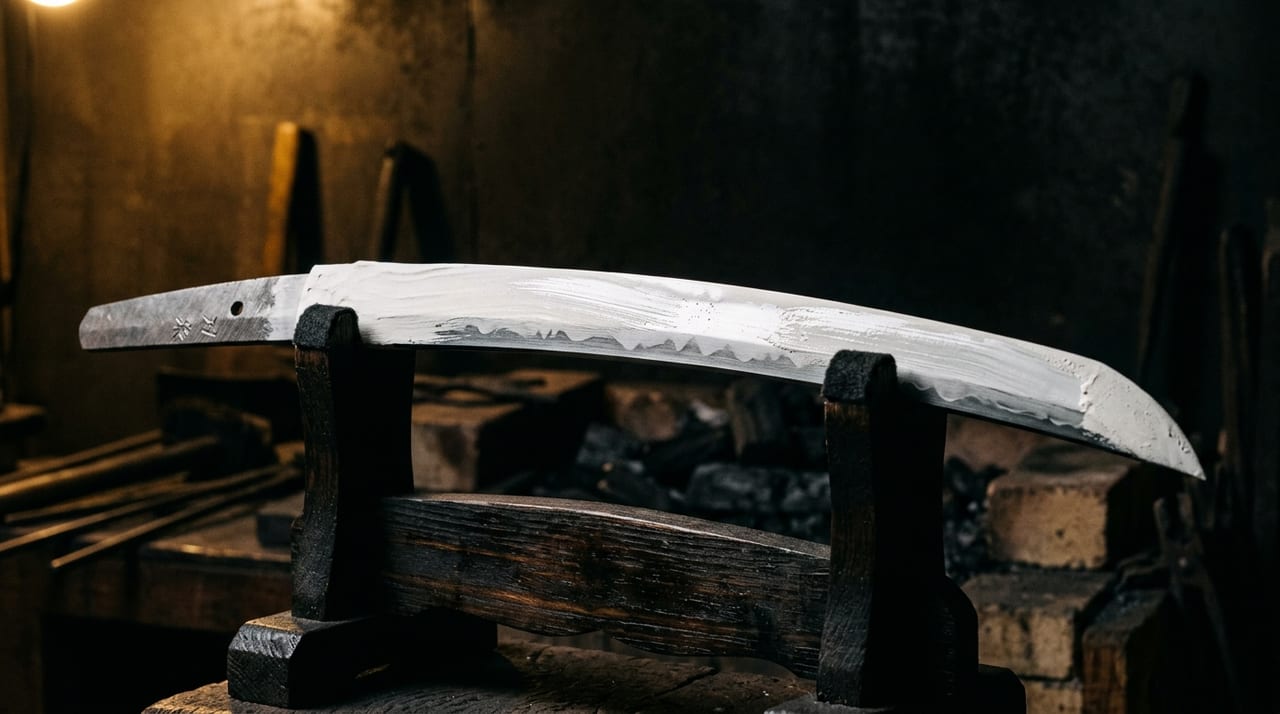
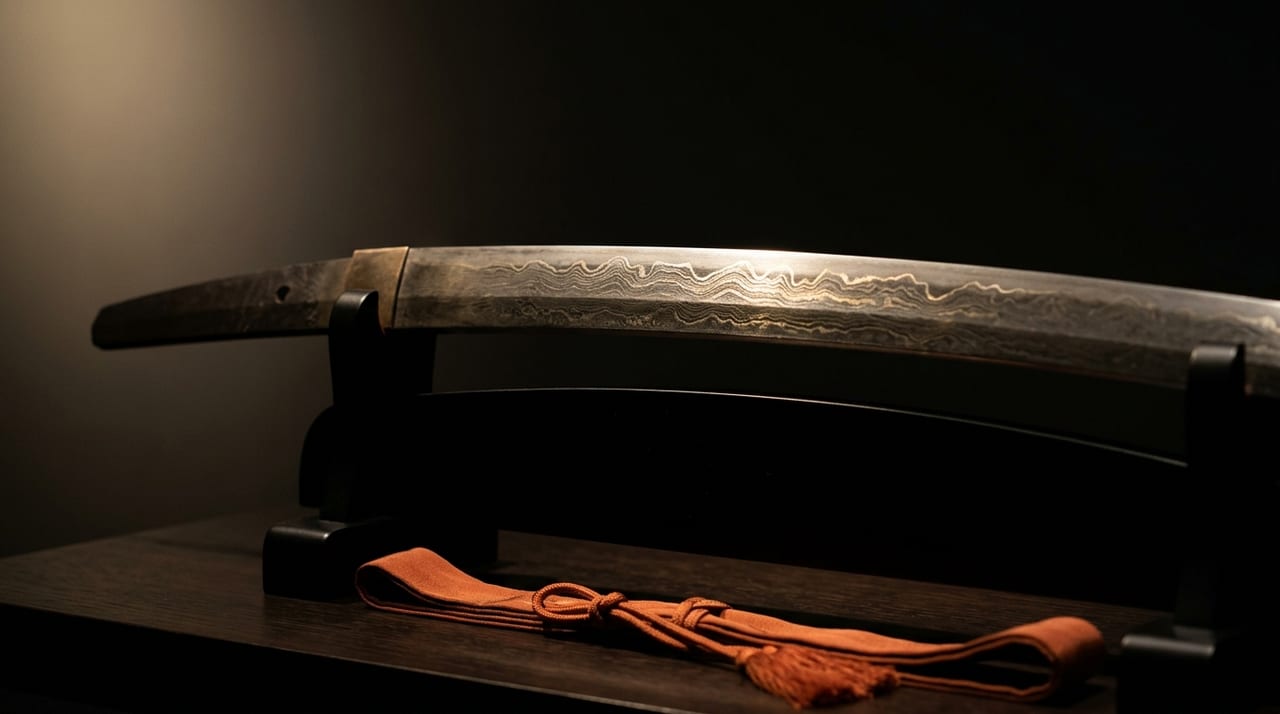
Detailed explanation of the tsuchigoki (土置き) process before hardening that determines the hamon (刃文) in Japanese swords. Explores the constituent materials of quenching clay, tsuchigoki pattern design, the scientific mechanism of martensite transformation through rapid cooling, and the differences in tsuchigoki application style across the five major sword-making schools (Gokaden 五ヶ伝).
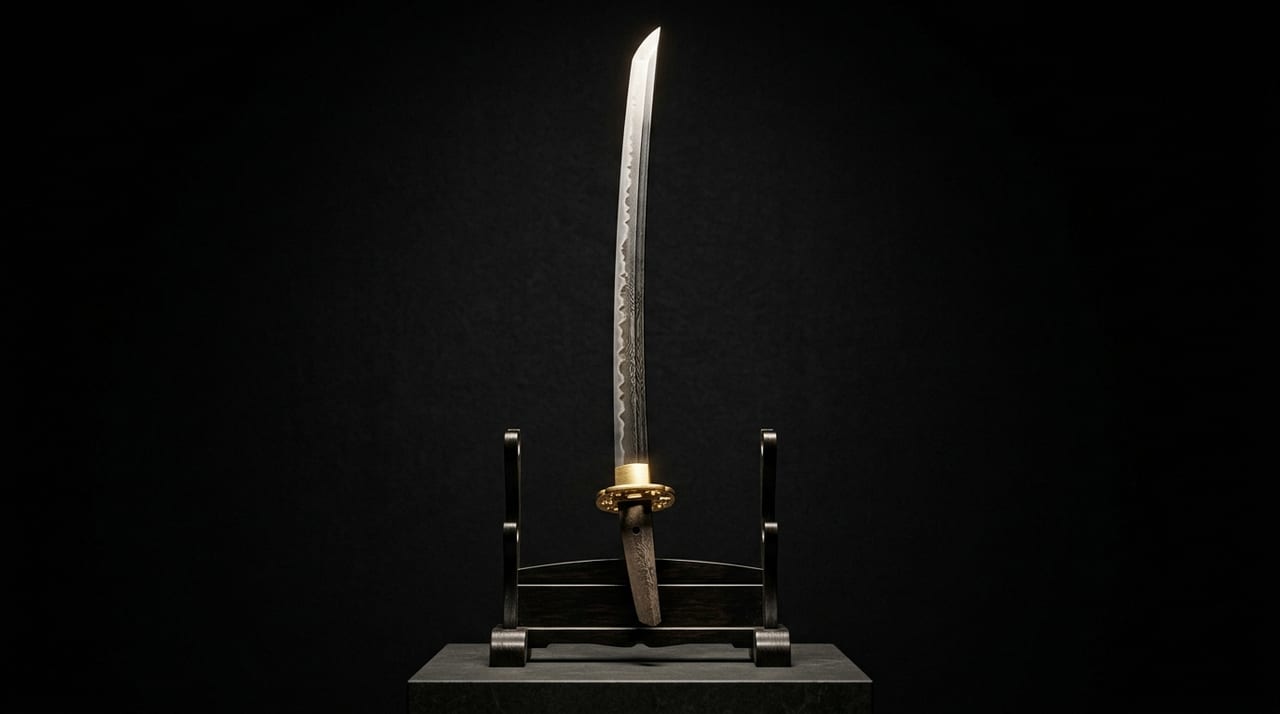
A technical analysis of hamon defects in Japanese sword making: nie-kuzure (disrupted nie crystalline structures), hada-kuzure (collapsed steel grain patterns), and hagire (hamon cracks). Covers the metallurgical causes, how experienced smiths prevent them through temperature control, clay application precision, and quench medium selection, and how defects affect authentication and value.
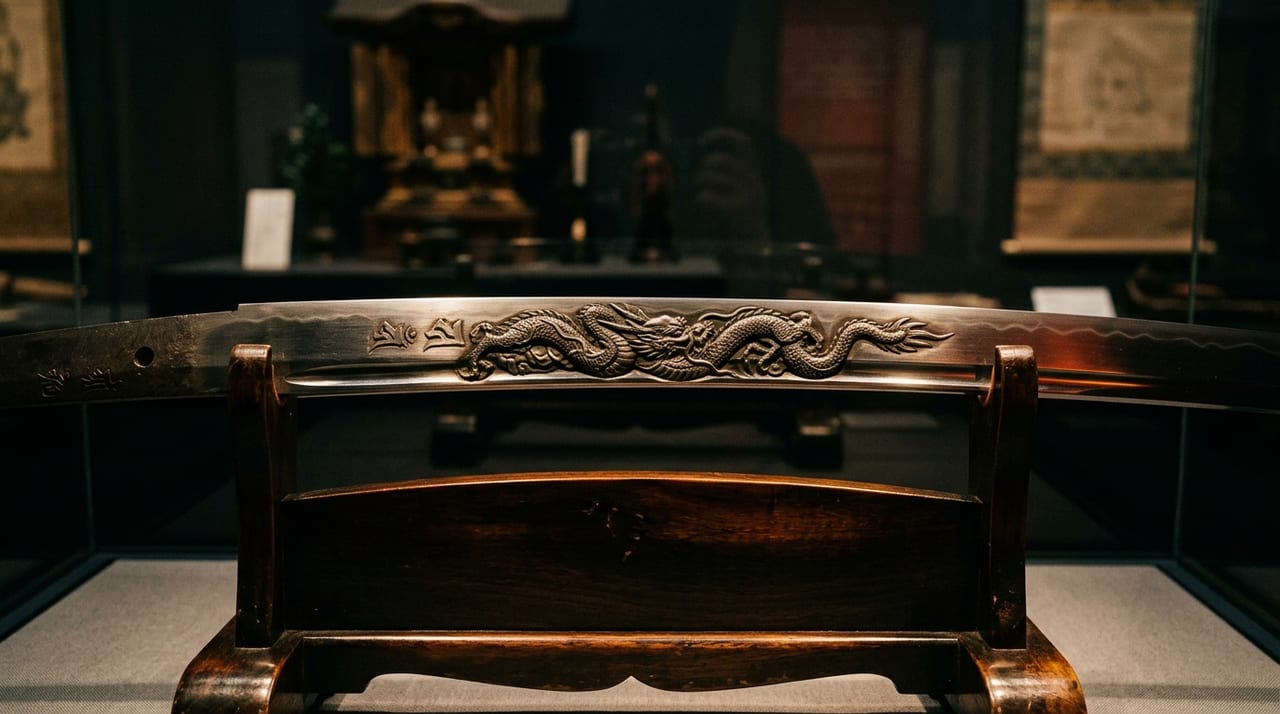
A detailed look at the specialist craftsmen who carve horimono — decorative and religious engravings including Kurikara dragons, Sanskrit Bonji characters, hi grooves, and floral motifs — into Japanese sword blades. Covers tools, carving techniques, the distinction between swordsmith-carved and specialist-carved work, and the modern continuation of this tradition.
An exploration of the Johei-Tengyo Rebellion (939-941) — the concurrent uprisings of Taira no Masakado in the East and Fujiwara no Sumitomo in the West — and how these twin crises shaped the development of warrior sword culture in the Heian period, marking the transition from ancient straight swords toward the curved Japanese tachi.
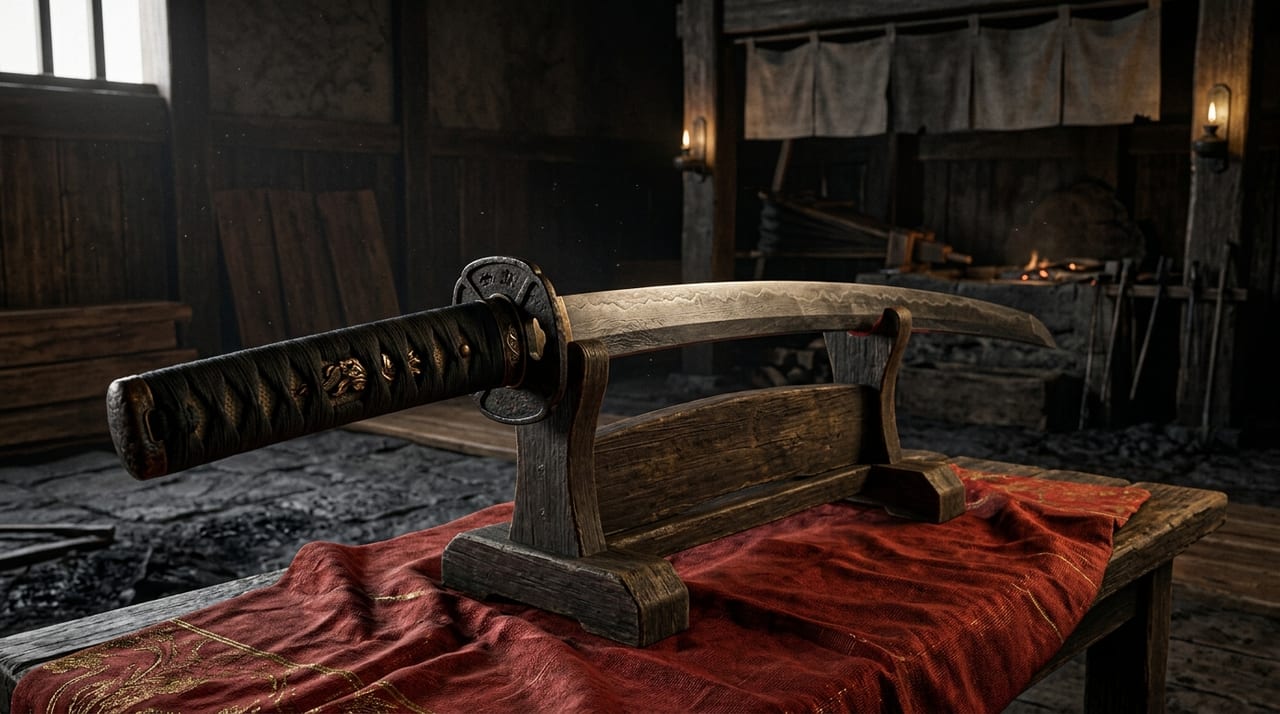
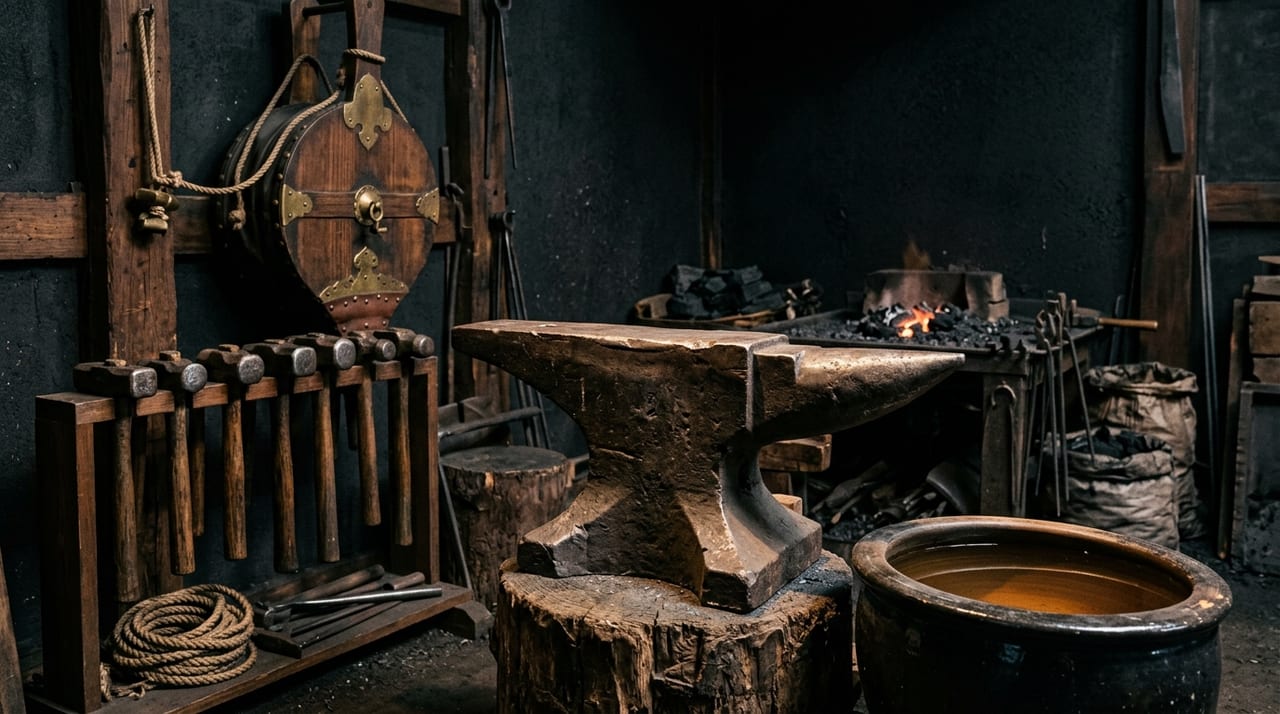
A comprehensive overview of the blacksmithing tools employed in Japanese sword forging. Covers the types and differentiated uses of tsuchi (槌) hammers—including large, small, and wooden variants; the material and shape of the kanakoko (金床) anvil; the mechanism of the fuigo (鞴) bellows and air volume management; the water quality, temperature, and container design for yakimizu (焼水) quenching water; and the design principles of the kajiba (鍛冶場) smithy—all explained from the perspective of swordsmith technique.
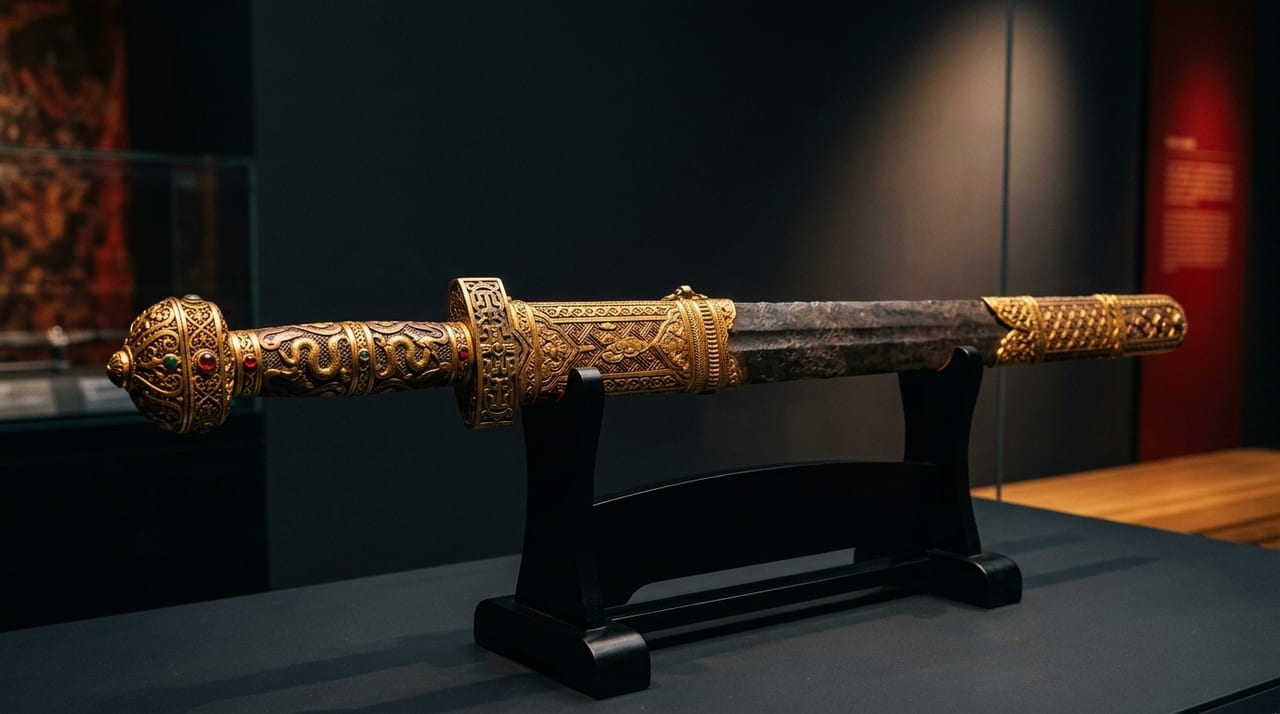
Detailed explanation of the history of swords buried as grave goods with royalty and powerful clans during the Kofun period (3rd–7th centuries). Drawing from representative excavation examples such as Fujinoki Kofun (Nara) and Inariyama Kofun (Saitama), this examines the significance of the types, quantities, and placement of grave-goods swords, the role of swords as weapons signifying royal power, and the influence of continental (Chinese and Korean peninsula) culture.
A behind-the-scenes look at how the NBTHK (Society for the Preservation of Japanese Art Swords) conducts its sword authentication shinsa. Covers reviewer selection, the meeting format, how grades from Tokuju to Hozon are determined, and what the process looks like from the inside.